
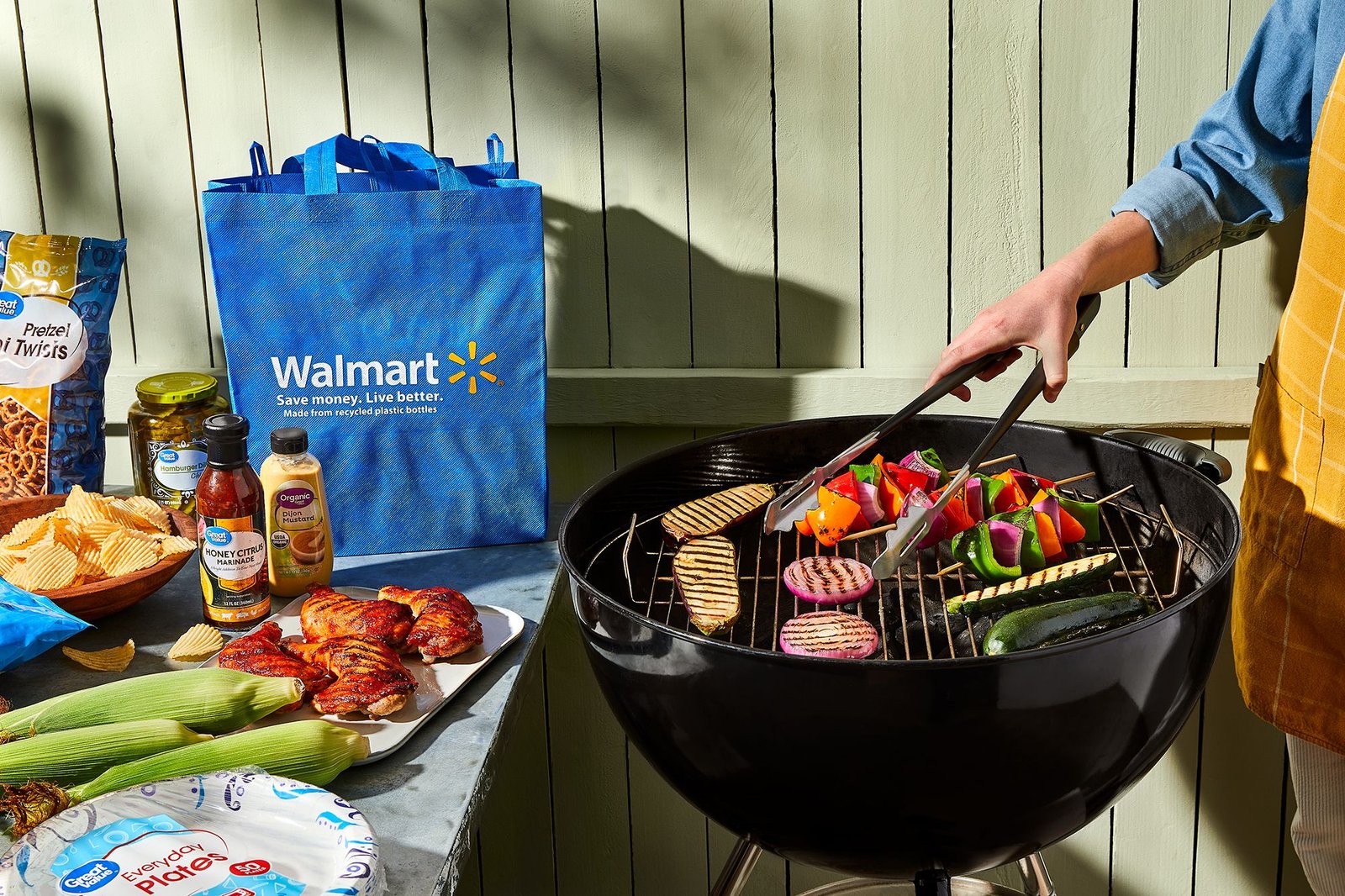
Grilling over charcoal is an art that can turn simple ingredients into mouthwatering meals. But how you arrange your food on the grill can make all the difference between juicy, flavorful bites and dry, unevenly cooked pieces.
If you want to master the secret to perfect grilling every time, you need to know where to place your food and how to manage the heat. Keep reading, and you’ll discover easy tips that will transform your grilling game and impress everyone at your next cookout.
Your taste buds will thank you!

Credit: lifehacker.com
Preparing Your Charcoal Grill
Preparing your charcoal grill is key to a great barbecue. Proper setup ensures even cooking and rich flavors. Take time to get your grill ready before placing food on it. This step enhances taste and prevents sticking or burning.
Choosing The Right Charcoal
Pick charcoal that burns evenly and lasts long. Lump charcoal lights quickly and gives a smoky flavor. Briquettes burn steadily and hold heat for hours. Avoid charcoal with chemicals or fillers for clean smoke. Use natural, high-quality charcoal for the best results.
Setting Up The Grill For Direct And Indirect Heat
Create two heat zones on your grill. Place hot coals on one side for direct heat cooking. Leave the other side empty or with fewer coals for indirect heat. Direct heat is perfect for searing meats and vegetables. Indirect heat cooks food slowly without burning. Arrange charcoal carefully to control cooking temperature.
Cleaning And Oiling The Grill Grate
Clean the grill grate before every use. Use a wire brush to remove old food and ashes. Heat the grill for a few minutes to burn off residue. After cleaning, oil the grate lightly with a cloth or paper towel. Oiling prevents food from sticking and creates nice grill marks.
Credit: www.theguardian.com
Selecting And Preparing Food
Selecting and preparing food is the first key step to great grilling. It sets the stage for tasty and evenly cooked meals. Choosing the right ingredients and prepping them carefully helps avoid common grilling problems. Proper preparation also enhances the natural flavors of meats and vegetables.
Focus on freshness and size for the best grilling experience. Preparing food correctly ensures each item cooks evenly without burning or drying out. Pay attention to marinating and seasoning to boost taste. Thoughtful selection and prep create a smoother, more enjoyable cooking process.
Picking Meats And Vegetables
Choose fresh meats like chicken, beef, pork, or fish. Look for cuts with some fat for juiciness. Avoid very thin pieces that cook too fast. Select firm vegetables such as bell peppers, zucchini, mushrooms, and corn. Pick similar-sized pieces for even grilling. Avoid watery vegetables that may fall apart.
Marinating And Seasoning Tips
Use simple marinades with oil, acid, and spices. Let meat soak for at least 30 minutes to absorb flavors. Avoid salty marinades on delicate fish. Season vegetables lightly with salt, pepper, and herbs. Apply dry rubs before grilling for a tasty crust. Always pat food dry before placing it on the grill.
Prepping Food For Even Cooking
Cut meats and vegetables into uniform sizes. This helps everything cook at the same rate. Use skewers for smaller pieces to keep them together. Remove excess fat from meat to reduce flare-ups. Allow food to reach room temperature before grilling. Dry surfaces help achieve a good sear and grill marks.
Arranging Food On The Grill
Arranging food on a charcoal grill is more than just placing items randomly over the flames. It’s about understanding heat zones and timing to get everything cooked perfectly. The right setup lets you control the cooking process easily and impress your guests with perfectly grilled dishes.
Placing Food For Direct Heat
Direct heat means placing your food right above the hot coals. This is ideal for quick-cooking items like burgers, steaks, and vegetables. The intense heat sears the outside, locking in juices and creating that delicious char.
Place thicker cuts carefully so they don’t burn on the outside before cooking inside. Use tongs to turn food often, preventing flare-ups and uneven cooking. Have you noticed how a quick sear changes the flavor? That’s the magic of direct heat.
Using Indirect Heat Zones
Indirect heat zones are areas on your grill where there are no coals directly underneath. This setup is perfect for slow cooking or delicate items like whole chickens, ribs, or fish. It allows the food to cook evenly without burning.
Arrange the coals to one side of the grill and place food on the opposite side. Close the lid to trap heat and smoke, which adds great flavor. Think of this as your slow cooker on the grill—it saves food from drying out and keeps it tender.
Managing Different Cooking Times
Not all foods cook at the same speed, so arrange items accordingly. Start with foods that take longer on the indirect heat side, like bone-in chicken or thick pork chops. Add quicker items later to the direct heat side to finish them off.
Use a grill thermometer or touch test to monitor temperature zones. Keep raw and cooked foods separate to avoid cross-contamination. Ever tried flipping a burger too soon? Timing is everything, and managing multiple cooking times ensures everything is ready to serve at once.

Credit: food52.com
Controlling Temperature And Flames
Place thicker cuts over cooler coals and thinner pieces near hotter flames. Create heat zones to cook food evenly and avoid burning. Adjust food placement often to control temperature and flame exposure.
Grilling on a charcoal grill is an art form that requires mastering the control of temperature and flames to achieve perfectly cooked food. The balance between too hot and not hot enough can make or break your grilling experience. Understanding how to manage these variables is key to becoming a grill master.Adjusting Air Vents
The air vents on your charcoal grill are your best friends when it comes to controlling temperature. Opening the vents allows more oxygen to fuel the fire, increasing the temperature. If you find your grill too hot, closing the vents partially will reduce oxygen flow and help cool things down. Remember, it’s a bit like a dance—you have to find the rhythm that works for your specific grill and the weather conditions. Don’t be afraid to experiment with different vent settings to see how they affect your cooking.Moving Food To Avoid Flare-ups
Flare-ups can happen when fat drips onto the coals, causing flames to shoot up. This can char your food and create an uneven cook. To prevent this, keep an eye on your food and be ready to move it around the grill. Set up a two-zone fire by placing coals on one side and leaving the other side cooler. When a flare-up occurs, simply move your food to the cooler side until the flames die down. This technique not only saves your meal but also gives you more control over the cooking process.Using A Grill Thermometer
A grill thermometer is an invaluable tool for anyone serious about grilling. It provides real-time data on the temperature inside your grill, allowing you to make informed adjustments. Clip a thermometer to the grill grate, not the lid, for the most accurate reading. Aim for specific temperature ranges depending on what you’re cooking—higher for searing steaks, lower for slow-cooking ribs. Grilling without a thermometer is like driving without a speedometer; you might be okay for a while, but it’s risky. Why leave it to chance when precision is just a glance away?Tips For Turning And Flipping
Turning and flipping food on a charcoal grill can make or break your grilling experience. Doing it right ensures even cooking, maintains moisture, and enhances flavor. Knowing when and how to flip different foods helps you avoid common grilling mistakes like overcooking or tearing delicate items.
When To Flip Different Foods
Not all foods need the same flipping technique or timing. Steaks and burgers usually benefit from flipping once halfway through cooking to develop a nice crust.
For delicate items like fish or vegetables, flip only once to prevent them from falling apart. Chicken pieces often require more attention—flipping every few minutes helps cook them evenly without burning.
Do you wait too long before flipping? Sometimes flipping too late causes food to stick or burn. Pay attention to natural release cues; if your food lifts easily from the grill, it’s ready to turn.
Using Proper Tools
Using the right tools makes flipping easier and safer. A long-handled spatula with a thin, flexible edge slides smoothly under food without damaging it.
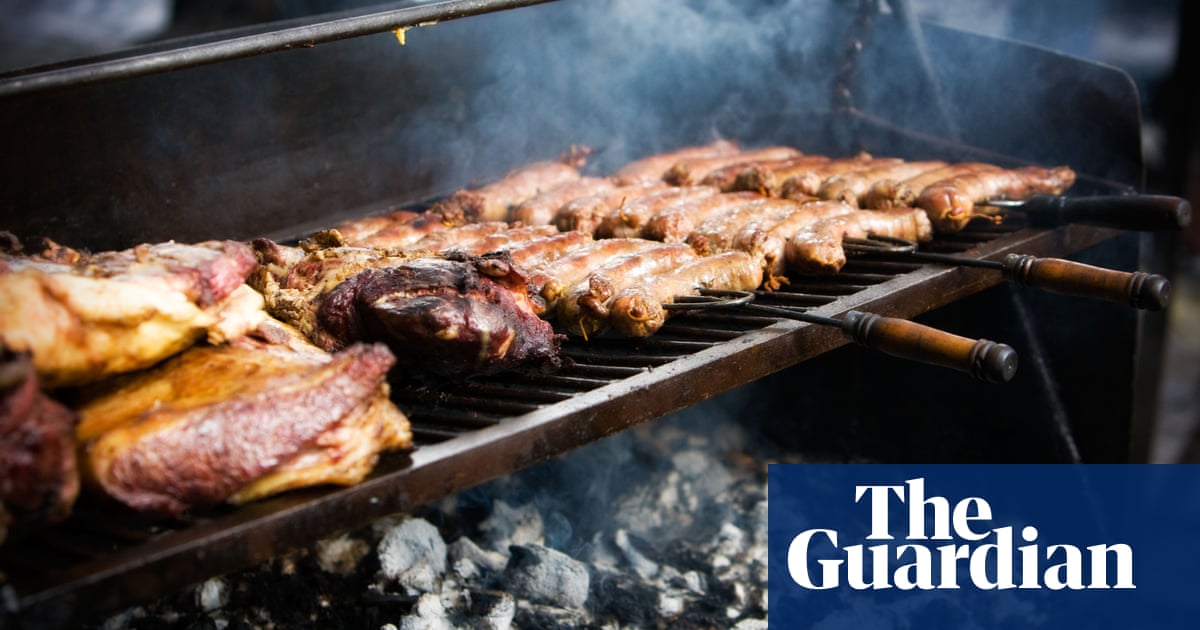
Tongs give you better control for turning irregularly shaped items like sausages or chicken wings. Avoid using forks as piercing lets juices escape, drying out your food.
Investing in quality tools is worth it—your grilling results improve and you reduce the risk of accidents from slipping or dropping food.
Avoiding Food Sticking
Sticky food is frustrating and wastes delicious bites. To prevent sticking, start with a clean, well-oiled grill grate.
Preheat your charcoal grill thoroughly before placing food on it; this helps sear the surface and create a natural barrier.
Resist the urge to flip too soon—letting the food cook undisturbed for a few minutes allows a crust to form and releases it easily. Have you noticed how patience pays off when flipping?
Finishing And Serving
Finishing and serving grilled food is as important as cooking it perfectly. This stage brings out the best flavors and textures. It also sets the tone for a delightful meal. Careful resting, thoughtful sauces, and attractive plating make a big difference.
Resting Grilled Food
Let grilled meat rest before cutting. Resting keeps juices inside. It makes the meat tender and juicy. Place the food on a warm plate or tray. Cover it loosely with foil to keep heat. Rest times vary by food size:
- Small cuts: 5 minutes
- Large cuts: 10 to 15 minutes
Adding Final Touches And Sauces
Enhance flavor with simple sauces or spices. Brush sauces lightly to avoid overpowering the food. Use fresh herbs or a squeeze of lemon for brightness. Add sauces at the last moment to keep them fresh. Sprinkle salt or pepper to taste. Avoid heavy sauces that mask the grill’s smoky flavor.
Plating For Presentation
Arrange grilled food neatly on the plate. Use contrasting colors to make dishes pop. Add sides like grilled vegetables or fresh salad. Place larger items at the back and smaller ones in front. Use garnishes like parsley or lemon wedges. Keep the plate clean and uncluttered. Presentation invites appetite and makes the meal special.
Common Mistakes To Avoid
Grilling over charcoal is an art, but many miss out on the full experience by making simple mistakes. These errors can affect the taste, cooking time, and safety of your meal. Avoiding common pitfalls will help you get the most out of your charcoal grill every time you fire it up.
Overcrowding The Grill
It’s tempting to pile on as much food as possible, especially when grilling for a crowd. However, overcrowding limits airflow and can cause uneven cooking. You might end up with some pieces burnt and others undercooked.
Leave space between items so the heat circulates well. This also makes it easier to flip and manage each piece. Ask yourself: Are you giving your food enough room to breathe?
Ignoring Heat Zones
Charcoal grills naturally create different heat areas. Placing all your food directly over the hottest coals can lead to burnt outsides and raw insides. Recognizing and using these heat zones effectively changes the game.
Arrange your food based on cooking time and temperature needs. Use hotter zones for searing and cooler zones for slower cooking. Have you mapped out your grill’s heat zones yet?
Skipping Cleaning And Maintenance
Neglecting to clean your grill after each use can cause flare-ups and affect flavor. Old grease and residue build up over time and may even pose health risks. Regular maintenance keeps your grill working efficiently and your food tasting fresh.
Scrape the grates and empty ash frequently. Check your charcoal grill for rust or damage before every session. How often do you clean your grill?
Frequently Asked Questions
How Do I Arrange Food On A Charcoal Grill?
Arrange food by heat zones. Place thicker cuts on indirect heat. Smaller items go over direct heat. This prevents burning and ensures even cooking.
What Is The Best Charcoal Layout For Grilling?
Use a two-zone layout: pile coals on one side for direct heat. Leave the other side empty for indirect heat. This setup gives control over cooking temperature.
How Far Should Food Be From Charcoal?
Keep food about 4-6 inches above the charcoal. This distance prevents flare-ups and burns while allowing proper heat circulation.
Can I Grill Different Foods Together On Charcoal?
Yes, but group similar cooking times and heat needs. Place longer-cooking items on indirect heat and quick-cooking foods on direct heat.
Conclusion
Arranging food on a charcoal grill takes some thought and care. Place thicker items where the heat is strongest. Keep delicate foods away from direct flames. Give enough space between pieces for even cooking. Turn foods regularly to avoid burning.
Use separate zones for different cooking times. This method helps food cook well and taste great. Enjoy grilling with confidence and good results every time.

