
If you love grilling, you know that getting the heat just right can make or break your meal. But how do you make sure your charcoal burns evenly every time?
The secret lies in how you arrange your charcoal. When done correctly, it helps your food cook perfectly—juicy inside and crispy outside. You’ll discover simple, proven ways to set up your charcoal for steady, even heat. Keep reading, and soon you’ll be grilling like a pro with no more hot spots or cold patches.
Your taste buds will thank you!
Choosing The Right Charcoal
Choosing the right charcoal sets the foundation for even heat and perfect grilling. The type and quality of charcoal you pick can change how your fire burns and how your food cooks. Understanding these details helps you control the heat better and get the results you want every time you fire up the grill.
Types Of Charcoal
Charcoal mainly comes in two types: lump charcoal and briquettes. Lump charcoal is made from pure wood, burns hotter, and lights faster, but it can be less consistent in size and burn time.
Briquettes are compressed charcoal pieces mixed with binders, giving you a more uniform shape and longer burn. However, they might produce more ash and sometimes contain additives that affect flavor. Which type fits your grilling style better?
Quality Matters
Not all charcoal is created equal. High-quality charcoal burns cleaner and produces less ash, making it easier to maintain steady heat. Cheaper charcoal often contains fillers that can cause uneven burning and off-flavors.
Look for charcoal labeled as natural or hardwood lump, and check customer reviews if you’re buying online. Your grill’s performance depends on it, so don’t skimp on quality.
Amount To Use
Using too little charcoal can cause uneven heat and longer cooking times, while too much can create hot spots and waste fuel. The amount you need depends on your grill size and the cooking method.
For direct heat grilling, spread a single layer of charcoal evenly across the grill. For indirect cooking, pile the charcoal on one side. Have you tested how much charcoal your grill needs for different recipes?
Preparing Your Grill
Preparing your grill is the foundation of achieving even heat when arranging charcoal. A clean and well-set grill creates the perfect environment for consistent cooking temperatures. Taking a few extra minutes to prepare your grill ensures your charcoal burns efficiently and your food cooks evenly.
Cleaning The Grill
Start by removing any leftover ashes and debris from previous grilling sessions. Ash buildup blocks airflow, which can cause uneven heat and make it harder to control the temperature. Use a wire brush to scrub the grill grate and clear away stuck-on food and grease.
Wiping down the grill after brushing helps remove any remaining particles. You might be tempted to skip this step, but a clean grill grate ensures your charcoal heats the food uniformly and prevents flare-ups. Have you noticed how a dirty grill affects the taste and texture of your food?
Setting Up The Grill Grate
Place the grill grate securely on top of your grill so it doesn’t shift when you add charcoal or food. The grate should sit at an even height above the charcoal to allow heat to spread evenly across the cooking surface. Adjust the grate if it feels unstable or too high for the size of your charcoal pile.
Consider the type of food you’ll be cooking and its distance from the heat source. Thinner items need a higher grate placement to avoid burning, while thicker cuts benefit from being closer to the coals. How do you adjust your grill setup to match different recipes?
Charcoal Arrangement Techniques
Arranging charcoal properly is key for even heat and better grilling results. Different techniques help control temperature and cooking zones. These methods balance heat distribution and fuel use for a smooth grilling experience.
The Two-zone Method
This technique creates two cooking zones: hot and cooler. Pile charcoal on one side of the grill for direct heat. Leave the other side empty for indirect cooking. Move food between zones to control cooking speed. It works well for grilling and slow cooking.
The Snake Method
Charcoal is arranged in a curved line along the grill edge. Light one end of the “snake” to start slow, steady burning. The fire moves gradually along the charcoal chain. This method provides long, even heat with minimal attention. Great for low and slow cooking.
The Minion Method
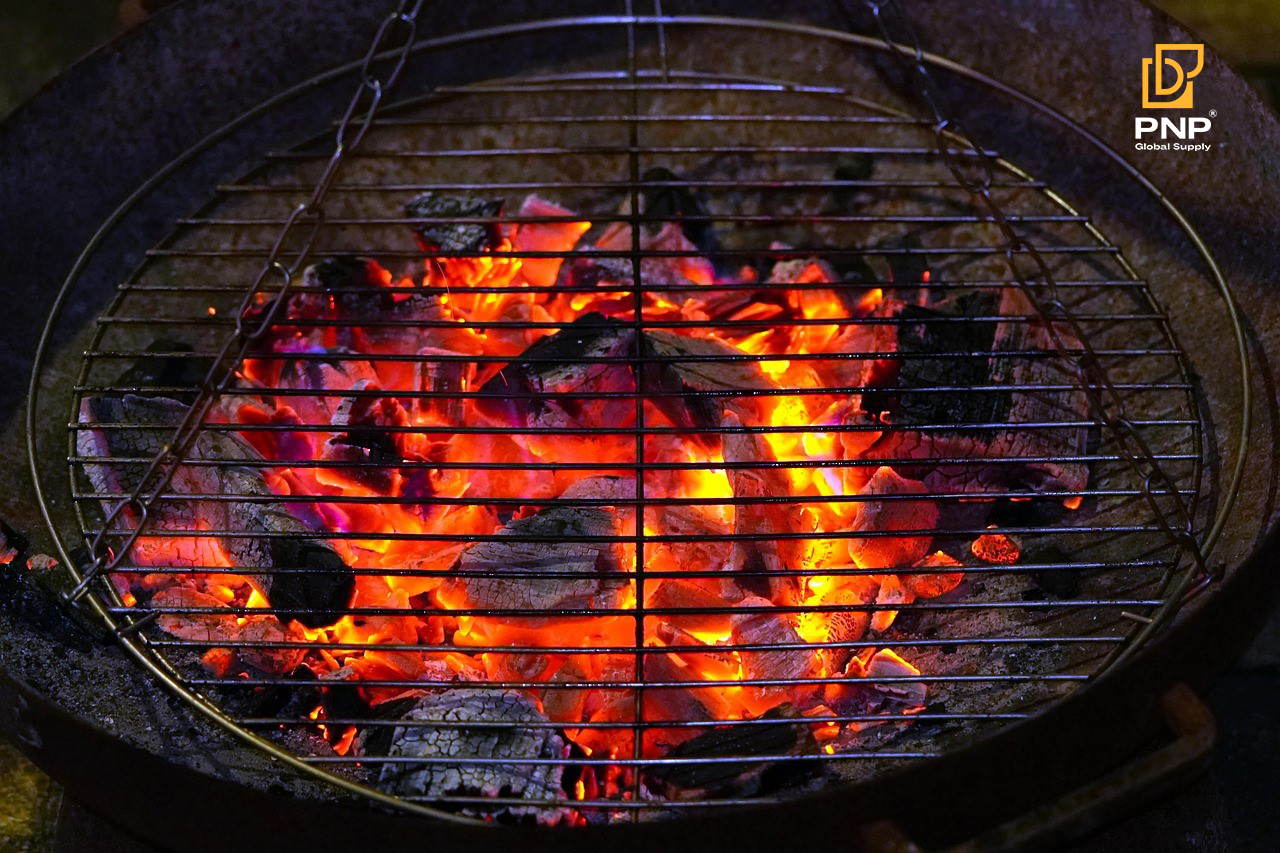
Place unlit charcoal in a circle or mound inside the grill. Add a small pile of lit charcoal on top or in the center. The lit coals ignite the unlit ones slowly over time. This technique extends cooking time without constant refueling. Ideal for long barbecue sessions.
Credit: pnpcharcoal.com
Lighting Charcoal For Even Heat
Lighting charcoal properly is key to achieving even heat across your grill. Uneven heat can cause food to cook inconsistently, leaving some parts burnt while others remain undercooked. Taking a little extra care during the lighting process ensures your charcoal is ready for a steady, controllable fire.
Using Chimney Starters
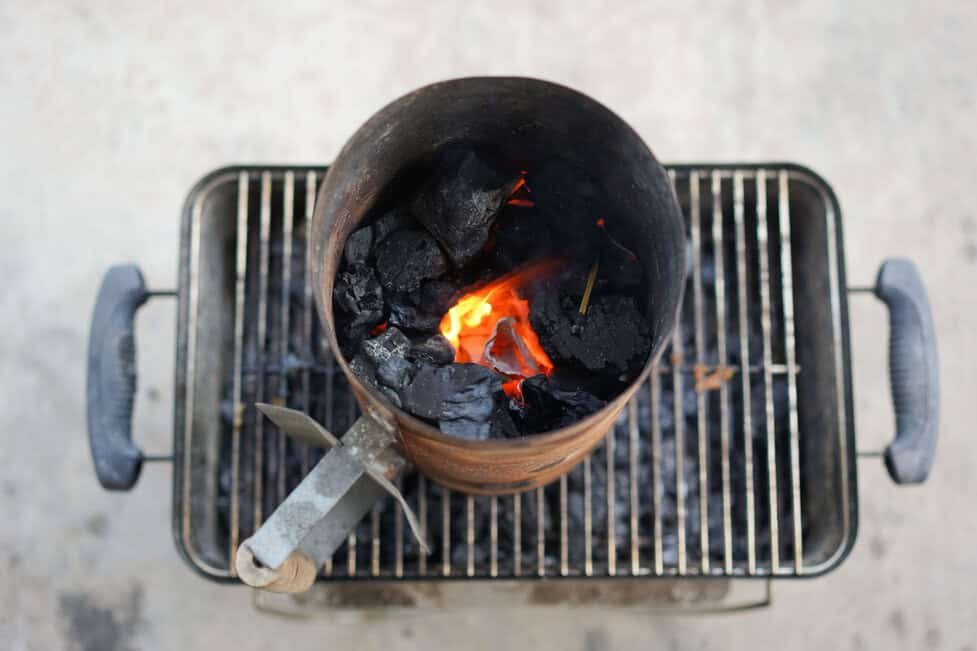
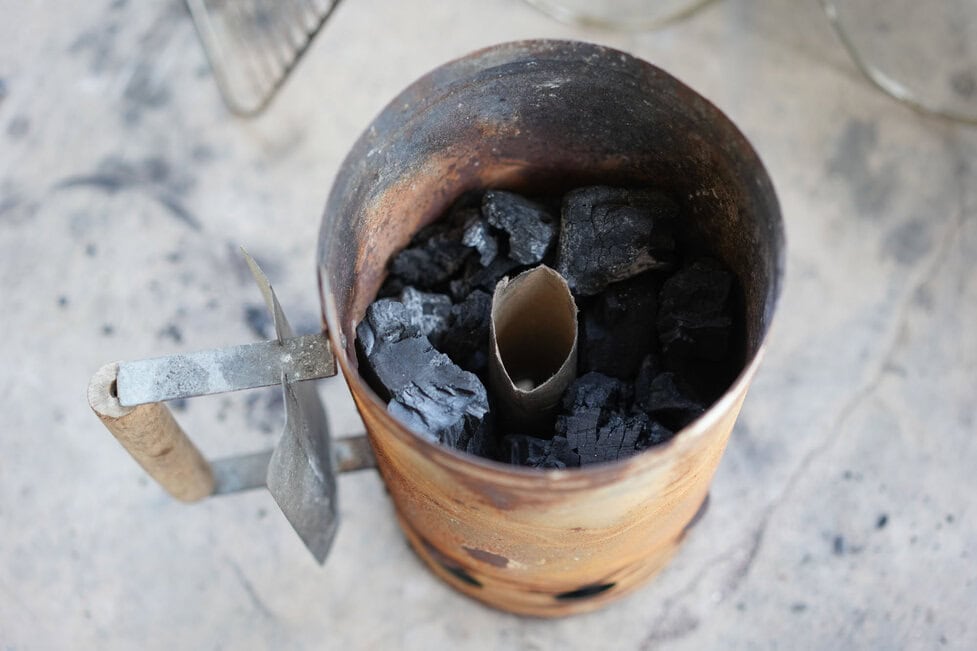
A chimney starter is a simple tool that makes lighting charcoal easier and cleaner. You fill the top with charcoal and place newspaper or fire starters underneath. As the fire catches at the bottom, hot air rises and ignites the coals evenly.
I’ve found that using a chimney starter saves time and avoids the hassle of unevenly lit charcoal. Plus, it eliminates the need for chemical starters, giving your food a pure, smoky flavor.
Avoiding Lighter Fluid
Lighter fluid might seem convenient, but it often creates flare-ups and chemical tastes. It can also cause hot spots where the fluid pools and burns unevenly.
Instead, try natural fire starters like wood chips or wax cubes. These options light safely and help your charcoal heat up gradually, giving you better control over the temperature.
Timing For Optimal Heat
Knowing when your charcoal is ready makes all the difference. After lighting, wait until the coals are covered with a thin layer of white-gray ash. This usually takes 15-20 minutes.
Starting to grill too early means uneven heat and unpredictable cooking times. Patience here pays off with steady, even heat that cooks your food perfectly every time.
Maintaining Consistent Heat
Maintaining consistent heat is key to grilling success. Even heat ensures food cooks thoroughly and tastes great. Charcoal needs careful attention to keep the temperature steady. Small adjustments help avoid hot spots and cold zones. Consistency in heat makes cooking easier and results better.
Adjusting Air Vents
Air vents control the flow of oxygen to the charcoal. More oxygen means hotter, faster burning coals. Less oxygen cools the fire down. Open vents wide to increase heat quickly. Close vents partially to lower the temperature. Check vents often and adjust to keep steady heat.
Adding More Charcoal
Add charcoal to keep the fire burning strong. Add small amounts at a time. Spread new charcoal evenly over the hot coals. This prevents uneven heat and cold spots. Wait a few minutes for new charcoal to catch fire. Keep a supply of charcoal nearby for quick top-ups.
Managing Ash Build-up
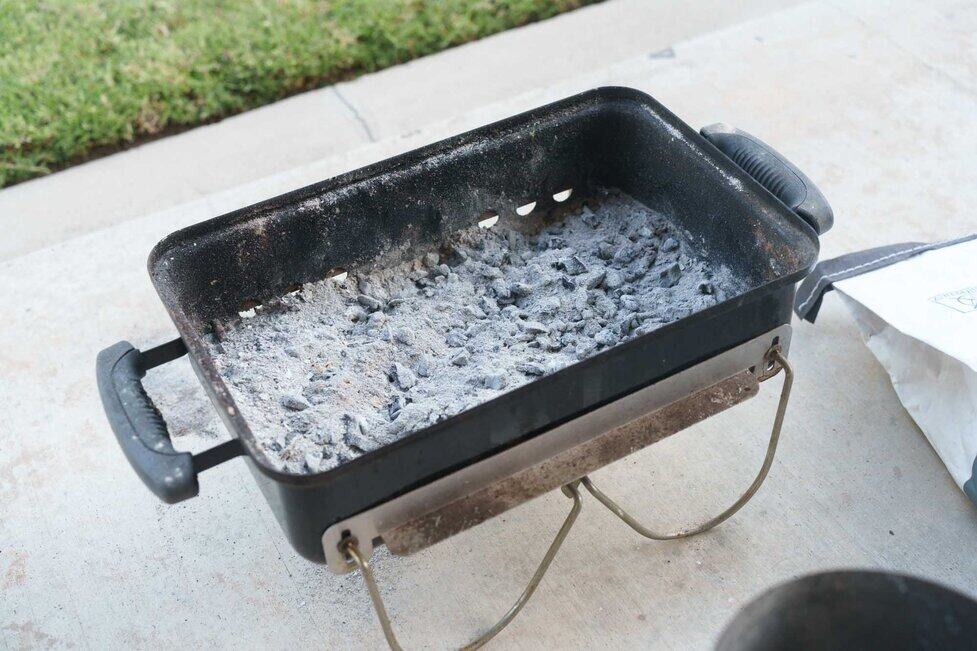
Ash blocks airflow and lowers heat. Remove ash regularly during long cooks. Use an ash tool or scoop to clear vents and grate areas. Keep the firebox clean for better oxygen flow. Less ash means stronger, more consistent heat throughout grilling.
Credit: www.hungryhuy.com
Common Mistakes To Avoid
Uneven charcoal piles cause hot and cold spots on the grill. Avoid stacking too tightly or spreading coals too thin. Leaving gaps for airflow helps maintain steady, even heat throughout cooking.
Arranging charcoal correctly is crucial for achieving even heat and a perfect grill. However, many backyard chefs unknowingly make mistakes that can lead to uneven cooking, flare-ups, or worse, a disappointing barbecue. By being aware of these common pitfalls, you can ensure your grilling sessions are smooth and successful.Overloading Charcoal
Adding too much charcoal may seem like a quick way to increase heat, but it can backfire. An overloaded grill can cause flare-ups, leading to burnt food and uneven cooking. Instead, measure out the amount of charcoal you need based on your grilling surface and the type of food you’re cooking. Consider using a charcoal chimney starter to gauge the right quantity. This simple tool can help you avoid the temptation to pile on excess coals. Remember, more isn’t always better when it comes to grilling.Uneven Piles
Have you ever noticed some parts of your grill are scorching while others are barely warm? This often happens due to uneven charcoal distribution. Spreading your charcoal in uneven piles creates hot and cold spots, making it hard to cook your food evenly. Try arranging your charcoal in a single, even layer or a two-zone setup for direct and indirect cooking. This technique gives you better control over your cooking temperatures and allows you to sear and slow-cook simultaneously.Ignoring Vent Control
Ignoring the vents on your grill is like driving a car without understanding how to use the pedals. Vents control the airflow and, consequently, the temperature inside your grill. Open vents increase airflow and heat, while closed vents reduce them. Keep an eye on your grill’s thermometer and adjust the vents accordingly to maintain your desired temperature. Proper vent management can make the difference between a perfectly cooked steak and a charred disaster. Are you making any of these mistakes with your charcoal arrangement? Recognizing and correcting them can turn your next grilling experience from frustrating to fabulous.Tools And Accessories For Better Grilling
Getting even heat from your charcoal isn’t just about how you pile the coals; the right tools can make a huge difference. Having the proper accessories helps you control the fire better and keeps your grilling experience safer and more enjoyable. Let’s look at some essential tools that can improve how you arrange and manage charcoal for consistent heat.
Charcoal Baskets
Charcoal baskets keep your coals neatly contained, allowing air to circulate evenly around them. This design promotes steady, consistent heat across your grill. If you’ve struggled with hot spots or uneven cooking, using a basket might be the solution you need to maintain a controlled fire.
They also make adding or removing coals easier without disturbing the entire setup. Plus, cleaning up after grilling becomes a quicker task with less mess.
Heat-resistant Gloves
Handling hot charcoal or adjusting vents can be risky without proper protection. Heat-resistant gloves give you the confidence to move coals, rearrange the fire, or even adjust grill parts safely. I once burned my hand trying to shift coals with bare hands, and since then, gloves have been a non-negotiable part of my grilling kit.
Look for gloves that cover your wrists and are made from materials like Kevlar or silicone for the best heat protection.
Grill Thermometers
Knowing the exact temperature inside your grill helps you adjust the charcoal placement for even heat distribution. Built-in grill thermometers are often unreliable, so an external digital thermometer can give you accurate readings. This lets you move coals around or adjust vents before the temperature swings too much.
Some thermometers even come with probes that you place near the food and others that monitor grill heat, giving you a full picture of your cooking environment.
Credit: www.hungryhuy.com
Frequently Asked Questions
How Do You Arrange Charcoal For Even Heat?
To arrange charcoal for even heat, spread the briquettes in a single, uniform layer. Avoid piling them up. This ensures consistent airflow and temperature across the grill.
What Is The Best Charcoal Layout For Grilling?
The best layout is a two-zone setup: one side with more coals for direct heat, the other with fewer for indirect cooking. This allows easy temperature control and prevents burning.
How Long Should Charcoal Burn Before Cooking?
Let charcoal burn until covered with white-gray ash, usually 15-20 minutes. This indicates optimal heat and reduces flare-ups during cooking.
Can Charcoal Arrangement Affect Cooking Temperature?
Yes, proper charcoal arrangement controls heat zones and temperature consistency. Spacing coals evenly creates steady heat, while clustering them increases intensity in specific areas.
Conclusion
Arranging charcoal for even heat makes grilling easier and tastier. Spread the coals evenly to cook food well and avoid hot spots. Use a chimney starter to light charcoal quickly and safely. Watch the coals carefully and add more as needed to keep steady heat.
This simple step helps you enjoy better flavor every time. Keep practicing, and soon you’ll grill with confidence and ease. Remember, good charcoal arrangement saves time and improves your cooking results.

