
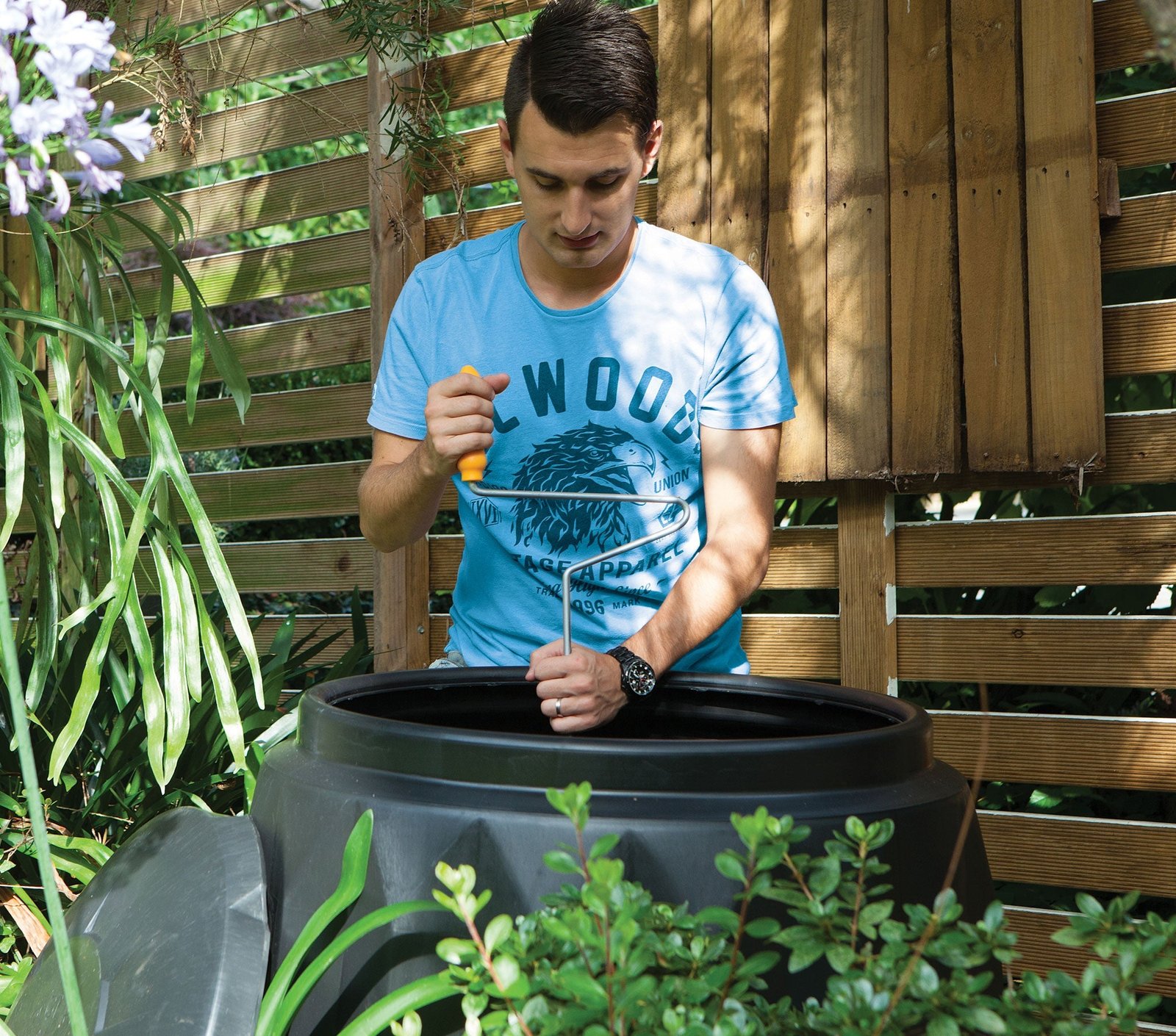
Are you struggling with a smelly, slow compost bin? The secret to faster, healthier compost lies in one simple step: aeration.
When you learn how to aerate a compost bin properly, you’ll speed up the breakdown process and avoid unpleasant odors. You’ll discover easy, practical tips to keep your compost fresh and efficient. Ready to transform your compost bin into a nutrient-rich treasure?
Let’s dive in and make your composting efforts truly rewarding.
Credit: www.urbanrevolution.com.au
Why Aeration Matters
Aeration is key to healthy compost. It helps materials break down faster and keeps the pile fresh. Without enough air, compost can become smelly and slow to decompose. Knowing why aeration matters helps you keep your compost bin working well.
Role Of Oxygen In Composting
Oxygen fuels the composting process. It feeds the tiny organisms that break down organic matter. These microbes need air to survive and do their job. Without oxygen, composting turns slow and less effective.
Effects On Microbial Activity
Good airflow boosts microbe activity. Active microbes heat up the pile and speed decay. Lack of oxygen forces microbes to switch to slower, less efficient methods. This slows composting and harms the quality of the compost.
Avoiding Odors And Pests
Proper aeration stops bad smells. When air is low, waste turns smelly and sour. Good airflow also keeps pests away. Flies and rodents prefer damp, smelly compost. Fresh air makes your bin less attractive to them.
Signs Your Compost Needs Aeration
Knowing when your compost needs aeration is key to healthy breakdown. Compost that lacks air slows the process and can create problems. Watch for clear signs to keep your compost active and fresh.
Slow Decomposition
Compost should break down steadily. If it stays the same for weeks, it needs air. Lack of oxygen slows the microbes that decompose waste. Turning or mixing the pile adds the needed oxygen.
Unpleasant Smells
A healthy compost smells earthy and fresh. Bad odors like rotten eggs or ammonia mean poor airflow. These smells come from too much moisture and little oxygen. Aerate to refresh and balance the pile.
Compacted Material
Compost should feel loose and crumbly. Dense, heavy clumps stop air from reaching inside. This compaction blocks microbes from working well. Breaking up the material lets air flow and speeds decomposition.
Tools For Aerating Compost
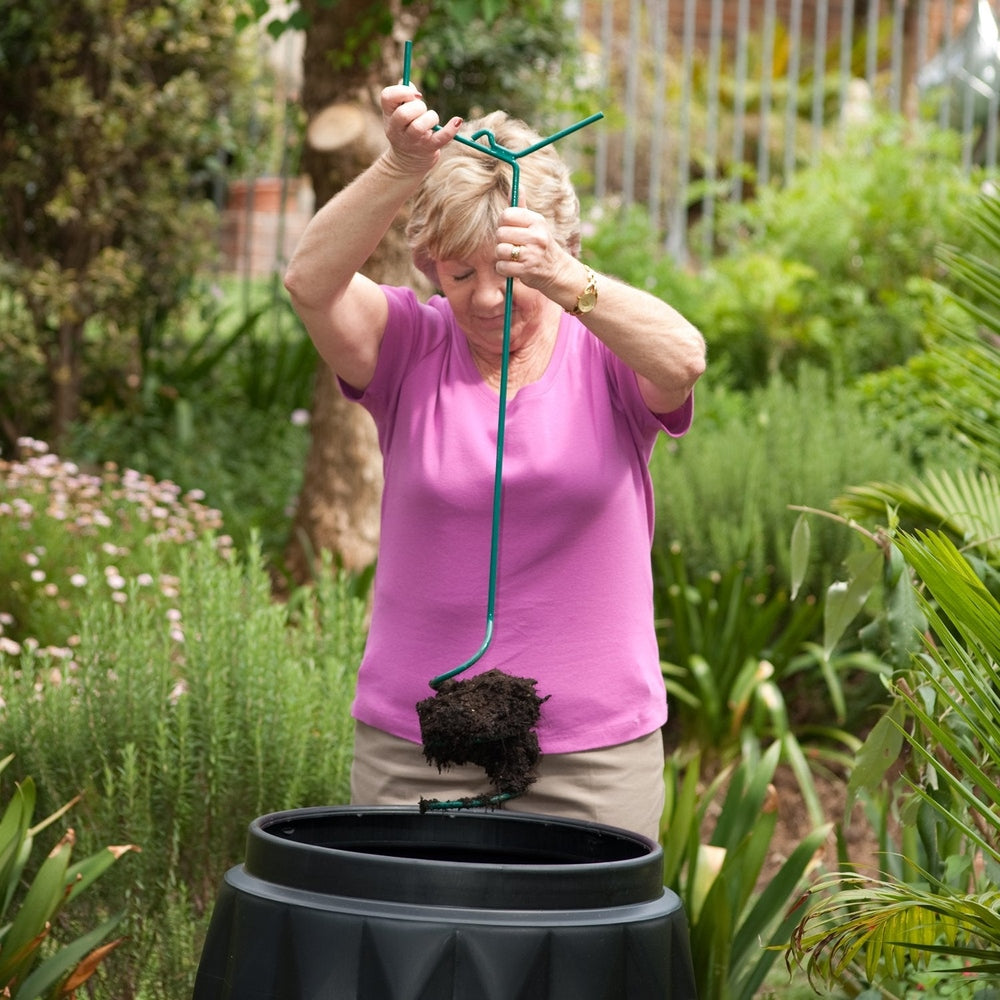
A garden fork or compost aerator tool helps mix and loosen compost for better airflow. Regular turning with these tools speeds up decomposition and reduces odor. Simple tools make aerating easy and keep compost healthy.
Aerating your compost bin helps speed up decomposition. It ensures oxygen reaches all parts of the pile. Various tools can help you achieve this. Each tool has its own benefits. Choosing the right one depends on your compost size and personal preference.Pitchforks And Garden Forks
A pitchfork is a common tool for compost aeration. Its long handle and wide tines make it effective. It’s perfect for turning large compost piles. A garden fork is similar but smaller. It works well for smaller bins. Both tools help mix and fluff your compost easily. They are durable and easy to use.Compost Aerators And Turners
Compost aerators are designed for this task. They have spiral or winged blades. These blades help break up clumps and introduce air. Compost turners often come with handles for easy turning. They are user-friendly and save effort. These tools are great for medium-sized bins.Diy Aeration Tools
You can create DIY aeration tools at home. An old broom handle works as a simple aerator. Drill holes along its length to improve air flow. Use it to poke holes in the compost. Another option is a PVC pipe with holes. Insert it into the pile to allow air in. These homemade tools are cost-effective and easy to make.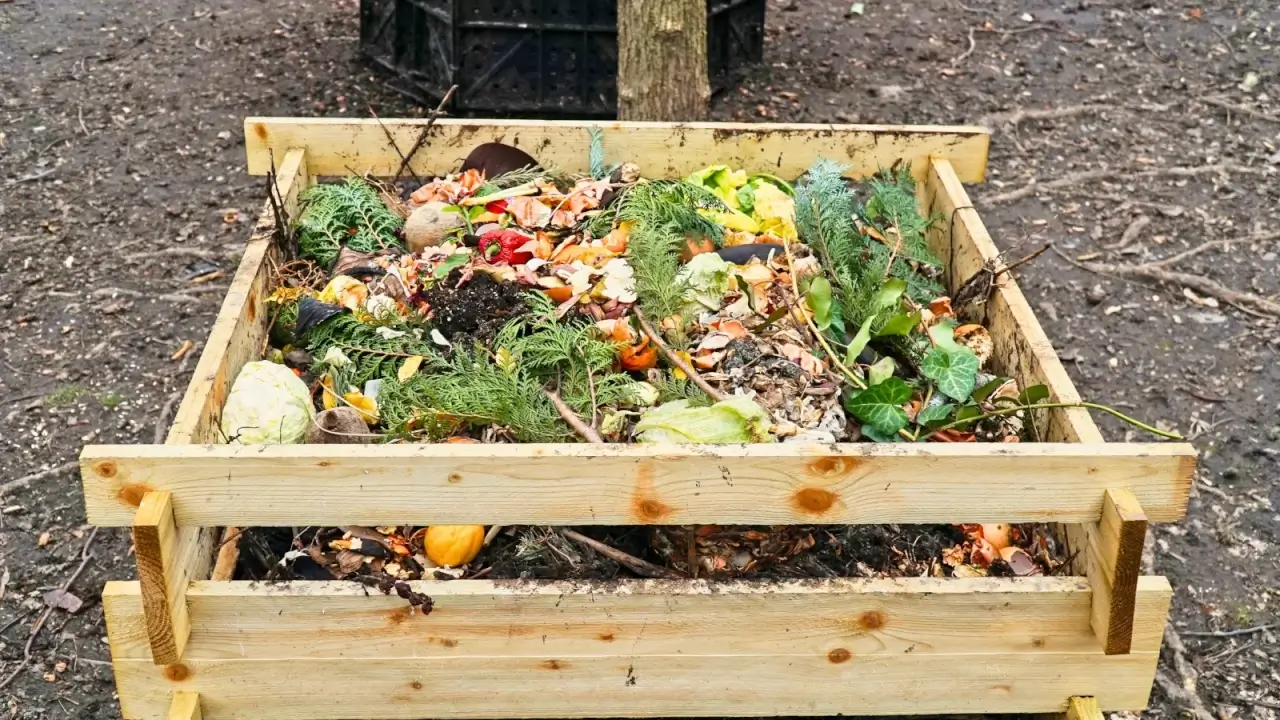
Credit: modernfarmer.com
Step-by-step Aeration Process
Aerating your compost bin is essential for speeding up decomposition and preventing unpleasant odors. The process involves introducing air into the compost pile, which helps the beneficial microbes thrive. Let’s break down the aeration process into clear, actionable steps so you can keep your compost healthy and productive.
When To Aerate
You should aerate your compost whenever it starts to look compacted or smells sour. A good rule of thumb is to check your bin every 1-2 weeks. If you notice the pile feels dense or if moisture builds up, it’s time to turn it.
Signs like a strong ammonia smell or slow decomposition indicate poor airflow. Catching these early helps you avoid a slimy, smelly mess. Have you ever opened a compost bin and been hit with a bad odor? That’s your cue to aerate.
How To Turn Compost Properly
Turning compost means mixing the materials to add air and redistribute moisture. Use a garden fork or compost aerator tool to lift and stir the pile gently. Avoid just stirring the surface; dig into the center and bring the outer layers inward.
Work in a circular motion and break up any clumps. This helps oxygen reach all parts of the pile. Make sure to turn the compost at least once every two weeks, but more often if you’re eager to speed up the process.
Maintaining Moisture Levels
Moisture is as important as air for compost health. Your compost should feel like a wrung-out sponge—damp but not soaking wet. If it’s too dry, microbes slow down; too wet, and the pile can become anaerobic, producing bad smells.
After turning, check the moisture level and add water in small amounts if needed. Covering your compost bin during heavy rain or dry spells helps keep moisture balanced. How often do you check your compost’s moisture? This small habit can make a big difference.
Improving Aeration Naturally
Improving aeration naturally in your compost bin is essential for keeping the decomposition process healthy and odor-free. Proper airflow helps microbes break down materials faster and prevents your pile from turning into a soggy mess. You don’t need fancy tools to boost aeration; simple adjustments with materials you already have can make a big difference.
Adding Bulky Materials
Bulky materials like small branches, straw, or crumpled cardboard create air pockets in your compost. These spaces allow oxygen to flow freely, which is vital for aerobic bacteria. I once added dry twigs to my bin and noticed the compost stayed drier and broke down quicker.
Try mixing in a handful of these bulky items every time you add food scraps. This keeps your pile fluffy and well-ventilated without extra effort.
Layering Techniques
Layering your compost with alternating wet and dry materials can improve air circulation naturally. Start with a base of coarse, dry items, then add a layer of green, moist scraps, and repeat. This pattern prevents compaction and helps oxygen reach all parts of the pile.
Have you ever thought about how a sandwich works? Layering like that in your compost creates a balanced environment for microbes to thrive. You’ll see less smell and faster breakdown when you get your layers right.
Using Aeration Pipes
Inserting perforated pipes vertically into your compost bin can enhance airflow deep inside the pile. You can use materials like PVC pipes with holes drilled along their length. These pipes act like chimneys, drawing fresh air into the center where it’s needed most.
I built a simple aeration pipe setup last season and found it cut down on turning my compost manually. It’s a low-maintenance way to keep oxygen moving through dense materials and speed up decomposition.
Credit: canadale.ca
Common Aeration Mistakes To Avoid
Aerating a compost bin is vital for healthy decomposition. Mistakes during aeration can slow down the process or cause odors. Avoid these common errors to keep your compost active and fresh.
Overturning Too Often
Turning the compost too frequently can disrupt the natural breakdown. Microorganisms need time to work. Overturning removes heat and slows decomposition. Aim to aerate every 1 to 2 weeks.
Ignoring Moisture Balance
Proper moisture keeps microbes alive. Too much water causes bad smells and rotting. Too little water stops decomposition. Check moisture regularly. The compost should feel like a damp sponge.
Using The Wrong Tools
Using improper tools can damage the compost structure. Avoid compacting the pile with heavy tools. Use a garden fork or aeration tool. These help mix materials without crushing them.
Boosting Compost Speed With Aeration
Aeration plays a key role in speeding up the composting process. By adding air, oxygen reaches the microbes that break down organic waste. These microbes work faster and produce less bad smell. Turning or stirring the compost bin regularly helps keep the air flowing well. This simple action can reduce compost time from months to weeks.
Combining Aeration With Temperature Control
Good airflow supports heat build-up inside the compost. Heat speeds up microbe activity and breaks down waste faster. Without enough air, heat drops and slows composting. Check the bin temperature often. Aim for 130°F to 160°F for best results. Stir the pile if it gets too cool or too hot. Proper aeration keeps the heat just right.
Balancing Green And Brown Materials
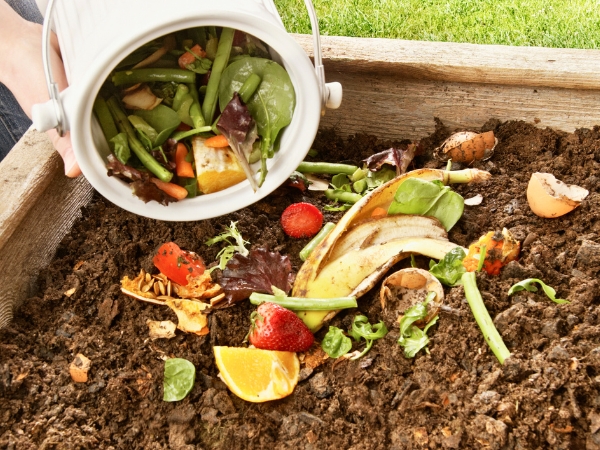
Aeration works best with the right mix of materials. Greens like vegetable scraps add moisture and nitrogen. Browns like dry leaves add carbon and keep the pile airy. Too many greens make compost wet and smelly. Too many browns slow decomposition. Mixing greens and browns well helps air move freely and microbes thrive.
Monitoring Progress
Watch your compost to see how aeration affects it. Look for crumbly texture and a nice earthy smell. If the pile feels soggy or smells bad, add more browns and turn it. Use a garden fork or compost aerator tool to stir. Track the temperature and moisture regularly. Adjust aeration and material balance for steady progress.
Frequently Asked Questions
How Often Should I Aerate My Compost Bin?
Aerate your compost bin every 1 to 2 weeks. Regular turning helps introduce oxygen, speeding decomposition and reducing odors. This keeps the compost healthy and prevents it from becoming compacted or smelly.
What Tools Are Best For Aerating Compost Bins?
A garden fork or compost aerator tool works best. These tools help you turn and fluff the compost easily. Avoid using heavy equipment that can damage the bin or disturb the compost layers.
Can Aerating Compost Prevent Bad Odors?
Yes, aeration reduces bad odors by increasing airflow. Oxygen limits anaerobic bacteria that cause smells. Regular turning keeps your compost fresh and odor-free.
Is Aerating Compost Necessary For All Bin Types?
Most compost bins benefit from aeration, especially closed or tumbler types. Open compost piles naturally get air, but turning still helps speed up breakdown and keeps materials balanced.
Conclusion
Aerating your compost bin helps speed up the breakdown process. It lets air reach the materials inside. This keeps the compost healthy and stops bad smells. Turn or stir your compost regularly for best results. Use simple tools or just a pitchfork.
Keep your compost moist but not too wet. Healthy compost means rich soil for your garden. Try aerating often and watch your compost improve. It’s a small step with big benefits. Happy composting!

