
If you love grilling, you know that getting the heat just right can make all the difference. But what if your pellet grill isn’t cooking evenly?
Learning how to adjust heat zones on your pellet grill can transform your grilling game. You’ll get perfectly cooked meals every time, with juicy steaks, tender ribs, and crispy veggies all in one go. You’ll discover simple steps to control heat zones like a pro, so you can impress your friends and family with mouthwatering dishes.
Ready to master your pellet grill? Let’s dive in!
Credit: www.businessinsider.com
Basics Of Pellet Grill Heat Zones
Understanding heat zones on a pellet grill helps improve cooking results. These zones let you cook food at different temperatures at the same time. It allows you to sear, smoke, and roast using one grill. Knowing how to control these heat zones is key for delicious meals.
What Are Heat Zones
Heat zones are areas on the grill with different temperatures. Some parts get very hot, while others stay cooler. This happens because the heat source and air flow vary inside the grill. You can use this to cook food in stages. For example, start with high heat to sear meat, then move it to a cooler zone to finish cooking.
Importance Of Heat Control
Controlling heat zones prevents food from burning or undercooking. It gives you better control over texture and flavor. Different foods need different heat levels to cook well. Heat control also saves fuel by using the right temperature for each task. It helps cook food evenly and keeps it juicy.
Common Pellet Grill Heat Settings
- Low Heat (180°F – 225°F): Ideal for smoking and slow cooking.
- Medium Heat (225°F – 350°F): Good for baking and roasting vegetables.
- High Heat (350°F – 450°F+): Perfect for searing steaks and burgers.
Adjusting these settings creates distinct zones on the grill. This flexibility lets you cook multiple foods at once. Learning these basics makes grilling easier and more fun.
Setting Up Your Pellet Grill
Setting up your pellet grill properly ensures even cooking and better flavor. This step creates the base for adjusting heat zones effectively. A well-prepped grill leads to consistent temperatures and improved smoke control. Follow these simple steps to prepare your pellet grill for the best results.
Choosing The Right Pellets
Select pellets that match your cooking style and taste preference. Hardwood pellets like hickory, oak, or maple offer different smoke flavors. Avoid softwood pellets; they create too much ash and poor smoke. Use high-quality pellets for cleaner burns and steady heat. Store pellets in a dry place to keep them fresh and effective.
Preparing The Grill For Use
Clean the grill thoroughly before every use. Remove old ashes and debris from the firepot and grill surface. Check the hopper to ensure it is free from dust or leftover pellets. Fill the hopper with fresh pellets to avoid jams and inconsistent burning. Inspect and clean the drip tray to prevent flare-ups and maintain airflow.
Initial Temperature Calibration
Turn on the grill and set it to a medium temperature, around 225°F. Let the grill run for 15-20 minutes to stabilize the heat. Use a reliable grill thermometer to check the temperature inside the cooking chamber. Adjust settings if the temperature fluctuates too much. This calibration helps you understand how your grill behaves before cooking.
Adjusting Heat Zones Manually
Adjusting heat zones manually on a pellet grill gives you better control over cooking. It helps create different temperatures in one grill. This way, you can cook various foods at once. Manual adjustment makes your grilling more precise and enjoyable.
Using The Control Panel
The control panel is the main tool for setting heat zones. Use it to set the temperature for different areas. Most panels have buttons or dials for easy changes. Check the temperature readout to ensure accuracy. Adjust the settings slowly to avoid sudden temperature spikes.
Modifying Pellet Feed Rate
The pellet feed rate controls how many pellets burn at once. Increase the feed rate to raise the heat. Lower it to reduce the temperature. Small changes can affect the cooking zones a lot. This method helps create hotter or cooler spots inside the grill.
Adjusting Airflow And Dampers
Airflow changes how fire burns in the grill. Open dampers more for a hotter fire. Close them slightly to cool down the zones. Proper airflow keeps the heat steady and even. Adjust dampers carefully to balance temperature across the grill.
Credit: bbqing.com
Creating Multiple Heat Zones
Creating multiple heat zones allows cooking different foods at varied temperatures simultaneously. Adjust the grill’s settings or use physical barriers to separate hot and cool areas. This technique helps achieve perfect cooking results and saves time.
Creating multiple heat zones on a pellet grill is a helpful skill. It lets you cook different foods at the same time. Each food has its own cooking needs. By adjusting heat zones, you can ensure everything cooks perfectly. Here’s how to create these zones effectively.Direct Vs Indirect Heat Areas
Direct heat areas cook food quickly. Place food directly above the heat source. This is ideal for searing steaks and burgers. Indirect heat areas cook food slowly. Place food away from the heat source. This is perfect for roasting and baking.Positioning Food For Optimal Cooking
Place thicker meats in indirect heat areas. They need more time to cook. Use direct heat areas for smaller, thinner items. This prevents them from overcooking. Adjust food positions based on cooking times. This ensures everything is ready together.Using Heat Deflectors And Accessories
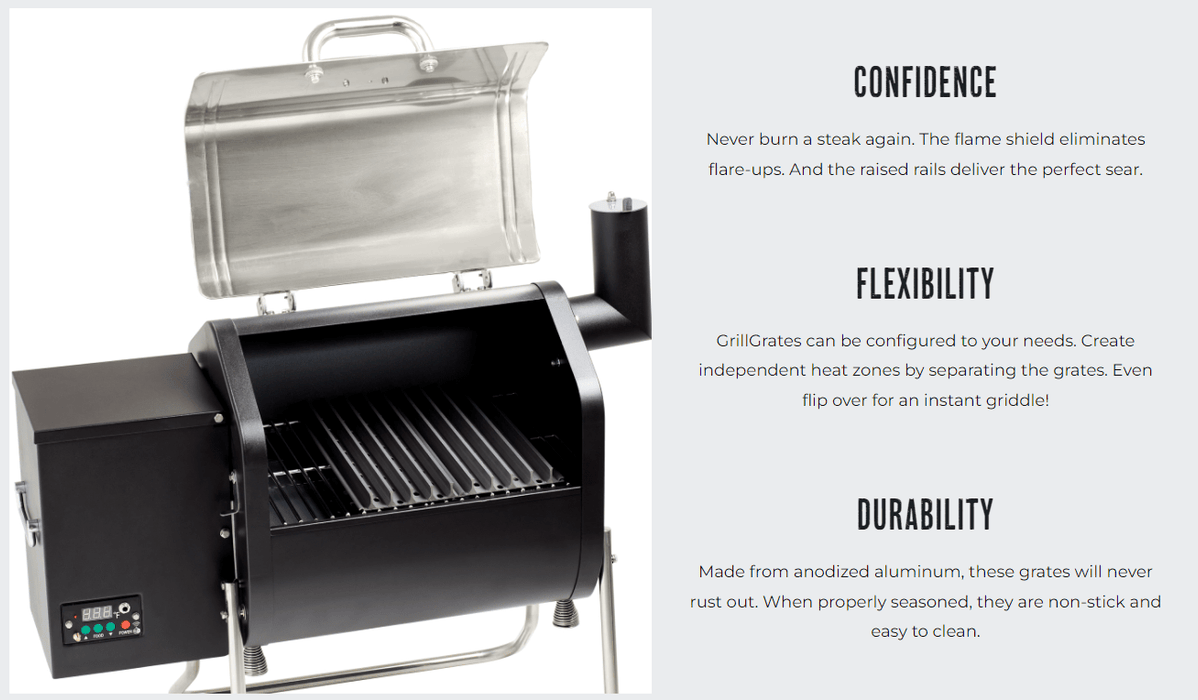
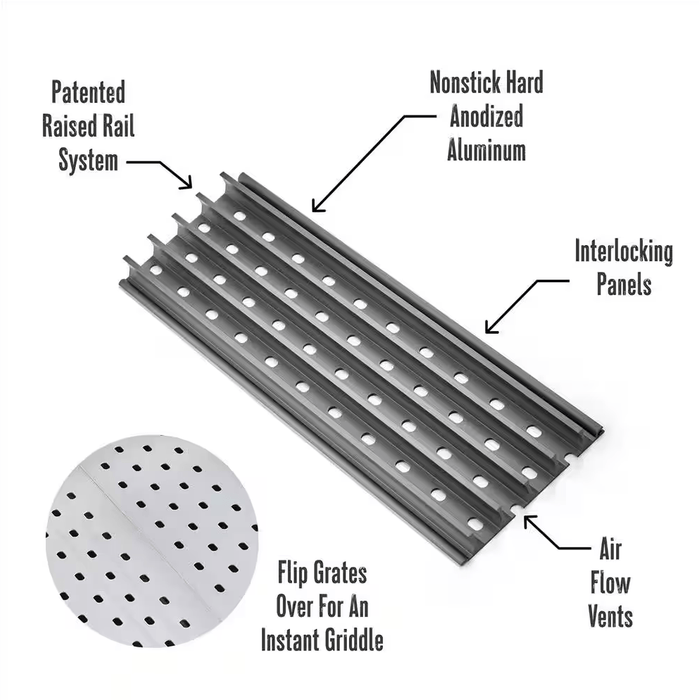
Heat deflectors are useful tools. They help create indirect heat zones. Place them between the heat source and food. This spreads the heat evenly. Accessories like grill grates can also help. They elevate food and allow for better heat distribution.Troubleshooting Heat Zone Issues
Heat zones on a pellet grill are vital for cooking your food evenly and achieving the perfect texture and flavor. However, sometimes you might face issues like uneven cooking or sudden temperature changes. Understanding how to troubleshoot these problems will help you get the most out of your grill and avoid frustrating results.
Uneven Cooking Problems
Have you noticed some parts of your food cooking faster than others? Uneven cooking often happens because heat doesn’t spread evenly across the grill surface. This can be due to blocked vents, dirty heat deflectors, or incorrect placement of your food.
Try rearranging your grill racks or moving your food around during cooking to balance the heat. Also, check if grease or debris is blocking airflow inside the grill. Cleaning these parts regularly can improve heat distribution significantly.
Temperature Fluctuation Causes
Fluctuating temperatures can make it hard to maintain consistent cooking. This often happens if the pellet feed system is jammed or if pellets are damp and not burning steadily. Another cause could be a faulty temperature probe giving inaccurate readings.
Make sure your pellets are dry and stored properly. Inspect the auger for any jams and clear them immediately. Consider testing your grill’s temperature sensor with a separate thermometer to verify accuracy.
Fixing Hot And Cold Spots
Hot and cold spots are common on pellet grills but can be managed with some adjustments. You can try adding a heat deflector plate or repositioning the drip tray to even out heat distribution. Using a cast iron griddle or pizza stone can also help absorb and spread heat more uniformly.
Have you experimented with moving your food to different grill zones during cooking? Shifting items between hotter and cooler areas can prevent burning and undercooking. It’s about learning your grill’s unique heat map and adapting your cooking style accordingly.
Credit: www.chadwicksandhacks.com
Advanced Tips For Heat Management
Managing heat zones on your pellet grill can take your cooking to a whole new level once you move beyond the basics. Advanced heat management lets you create perfect sear marks, slow smoke delicate cuts, and even multi-zone cooking all at once. These tips will help you control your grill’s temperature more precisely and make your outdoor cooking experience smoother and more enjoyable.
Using Wi-fi And Smart Controls
Modern pellet grills often come with Wi-Fi connectivity and smart control apps. These tools let you monitor and adjust temperatures remotely, giving you more freedom to focus on prepping your sides or entertaining guests. Have you tried setting different temperature zones from your phone? It’s a game-changer for multitasking and fine-tuning heat without opening the lid.
Smart controls also provide real-time alerts and cooking logs. This data helps you understand your grill’s behavior and improve your heat management strategies over time. Plus, you can experiment with temperature profiles and save your favorites for repeat sessions.
Experimenting With Pellet Blends
Not all pellets burn the same way. Mixing different wood pellets can influence both the flavor and the heat output of your grill. For example, blending hickory with fruitwood pellets can create a balanced smoke and moderate heat that suits poultry or pork.
Try small batches with different blends to see how they affect temperature stability and smoke intensity. Have you noticed how some pellets produce hotter, longer-lasting flames? Adjusting your pellet mix lets you customize heat zones naturally without fiddling with the grill’s settings.
Seasonal Adjustments For Consistency
Weather changes affect your pellet grill’s heat zones more than you might expect. Cold, windy, or humid conditions can cause temperature fluctuations that challenge consistent cooking. You’ll want to tweak your grill’s settings to compensate for these external factors.
On chilly days, increasing your pellet feed rate slightly can maintain steady heat. During humid summers, lowering the temperature a few degrees might prevent overcooking. Have you tracked how your grill behaves in different seasons? Making these adjustments keeps your results reliable year-round.
Frequently Asked Questions
How Do I Create Multiple Heat Zones On A Pellet Grill?
To create multiple heat zones, adjust the grill’s temperature settings and use a water pan or heat deflector. This helps separate direct and indirect cooking areas for versatile grilling.
What Is The Best Way To Control Temperature On A Pellet Grill?
Use the digital control panel to set precise temperatures. Adjust the pellet feed rate and airflow to maintain consistent heat for even cooking.
Can I Adjust Heat Zones Without Moving Food?
Yes, adjusting temperature settings and using accessories like heat deflectors can change heat zones without relocating food. This ensures consistent cooking zones for different recipes.
Why Does My Pellet Grill Have Uneven Heat Zones?
Uneven heat can result from poor pellet quality, blocked airflow, or dirty components. Regular cleaning and quality pellets improve heat distribution across zones.
Conclusion
Adjusting heat zones on your pellet grill makes cooking easier and more fun. You can cook different foods at the same time without worries. Remember to check the temperature often for best results. Small changes can help you get perfect heat every time.
Practice will help you feel confident with your grill. Keep your grill clean and well-maintained for longer use. Enjoy great meals with even heat and tasty flavors. Try different settings to find what works best for you. Happy grilling!

