
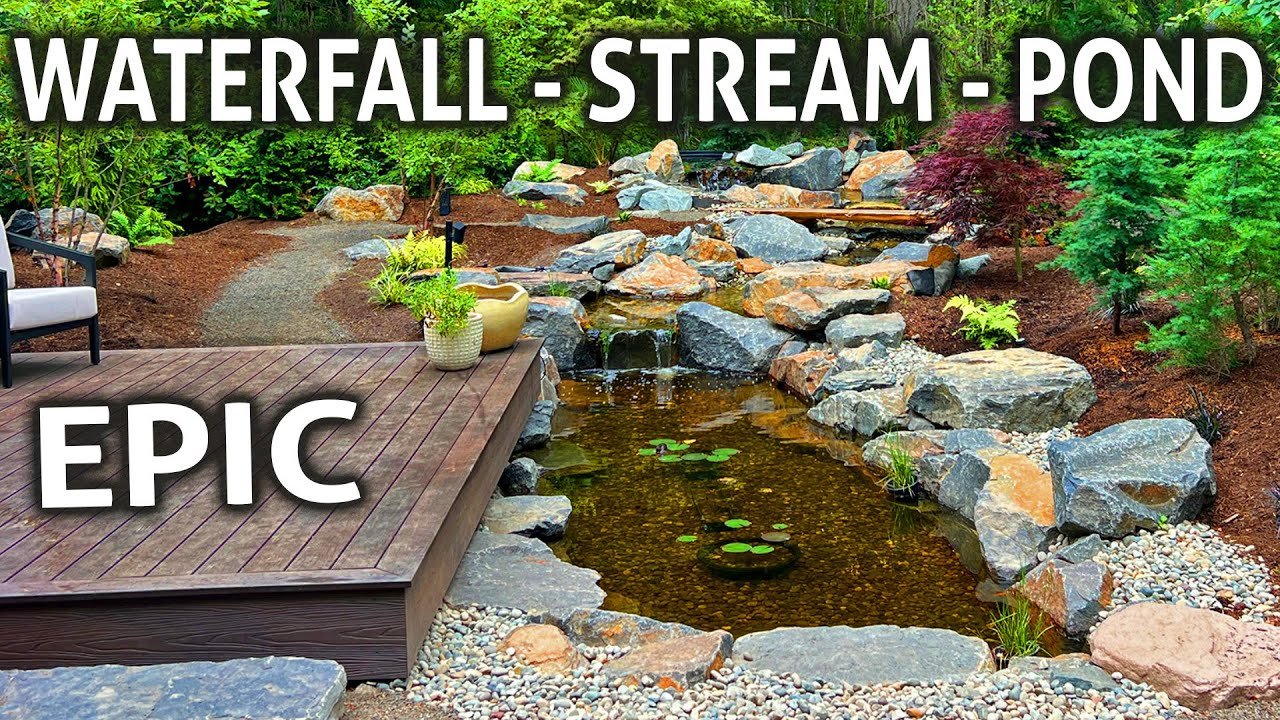
Are you looking to make your pond more beautiful and relaxing? Adding a waterfall is one of the best ways to do that.
Imagine the soothing sound of water gently flowing, creating a peaceful spot right in your backyard. But how do you add a waterfall to your pond without any hassle? In this guide, you’ll discover simple steps to transform your pond into a stunning water feature.
By the end, you’ll have all the tips you need to bring that calming, natural vibe to your outdoor space. Ready to get started? Let’s dive in!
Choosing The Right Location
Choosing the right location for your waterfall is crucial to ensure it looks natural and functions well. The spot you pick affects the water flow, the overall aesthetic, and how much effort you’ll spend on maintenance. Think about your pond’s shape, surrounding landscape, and how you want the waterfall to complement your outdoor space.
Consider The Pond’s Shape And Size
Your pond’s size will influence the waterfall’s scale. A small pond suits a gentle, narrow waterfall, while a larger pond can handle a more dramatic cascade.
Look at the pond’s edges—adding a waterfall to a corner or an irregular edge often creates a more natural appearance. Have you noticed how a waterfall positioned along a straight edge can feel artificial?
Check For Power Source Accessibility
Your waterfall pump needs electricity, so pick a location near a power outlet. Running long extension cords can be unsafe and unsightly.
Think about how you’ll hide wiring without spoiling the natural look. Can you bury cables underground or run them behind stones or plants?
Assess Sunlight And Shade Patterns
Sunlight affects algae growth and water evaporation. A waterfall in full sun might require more upkeep because warmer water encourages algae.
On the other hand, too much shade could limit plant growth around the waterfall. Where does your pond get morning sun, and where is it shaded in the afternoon?
Consider Viewing Angles And Noise Levels
Where do you spend most of your time outdoors? Position your waterfall where you can enjoy its soothing sounds and beautiful sight.
Also, think about neighbors or quiet areas. Would the waterfall’s noise enhance your relaxation or disturb others?
Evaluate The Terrain And Soil Stability
A stable, level spot simplifies building your waterfall and prevents future shifting or damage. Avoid areas with loose soil or steep slopes unless you’re prepared to reinforce them.
Have you checked the ground’s firmness by pressing or digging a small hole? This simple test can save you headaches later.

Credit: www.swelluk.com
Gathering Necessary Materials
Creating a beautiful waterfall for your pond starts with gathering the right materials. Having everything ready makes the installation smoother. It also ensures the waterfall works well and lasts long.
Focus on quality items that fit your pond size and style. Prepare tools and supplies to avoid interruptions. This preparation saves time and effort during the build.
Essential Tools For Building A Waterfall
- Shovel or spade for digging
- Wheelbarrow for moving soil and rocks
- Level to check even surfaces
- Utility knife for cutting liners
- Measuring tape to ensure proper dimensions
Materials Needed For The Waterfall Structure
- Waterfall liner or pond liner to hold water
- Rocks or stones for natural look
- Water pump to circulate water
- Flexible tubing to connect pump and waterfall
- Underlayment for protecting the liner
Choosing The Right Water Pump
Select a pump strong enough to lift water to your waterfall’s height. Check the flow rate, measured in gallons per hour (GPH). Match pump power with the size of your waterfall. A pump that is too weak will not create a good flow. One that is too strong wastes energy and can splash water outside the pond.
Designing The Waterfall
Designing the waterfall is a key part of creating a beautiful pond feature. The design affects how the water moves and sounds. It also shapes the overall look of your pond area.
Careful planning helps the waterfall fit naturally in your space. It balances size, height, and flow to create a relaxing atmosphere. Small details can make a big difference.
Determining The Height
The height of the waterfall changes the water’s speed and sound. A taller waterfall creates louder, faster water flow. A shorter one offers a softer, gentle sound.
Consider the pond size and surrounding plants when choosing height. Too high can look out of place. Too low may not be visible enough.
Think about safety too. Make sure the waterfall height is safe for children and pets. Also, check local rules if any height limits apply.
Planning Water Flow
Water flow controls how the waterfall looks and sounds. Strong flow creates a powerful, dramatic effect. Light flow offers a peaceful, calming feel.
Use a pump that fits your waterfall size. Match the pump’s flow rate with waterfall height for balance.
Test different flow speeds to find the right sound and movement. Adjust rocks or channels to guide water smoothly. Avoid splashing outside the pond to keep the area neat.
Building The Foundation
Building a solid foundation is the key to a beautiful waterfall in your pond. It supports the structure and ensures water flows smoothly. Careful preparation helps avoid leaks and damage.
Start with a clear plan. Know the size and shape of your waterfall base. This foundation holds the pump, rocks, and water. It must be stable and level.
Excavating The Area
Dig a shallow hole for the waterfall foundation. The hole should be wider than the waterfall base. Remove all roots, stones, and debris. The soil must be firm and even. Use a level tool to check flatness. A smooth base helps with stability.
Make sure the hole is deep enough to hold the liner and support materials. This space will also hold water and prevent leaks. Compact the soil by pressing it down. Loose soil can cause sinking later.
Lining The Foundation
Cover the excavated area with a pond liner. Choose a strong, waterproof liner made for ponds. Cut the liner to fit the hole with extra edges. This prevents water from escaping.
Place the liner carefully, smoothing out wrinkles. Secure edges with rocks or soil to hold it down. The liner acts as a barrier, stopping water from soaking into the ground. Check for holes or tears before continuing. Repair any damage with patch kits designed for pond liners.
Installing The Pump System
Installing the pump system is a key step to bring your pond waterfall to life. A well-chosen and properly set up pump ensures smooth water flow and keeps your waterfall looking vibrant. Let’s focus on how to pick the right pump and get your plumbing just right to avoid common pitfalls.
Selecting The Right Pump
Choosing the right pump depends on the height and width of your waterfall. You want a pump that moves enough water to create a steady flow without straining itself.
Look for pumps rated by gallons per hour (GPH). For example, a 3-foot waterfall usually needs about 600-800 GPH. If your waterfall is taller or wider, increase the pump capacity accordingly.
Consider energy efficiency and durability. I once picked a pump that was too weak, and the waterfall barely trickled. Upgrading to a stronger, energy-efficient model made a huge difference in water flow and reduced my electricity bill.
Setting Up The Plumbing
Proper plumbing setup ensures your pump works efficiently and your waterfall runs smoothly. Use flexible tubing that fits snugly on the pump outlet to avoid leaks and loss of pressure.
- Measure the distance from your pump to the waterfall’s top—this affects tubing length.
- Secure connections with hose clamps to prevent slips or water loss.
- Plan for a filter or skimmer in the system to keep debris out of the pump.
Think about accessibility for maintenance. I installed mine with a hidden valve that lets me easily shut off water flow during cleaning. Wouldn’t you want to avoid dismantling your entire setup just to fix a clog?
Constructing The Waterfall
Constructing the waterfall is where your pond truly comes alive. This process combines creativity with careful planning to create a stunning focal point. You’ll work with natural materials and water movement to make the waterfall look like it belongs in your landscape.
Arranging Rocks And Boulders
Start by selecting rocks and boulders of different sizes and shapes to create a balanced look. Larger boulders form the base, providing stability and structure, while smaller rocks fill gaps and add detail.
Place the biggest rocks first, ensuring they are stable and won’t shift when water flows over them. Think about how you want the water to cascade—flat surfaces create gentle streams, while jagged edges make splashes and sound.
Don’t be afraid to move the rocks around until the arrangement feels natural. Imagine how the rocks would look if they had been there for years. Are there spots where moss or plants could grow later? That adds realism.
Creating Natural Flow
Water should flow smoothly without pooling or splashing excessively. Direct the water over the rocks in a way that mimics natural waterfalls, letting it find its own path down the stones.
Adjust the pump’s flow rate to control the speed of the water. Too fast, and it looks forced; too slow, and it may not reach the pond properly. Observe how the water behaves and tweak the setup until it feels right.
Consider adding small ledges or shelves with flat stones to slow the water and create mini pools. This adds variety and sound to your waterfall, making it more engaging to watch and listen to.
Adding Finishing Touches
Adding finishing touches to your pond waterfall can transform it from a simple water feature into a stunning focal point in your garden. These final details not only enhance the beauty but also create a relaxing atmosphere that invites you to spend more time outside. Think about how you want your pond to feel—peaceful, lively, or magical—and let that guide your choices.
Incorporating Plants
Plants around your waterfall add life and soften the hard edges of rocks and water. Choose a mix of aquatic plants like water lilies and marginal plants such as cattails or irises to create natural layers.
Don’t forget about the surrounding area. Adding ferns, hostas, or ornamental grasses can create a seamless transition from your garden to the pond. Have you considered how plant colors and textures could change with the seasons? This can keep your waterfall visually interesting all year round.
Enhancing With Lighting
Lighting can completely change the mood of your pond after dark. Use LED spotlights to highlight the waterfall’s flow, or underwater lights to make the water sparkle.
Try installing solar-powered lights for an eco-friendly option that’s easy to set up. Think about layering your lights—use soft ambient lighting around the pond and brighter lights focused on the waterfall itself.
Have you experimented with colored lights? They can add a dramatic effect and make your pond a centerpiece during nighttime gatherings.

Credit: www.youtube.com
Maintaining The Waterfall
Maintaining your pond waterfall keeps it running smoothly and looking fresh. Regular care prevents clogs and damage. It also helps avoid costly repairs. Simple tasks done often save time and effort later.
Regular Cleaning Tips
Remove leaves and debris from the waterfall area. Use a small net or scoop for this job. Clean rocks and surfaces to prevent algae buildup. Scrub gently with a brush if needed. Check water clarity and replace water if it looks cloudy. Keep plants trimmed to stop them from blocking water flow.
Checking The Pump System
Inspect the pump for dirt and blockages regularly. Turn off the pump before cleaning. Clear the intake screen to keep water flowing well. Listen for unusual noises, which may signal issues. Make sure the pump is fully submerged in water. Test the water flow to ensure it is steady. Replace worn parts promptly to avoid breakdowns.

Credit: www.swelluk.com
Frequently Asked Questions
How Do I Start Adding A Waterfall To My Pond?
Begin by selecting a suitable location near your pond. Ensure you have access to electricity for the pump. Plan the waterfall size based on your pond dimensions. Purchase necessary materials like liners, rocks, and a pump. Follow safety guidelines and installation instructions carefully.
What Materials Are Needed For A Pond Waterfall?
You need a water pump, pond liner or preformed basin, rocks or stones, tubing, and a power source. Additional tools like shovels, levelers, and sealants help. Choose durable, weather-resistant materials suitable for outdoor water features to ensure longevity and safety.
How Much Does It Cost To Add A Waterfall To A Pond?
Costs vary by size and materials but typically range from $200 to $1,500. DIY projects can reduce expenses. Hiring professionals increases costs. Budget for pumps, rocks, liners, plumbing, and possible landscaping. Plan your budget based on feature complexity and quality.
Can A Waterfall Improve Pond Water Quality?
Yes, a waterfall aerates the water, increasing oxygen levels. This helps reduce algae growth and supports aquatic life. Improved circulation prevents stagnant water, promoting a healthier pond ecosystem. Regular maintenance ensures optimal water quality benefits from the waterfall.
Conclusion
Adding a waterfall brings beauty and sound to any pond. It helps keep water moving and fresh. You can choose different styles and sizes for your space. Simple tools and careful planning make the job easier. Enjoy watching the water flow and relax near your pond.
A waterfall adds life and peace to your outdoor area. Start small, learn, and enjoy the process. Your pond will become a favorite spot for all.

