
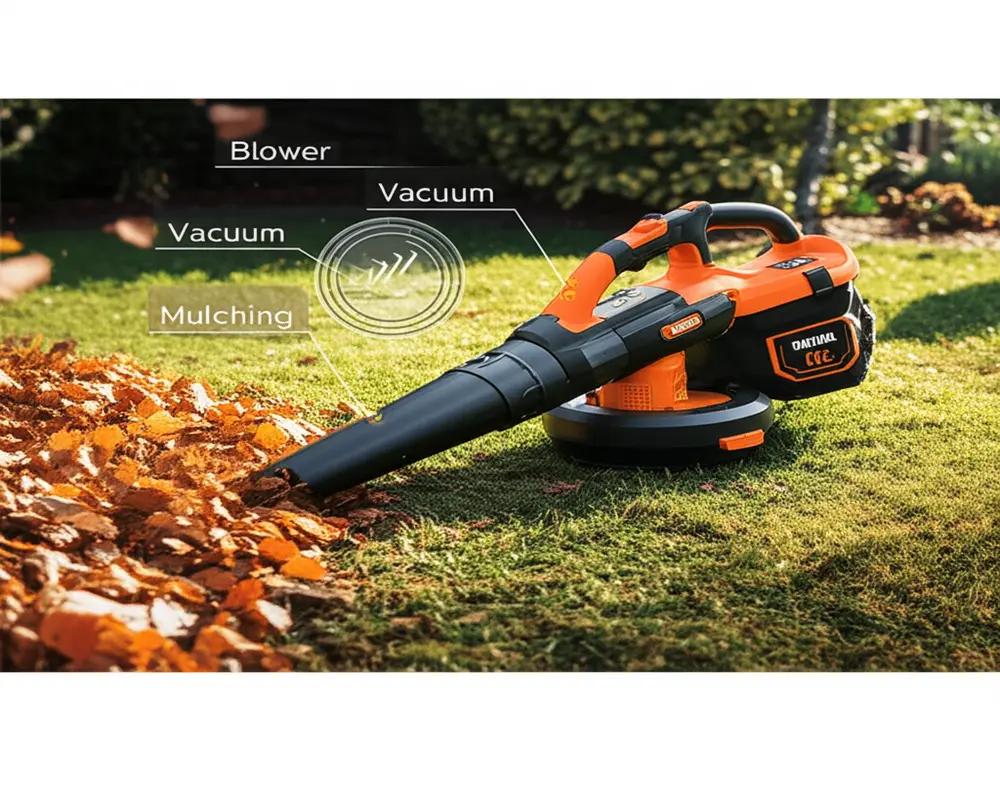
Are you wondering how often to maintain your leaf vacuum to keep it running smoothly? Taking good care of your leaf vacuum not only extends its life but also saves you time and money in the long run.
Ignoring maintenance can lead to poor performance or even costly repairs. You’ll discover simple tips to know exactly when and how to maintain your leaf vacuum, so it works like new every time you need it. Keep reading to protect your investment and enjoy hassle-free yard cleanup.

Credit: www.angi.com
Signs Your Leaf Vacuum Needs Maintenance
Leaf vacuums help keep your yard clean by picking up leaves quickly. Like any tool, they need regular care to work well.
Watch for signs that your leaf vacuum needs maintenance. Fixing problems early can keep it running longer.
Reduced Suction Power
If your leaf vacuum is not sucking leaves like before, it may need maintenance. Less suction means it cannot pick up leaves properly.
Reduced suction can happen from clogged tubes or worn parts. Check for blockages or damage to improve performance.
Unusual Noises
Strange sounds from your leaf vacuum can mean trouble. Grinding, rattling, or squeaking noises show parts might be loose or broken.
Stop using the vacuum if you hear odd noises. Inspect it to find the source and fix it before more damage happens.
Visible Wear And Tear
Look closely at your leaf vacuum for cracks, dents, or broken parts. These signs show the vacuum needs repair or replacement parts.
Worn belts, torn bags, and cracked tubes reduce the vacuum’s efficiency. Replace damaged parts to keep it working well.
Clogged Filters And Tubes
Filters and tubes can fill with dirt and leaves over time. Clogs reduce airflow and make the vacuum less effective.
Regularly check and clean filters and tubes. This keeps your leaf vacuum running smoothly and prevents damage.
- Remove leaves and debris from tubes
- Wash or replace filters as needed
- Inspect for blockages inside the vacuum

Credit: www.the-sun.com
Routine Maintenance Tasks
Keeping your leaf vacuum in good shape is important for its performance. Regular maintenance helps it last longer and work better.
Performing routine tasks can prevent damage and save you money on repairs. Here are some key maintenance steps.
Cleaning The Filters
Filters block dirt and debris from entering the motor. Clean them often to keep airflow steady.
Remove the filter and tap it gently to remove dust. Wash it with water if it is very dirty. Let it dry completely before putting it back.
Checking And Replacing Blades
Blades shred leaves and debris inside the vacuum. Check them for damage or dullness regularly.
If blades are bent or dull, replace them. Sharp blades improve vacuum power and reduce strain on the motor.
Emptying The Collection Bag
Leaves fill the collection bag during use. Empty it often to avoid blockages and maintain suction.
Check the bag after every use. Clean the bag if it has holes or tears. Replace if needed to keep debris contained.
Inspecting The Motor And Electrical Parts
Look over the motor and wires for signs of wear or damage. Loose parts can cause problems or safety risks.
Keep the motor clean and dry. If you see frayed wires or hear unusual sounds, stop using the vacuum and get it checked.
Recommended Maintenance Frequency
Keeping your leaf vacuum in good shape helps it work well. Regular maintenance stops problems early.
Different parts need care at different times. Follow these tips to maintain your leaf vacuum.
After Each Use
Clean the leaf vacuum right after you use it. Remove leaves and debris from the machine.
Check the bag or container and empty it if full. This keeps the vacuum working smoothly next time.
- Empty leaf bag or container
- Clear any stuck leaves or dirt
- Wipe down the outside of the vacuum
- Check for loose screws or parts
Monthly Checks
Look over your leaf vacuum each month. Check important parts for wear or damage.
Inspect the vacuum hose and filters. Replace or clean parts that show signs of wear.
- Check air filters and clean or replace if dirty
- Inspect the vacuum hose for cracks or holes
- Test the motor and switch for proper function
- Tighten any loose bolts or screws
Seasonal Overhaul
At the start or end of the leaf season, do a deep maintenance. This helps the vacuum last longer.
Clean all parts thoroughly and replace worn components. Lubricate moving parts to reduce friction.
- Empty and wash the leaf bag or container
- Replace air filters and spark plugs if needed
- Inspect and oil the motor and bearings
- Check belts and replace if cracked or worn
- Store the vacuum in a dry, safe place

Credit: www.lawnstarter.com
Tips To Extend Your Leaf Vacuum’s Lifespan
Keeping your leaf vacuum in good shape helps it work longer. Regular care saves money and time.
Follow simple steps to keep your leaf vacuum running well for many years.
Proper Storage Practices
Store your leaf vacuum in a dry, clean place. Avoid wet or dusty areas to stop rust and dirt build-up.
Clean the vacuum before storing it. Remove leaves, dirt, and debris from all parts.
- Empty the bag or container after use
- Keep it away from direct sunlight
- Cover it with a protective cloth or case
- Store in a temperature-controlled area if possible
Avoiding Overloading
Do not fill the vacuum bag or container beyond its limit. Overloading strains the motor and parts.
Work in smaller sections if you have many leaves. This helps the vacuum stay efficient and last longer.
- Check the bag size and do not overfill
- Empty the bag often during long jobs
- Use the vacuum at the right speed for the job
Using The Right Fuel And Lubricants
Use the fuel type recommended by the manufacturer. Wrong fuel can damage the engine and reduce performance.
Keep the engine parts well-lubricated. Use proper oils and lubricants to avoid wear and tear.
- Use fresh, clean fuel without water or dirt
- Mix fuel and oil in the correct ratio if needed
- Change engine oil regularly as instructed
- Apply lubricant to moving parts according to the manual
Troubleshooting Common Problems
Leaf vacuums help keep yards clean by collecting leaves quickly. Sometimes they stop working or lose power. Knowing how to fix common problems saves time and money.
This guide covers three usual issues: vacuum not starting, loss of suction, and bag tearing or leakage. Follow simple checks and tips to solve these problems.
Vacuum Not Starting
If your leaf vacuum won’t start, first check the fuel or power source. Gas models need fresh fuel, and electric ones require a charged battery or power connection.
- Inspect the spark plug for dirt or damage and clean or replace if needed.
- Make sure the safety switch is on and all parts are properly connected.
- Check the air filter; a clogged filter can stop the engine from starting.
- For electric vacuums, check the power cord or battery charge.
Loss Of Suction
Loss of suction reduces vacuum efficiency. Often, blockages or worn parts cause this problem. Regular cleaning and inspection help keep suction strong.
| Cause | Solution |
| Clogged hose or nozzle | Remove debris and clean thoroughly |
| Full or damaged collection bag | Empty or replace the bag |
| Loose or broken seals | Inspect and replace seals as needed |
| Worn impeller blades | Replace impeller for better airflow |
Bag Tearing Or Leakage
Tears or leaks in the collection bag cause mess and reduce vacuum power. Inspect the bag regularly and fix small holes quickly.
- Empty the bag before it gets too full to avoid stress on seams.
- Patch small tears with strong tape or fabric glue designed for outdoor use.
- Replace the bag if damage is large or affects suction.
- Store the vacuum and bag in a dry place to prevent material weakening.
Frequently Asked Questions
How Often Should I Clean My Leaf Vacuum?
Clean your leaf vacuum after every use to prevent clogging. Regular cleaning maintains suction power and prolongs the machine’s life.
When Is The Best Time To Service A Leaf Vacuum?
Service your leaf vacuum at least once a year, preferably before the fall season. This ensures optimal performance during heavy leaf fall.
How Frequently Should I Check The Leaf Vacuum’s Filter?
Check the filter monthly during heavy usage. Clean or replace it if clogged to maintain efficient airflow and prevent motor strain.
What Maintenance Is Needed For Leaf Vacuum Blades?
Inspect blades after each use for damage or dullness. Sharpen or replace them annually to ensure effective leaf shredding.
Conclusion
Regular maintenance keeps your leaf vacuum working well. Clean the filters and empty the bag often. Check the blades and belts for wear. Doing this prevents breakdowns and saves money. A well-kept vacuum makes yard work easier. Set a schedule based on how much you use it.
Small steps keep your tool ready all season. Don’t wait for problems to fix it. Stay on top of maintenance for best results. Your leaf vacuum will last longer and work better. Simple care goes a long way.
