
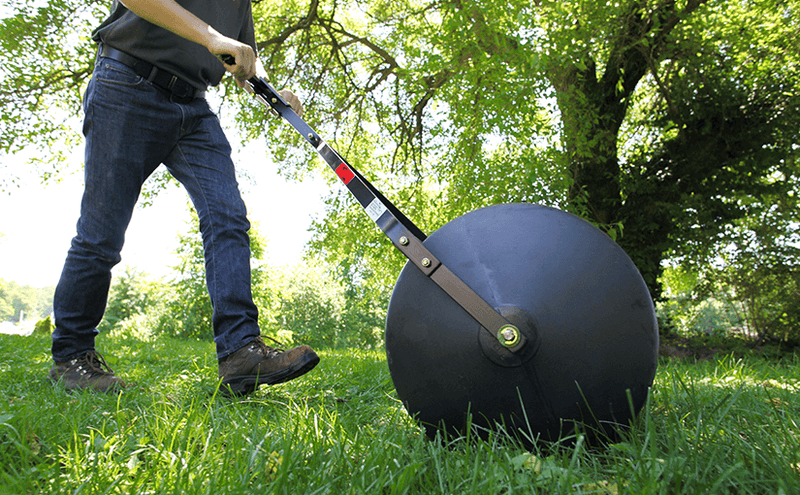
Are you struggling to get that perfectly smooth lawn? One key tool you might be overlooking is a lawn roller.
But here’s the question: how heavy should a lawn roller be to give your yard the best results without causing damage? Choosing the right weight can make all the difference in creating a lush, even lawn that looks great and stays healthy.
You’ll discover exactly what to consider when picking a lawn roller, so you can get your grass looking its absolute best with less effort. Keep reading—you’re about to unlock the secret to a flawless lawn!
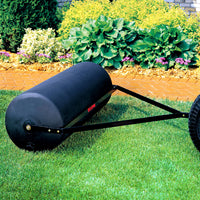
Credit: brinly.com
Lawn Roller Basics
A lawn roller is a tool used to flatten the ground. It helps create an even surface for your lawn.
The weight of a lawn roller affects how well it works. Choosing the right weight is important for good results.
Types Of Lawn Rollers
Lawn rollers come in different types. Each type serves a specific purpose for lawn care.
- Water-filled rollers: Light when empty, heavy when filled
- Steel rollers: Heavy and durable for tough jobs
- Plastic rollers: Lightweight and easy to move
Materials Used
Lawn rollers are made from various materials. The choice affects their weight and durability.
- Steel: Strong and heavy, good for firm rolling
- Plastic: Lightweight and rust-resistant
- Rubber: Sometimes used for padding or covering
- Water or sand: Used as fill inside hollow rollers
Common Sizes
Lawn rollers come in different sizes. Size affects how much area you can cover at once.
| Size | Width | Height | Weight (Empty) | Weight (Filled) |
|---|---|---|---|---|
| Small | 18-24 inches | 10-12 inches | 20-30 lbs | 80-100 lbs |
| Medium | 24-30 inches | 12-15 inches | 30-50 lbs | 100-150 lbs |
| Large | 30-36 inches | 15-18 inches | 50-70 lbs | 150-200 lbs |
Factors Influencing Roller Weight
The weight of a lawn roller depends on many things. Choosing the right weight helps keep your lawn healthy.
Using a roller that is too heavy or too light can harm your grass or soil. It is important to think about some key factors.
Soil Type And Condition
Different soils react differently to rolling. Soft or sandy soil needs a lighter roller to avoid damage.
Clay or hard soil can handle heavier rollers. Wet soil should be rolled lightly to prevent compaction.
- Soft soil: Use light roller
- Hard soil: Use heavier roller
- Wet soil: Use light roller carefully
Grass Type
Some grass types are fragile and need gentle rolling. Others are tougher and can handle more weight.
Newly planted grass should be rolled lightly to protect roots. Established grass can tolerate heavier rolling.
- Delicate grass: Use light roller
- Strong grass: Can use heavier roller
- New grass: Roll very lightly
Lawn Size And Shape
Small lawns need lighter rollers for easy control. Large lawns may need heavier rollers to cover more area.
Irregular shapes require careful rolling to avoid damage. Flat lawns allow heavier rollers than sloped ones.
- Small lawn: Light roller for control
- Large lawn: Heavier roller for coverage
- Flat lawn: Heavier roller is okay
- Sloped lawn: Use lighter roller
Choosing The Right Weight
Choosing the right weight for a lawn roller is important for good results. The weight affects how well the roller smooths the soil and grass.
Too light or too heavy rollers can cause problems. Knowing the right weight helps keep your lawn healthy and even.
Light Rollers For New Lawns
Light rollers weigh about 30 to 50 pounds. They are gentle on new grass and soft soil.
They help press seeds into the soil without crushing young plants. Use light rollers soon after planting.
- Weight range: 30-50 pounds
- Best for: freshly seeded lawns
- Purpose: firm soil without damage
Medium Rollers For Maintenance
Medium rollers weigh between 80 and 150 pounds. They work well for everyday lawn care.
These rollers keep soil level and help grass roots grow strong. They smooth bumpy lawns without hurting grass.
- Weight range: 80-150 pounds
- Best for: regular lawn upkeep
- Purpose: smooth surface and firm roots
Heavy Rollers For Repair
Heavy rollers weigh over 150 pounds. Use them for fixing uneven or damaged lawns.
They press down hard soil and fix bumps or holes. Use heavy rollers carefully to avoid harming grass.
- Weight range: 150+ pounds
- Best for: repairing rough or damaged lawns
- Purpose: firm and level ground
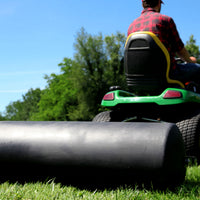
Credit: brinly.com
Effects Of Roller Weight On Lawn Health
Lawn rollers come in different weights. The weight affects how your lawn looks and grows. Choosing the right weight is important for lawn health.
Understanding the effects of roller weight helps in maintaining a healthy lawn. Let’s explore how different weights impact the soil and grass.
Soil Compaction Risks
Heavy rollers can compact the soil too much. This can make it hard for grass roots to grow. Soil needs air and water to stay healthy.
- Compacted soil reduces water absorption.
- Roots struggle to grow in hard soil.
- Grass may become weak and thin.
Improved Seed-to-soil Contact
A roller helps seeds contact the soil better. This helps seeds germinate and grow into strong grass. Choosing the right roller weight is key.
| Roller Weight | Seed Contact Quality |
| Light | Poor |
| Medium | Good |
| Heavy | Very Good |
Impact On Root Growth
The right roller weight helps roots grow deep. Deep roots can reach more nutrients and water. This keeps the grass healthy and green.
Tips For Using Lawn Rollers Safely
Lawn rollers help keep your yard smooth and even. They press down soil and grass to remove bumps. Using them safely is important to protect your lawn and prevent injury.
The weight of a lawn roller is crucial. It should be heavy enough to flatten the soil but not so heavy that it damages your lawn. Follow these tips to use lawn rollers effectively and safely.
Rolling Frequency
Do not roll your lawn too often. Excessive rolling can compact the soil too much. This can harm grass roots and reduce airflow to the soil.
Roll your lawn once or twice a year. This is usually enough to maintain a smooth surface without causing damage.
Best Weather Conditions
Choose the right weather for rolling your lawn. Wet soil is easier to flatten but can become compacted too much. Dry soil is harder to roll and may not achieve the desired effect.
Roll your lawn when the soil is moist but not soaked. This helps achieve a smooth surface without compacting the soil too much.
Avoiding Over-rolling
Over-rolling can damage your lawn. It compacts the soil excessively, affecting grass health. Avoid rolling the same area multiple times.
- Use a lightweight roller for small lawns
- Roll only when necessary
- Monitor soil and grass health regularly
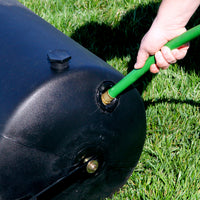
Credit: brinly.com
Diy Weighting Methods
Choosing the right weight for a lawn roller is important for good results. You can add weight yourself using simple materials. These methods help you control the pressure on the soil and grass.
Here are some easy ways to add weight to your lawn roller at home.
Using Water
Water is a common and simple way to add weight inside a hollow lawn roller. It is easy to fill and empty as needed. Water lets you adjust the weight quickly depending on the task.
- Fill the roller with clean water through the filling hole.
- Make sure the roller is sealed tightly to avoid leaks.
- Empty the water before storing to prevent damage.
- Use water only when you need moderate weight.
Adding Sand
Sand adds more weight than water and stays inside well. It makes the roller heavier, ideal for compacting thick or tough soil. You will need a funnel or scoop to fill the roller with sand.
| Material | Weight per Gallon | Use |
|---|---|---|
| Water | 8.34 lbs | Light to moderate weight |
| Dry Sand | 12.5 lbs | Heavier weight for tough soil |
Combining Materials
You can mix water and sand to get the right weight. This method lets you customize how heavy the roller becomes. Adding a small amount of sand to water increases weight without making it too hard to move.
- Fill the roller partly with sand.
- Add water to fill the empty space.
- Seal the roller tightly.
- Test the weight and adjust if needed.
Maintenance Of Lawn Rollers
Keeping your lawn roller in good shape helps it work better and last longer. Regular care stops problems early and saves money.
Simple maintenance tasks like cleaning, checking, and oiling keep the roller ready for use whenever you need it.
Cleaning And Storage
Clean the lawn roller after each use to remove dirt and grass. Use water and a brush to scrub the drum and frame.
Dry the roller well before storing. Keep it in a dry place to stop rust and damage.
- Remove mud and grass from all parts
- Wipe metal surfaces dry
- Store indoors or under a cover
- Avoid damp or wet areas for storage
Checking For Damage
Check your lawn roller regularly for cracks or dents. Look at the drum, frame, and handle closely.
Fix small problems early. Tighten loose bolts and replace worn parts to keep the roller safe to use.
- Inspect the drum for cracks or rust
- Check the frame and handles for bends or breaks
- Make sure bolts and nuts are tight
- Replace any damaged parts quickly
Lubrication Tips
Keep moving parts smooth with regular lubrication. This reduces wear and stops squeaking noises.
Use oil or grease on the axle and any bearings. Clean old grease before adding new lubricant.
- Wipe off dirt before oiling
- Use suitable lubricants for metal parts
- Oil axles and bearings every few uses
- Do not over-lubricate to avoid dirt buildup
Frequently Asked Questions
How Heavy Should A Lawn Roller Be For New Lawns?
A lawn roller for new lawns should weigh between 30 to 50 pounds. This weight helps settle the soil without damaging young grass roots or compacting the soil excessively.
What Weight Is Ideal For Lawn Rollers On Established Grass?
For established grass, a lawn roller weighing 75 to 100 pounds is ideal. This weight effectively smooths uneven surfaces without harming mature grass.
Can A Lawn Roller Be Too Heavy For My Lawn?
Yes, a lawn roller that is too heavy can compact soil excessively. This restricts root growth and reduces water and nutrient absorption, harming your lawn’s health.
How Does Lawn Roller Weight Affect Soil Compaction?
Heavier rollers increase soil compaction, which can harm grass roots. Lighter rollers reduce compaction but might not smooth the surface effectively.
Conclusion
Choosing the right lawn roller weight makes a big difference. Too heavy can harm your grass and soil. Too light may not give good results. Think about your lawn size and soil type first. Use a roller that presses enough without causing damage.
Regular rolling helps keep your lawn smooth and healthy. Keep these tips in mind for a neat yard. A good lawn roller makes your work easier and your lawn look better. Simple steps lead to a beautiful, well-kept lawn.

