
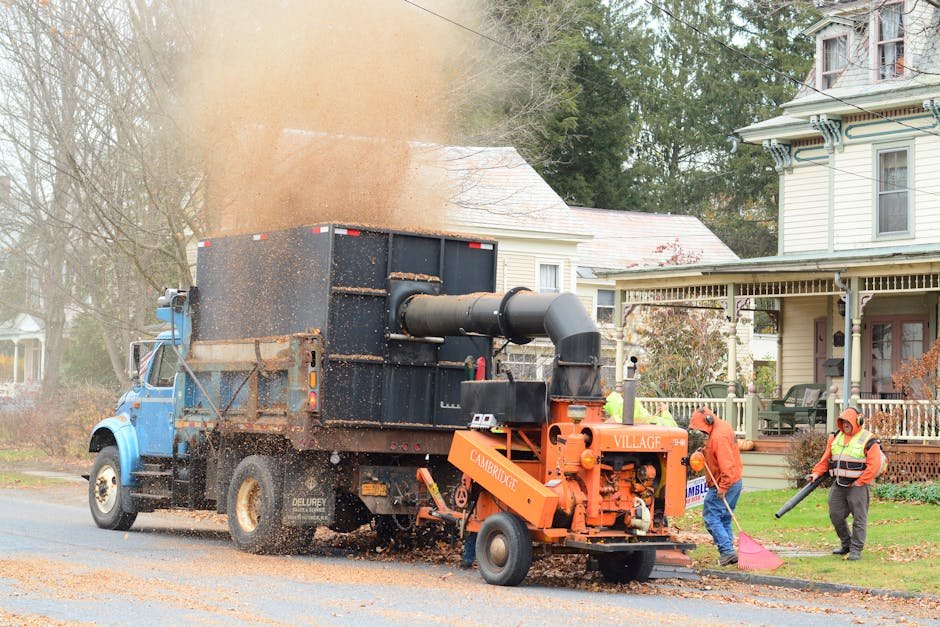
Have you ever wondered how a leaf vacuum actually works to make yard cleanup so much easier? If you’re tired of raking for hours and want a faster way to clear your lawn, understanding this tool can change the way you care for your outdoor space.
Imagine saving time and effort while keeping your garden spotless. You’ll discover exactly how a leaf vacuum operates and why it might be the perfect addition to your gardening routine. Keep reading to learn how this simple machine can transform your yard work and give you more time to enjoy the outdoors.
Credit: www.lawnsite.com
Leaf Vacuum Basics
A leaf vacuum helps clean up leaves and debris from yards and gardens. It works by sucking leaves into a collection bag or container.
Leaf vacuums make yard work easier and faster. They reduce the need to rake leaves by hand.
Key Components
Leaf vacuums have several main parts that work together to pick up leaves efficiently.
- Suction nozzle:This is the opening that sucks in leaves and debris.
- Motor or engine:Powers the suction and sometimes the vacuum’s fan.
- Fan or impeller:Creates airflow to pull leaves inside.
- Collection bag or container:Stores the leaves after they are sucked up.
- Handle and controls:Allow the user to steer and operate the vacuum easily.
Types Of Leaf Vacuums
There are different types of leaf vacuums. They vary by power source and how they collect leaves.
| Type | Power Source | Leaf Collection Method |
| Electric | Plug-in or Battery | Bag or Mulcher |
| Gas-Powered | Gasoline Engine | Bag or Mulcher |
| Backpack | Gas or Battery | Bag |
| Walk-Behind | Gas Engine | Large Collection Bin |
How Leaf Vacuums Operate
Leaf vacuums help clean yards by picking up leaves quickly. They work by sucking leaves into a machine.
This tool saves time and effort compared to raking leaves by hand. It uses special parts to gather and store leaves.
Suction Mechanism
The suction mechanism creates strong airflow to pull in leaves. A motor powers a fan or impeller inside the vacuum.
As the fan spins, it draws air and leaves into the vacuum tube. This airflow moves leaves from the ground into the machine.
- The motor runs the fan or impeller
- Airflow picks up leaves and debris
- Leaves enter the vacuum through the nozzle
Mulching And Collection Process
Inside the vacuum, leaves go through a mulching system. This system cuts leaves into small pieces.
Mulched leaves take up less space and are easier to collect. The shredded leaves then move into a collection bag or container.
- Leaves are chopped by blades or grinders
- Small leaf pieces reduce volume
- Mulched leaves are stored in a bag or bin
Benefits Of Using A Leaf Vacuum
Leaf vacuums help you clean yards quickly and easily. They collect leaves and small debris in one go.
Using a leaf vacuum saves time and effort. It also helps protect the environment by managing garden waste properly.
Time And Effort Savings
A leaf vacuum reduces the work needed to gather leaves. It sucks up leaves fast, so you spend less time raking.
- Speeds up yard cleaning
- Reduces physical strain
- Collects leaves in one container
- Easy to move around large areas
- Works well on grass, patios, and driveways
Environmental Impact
Leaf vacuums help reduce waste by gathering leaves for composting or recycling. This lowers trash sent to landfills.
| Benefit | Explanation |
| Less landfill waste | Leaves can be composted instead of thrown away |
| Reduced pollution | Less burning of leaves means cleaner air |
| Supports garden health | Composted leaves improve soil quality |
| Promotes recycling | Collected leaves can be used for mulch or compost |
Choosing The Right Leaf Vacuum
Leaf vacuums help clean up leaves quickly and easily. Picking the right one makes yard work less tiring.
Think about power, size, and extra features before buying. These factors affect how well the vacuum works.
Power Sources
Leaf vacuums use different power sources like gas, electricity, or batteries. Each type has its own benefits.
Gas models are strong but noisy. Electric ones are quiet but need a cord. Battery vacuums are light and cordless.
- Gas: powerful but heavy and noisy
- Electric: quiet but limited by cord length
- Battery: portable with limited runtime
Capacity And Size
Capacity shows how many leaves the vacuum can hold before emptying. Size affects how easy it is to use and store.
Large bags hold more leaves but make the vacuum heavier. Small bags are lighter but need more emptying.
- Large capacity for big yards
- Small capacity for light yard work
- Choose size based on your strength and storage space
Additional Features
Extra features can make a leaf vacuum easier to use or more effective. Look for what fits your needs.
Some vacuums have mulching to shred leaves. Others offer adjustable speeds or easy bag removal.
- Mulching helps reduce leaf volume
- Speed control adjusts suction power
- Easy-to-empty bags save time
Maintenance Tips
Keeping your leaf vacuum in good shape helps it work longer and better. Regular care stops problems before they start.
Simple maintenance tasks like cleaning and checking parts make a big difference. Follow these tips to keep your leaf vacuum ready.
Cleaning And Storage
Clean the leaf vacuum after each use. Remove leaves and dirt from the collection bag and nozzle.
Empty the bag when it is half full. This keeps the machine from clogging and losing power.
- Wipe the outside with a damp cloth
- Check and clear the air vents
- Store the vacuum in a dry place
- Keep it away from direct sunlight and rain
Troubleshooting Common Issues
If the leaf vacuum stops working well, check for blockages. Leaves or dirt can block the nozzle or fan.
Listen for strange noises or loss of power. These signs show the vacuum needs attention.
- Clean or replace the air filter if dirty
- Check the spark plug and clean it if needed
- Make sure the collection bag is not torn or full
- Tighten loose screws and parts
Credit: www.lawnsite.com
Safety Precautions
A leaf vacuum is a useful tool for yard work. It sucks up leaves and debris quickly. Safety is important when using this equipment.
Understanding how to operate a leaf vacuum safely helps prevent accidents. Follow these safety tips to protect yourself and others.
Proper Usage Guidelines
Read the instruction manual before using the leaf vacuum. Know the controls and parts of the machine.
Keep the vacuum away from children and pets. Use it only on dry leaves and avoid wet surfaces.
- Inspect the vacuum for damage before each use
- Do not use in rain or wet conditions
- Ensure the collection bag is attached securely
Protective Gear Recommendations
Wearing the right protective gear can keep you safe. Goggles protect your eyes from flying debris.
Ear protection is important because leaf vacuums can be loud. Gloves give you a better grip and protect your hands.
- Wear safety goggles to shield your eyes
- Use earplugs or earmuffs to protect your hearing
- Put on gloves to prevent blisters and cuts

Credit: www.familyhandyman.com
Frequently Asked Questions
How Does A Leaf Vacuum Collect Leaves Effectively?
A leaf vacuum uses strong suction to pull leaves into a collection bag. The device often has a shredder that mulches leaves, reducing volume. This makes cleanup faster and easier, especially in large yards or gardens.
What Powers A Typical Leaf Vacuum?
Leaf vacuums are commonly powered by electricity or gasoline engines. Electric models are quieter and eco-friendly, ideal for small yards. Gas-powered vacuums offer more power for larger areas but can be noisier and require fuel.
Can Leaf Vacuums Handle Wet Leaves?
Most leaf vacuums work best with dry leaves as wet leaves can clog the machine. Some advanced models have features to handle damp leaves, but generally, drying leaves before vacuuming improves efficiency and prevents damage.
Is Leaf Vacuuming Better Than Raking?
Leaf vacuuming is quicker and less physically demanding than raking. It also collects and mulches leaves, which aids composting. However, raking is quieter and may be better for delicate garden areas.
Conclusion
A leaf vacuum helps you clean leaves quickly and easily. It sucks up leaves and small debris from your yard. Some models also shred leaves to reduce waste. Using one saves time and effort compared to raking. They work well on grass, pavement, and garden beds.
Choosing the right leaf vacuum depends on your needs. Understanding how it works can help you use it better. Keep your outdoor space tidy with the right tools. A leaf vacuum makes yard cleanup simpler and faster.

