
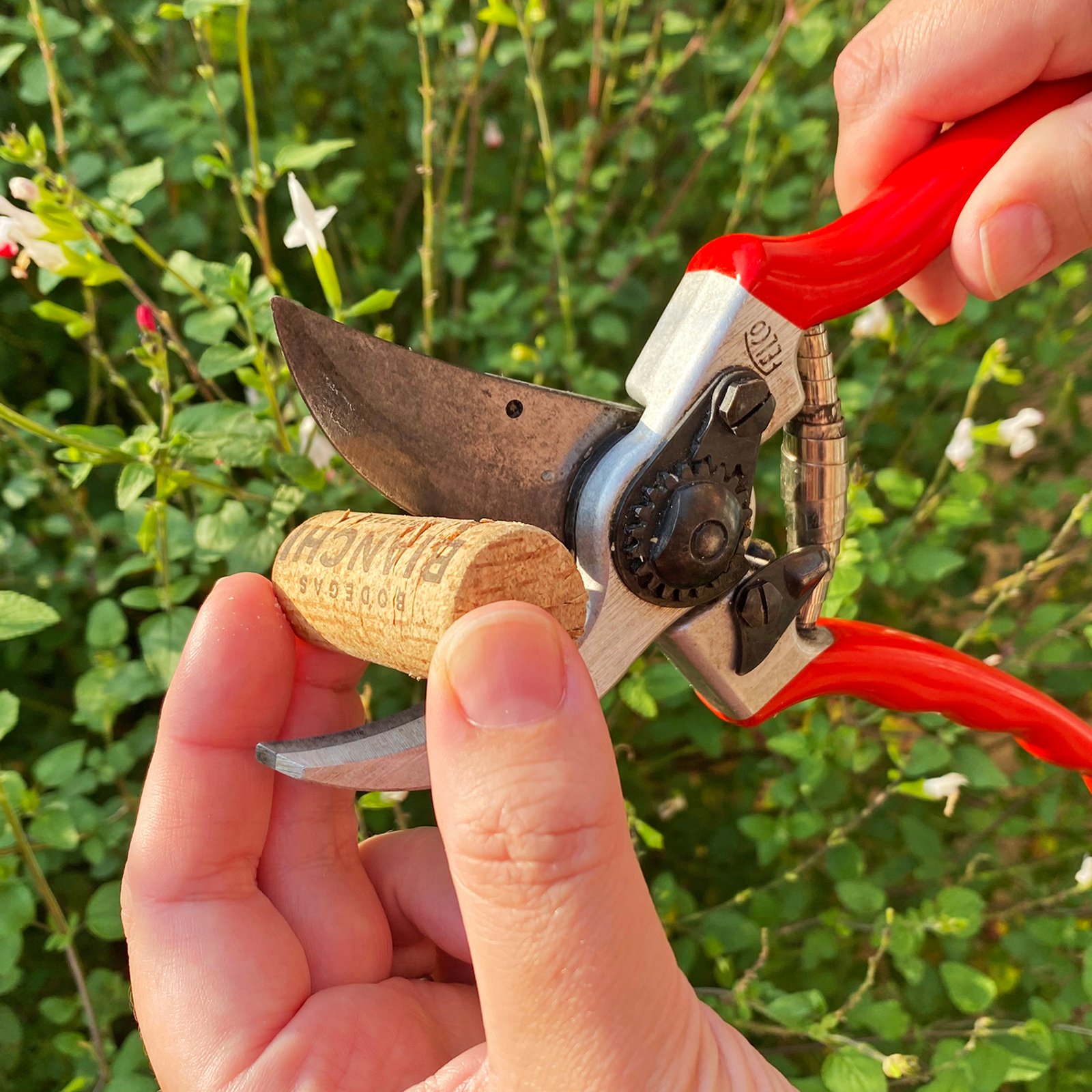
Have you ever wondered how pruning shears make your garden look so neat and healthy? Understanding how these simple tools work can help you trim your plants more effectively and keep your garden thriving.
Whether you’re a beginner or just curious, knowing the secrets behind pruning shears will change the way you care for your plants. Keep reading, and you’ll discover tips that will make your gardening easier and more satisfying than ever before.
Credit: plnts.com
Types Of Pruning Shears
Pruning shears are tools used to cut small branches and stems. They help keep plants healthy and neat.
There are different types of pruning shears. Each type works best for certain tasks in the garden.
Bypass Shears /wp:heading wp:paragraphBypass shears have two sharp blades that pass by each other. They cut like scissors, making clean cuts.
/wp:paragraph wp:paragraphThese shears work well on live plants. They make smooth cuts that help plants heal faster.
/wp:paragraph wp:heading {“level”:3}Anvil Shears
/wp:heading wp:paragraphAnvil shears have one sharp blade that closes onto a flat metal surface. They crush the branch to cut it.
/wp:paragraph wp:paragraphThese shears work best on dead wood or dry branches. They are easier to use on tough or thick material.
/wp:paragraph wp:heading {“level”:3}Ratchet Shears
/wp:heading wp:paragraphRatchet shears cut in stages using a gear system. This reduces the effort needed to cut thick branches.
/wp:paragraph wp:paragraphThey are good for people with less hand strength. These shears make pruning easier and less tiring.
/wp:paragraphKey Components
Pruning shears have simple parts that work together to cut plants. Each part has a clear job to do.
Understanding these parts helps you use and care for the shears better.
Blades
Blades are the sharp edges that cut branches and stems. They are usually made of steel for strength and sharpness.
- One blade is sharp and cuts through the plant.
- The other blade supports and holds the branch steady.
- Some blades have a coating to prevent rust and stickiness.
Handles
Handles give you a firm grip and leverage to cut easily. They are often made of metal or strong plastic.
| Material | Benefit |
| Metal | Strong and durable |
| Plastic | Lightweight and comfortable |
| Rubber grip | Prevents slipping |
Springs
Springs push the blades apart after each cut. This helps you open the shears quickly for the next cut.
Most pruning shears use coil springs or flat springs between the handles.
Lock Mechanism
The lock keeps the blades closed when you are not using the shears. This helps avoid accidents and saves space.
Common types of lock mechanisms include:
- Slide lock: A small slider that locks the handles together.
- Latch lock: A hook or latch that holds the blades closed.
How Cutting Mechanism Works
Pruning shears help you cut plants and small branches cleanly. They use sharp blades and different cutting actions.
The cutting mechanism depends on the type of shears. Each type cuts differently to make pruning easier.
Bypass Cutting Action /wp:heading wp:paragraphBypass shears work like scissors. Two sharp blades pass by each other to cut the branch.
/wp:paragraph wp:paragraphThis action makes a clean cut. It is good for live plants because it does not crush the stem.
/wp:paragraph wp:heading {“level”:3}Anvil Cutting Action
/wp:heading wp:paragraphAnvil shears have one sharp blade and one flat surface called the anvil. The blade cuts against the anvil.
/wp:paragraph wp:paragraphThis action crushes the branch as it cuts. It works well for dry or dead wood.
/wp:paragraph wp:heading {“level”:3}Ratchet Cutting Action
/wp:heading wp:paragraphRatchet shears use a gear system to cut thick branches in steps. The blade moves forward with each squeeze.
/wp:paragraph wp:paragraphThis action reduces hand effort. It is useful for people with less hand strength.
/wp:paragraph
Credit: www.familyhandyman.com
Choosing The Right Shears For Your Needs
Pruning shears help keep plants healthy and neat. Picking the right shears makes your work easier.
Different plants and tasks need different types of shears. Think about what you will cut most.
Plant Type And Thickness
Soft plants like flowers need light shears. Thick branches need stronger, sharper shears.
Choose bypass shears for live plants. Use anvil shears for dead or hard branches.
- Bypass shears cut cleanly like scissors
- Anvil shears crush thick, dry stems
- Thicker branches may need loppers, not shears
Ergonomics And Comfort
Good shears feel comfortable in your hand. Look for soft grips and easy-to-use handles.
Ergonomic designs reduce hand strain. This helps if you prune for a long time.
- Choose shears with cushioned handles
- Check the weight; lighter is easier to hold
- Test the grip size to fit your hand well
Material And Durability
Strong materials make shears last longer. Steel blades cut better and resist rust.
Look for stainless steel or carbon steel blades. Handles made from metal or strong plastic work well.
- Stainless steel blades resist rust and stay sharp
- Carbon steel blades are very sharp but need care
- Plastic handles are light; metal handles are durable
Tips For Perfect Cuts
Pruning shears help keep plants healthy by making clean cuts. Using them right stops damage to plants.
Good cutting habits make plants grow better. Here are some tips for perfect cuts with pruning shears.
Proper Cutting Angle
Cut at a 45-degree angle to help water run off the cut. This angle helps prevent disease and rot.
Cutting straight across can trap water on the stem. Angled cuts heal faster and keep plants healthy.
Maintaining Sharp Blades
Sharp blades make clean cuts that heal quickly. Dull blades crush stems and hurt the plant.
Clean and sharpen blades often. Use a sharpening stone or file to keep edges smooth and sharp.
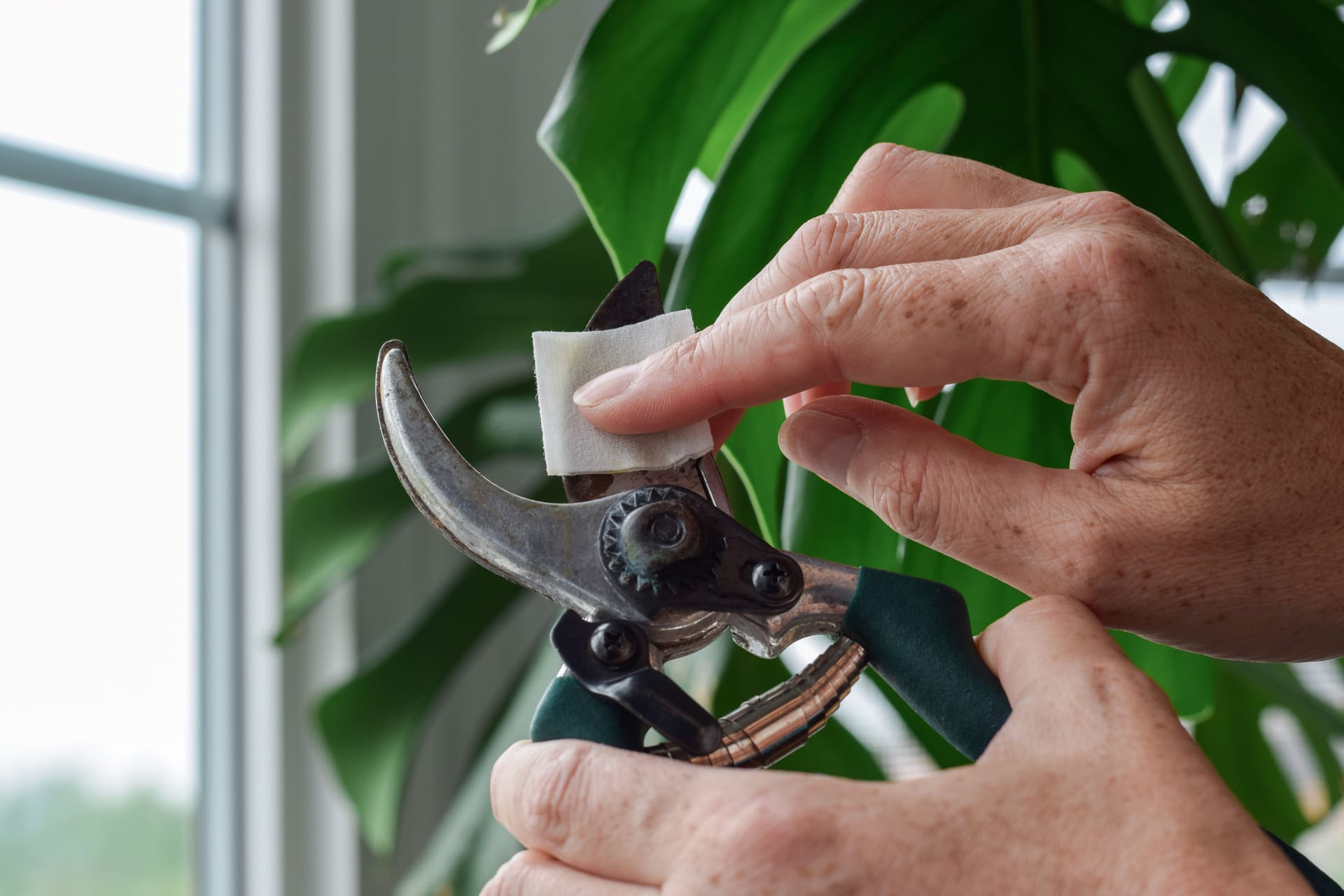
- Wipe blades after use to remove sap.
- Sharpen blades before each pruning session.
- Oil blades to prevent rust and keep smooth cutting.
Avoiding Crushing Stems
Use the right pruning shears for the stem size. Small stems need small, sharp shears for clean cuts.
Cut stems in one smooth motion. Do not twist or squeeze, or you may crush the stem.
- Choose bypass shears for live plants.
- Use anvil shears only for dead wood.
- Hold the stem steady while cutting.

Credit: www.amazon.ca
Maintenance And Care
Pruning shears are essential tools for gardeners. They help keep plants healthy and well-shaped. Proper maintenance is key to keeping them in good working order.
Regular care extends the life of your pruning shears. It ensures they remain sharp and effective. Below are important steps for maintaining your shears.
Cleaning After Use
Always clean your pruning shears after each use. This prevents sap and dirt from building up. Use a damp cloth to wipe the blades.
- Rinse with water if needed
- Dry thoroughly to avoid rust
Sharpening Blades
Sharp blades make cutting easier and cleaner. Dull blades can damage plants. Sharpen your blades regularly with a sharpening stone.
- Hold the stone at a 20-degree angle
- Move the blade across the stone
- Repeat until sharp
Lubricating Moving Parts
Lubrication keeps your shears operating smoothly. It reduces friction and wear on the moving parts. Apply a drop of oil to the pivot joint.
- Use household oil or WD-40
- Wipe off excess oil to prevent dirt buildup
Storage Best Practices
Store your pruning shears in a dry place. This prevents rust and corrosion. Keep them in a tool box or hang them up safely.
- Avoid damp areas
- Use blade covers for added protection
Frequently Asked Questions
How Do Pruning Shears Cut Branches Efficiently?
Pruning shears use sharp blades that close tightly to slice through branches. The blades create a clean cut, minimizing damage. This helps plants heal faster and stay healthy.
What Types Of Pruning Shears Are Available?
There are three main types: bypass, anvil, and ratchet shears. Bypass shears use two blades to cut smoothly. Anvil shears crush the branch against a flat surface. Ratchet shears offer extra cutting power for thick branches.
How To Maintain Pruning Shears For Best Performance?
Keep blades clean and sharp by wiping after use. Regularly oil the pivot to prevent rust. Sharpen blades when they become dull to ensure smooth cuts and extend tool life.
Why Is The Blade Design Important In Pruning Shears?
Blade design affects cutting efficiency and plant health. Bypass blades provide clean cuts, reducing plant injury. Anvil blades can crush branches, suitable for dry wood. Choose based on your pruning needs for optimal results.
Conclusion
Pruning shears cut plants by using sharp blades and leverage. They help keep plants healthy and neat. Using them correctly makes trimming easier and safer. Regular pruning encourages new growth and better shape. Choosing the right shears suits different plant types.
Clean blades prevent damage and disease spread. Practice makes cutting smooth and precise. Understanding how pruning shears work improves your gardening skills. Simple tools, big impact on your garden’s health. Keep shears sharp and clean for best results.

