

Have you ever wondered if dethatching could be the secret to a healthier, greener lawn? If your grass looks patchy, thin, or just not as vibrant as you want, dethatching might be exactly what your lawn needs.
But does dethatching really improve your lawn, or could it do more harm than good? You’ll discover how dethatching works, when you should do it, and the surprising benefits it can bring to your outdoor space. Keep reading to find out if dethatching is the game-changer your lawn has been waiting for.
Credit: landdesignsbycolton.com
What Is Dethatching
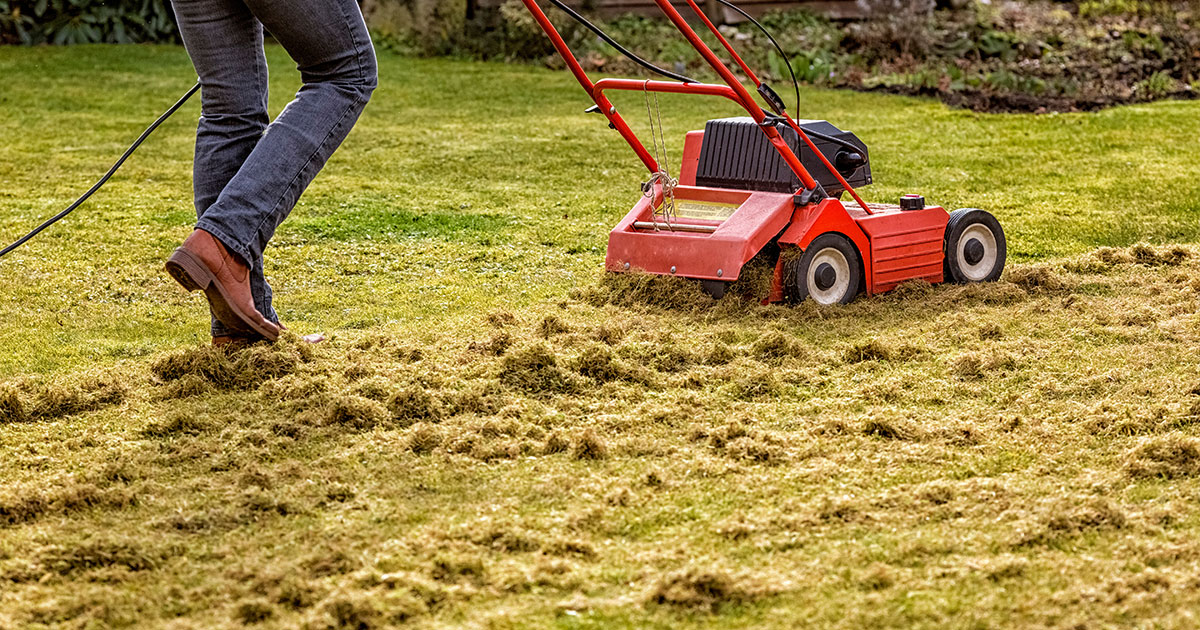
Dethatching is the process of removing thatch from a lawn. Thatch is a layer of dead grass and roots that builds up on the soil surface.
Removing this layer helps air, water, and nutrients reach the grass roots. This makes the lawn healthier and greener.
Causes Of Thatch Buildup
Thatch builds up when dead grass and roots do not decompose quickly. This creates a thick layer on the lawn.
Several factors cause thatch to build up more quickly than it breaks down.
- Overwatering the lawn, which slows decomposition
- Using too much fertilizer, causing excess growth
- Soil compaction, which limits soil organisms
- Choosing grass types that produce more thatch
- Mowing the lawn too short, stressing the grass
Types Of Thatch
There are two main types of thatch in lawns. Both affect the lawn’s health but differ in texture and makeup.
- Dead Thatch:Made of dead grass blades, stems, and roots. It looks brown and feels dry.
- Living Thatch:Made of living roots and shoots. It looks green but can choke the grass.
Both types block water and nutrients if the layer becomes too thick. Dethatching removes these layers to improve lawn health.
Signs Your Lawn Needs Dethatching
Dethatching can help your lawn stay healthy. Thatch is a layer of dead grass and roots that build up on soil.
Too much thatch stops water and nutrients from reaching the roots. This can harm your grass.
Visible Thatch Layer
You can see a thick, spongy layer on top of the soil. It looks like dead grass mixed with soil.
If this layer is more than half an inch thick, your lawn needs dethatching. This layer blocks air and water.
Poor Grass Growth
Grass grows thin and weak if thatch is too thick. You may see bare patches or brown spots.
Grass roots have trouble growing deep because thatch stops water and nutrients from reaching them.
Water Drainage Issues
Water may sit on the lawn after rain or watering. This means water cannot drain through the thatch layer.
Standing water can cause root rot and other lawn problems. Dethatching helps water reach the soil better.
Benefits Of Dethatching
Dethatching is the process of removing dead grass and debris from your lawn. It helps keep your grass healthy and green.
Removing thatch improves the soil environment and helps your lawn grow stronger. Here are some benefits of dethatching.
Improved Air Circulation
Thatch blocks air from reaching the soil and roots. Dethatching clears this layer and lets air flow better.
Good air circulation helps roots breathe and prevents lawn diseases caused by poor airflow.
Enhanced Nutrient Absorption
Thatch can stop nutrients from reaching the soil. Removing it allows grass roots to absorb more nutrients.
Better nutrient absorption means your lawn gets the food it needs to grow thick and green.
Better Water Penetration
Thatch prevents water from reaching the soil properly. Dethatching lets water soak in deeply.
Good water penetration keeps roots hydrated and helps your lawn survive dry periods.
Dethatching Methods
Dethatching helps remove dead grass and roots from your lawn. This allows air, water, and nutrients to reach the soil better.
There are different ways to dethatch your lawn. Each method works well for certain lawn sizes and conditions.
Manual Raking
Manual raking uses a special rake to pull up thatch by hand. It is best for small lawns or thin thatch layers.
This method takes time and effort but gives good control. You can focus on problem areas easily.
- Use a dethatching rake with sharp blades
- Rake in one direction to lift the thatch
- Collect the debris and remove it
- Water the lawn after raking to help recovery
Mechanical Dethatchers
Mechanical dethatchers are machines with rotating blades or tines. They pull up thatch faster than manual raking.
These tools work well on medium to large lawns. They reduce the time and effort needed for dethatching.
- Choose a dethatcher with adjustable depth settings
- Push the machine slowly to let it work well
- Clear the lawn debris after dethatching
- Use protective gear when operating the machine
Power Raking
Power raking uses a gas or electric machine called a power rake. It aggressively removes thick thatch layers.
This method is good for lawns with heavy thatch buildup. It can also help prepare the lawn for overseeding.
- Set the blades to a shallow depth first
- Make multiple passes if needed
- Rake and collect the loosened thatch after
- Water and fertilize the lawn to help it heal
Best Time For Dethatching
Dethatching helps remove dead grass and debris from your lawn. It improves air and water flow to the roots. Choosing the right time to dethatch is important for a healthy lawn.
Timing depends on the seasons and the type of grass you have. This guide covers when to dethatch for best results.
Seasonal Considerations
Dethatch during the active growing season of your grass. This allows the lawn to recover quickly. Avoid dethatching in extreme heat or cold.
- Spring is ideal for cool-season grasses.
- Early fall works well for warm-season grasses.
- Do not dethatch during drought or dry spells.
- Avoid dethatching right before heavy rain.
Grass Type Factors
Different grasses need dethatching at different times. Knowing your grass type helps choose the best timing.
| Grass Type | Best Time to Dethatch |
| Kentucky Bluegrass | Spring or Early Fall |
| Fescue | Spring |
| Bermuda Grass | Late Spring to Early Summer |
| Zoysia Grass | Late Spring |

Credit: yardbell.com
Step-by-step Dethatching Process
Dethatching is crucial for a healthy lawn. It removes the thick layer of dead grass between the soil and the green grass.
This layer, called thatch, can block water and nutrients from reaching the roots. Follow these steps to dethatch your lawn effectively.
Preparation Tips
Proper preparation ensures a smooth dethatching process. Get your lawn ready with these simple tips.
- Water the lawn a day before dethatching.
- Mark any obstacles like sprinklers or rocks.
- Rake leaves and debris off the lawn.
Dethatching Techniques
Choose the right tool for your lawn size. Small lawns can use a manual rake, while larger ones benefit from a power dethatcher.
- Use a dethatching rake for small areas. Pull it across the lawn to lift the thatch.
- For larger areas, rent a power dethatcher. Follow the machine’s instructions carefully.
- Collect the thatch and dispose of it properly.
Post-dethatching Care
After dethatching, your lawn needs care to recover and grow stronger. Help it thrive with these steps.
| Task | Action |
| Watering | Water thoroughly to aid recovery. |
| Fertilizing | Apply a balanced fertilizer to promote growth. |
| Seeding | Add grass seed to bare spots if needed. |
Common Dethatching Mistakes To Avoid
Dethatching helps your lawn breathe and absorb nutrients. But, mistakes can harm instead of help. Learn what to avoid for a healthy lawn.
Some errors are easy to make but can be costly. Knowing them will keep your lawn green and lush.
Over-dethatching Risks
Removing too much thatch can damage your lawn. It exposes roots to heat and pests. Over-dethatching makes it hard for grass to recover.
- Weakened grass roots
- Increased vulnerability to weeds
- Greater risk of soil erosion
Ignoring Soil Health
Healthy soil is vital for a thriving lawn. Ignoring soil health can lead to poor grass growth. Always check soil quality before dethatching.
| Soil Component | Importance |
| pH Level | Balance nutrients |
| Organic Matter | Improves structure |
| Microorganisms | Enhances nutrient uptake |
Poor Timing
Dethatching at the wrong time can harm your lawn. It is best done when grass is growing actively. This helps it recover quickly.

Credit: www.jclandscapingllc.com
Alternative Lawn Care Practices
Dethatching is one way to care for your lawn, but it is not the only method. There are other practices that help keep grass healthy and green. These methods focus on improving soil and grass growth naturally.
Learning about different lawn care practices lets you choose the best way to keep your yard in good shape. These methods work well with or without dethatching.
Aeration Benefits
Aeration means making small holes in the soil. This helps air, water, and nutrients reach the grass roots. It makes the lawn stronger and healthier.
Aeration reduces soil compaction. When soil is loose, roots can grow better. It also helps prevent water runoff and puddles on your lawn.
- Improves root growth
- Increases water absorption
- Reduces soil compaction
- Enhances nutrient uptake
Regular Lawn Maintenance
Keeping your lawn healthy needs daily care. Regular mowing, watering, and weeding help grass stay strong. It also stops weeds and pests from taking over.
Set a schedule for lawn tasks. Mow the grass at the right height. Water early in the day to avoid fungus. Remove weeds before they spread.
- Mow grass regularly, but not too short
- Water deeply and less often
- Remove weeds quickly
- Check for pests and diseases
Soil Testing Importance
Testing your soil shows what nutrients are missing. It helps you add the right fertilizer. This keeps your lawn green without wasting products.
Soil tests also check the pH level. Grass grows best in certain pH ranges. Fixing pH problems makes nutrients easier for plants to use.
- Identifies nutrient deficiencies
- Guides fertilizer use
- Helps balance soil pH
- Improves overall lawn health
Frequently Asked Questions
What Is Dethatching And Why Is It Important?
Dethatching removes the thick layer of dead grass and debris on your lawn. It improves air, water, and nutrient flow. This helps grass roots grow stronger and healthier, enhancing lawn vitality and appearance.
How Does Dethatching Improve Lawn Health?
Dethatching eliminates thatch buildup, preventing disease and pest infestations. It allows better water absorption and nutrient penetration, promoting lush, green grass. This process supports strong root development and overall lawn resilience.
When Is The Best Time To Dethatch A Lawn?
The best time to dethatch is during the grass’s active growth phase. For cool-season grasses, early spring or early fall works well. Warm-season grasses respond best to late spring or early summer dethatching.
Can Dethatching Damage My Lawn?
If done excessively or improperly, dethatching can harm your lawn. It may stress grass by removing too much thatch or damaging roots. Proper timing and technique ensure dethatching benefits without causing damage.
Conclusion
Dethatching can help your lawn breathe and grow better. It removes dead grass and lets water reach roots. Doing this at the right time keeps grass healthy. Too much thatch can stop nutrients from getting in. Keep dethatching gentle to avoid hurting the lawn.
This simple step supports a greener, stronger yard. Try dethatching once a year for best results. Your lawn will thank you with a fresh, lively look.

