

Are you tired of the same old lawn edges that make your yard look plain and boring? Your lawn edging can do so much more than just separate grass from flower beds.
Imagine turning your outdoor space into a stunning, well-defined area that stands out and boosts your home’s curb appeal. You’ll discover creative lawn edging solutions that are easy to install, budget-friendly, and sure to make your garden look amazing. Ready to transform your lawn and impress your neighbors?
Keep reading, because your perfect lawn edge is just a few ideas away.
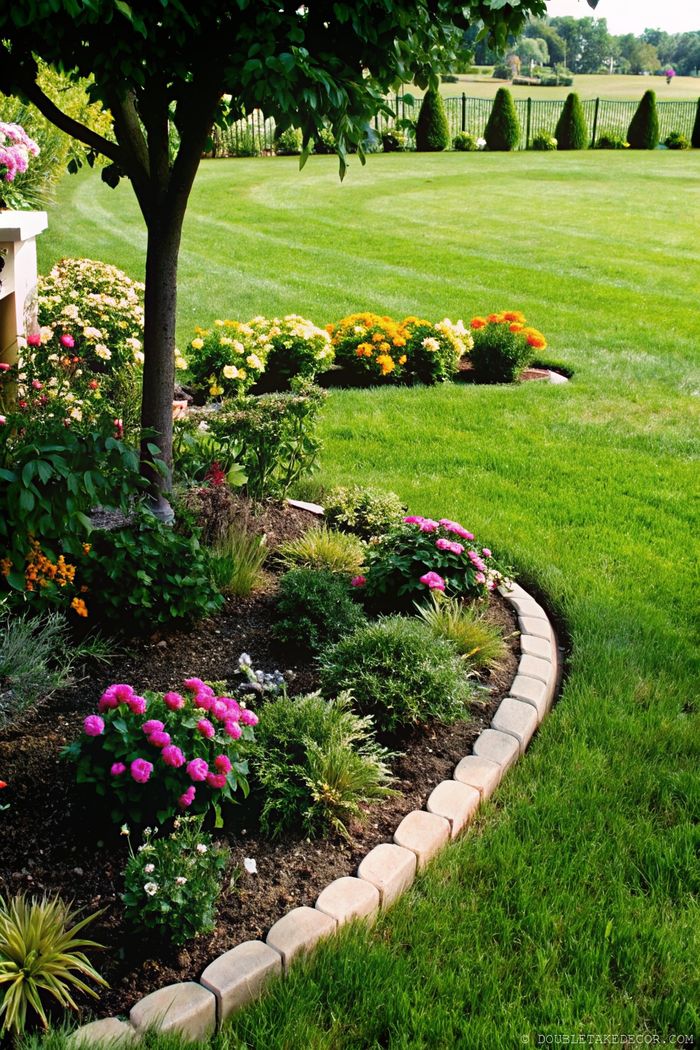
Credit: doubletakedecor.com
Choosing Materials
Choosing the right material is key for creative lawn edging. The material affects style, durability, and cost.
Consider the look you want and the climate where you live. This helps pick the best edging material.
Natural Stone Options
Natural stone offers a classic and strong edging choice. Stones like slate, granite, and limestone last for years.
They blend well with garden plants and add a natural feel to your lawn. Stone edges resist weather well.
- Slate: flat and smooth for neat edges
- Granite: tough and long-lasting
- Limestone: light-colored and soft
Wood And Timber Styles
Wood gives a warm, natural look to lawn edges. Choose treated wood to prevent rot and insects.
Popular wood types include cedar and redwood. Both resist moisture and last longer outdoors.
- Cedar: smells good and resists bugs
- Redwood: strong and decay-resistant
- Pressure-treated wood: cost-effective and durable
Metal Edging Choices
Metal edging gives a clean, modern look. Steel and aluminum are common metals used for edging.
Steel is strong but may rust without coating. Aluminum is light and rust-resistant but less strong.
- Steel: durable and heavy-duty
- Aluminum: lightweight and rust-proof
- Corten steel: rusts to a protective finish
Recycled And Upcycled Materials
Using recycled materials is eco-friendly and creative. Old bricks, bottles, or wood pallets can make unique edges.
These materials reduce waste and add character. They may need more care to keep them looking good.
- Recycled bricks: classic and colorful
- Glass bottles: bright and decorative
- Wood pallets: rustic and affordable

Credit: www.youtube.com
Design Inspirations
Lawn edging shapes the look of your garden. It defines spaces and adds style.
Choosing the right edging design can make your lawn unique and inviting.
Curved Vs. Straight Edges
Curved edges create soft, flowing lines that feel natural. Straight edges give a clean and modern look.
Mixing curves and straight lines can add interest and balance to your garden’s shape.
Geometric Patterns
Geometric edging uses shapes like squares, triangles, or hexagons. It brings order and style to your lawn.
- Squares for a classic look
- Triangles to add sharp angles
- Hexagons for a honeycomb effect
- Mix shapes for a modern design
Layered And Multi-level Edging
Layered edging uses different heights or materials for depth. Multi-level edging creates steps or terraces in your lawn.
| Type | Effect | Materials |
| Single Layer | Simple border | Stone, wood |
| Double Layer | Textured look | Stone, brick |
| Multi-Level | Terraced lawn | Concrete, stone, wood |
Incorporating Plants And Flowers
Use plants or flowers along your edging to add color and life. They soften hard lines and attract pollinators.
Try these ideas for plant edging:
- Low-growing ground covers
- Bright flower beds
- Herb borders for scent and use
- Succulents for drought resistance
Installation Tips
Creative lawn edging adds style and order to your garden. Installing it correctly ensures it lasts long.
Follow simple steps to prepare, secure, and maintain your lawn edging for the best results.
Preparing The Ground
Start by clearing the area where you want the edging. Remove grass, weeds, and rocks to create a clean space.
Dig a shallow trench to hold the edging material firmly. The trench should be slightly deeper than the edging height.
Securing Edging Materials
Place the edging material into the trench. Make sure each piece fits tightly with the next one to avoid gaps.
Use stakes or spikes to hold the edging in place. Push them into the ground at regular intervals along the edging.
- Use metal or plastic stakes for stability
- Drive stakes deep enough to resist movement
- Check alignment before securing
Maintaining Clean Lines
Keep the edges straight and neat by checking them during installation. Adjust pieces if they shift out of line.
Trim grass and soil along the edging regularly. This helps maintain a sharp, clean look for your lawn border.
- Use a string line to guide straight edges
- Remove excess soil from the edging trench
- Trim grass with a string trimmer or shears
Tools And Equipment Needed
Gather tools before starting to make the process smooth. Having the right equipment saves time and effort.
- Shovel or spade for digging trenches
- Hammer or mallet to drive stakes
- Measuring tape for accuracy
- String line for straight edges
- Gloves to protect your hands
- String trimmer or garden shears for maintenance
Creative Enhancements
Creative lawn edging adds style and function to your yard. It helps define spaces with unique features.
Using different elements can make your lawn more inviting and enjoyable all year round.
Lighting Features
Lighting can highlight your lawn edging at night. It adds safety and beauty to walkways and garden beds.
- Solar-powered LED lights for easy installation
- Spotlights to focus on special plants
- String lights along edges for a cozy feel
- Motion sensor lights to save energy
Decorative Accents
Decorative accents give personality to your lawn edging. They create visual interest and style.
| Accent Type | Material | Use |
| Stone Pebbles | Natural | Fill gaps or borders |
| Metal Sculptures | Iron or Aluminum | Artistic focal points |
| Wooden Stakes | Treated Wood | Define edges with rustic look |
| Colored Tiles | Ceramic | Add color along borders |
Water Elements
Water features bring calm and motion to your lawn space. They pair well with edging designs.
Small fountains, ponds, or birdbaths near the edges create relaxing sounds and attract wildlife.
Seasonal Decorations
Seasonal decorations keep your lawn fresh and festive through the year.
- Spring: Bright flowers and pastel flags
- Summer: Lanterns and garden statues
- Fall: Pumpkins and colorful leaves
- Winter: String lights and wreaths
Maintenance Strategies
Proper care keeps lawn edging looking neat and lasting longer. Regular maintenance stops small problems from growing. It also protects your investment in creative lawn edging solutions.
This guide covers key strategies to maintain your lawn edging well. You will learn about weed control, fixing damage, seasonal tasks, and weather protection.
Weed Control Techniques
Weeds can grow along and under edging, pushing it out of place. Remove weeds often to keep edging straight and clean. Use natural or chemical weed killers carefully to avoid harming your lawn.
- Pull weeds by hand regularly
- Apply mulch to block weed growth
- Use weed barrier fabric under edging
- Spot-treat weeds with a safe herbicide
- Trim edges to prevent weed seeds from settling
Repairing Damaged Edging
Damage from lawn tools or weather can break or bend edging. Repair small cracks or dents before they worsen. Replace sections that are too damaged for repair.
| Damage Type | Repair Method | Tools Needed |
| Cracks | Fill with outdoor sealant | Sealant, putty knife |
| Bent edging | Use pliers to bend back gently | Pliers, gloves |
| Broken pieces | Replace section with matching piece | Replacement edging, hammer, nails |
Seasonal Upkeep
Each season brings unique care needs for lawn edging. Clean and inspect edging in spring and fall. Prepare edging for winter by removing debris and checking stability.
- Spring: Clear dirt and mulch away
- Summer: Check for weed growth and trim edges
- Fall: Remove leaves and clean edging surfaces
- Winter: Protect from frost by covering if needed
Protecting Materials From Weather
Different edging materials need care to resist sun, rain, and cold. Wood can rot, metal may rust, and plastic could crack. Use treatments and covers to extend their life.
| Material | Weather Protection Tips |
| Wood | Apply waterproof sealant yearly, avoid soil contact |
| Metal | Use rust-resistant paint, clean regularly |
| Plastic | Keep out of direct harsh sun, clean dirt off |

Credit: www.youtube.com
Frequently Asked Questions
What Are The Best Materials For Creative Lawn Edging?
Popular materials include natural stone, brick, metal, and recycled plastic. Each offers durability and aesthetic appeal. Choose based on your lawn’s style and maintenance needs for a unique look.
How Does Lawn Edging Improve Garden Appearance?
Lawn edging creates clear boundaries, enhancing garden structure. It prevents grass from spreading into flower beds. This neat separation boosts curb appeal and overall garden design.
Can Creative Edging Prevent Lawn Maintenance Issues?
Yes, edging reduces weed growth and soil erosion. It makes mowing easier by defining edges. This leads to less frequent lawn repairs and healthier grass.
What Is The Easiest Lawn Edging Method For Beginners?
Plastic or metal strip edging is simple to install. They require minimal tools and effort. These options offer a quick, neat, and affordable lawn border solution.
Conclusion
Creative lawn edging adds style and order to any yard. It helps keep grass neat and defines garden spaces clearly. Choose materials and designs that fit your taste and budget. Simple edges can make a big difference in your lawn’s look.
Experiment with shapes and textures for a unique touch. A well-edged lawn shows care and improves curb appeal. Try different ideas and enjoy a tidy, beautiful outdoor space. Your lawn can become a place you love to spend time.

