
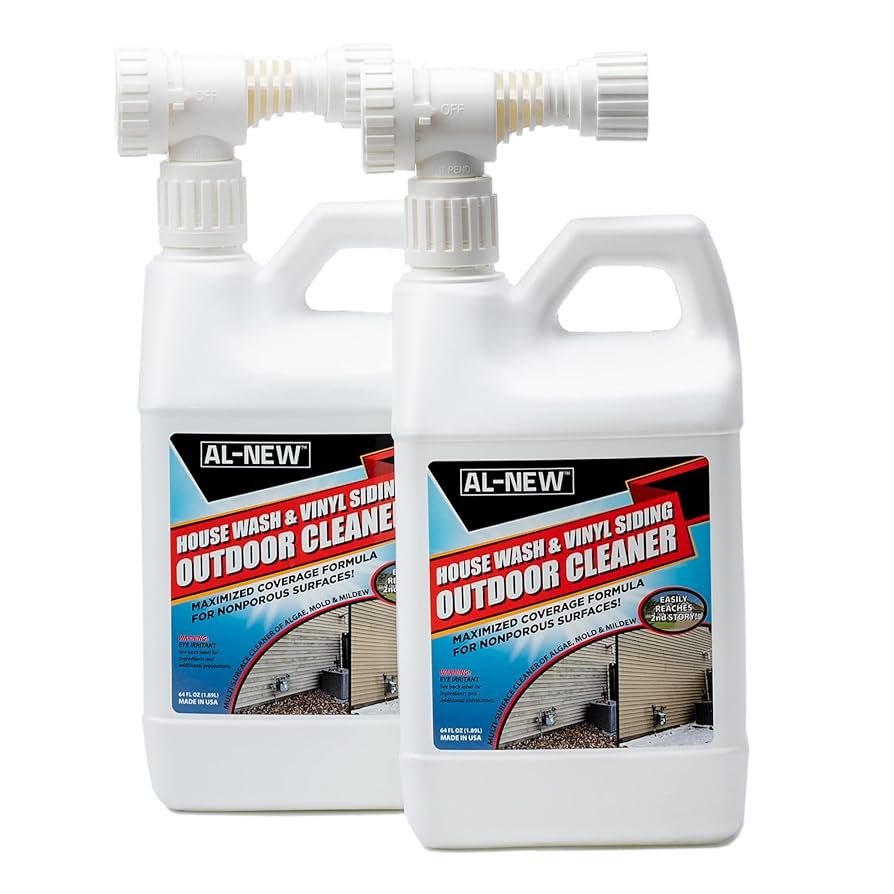
Are you wondering if you can put bleach in a hose end sprayer for your cleaning tasks? It’s a common question that many homeowners and gardeners ask before tackling tough stains or mold.
Using bleach might seem like a quick fix, but is it safe for your sprayer and your plants? You’ll discover the facts you need to know to protect your equipment and get the best results. Keep reading to avoid costly mistakes and learn smart tips that make your cleaning easier and safer.
Bleach And Hose End Sprayers
Many people use hose end sprayers for garden and outdoor cleaning. They help mix chemicals with water easily. Bleach is a strong chemical used for killing germs and whitening surfaces.
Some wonder if they can put bleach in a hose end sprayer. It is important to know how these sprayers work and what chemicals are safe to use.
How Hose End Sprayers Work
A hose end sprayer attaches to the end of a garden hose. Water flows through it and mixes with chemicals inside the sprayer. The sprayer then sprays the mixture out evenly.
The sprayer has a container for the chemical and a valve that controls the mix ratio. It makes spraying large areas easier and faster.
Types Of Chemicals Used
People use different chemicals in hose end sprayers. Common types include fertilizers, weed killers, and insect sprays. These chemicals are usually safe for sprayers if used as directed.
Bleach is a strong chemical that can damage sprayer parts. It may cause leaks or wear out seals. Some sprayers are not made to handle bleach safely.
- Fertilizers: help plants grow
- Weed killers: remove unwanted plants
- Insect sprays: control bugs
- Bleach: cleans and disinfects but may harm sprayers
Credit: www.amazon.com
Using Bleach In Hose End Sprayers
Many people wonder if bleach can be safely used in hose end sprayers. These sprayers mix water and chemicals for cleaning or disinfecting. Using bleach properly helps avoid damage to the sprayer and ensures safety.
This guide covers key points about compatibility and how to dilute bleach correctly for hose end sprayers.
Compatibility Concerns
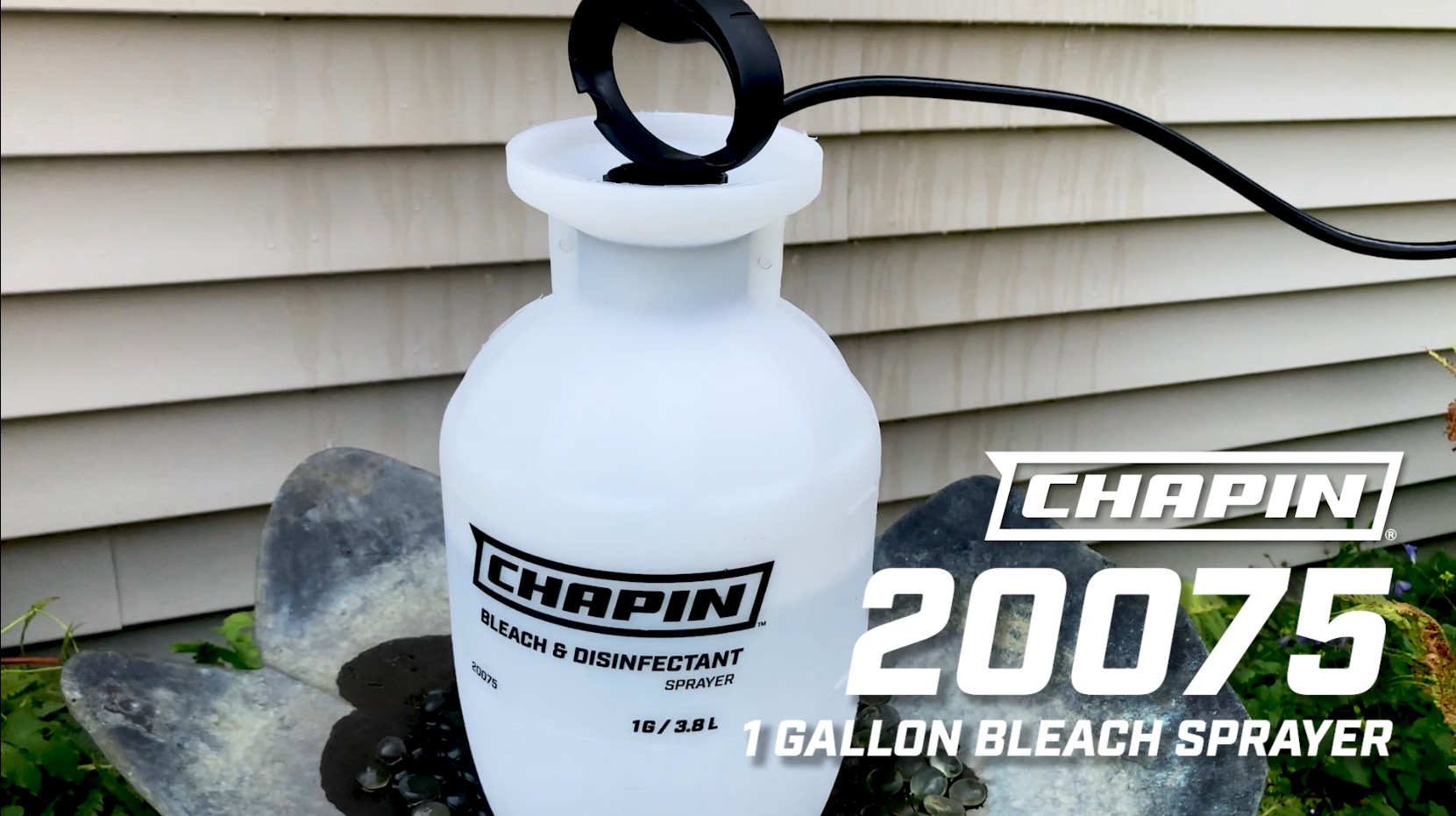
Not all hose end sprayers work well with bleach. Bleach is corrosive and can damage some parts. It may cause leaks or cracks if the sprayer is not made from compatible materials.
- Check if the sprayer label says it supports bleach.
- Plastic parts should be resistant to bleach corrosion.
- Metal parts may rust or weaken if exposed to bleach.
- Rinse the sprayer thoroughly after using bleach.
- Use sprayers designed for harsh chemicals for safety.
Dilution Guidelines
Bleach must be diluted properly before adding to a hose end sprayer. Too strong bleach can harm plants, surfaces, and the sprayer itself. Follow these dilution tips for safe use.
| Purpose | Bleach to Water Ratio | Notes |
|---|---|---|
| Disinfecting hard surfaces | 1 part bleach to 10 parts water | Use fresh mix for best results |
| Mold or mildew removal | 1 part bleach to 5 parts water | Wear gloves and eye protection |
| General cleaning | 1 part bleach to 20 parts water | Less harsh, safer for plants |
Safety Risks Of Bleach Use
Using bleach in a hose end sprayer can be risky. Bleach is a strong chemical that needs careful handling. Understanding the safety risks helps prevent harm to people and damage to equipment.
It is important to know the dangers of bleach before adding it to any sprayer. This guide explains health hazards and how bleach can harm your sprayer.
Health Hazards
Bleach can cause serious health problems if not used properly. It releases strong fumes that irritate the eyes, nose, and throat. Skin contact may cause burns or rashes.
- Bleach fumes can cause coughing and breathing problems.
- Mixing bleach with other chemicals can create toxic gases.
- Direct contact may lead to skin irritation or burns.
- Eye exposure can cause redness and pain.
- Always use bleach in a well-ventilated area.
Damage To Equipment
Bleach can damage your hose end sprayer. It may corrode metal parts and wear out rubber seals. This reduces the sprayer’s life and can cause leaks.
| Component | Effect of Bleach |
| Metal parts | Corrosion and rust |
| Rubber seals | Cracking and drying out |
| Plastic body | Weakening and discoloration |
| Spray nozzle | Clogging and damage |

Credit: www.amazon.com
Proper Handling Techniques
Using bleach in a hose end sprayer requires care to protect yourself and your equipment. Proper handling keeps you safe and ensures the sprayer works well.
Follow safety steps to avoid accidents and damage. Always prepare before mixing and spraying bleach solutions.
Protective Gear Recommendations
Wear the right protective gear to avoid skin and eye contact with bleach. Bleach can cause burns and irritation.
- Wear chemical-resistant gloves
- Use safety goggles or glasses
- Wear long sleeves and pants
- Use a face mask to avoid breathing fumes
- Work in a well-ventilated area
Safe Mixing Practices
Mix bleach with water carefully to prevent splashes and spills. Always add bleach to water, not water to bleach.
| Mixing Step | Guideline |
| Prepare water | Fill sprayer tank with the correct amount of water first |
| Add bleach | Slowly pour bleach into the water |
| Stir gently | Mix solution without causing splashes |
| Check sprayer | Ensure sprayer parts are clean and undamaged |
| Wear gear | Always wear protective equipment during mixing |
Alternatives To Bleach
Bleach is a strong chemical. It can clean surfaces well. Some people want safer options. Eco-friendly solutions are available.
These options are safer for the environment. They are also less harsh on your skin. Let’s explore these alternatives.
Eco-friendly Solutions
Eco-friendly solutions are great for cleaning. They are made from natural ingredients. These solutions are safe to use around children and pets.
- Vinegar: It cleans surfaces well and removes odors.
- Baking Soda: Great for scrubbing and whitening.
- Lemon Juice: Natural disinfectant with a fresh scent.
Other Disinfectants
There are other disinfectants besides bleach. These options can kill germs effectively. They are used in many households.
| Disinfectant | Use |
| Hydrogen Peroxide | Cleans and disinfects surfaces |
| Isopropyl Alcohol | Effective in killing bacteria |
| Tea Tree Oil | Natural antiseptic properties |

Credit: www.hdhudson.com
Maintenance After Bleach Use
Using bleach in a hose end sprayer needs careful cleaning after use. Proper maintenance keeps the sprayer safe and working well.
Bleach can damage parts if left inside the sprayer. Cleaning and storing the sprayer correctly help avoid problems.
Cleaning The Sprayer
Rinse the sprayer with clean water right after using bleach. This prevents bleach from staying inside and causing damage.
- Fill the sprayer with clean water and spray until empty
- Repeat rinsing two or three times for best results
- Remove and clean the nozzle to avoid clogs
- Check for any bleach residue and wipe if needed
Storage Tips
Store the sprayer in a dry, cool place away from sunlight. Proper storage stops wear and keeps the parts in good shape.
| Storage Condition | Reason |
| Dry Area | Prevents rust and mold |
| Cool Temperature | Protects plastic parts |
| Out of Direct Sunlight | Avoids damage from UV rays |
| Empty Sprayer | Stops bleach and water buildup |
Frequently Asked Questions
Can You Safely Put Bleach In A Hose End Sprayer?
Yes, you can put bleach in a hose end sprayer, but use it cautiously. Always dilute bleach properly to avoid damaging plants or surfaces. Rinse the sprayer thoroughly after use to prevent corrosion or residue buildup.
How To Dilute Bleach For Hose End Sprayers?
Dilute bleach with water at a ratio of about 1 part bleach to 10 parts water. This concentration is effective for cleaning and disinfecting while being safe for most outdoor uses.
Will Bleach Damage My Hose End Sprayer?
Bleach can corrode metal parts and degrade rubber components in sprayers. To prevent damage, use diluted bleach and rinse the sprayer immediately after use. Avoid prolonged exposure to bleach in the sprayer.
What Surfaces Can I Clean With Bleach In Sprayers?
Bleach in hose end sprayers is ideal for cleaning driveways, patios, and siding. Avoid using it on delicate plants or painted surfaces to prevent discoloration or damage.
Conclusion
Bleach can damage some hose end sprayers. Always check the sprayer’s label first. Use bleach only in sprayers made for harsh chemicals. Rinse the sprayer well after use. Avoid mixing bleach with other chemicals. This keeps your equipment safe and working well.
Proper care helps you clean surfaces effectively. Stay safe and protect your tools. Simple steps can save you time and money. Choose the right sprayer for your cleaning job.

