
Have you ever wondered if using a garden cart could harm your lawn? You might be surprised to learn that something as simple as moving soil or plants around can sometimes leave marks or damage your grass.
If you care about keeping your yard healthy and green, understanding how a garden cart affects your lawn is key. You’ll discover the hidden risks and easy tips to protect your grass while making your gardening tasks easier. Keep reading to find out how to keep your lawn looking its best without giving up the convenience of your garden cart.
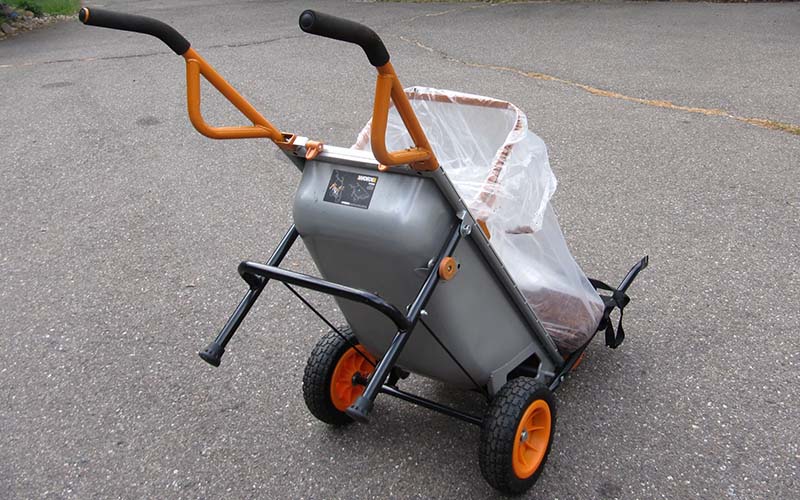
Credit: gardeningproductsreview.com
Impact Of Garden Carts On Lawn
Garden carts help move tools and plants easily in the yard. They save effort but can harm the lawn if used carelessly.
Understanding how garden carts affect your grass and soil helps keep your lawn healthy and green.
Soil Compaction Effects
Garden carts press down on the soil. This compacts the soil and reduces air and water flow. Roots find it hard to grow in compacted soil.
- Less air reaches plant roots
- Water drains poorly
- Roots cannot spread well
- Grass growth slows down
Grass Blade Damage
The wheels of garden carts can crush grass blades. This makes the grass look brown and unhealthy. Repeated damage can kill the grass.
| Damage Type | Effect on Grass |
| Crushed Blades | Browning and weak growth |
| Broken Stems | Reduced photosynthesis |
| Flattened Grass | Slower recovery and growth |
Ruts And Uneven Surfaces
Heavy garden carts can leave ruts in the lawn. These deep marks create uneven surfaces that are hard to mow and walk on.
Tips to reduce ruts:
- Use garden carts on paths or hard surfaces
- Spread the load evenly
- Avoid wet or soft ground
- Lift the cart over soft spots if possible

Credit: flint.craigslist.org
Factors Increasing Lawn Damage
Using a garden cart can harm your lawn. Some factors make the damage worse. Knowing these can help you protect your grass.
This article explains key reasons why a garden cart may cause more damage to your lawn.
Weight And Load Of The Cart
Heavy carts press down hard on the grass. When the cart carries a big load, the pressure increases. This can crush grass and soil.
- Heavier carts leave deeper marks
- More weight causes soil compaction
- Overloaded carts strain grass roots
Frequency Of Use
Using the garden cart often raises the chance of damage. Repeated passes over the same spot can kill grass. The soil can also become hard and compacted.
| Use Frequency | Effect on Lawn |
| Once a week | Minimal damage |
| Several times a week | Moderate damage and soil compaction |
| Daily | Severe damage and bare patches |
Wet And Soft Ground Conditions
Wet soil is softer and less able to hold weight. Garden carts sink more deeply in wet ground. This leads to ruts and torn grass.
- Wet soil increases cart sinking
- Soft ground causes tire marks
- Grass roots get damaged more easily
- Dry ground spreads weight better
Choosing The Right Garden Cart
Using a garden cart can make yard work easier. But a wrong cart can damage your lawn.
Picking the right garden cart helps protect your grass and makes work smooth.
Wheel Type And Size
The wheel type and size affect how the cart moves on grass. Bigger wheels spread weight better.
Soft rubber wheels are gentle on lawns. Hard plastic wheels can dig into soft ground.
- Large wheels reduce pressure on grass
- Wide wheels prevent sinking in soft soil
- Rubber wheels provide good grip without damage
- Plastic wheels are cheaper but may harm lawn
Material And Build Quality
Strong materials help the cart last longer. Metal carts are sturdy but heavy.
Plastic carts are lighter but may crack. Choose a build that suits your lawn size and tasks.
- Metal carts handle heavy loads well
- Plastic carts are easier to carry and store
- Check for rust resistance on metal carts
- Look for thick, durable plastic to avoid cracks
Cart Weight Considerations
Heavy carts can press hard on grass and cause damage. Lighter carts are easier to move.
Balance cart weight with load capacity. A very light cart may break under heavy loads.
- Choose a cart light enough to avoid lawn damage
- Check maximum load capacity before buying
- Consider ease of pushing or pulling the cart
Techniques To Protect Lawn
Using a garden cart can sometimes hurt your lawn. The wheels and heavy load can cause dents and damage the grass. You can protect your lawn with simple techniques.
These tips help keep your grass healthy while moving heavy items. They reduce pressure and stop soil from getting compacted.
Distributing Load Evenly
Spread the weight of your load across the cart. This stops one spot from getting too much pressure. A balanced load helps avoid deep wheel marks in the grass.
Place heavy items near the center of the cart. Avoid stacking all weight on one side or the back. This keeps the cart stable and the lawn safe.
Using Protective Mats Or Boards
Put mats or boards under the wheels when moving the cart on the grass. These spread the weight over a larger area. They stop wheels from sinking into the soil.
- Use plywood or plastic mats for protection
- Place mats where the cart will roll
- Check mats often for damage or dirt
Limiting Cart Movement On Wet Grass
Wet grass is soft and easy to damage. Avoid pushing or pulling the garden cart on wet lawns. Wait until the grass is dry for safer movement.
If you must move the cart on wet grass, do it slowly and carefully. This reduces the chance of deep ruts and soil damage.
Maintenance After Cart Use
Using a garden cart can sometimes cause damage to your lawn. It is important to take care of your grass after moving heavy loads. Proper maintenance helps the lawn recover quickly and stay healthy.
Below are some tips on how to repair grass, improve soil, and keep your lawn in good shape after using a garden cart.
Repairing Damaged Grass
Look for areas where the grass is crushed or torn. These spots need attention to grow back strong. Start by trimming dead grass and loosening the soil around the damaged parts.
- Remove dead grass and debris carefully.
- Loosen the soil with a rake to let air reach the roots.
- Spread grass seed over the damaged spots evenly.
- Water the area gently but thoroughly.
- Keep the soil moist until new grass grows.
Aerating Compacted Soil
Heavy carts can compress soil, making it hard for grass roots to breathe. Aerating the soil helps air, water, and nutrients reach deep roots. You can use a garden fork or an aerator tool for this task.
| Method | Description |
| Manual Aeration | Use a garden fork to poke holes in the soil every few inches. |
| Core Aeration | Remove small plugs of soil to reduce compaction. |
| Spike Aeration | Push spikes into the soil to create air channels. |
Regular Lawn Care Practices
Keeping your lawn healthy helps it resist damage from garden carts. Good habits support strong grass and soil structure. Follow these simple practices to maintain a lush lawn.
- Mow your lawn regularly to the right height.
- Water deeply but less often to encourage deep roots.
- Fertilize seasonally to provide nutrients.
- Remove weeds to reduce competition for resources.
- Avoid driving carts over the same spots repeatedly.

Credit: www.yahoo.com
Frequently Asked Questions
Can A Garden Cart Damage My Lawn?
Yes, a garden cart can damage your lawn by creating ruts and compacting soil. Heavy loads worsen the impact. Using carts with wide tires helps reduce damage.
How To Prevent Lawn Damage From Garden Carts?
To prevent lawn damage, use garden carts with pneumatic tires. Avoid overloading the cart. Distribute weight evenly and limit trips on wet or soft grass.
Are Plastic Wheels Better For Lawns?
Plastic wheels are lighter but can cause more damage on soft grass. Pneumatic or rubber tires offer better cushioning and minimize lawn damage.
When Is The Best Time To Use A Garden Cart On Lawn?
Use garden carts when the lawn is dry and firm. Wet soil is more prone to damage and compaction from cart wheels.
Conclusion
Garden carts can cause lawn damage if used carelessly. Heavy loads and sharp wheels can leave marks on grass. Avoid dragging the cart over wet or soft areas. Spread the weight evenly to reduce pressure on the lawn. Using garden paths or hard surfaces helps protect the grass.
Regular lawn care repairs small damages quickly. Taking simple steps keeps your lawn healthy and strong. A well-used garden cart won’t harm your yard much. Just pay attention to where and how you push it.

