

Are you wondering if a backpack sprayer is the right tool for applying pesticides? You might think it’s simple, but using the wrong equipment can affect your results and safety.
Imagine getting the job done faster, with less effort, and without worrying about harmful exposure. This article will guide you through everything you need to know about using a backpack sprayer for pesticides. By the end, you’ll feel confident making the best choice for your garden or farm.
Keep reading to discover tips that can save you time, money, and headaches.

Credit: www.petratools.com
Backpack Sprayers Basics
Backpack sprayers help apply liquids like pesticides and fertilizers. They hold the liquid in a tank worn on the back.
These sprayers make it easy to cover large areas while keeping hands free for control.
Types Of Backpack Sprayers
There are different types of backpack sprayers. Each type fits a specific need and budget.
- Manual Sprayers: Pump by hand to build pressure.
- Battery-Powered Sprayers: Use a battery to spray without pumping.
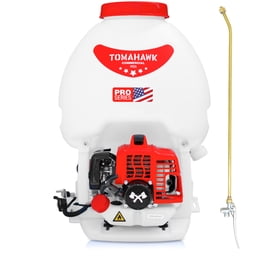
- Gas-Powered Sprayers: Use a small engine to create pressure.
Key Components
Backpack sprayers have several important parts. Each one helps the sprayer work well and safely.
| Component | Function |
| Tank | Holds the liquid to spray |
| Pump | Builds pressure for spraying |
| Hose | Delivers liquid from tank to nozzle |
| Nozzle | Controls spray pattern and flow |
| Straps | Hold the sprayer on the back |
How They Work
You fill the tank with pesticide or another liquid. Then, pressurize the tank by pumping or using power.
The liquid moves through the hose to the nozzle. The nozzle sprays the liquid in a fine mist or stream. You control the spray with a trigger or valve. This lets you target plants precisely.
Pesticide Application Methods
Backpack sprayers are common tools for applying pesticides. They help control pests on plants and crops.
Using the right method ensures pesticides work well and stay safe for people and nature.
Common Pesticide Types
Pesticides come in different forms. Each type needs proper handling and spraying methods.
Some common types include insecticides, herbicides, and fungicides.
- Insecticides:Kill or control insects.
- Herbicides:Remove or prevent unwanted plants.
- Fungicides:Stop fungal diseases on plants.
- Rodenticides:Control rats and mice.
Spraying Techniques
Backpack sprayers allow different spraying ways. Choose the best technique for your task.
Common techniques include spot spraying, broadcast spraying, and directed spraying.
- Spot spraying:Spray small areas with pests.
- Broadcast spraying:Cover large areas evenly.
- Directed spraying:Aim spray directly at the pest or plant.
Safety Precautions
Safety is very important when using backpack sprayers with pesticides. Always protect yourself.
Wear protective gear and follow label instructions carefully to avoid harm.
- Wear gloves, masks, and long clothes.
- Do not spray on windy days.
- Keep children and pets away from sprayed areas.
- Clean sprayer after use to avoid chemical build-up.
- Store pesticides in safe, locked places.
Using Backpack Sprayers For Pesticides
Backpack sprayers are common tools for applying pesticides in gardens and farms. They allow precise spraying in hard-to-reach areas. Many users find them convenient for small to medium-sized spaces.
Knowing how to use backpack sprayers correctly helps protect plants and reduces waste. Safety and efficiency depend on the pesticide type and sprayer handling.
Suitability For Different Pesticides
Backpack sprayers work well with liquid pesticides like insecticides, herbicides, and fungicides. Some powders and granules may not mix properly in these sprayers. Check the pesticide label before use.
- Liquid pesticides that dissolve in water are ideal.
- Emulsifiable concentrates mix well with backpack sprayers.
- Avoid thick or sticky pesticides that can clog nozzles.
- Do not use backpack sprayers for dry or granular pesticides.
Mixing And Loading
Mix pesticides carefully in a clean container before adding to the sprayer tank. Follow the label instructions on the amount and mixing ratios. Use clean water to avoid chemical reactions.
| Step | Action |
| 1 | Wear protective gloves and eyewear. |
| 2 | Measure pesticide accurately according to label. |
| 3 | Pour pesticide into a mixing container. |
| 4 | Add water slowly and stir well. |
| 5 | Fill the sprayer tank with the mix. |
| 6 | Close tank securely and shake gently. |
Spraying Tips For Efficiency
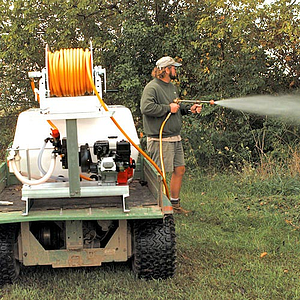
Spraying evenly and carefully saves pesticide and protects plants. Adjust the nozzle for the right spray pattern. Spray when the weather is calm to reduce drift.
- Test spray on a small area before full application.
- Keep a steady walking pace for even coverage.
- Spray early morning or late afternoon for best results.
- Do not spray on windy or rainy days.
- Clean the sprayer after use to prevent clogging.
Credit: info.sprayerdepot.com
Maintenance And Cleaning
Using a backpack sprayer for pesticides needs careful cleaning. Proper care keeps the sprayer working well and safe.
Cleaning after each use helps stop damage and keeps chemicals from mixing.
Post-use Cleaning Steps
Clean the sprayer soon after using it. Rinse the tank with water to remove leftover pesticides.
Flush the hose and nozzle with clean water. This stops clogs and keeps sprays even.
- Empty the tank completely
- Fill the tank with clean water and shake
- Spray water through the nozzle to clear it
- Use a soft brush to clean filters and parts
- Let all parts dry before storage
Preventing Cross-contamination
Use separate sprayers for different chemicals if possible. This avoids mixing harmful substances.
Always clean the sprayer well after one chemical before using another. This keeps plants safe.
- Label sprayers for specific chemicals
- Rinse sprayer thoroughly after each use
- Check nozzles and hoses for residue
- Wear gloves and protective gear during cleaning
Storage Guidelines
Store the sprayer in a dry, cool place. Avoid direct sunlight to prevent damage.
Keep the sprayer clean and dry before storing. This stops rust and mold growth.
- Empty and dry all parts fully
- Keep sprayer away from children and pets
- Store with nozzle removed or open
- Check sprayer before each use
Safety Measures
Using a backpack sprayer for pesticides requires caution. Safety measures protect you and others from harm.
Follow rules to handle pesticides safely and avoid accidents or exposure.
Personal Protective Equipment
Wear the right protective gear before using a backpack sprayer with pesticides. This reduces risks of skin contact, inhalation, and eye injuries.
- Long-sleeved shirts and long pants
- Waterproof gloves
- Protective goggles or face shield
- Respirator or mask approved for pesticides
- Rubber boots
Handling Spills And Leaks
Spills or leaks can be dangerous. Clean them up immediately and safely.
- Stop the sprayer and turn it off.
- Wear gloves and protective equipment before cleaning.
- Use absorbent materials like sand or kitty litter to soak up spills.
- Place contaminated materials in a sealed container.
- Wash the area with water and detergent after absorbing the spill.
Disposal Of Leftover Pesticides
Dispose of leftover pesticides carefully. Do not pour them down drains or on the ground.
| Disposal Method | Instructions |
| Use Up | Apply leftover pesticide according to label directions. |
| Local Collection | Take leftover chemicals to hazardous waste collection sites. |
| Container Disposal | Rinse containers three times and puncture before recycling or trash. |
Troubleshooting Common Issues
Using a backpack sprayer for pesticides can be tricky. Problems often arise during use. Understanding and fixing common issues is important for effective spraying.
Here are some typical problems you might encounter. Learn how to identify and solve them easily.
Clogged Nozzles
Nozzles can clog with dirt or dried chemicals. This stops the sprayer from working properly. Cleaning the nozzle is necessary to restore function.
- Remove the nozzle and soak in warm water
- Use a soft brush to clean the inside
- Rinse thoroughly before reattaching
Pressure Problems
Pressure problems can affect spray consistency. If the sprayer doesn’t maintain pressure, check the pump. A faulty pump can cause uneven spraying.
Ensure all seals are tight. Replace any worn or damaged parts to fix pressure issues.
Sprayer Leaks
Leaks can waste pesticide and harm plants. Inspect the sprayer for cracks or loose fittings. Fixing leaks quickly is important for safety and efficiency.
- Check seals and gaskets for wear
- Tighten any loose connections
- Replace damaged parts immediately
Credit: www.walmart.ca
Frequently Asked Questions
Can A Backpack Sprayer Safely Apply Pesticides?
Yes, backpack sprayers are designed to apply pesticides safely when used with proper protective gear and following instructions. Always clean the sprayer thoroughly after use to prevent contamination.
What Types Of Pesticides Can A Backpack Sprayer Handle?
Backpack sprayers can handle liquid pesticides like herbicides, insecticides, and fungicides. Avoid thick or abrasive chemicals that may clog the sprayer or damage its components.
How Do I Clean A Backpack Sprayer After Pesticides?
Rinse the sprayer multiple times with clean water and a mild detergent. Dispose of rinse water safely to avoid environmental contamination. Proper cleaning prevents chemical residue buildup and equipment damage.
Are Backpack Sprayers Effective For Large Pesticide Applications?
Backpack sprayers are best for small to medium areas. For large-scale pesticide application, consider using larger equipment like boom sprayers for better efficiency and coverage.
Conclusion
A backpack sprayer works well for applying pesticides safely. It helps reach plants evenly and saves time. Always wear protective gear to avoid contact with chemicals. Clean the sprayer after every use to keep it working well. Follow the pesticide instructions carefully for best results.
Using the right sprayer makes garden care easier and more effective. Simple steps can protect your plants and keep you safe. Choose the right tools, stay cautious, and your garden will thrive.

