
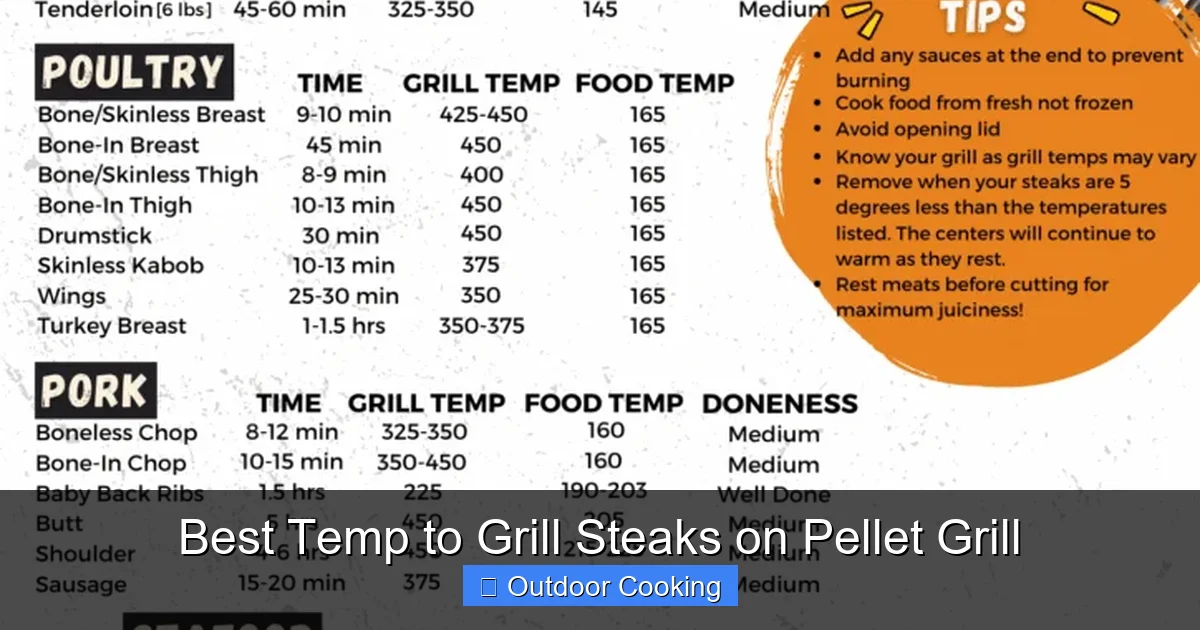
Grilling the perfect steak on a pellet grill starts with the right temperature. Whether you prefer a smoky medium-rare or a well-done char, knowing the best temp to grill steaks on pellet grill ensures juicy, flavorful results every time. This guide breaks down ideal heat settings, cooking techniques, and pro tips for steak success.
Grilling steaks on a pellet grill is one of the most rewarding experiences a backyard chef can enjoy. The combination of wood-fired flavor, consistent heat, and hands-off convenience makes pellet grills a favorite among outdoor cooking enthusiasts. But even with advanced technology, the secret to a perfect steak still comes down to one critical factor: temperature.
Unlike gas or charcoal grills, pellet grills offer precise temperature control, allowing you to cook at low, medium, or high heat with minimal effort. This versatility means you can adapt your cooking style to the cut of steak, your desired doneness, and even the weather. However, with so many options, it’s easy to get confused about the best temp to grill steaks on pellet grill. Should you go low and slow? Crank it up for a quick sear? Or use a hybrid approach?
In this guide, we’ll walk you through everything you need to know to master steak grilling on your pellet grill—from choosing the right temperature to nailing the perfect crust and internal doneness. Whether you’re a weekend griller or a seasoned pitmaster, these tips will help you elevate your steak game and impress your guests every time.
Key Takeaways
- Low and slow (225°F–250°F): Ideal for thicker cuts like ribeye or porterhouse, allowing deep smoke penetration and tender results.
- Medium heat (350°F–375°F): Perfect balance for most steaks, offering a good sear with even cooking and rich flavor.
- High heat (450°F–500°F): Best for thin cuts or when you want a bold crust; requires careful timing to avoid overcooking.
- Reverse sear method: Cook low and slow first, then finish with a high-heat sear for restaurant-quality texture.
- Use a meat thermometer: Ensures accurate doneness—125°F for rare, 135°F for medium-rare, 145°F for medium.
- Pellet choice matters: Use hickory or mesquite for bold flavor, fruitwoods like cherry or apple for a milder touch.
- Rest your steak: Let it rest 5–10 minutes after grilling to lock in juices and enhance flavor.
📑 Table of Contents
Understanding Pellet Grill Basics
Before diving into temperature specifics, it’s important to understand how pellet grills work. Pellet grills use compressed wood pellets as fuel, which are fed into a fire pot by an auger. An electric igniter lights the pellets, and a digital controller maintains the set temperature by adjusting the pellet feed rate and fan speed. This system provides consistent, even heat—perfect for everything from slow-smoked brisket to sizzling steaks.
One of the biggest advantages of pellet grills is their ability to maintain steady temperatures for long periods. This makes them ideal for both low-and-slow cooking and high-heat searing, depending on your setup. Most pellet grills can reach temperatures between 180°F and 500°F, giving you full control over your cooking style.
However, not all pellet grills are created equal. Some models have better heat distribution, while others may struggle to achieve high searing temperatures. If you’re serious about grilling steaks, consider investing in a grill with a dedicated searing zone or a cast-iron griddle insert. These features help create the intense, direct heat needed for a perfect crust.
Choosing the Right Temperature for Your Steak
The best temp to grill steaks on pellet grill depends on several factors: the thickness of the steak, your preferred doneness, and the cooking method you choose. Here’s a breakdown of the three main temperature ranges and when to use them.
Low and Slow (225°F–250°F)
Cooking at low temperatures is ideal for thick, premium cuts like ribeye, porterhouse, or tomahawk steaks—typically 1.5 inches or thicker. At 225°F to 250°F, the steak cooks slowly, allowing the smoke to penetrate deeply and break down connective tissues for a tender, juicy result. This method is especially great if you’re aiming for medium-rare or medium doneness.
For example, a 2-inch ribeye cooked at 250°F will take about 45 minutes to an hour to reach an internal temperature of 125°F (rare). The slow cook ensures even heating and minimizes the risk of overcooking the edges while the center remains underdone.
Pro tip: Use this method if you’re planning to reverse sear your steak. Cook it low and slow first, then finish it on high heat for a crispy exterior.
Medium Heat (350°F–375°F)
This is the sweet spot for most steak grilling. At 350°F to 375°F, you get a nice balance of smoke flavor, even cooking, and a decent sear. It’s perfect for steaks that are 1 to 1.5 inches thick, such as New York strip or filet mignon.
At this temperature, a 1.25-inch strip steak will take about 12 to 15 minutes to reach medium-rare (130°F–135°F internal temp). The grill maintains consistent heat, so you don’t have to worry about hot spots or flare-ups.
This range is also great for beginners because it’s forgiving and doesn’t require constant monitoring. Just set the temp, place the steak on the grill, and let the pellet grill do the work.
High Heat (450°F–500°F)
If you love a bold, caramelized crust, high heat is the way to go. Cooking at 450°F to 500°F mimics the intense heat of a professional broiler or charcoal grill, creating a delicious Maillard reaction on the steak’s surface.
This method works best for thinner cuts like flank steak, skirt steak, or flat iron—typically under 1 inch thick. Because these steaks cook quickly, high heat ensures a fast sear without drying out the meat.
For example, a ¾-inch flank steak grilled at 475°F will take only 3 to 4 minutes per side to reach medium-rare. Keep a close eye on it, as high heat can quickly turn a perfect steak into an overcooked one.
Note: Not all pellet grills can reliably reach 500°F. Check your model’s max temperature and consider using a cast-iron skillet or griddle on the grill to boost heat for searing.
The Reverse Sear Method: Best of Both Worlds
One of the most popular techniques among steak lovers is the reverse sear. This method combines low-and-slow cooking with a high-heat finish, resulting in a steak that’s evenly cooked inside and beautifully seared outside.
Here’s how it works:
1. Set your pellet grill to 225°F–250°F.
2. Place the steak on the grill and cook until it reaches about 10°F–15°F below your target internal temperature (e.g., 115°F for medium-rare).
3. Remove the steak and let it rest for 5–10 minutes.
4. Increase the grill temperature to 450°F–500°F (or use a cast-iron pan on the grill).
5. Sear the steak for 1–2 minutes per side to develop a crust.
6. Let it rest again before slicing.
The reverse sear is especially effective for thick cuts, as it prevents the outside from burning while the inside cooks evenly. It also gives you more control over doneness, reducing the risk of overcooking.
Choosing the Right Wood Pellets
The type of wood pellets you use can significantly impact the flavor of your steak. While temperature controls doneness, pellets influence taste. Here are some popular options:
– **Hickory:** Strong, smoky, and slightly sweet—great for bold-flavored cuts like ribeye or strip steak.
– **Mesquite:** Intense and earthy, best used sparingly or mixed with milder woods. Ideal for hearty steaks.
– **Oak:** Balanced and versatile, offering a medium smoke flavor that complements most meats.
– **Cherry:** Mild and fruity, adds a subtle sweetness and beautiful reddish hue to the steak.
– **Apple:** Delicate and slightly sweet, perfect for leaner cuts like filet mignon.
For a classic steakhouse flavor, try a blend of hickory and oak. If you prefer a lighter touch, go with cherry or apple. Avoid using overly strong pellets like mesquite on their own unless you enjoy a very smoky taste.
Pro tip: Soak your steaks in a simple dry rub (salt, pepper, garlic powder) for 30 minutes before grilling. This enhances flavor and helps form a better crust.
Monitoring Doneness and Resting Your Steak
No matter the temperature or method, the key to a perfect steak is knowing when it’s done. Relying on time alone is risky—steak thickness, ambient temperature, and grill performance can all affect cooking time.
Instead, use a reliable instant-read meat thermometer. Insert it into the thickest part of the steak, avoiding bone or fat. Here are the target internal temperatures for common doneness levels:
– Rare: 120°F–125°F
– Medium-rare: 130°F–135°F (most recommended for flavor and juiciness)
– Medium: 140°F–145°F
– Medium-well: 150°F–155°F
– Well-done: 160°F+
Once your steak reaches the desired temperature, remove it from the grill and let it rest on a cutting board or warm plate for 5–10 minutes. Resting allows the juices to redistribute throughout the meat, ensuring every bite is moist and flavorful.
Common Mistakes to Avoid
Even with the best temp to grill steaks on pellet grill, mistakes can happen. Here are a few to watch out for:
– **Opening the lid too often:** This causes temperature fluctuations and extends cooking time. Trust your thermometer and resist the urge to peek.
– **Not preheating the grill:** Always preheat your pellet grill for at least 10–15 minutes to ensure even heat distribution.
– **Overcrowding the grill:** Leave space between steaks for proper airflow and consistent cooking.
– **Skipping the rest:** Cutting into your steak too soon lets the juices escape, resulting in a drier bite.
– **Using low-quality pellets:** Cheap or damp pellets can produce inconsistent heat and unpleasant flavors.
Final Thoughts
Grilling the perfect steak on a pellet grill is both an art and a science. By understanding the best temp to grill steaks on pellet grill—and pairing it with the right technique, wood choice, and attention to detail—you can consistently deliver restaurant-quality results at home.
Whether you prefer the deep smoke of a low-and-slow cook or the bold crust of a high-heat sear, your pellet grill is capable of handling it all. Experiment with different temperatures, cuts, and methods to find your personal favorite. And remember: the best steak is the one you enjoy most.
So fire up that grill, grab your favorite cut, and get ready to savor every juicy, smoky bite.
Frequently Asked Questions
What is the best temp to grill steaks on pellet grill for medium-rare?
The best temp to grill steaks on pellet grill for medium-rare is 350°F–375°F. This range allows for even cooking and a nice sear. Use a meat thermometer to check for an internal temperature of 130°F–135°F.
Can you sear a steak on a pellet grill?
Yes, you can sear a steak on a pellet grill by setting the temperature to 450°F–500°F. For better results, use a cast-iron skillet or griddle on the grill to increase direct heat and create a crispy crust.
Should I use the reverse sear method on a pellet grill?
Absolutely. The reverse sear method works great on pellet grills. Cook the steak low and slow at 225°F–250°F first, then finish with a high-heat sear for a perfect crust and even doneness.
How long does it take to grill a steak on a pellet grill?
Cooking time depends on thickness and temperature. A 1.25-inch steak at 375°F takes about 12–15 minutes for medium-rare. Thicker cuts may take 45+ minutes at lower temps.
What wood pellets are best for grilling steaks?
Hickory, oak, and cherry are excellent choices. Hickory adds bold smoke, oak offers balance, and cherry gives a mild, sweet flavor. Avoid overly strong pellets like mescrete unless you enjoy intense smoke.
Do I need to rest my steak after grilling?
Yes, always rest your steak for 5–10 minutes after grilling. This allows the juices to redistribute, resulting in a more flavorful and tender bite.

