
Grilling the perfect steak on a pellet grill starts with choosing the right temperature. The ideal range is 450°F to 500°F—hot enough for a beautiful crust but gentle enough to preserve moisture and tenderness. With the right temp, technique, and timing, your steaks will be restaurant-quality every time.
Key Takeaways
- Best grilling temperature: 450°F to 500°F delivers a perfect sear while keeping the inside juicy and tender.
- Preheating is essential: Always preheat your pellet grill for 10–15 minutes to ensure even heat and proper searing.
- Use a meat thermometer: Monitor internal temperature closely—125°F for rare, 135°F for medium-rare, and 145°F for medium.
- Choose the right cut: Ribeye, New York strip, and filet mignon work best due to their marbling and thickness.
- Reverse sear for thicker cuts: Cook low and slow first (225°F), then finish with a high-heat sear for even doneness.
- Let steaks rest: Allow 5–10 minutes after grilling so juices redistribute before slicing.
- Pellet choice matters: Use hardwood pellets like hickory or oak for bold flavor, or fruitwoods like cherry for a subtler touch.
📑 Table of Contents
- Why Temperature Matters When Grilling Steaks on a Pellet Grill
- The Ideal Temperature Range for Grilling Steaks
- Preheating: The Secret to a Perfect Sear
- Choosing the Right Cut and Preparing Your Steak
- Mastering the Sear: Technique Matters
- Monitoring Doneness: The Role of a Meat Thermometer
- Resting: The Final Step for Juicy Steaks
- Choosing the Right Pellets for Flavor
- Common Mistakes to Avoid
- Conclusion
Why Temperature Matters When Grilling Steaks on a Pellet Grill
Grilling a steak isn’t just about throwing it on the grill and hoping for the best. It’s a science—and temperature is the most important variable. On a pellet grill, which combines the convenience of an oven with the flavor of a smoker, getting the heat just right ensures your steak develops that coveted crust while staying tender and juicy inside.
Unlike gas or charcoal grills, pellet grills use wood pellets and convection heat to cook food slowly and evenly. This makes them excellent for smoking, but they can also deliver fantastic searing power when set to the right temperature. The key is finding the sweet spot where the Maillard reaction—the chemical process that creates that rich, browned crust—happens quickly, without overcooking the interior.
The Ideal Temperature Range for Grilling Steaks
So, what’s the best temp to grill steaks on a pellet grill? Most pitmasters and chefs agree: 450°F to 500°F is the gold standard. This high-heat range gives you the intense sear you’re after while still allowing the pellet grill’s convection system to cook the steak evenly from all sides.
Why 450°F to 500°F Works Best
At 450°F and above, the surface of the steak heats up rapidly, triggering the Maillard reaction within minutes. This creates that deep, savory crust that makes a steak irresistible. But because pellet grills circulate hot air, the interior doesn’t cook too quickly—giving you time to reach your desired doneness without burning the outside.
For example, a 1.5-inch thick ribeye grilled at 475°F will typically take about 4–5 minutes per side for medium-rare. That’s fast enough to avoid drying out, but slow enough to let the flavors develop. If you go much lower—say, 400°F—you’ll lose that crisp exterior and end up with a steamed or boiled texture instead of a true grill mark.
Adjusting for Steak Thickness
Thicker steaks (2 inches or more) benefit from a slightly lower starting temperature, around 425°F to 450°F, to prevent the outside from charring before the center is done. Conversely, thinner cuts like skirt or flank steak can handle the full 500°F for a quick, high-heat sear.
Always remember: thickness matters more than width. A thick filet mignon needs more time, even at high heat, while a flat-iron steak can go from raw to perfect in under 6 minutes.
Preheating: The Secret to a Perfect Sear
One of the most common mistakes people make is skipping the preheat. Just like you wouldn’t bake cookies in a cold oven, you shouldn’t grill steaks on a cold pellet grill. Preheating ensures the grates are hot enough to sear instantly when the steak hits the surface.
How Long to Preheat
Allow your pellet grill to preheat for at least 10–15 minutes at your target temperature. This gives the fire pot time to stabilize and the grates to absorb heat. Some high-end models even have a “sear mode” that ramps up to 500°F+ for this exact purpose.
Pro tip: While the grill heats, take your steaks out of the fridge and let them sit at room temperature for 20–30 minutes. Cold meat cooks unevenly, and starting with a chilled steak can lead to a gray band of overcooked meat just under the crust.
Checking Grate Temperature
Use an infrared thermometer to check the surface temperature of your grates. You’re aiming for 450°F to 500°F. If it’s lower, give it more time. If it’s higher, reduce the pellet feed slightly or open the lid for a minute to cool it down.
Choosing the Right Cut and Preparing Your Steak
Not all steaks are created equal—especially when it comes to grilling. The best cuts for pellet grilling have good marbling (fat distributed throughout the meat), which melts during cooking and keeps the steak moist and flavorful.
Top Steak Cuts for Pellet Grills
- Ribeye: Rich, buttery, and full of flavor. Ideal for high-heat grilling.
- New York Strip: Leaner than ribeye but still tender with great texture.
- Filet Mignon: Extremely tender but less fatty—best when reverse seared.
- Tomahawk: A showstopper with a long bone. Requires careful timing at high heat.
- Flat Iron: Affordable and flavorful, great for quick sears.
Seasoning and Prep Tips
Keep it simple: salt and pepper are all you really need. Season generously on both sides about 40 minutes before grilling—this allows the salt to penetrate and enhance flavor. Avoid wet marinades, which can prevent proper browning.
Pat the steaks dry with paper towels before seasoning. Moisture is the enemy of a good sear—it turns to steam and blocks the Maillard reaction. A dry surface = a crispy crust.
Mastering the Sear: Technique Matters
Even at the best temp to grill steaks on a pellet grill, technique makes the difference between good and great. Here’s how to nail the sear every time.
Two-Zone Cooking (Indirect + Direct Heat)
Most pellet grills don’t have traditional direct and indirect zones like charcoal grills, but you can simulate them. Place a cast-iron skillet or grill grate directly over the fire pot for maximum heat. This creates a “hot zone” for searing.
Alternatively, use the reverse sear method: cook the steak at 225°F first until it reaches about 10–15°F below your target internal temp, then crank the grill to 500°F and sear for 1–2 minutes per side. This is ideal for thick cuts and ensures even doneness.
Don’t Move the Steak Too Soon
Once you place the steak on the grill, leave it alone for at least 2–3 minutes. Moving it too soon will tear the crust and prevent proper browning. You’ll know it’s ready to flip when it releases easily from the grates.
Use tongs—never a fork—to flip. Piercing the meat lets juices escape, leading to a drier steak.
Monitoring Doneness: The Role of a Meat Thermometer
Guessing doneness by touch or time alone is risky. The only reliable way to know your steak is done is with an instant-read meat thermometer.
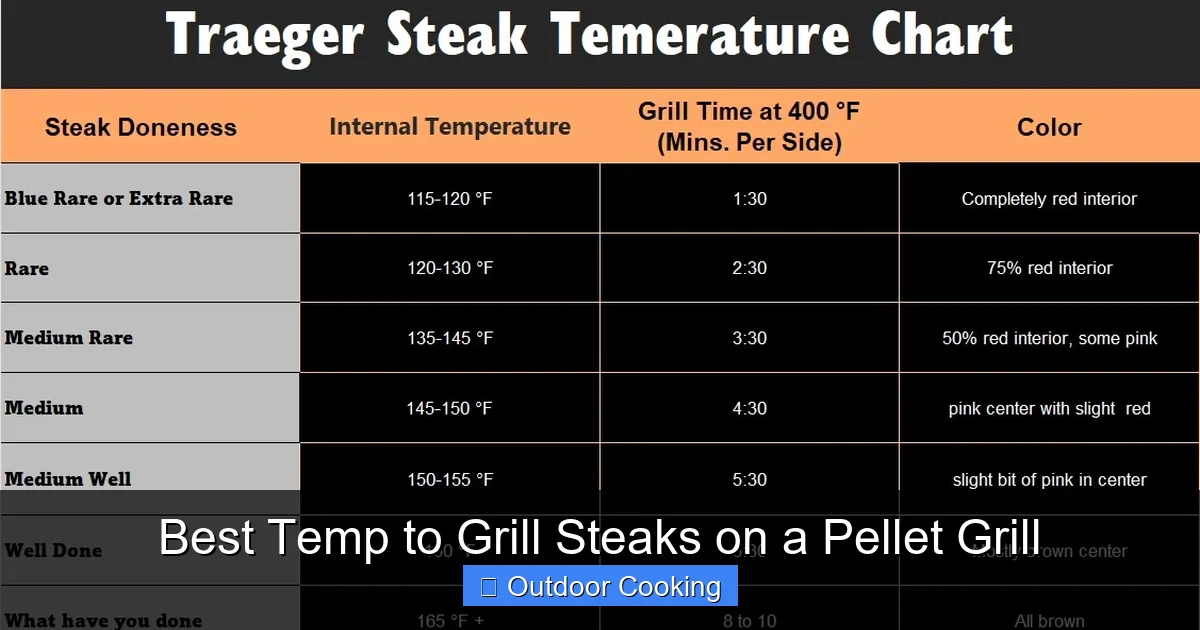
Target Internal Temperatures
- Rare: 120°F–125°F (cool red center)
- Medium-Rare: 130°F–135°F (warm red center)—most recommended
- Medium: 140°F–145°F (pink center)
- Medium-Well: 150°F–155°F (slightly pink)
- Well-Done: 160°F+ (no pink)
Insert the probe into the thickest part of the steak, avoiding the bone. For accuracy, take readings from multiple spots, especially in uneven cuts.
Carryover Cooking
Remember: the steak’s temperature will rise 5°F–10°F after you take it off the grill. So, pull it when it’s 5°F below your target. For example, remove a medium-rare steak at 130°F—it’ll settle at 135°F while resting.
Resting: The Final Step for Juicy Steaks
Resting isn’t optional—it’s essential. When you cut into a steak immediately after grilling, all the juices rush out, leaving the meat dry. Resting allows those juices to redistribute.
How Long to Rest
Let your steak rest for 5–10 minutes, loosely tented with foil. Thicker cuts need closer to 10 minutes. During this time, the internal temperature stabilizes, and the fibers relax, making each bite tender and moist.
Pro tip: Rest steaks on a warm plate or near the edge of the grill (away from direct heat) to keep them from cooling too fast.
Choosing the Right Pellets for Flavor
The type of wood pellets you use can enhance—or overpower—your steak’s natural flavor. Pellet grills infuse a subtle smokiness, so choose wisely.
Best Pellet Flavors for Steak
- Hickory: Strong, bold, and bacon-like. Great for bold cuts like ribeye.
- Oak: Balanced and versatile. Works with almost any steak.
- Pecan: Mild and sweet. A good middle ground.
- Cherry: Fruity and mild. Pairs well with filet mignon or strip steak.
- Mesquite: Intense and earthy—use sparingly, as it can dominate.
Avoid softwoods like pine or cedar—they produce harsh, bitter smoke. Stick to hardwoods for clean, delicious flavor.
Common Mistakes to Avoid
Even with the best temp to grill steaks on a pellet grill, small mistakes can ruin an otherwise perfect cook. Here’s what to watch out for:
Overcrowding the Grill
Cooking too many steaks at once lowers the grill’s temperature and creates steam, which prevents searing. Grill in batches if needed.
Opening the Lid Too Often
Every time you open the lid, heat escapes. This slows cooking and can lead to uneven results. Use a meat thermometer with a remote probe to monitor without peeking.
Using Old or Low-Quality Pellets
Stale or low-quality pellets burn inconsistently and can produce off-flavors. Store pellets in a dry, airtight container and use within 6 months.
Conclusion
Grilling the perfect steak on a pellet grill isn’t magic—it’s about understanding heat, timing, and technique. By setting your grill to 450°F to 500°F, preheating properly, choosing the right cut, and using a thermometer, you’ll consistently deliver juicy, flavorful steaks with a beautiful crust.
Whether you’re cooking for family dinner or hosting a backyard BBQ, mastering the best temp to grill steaks on a pellet grill puts restaurant-quality results within reach. So fire up that grill, season those steaks, and get ready to impress.
Frequently Asked Questions
What is the best temp to grill steaks on a pellet grill?
The ideal temperature range is 450°F to 500°F. This high heat creates a perfect sear while allowing the interior to cook evenly without drying out.
Can I grill steaks at lower temperatures on a pellet grill?
Yes, but lower temps (below 400°F) won’t produce a good sear. Use the reverse sear method—cook low and slow first, then finish with high heat—for thick cuts.
How long should I preheat my pellet grill for steaks?
Preheat for 10–15 minutes at your target temperature. This ensures the grates are hot enough to sear the steak immediately upon contact.
Do I need a meat thermometer when grilling steaks?
Absolutely. A thermometer is the only reliable way to check doneness. Target 125°F for rare, 135°F for medium-rare, and 145°F for medium.
Should I let my steaks rest after grilling?
Yes. Rest steaks for 5–10 minutes after cooking. This allows juices to redistribute, resulting in a more tender and flavorful bite.
What type of wood pellets are best for grilling steaks?
Hardwood pellets like hickory, oak, or cherry work best. They provide rich, balanced smoke without overpowering the meat’s natural flavor.

