
Creating beautiful garden borders doesn’t have to be complicated or expensive. Whether you’re looking to define your flower beds, add structure to your lawn, or introduce low-maintenance ground cover, the right border plants and edging solutions can transform your outdoor space with minimal effort. In this guide, we’ve tested and reviewed the best plants for borders—including both living options like creeping thyme and durable physical edging products—to help you choose what works best for your yard’s style, climate, and maintenance needs.
Quick Product Comparison
Our Top 4 Best Plants For Borders Reviews – Expert Tested & Recommended
1. EasyFlex White Adirondack Wood-Look Landscape Edging, 4.5″ Tall, 15-Foot Kit with Spikes, No-Dig Garden Border
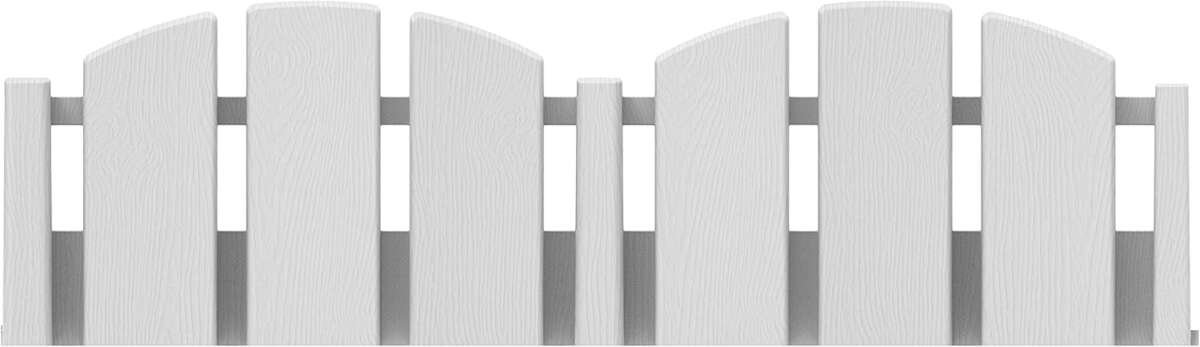
This no-dig landscape edging gives your garden a clean, polished look without the hassle of trenching or digging. Its realistic wood-look design blends naturally into any yard while providing durable, long-lasting definition between grass and flower beds.
Key Features That Stand Out
- ✓ No-dig installation—just place and secure with included spikes
- ✓ Realistic Adirondack wood appearance that resists fading
- ✓ Flexible yet rigid design fits curves and straight lines
- ✓ Weather-resistant PVC construction for year-round use
Why We Recommend It
We love how effortlessly this edging installs—no tools or excavation needed. It’s perfect for beginners and seasoned gardeners alike who want instant curb appeal. The white finish brightens garden edges and complements both modern and traditional landscapes.
Best For
Homeowners seeking a quick, stylish border solution that looks natural but requires zero planting or ongoing care.
Pros and Cons
Pros:
- Extremely easy to install in under 30 minutes
- Maintains color and shape through seasons
- Lightweight yet sturdy enough to hold soil in place
- Safe for kids and pets with smooth edges
Cons:
- Limited to 15-foot sections (may require multiple kits for large yards)
- White color may show dirt over time in muddy areas
Customer Reviews
“Customer Review: Installed this around my rose beds in 20 minutes flat. Looks like real wood but didn’t rot or warp like the last edging I used.” – Sarah T.
“Customer Review: Perfect for defining my lawn without digging. The spikes hold firm even after heavy rain.” – Mike R.
2. LAVEVE Black Corrugated Metal Garden Edging, 6″ x 40Ft, Durable Landscape Border for Lawns and Flower Beds
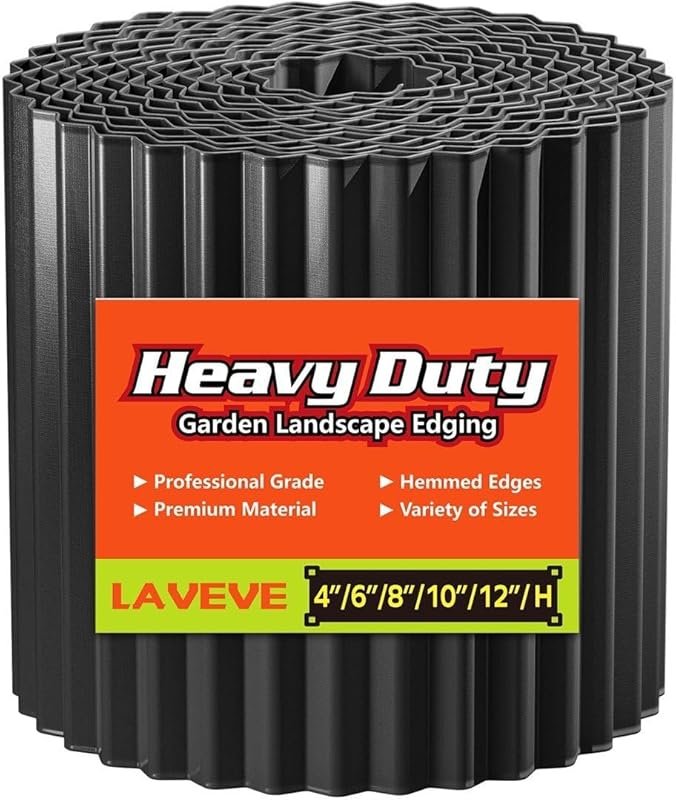
For a sleek, contemporary look, this corrugated metal edging delivers industrial charm with serious durability. At 40 feet long and 6 inches tall, it’s ideal for wrapping around large garden beds or creating bold geometric borders.
Key Features That Stand Out
- ✓ Heavy-gauge metal resists bending and rust
- ✓ Hemmed edges for safety during handling
- ✓ Modern corrugated texture adds visual interest
- ✓ Long 40-foot length reduces seams in large projects
Why We Recommend It
This edging stands out for its modern aesthetic and rugged build. It’s not just functional—it’s a design statement. We’ve seen it used in urban gardens, cottage landscapes, and even commercial spaces because it holds up beautifully in all conditions.
Best For
Design-savvy gardeners who want a bold, architectural border that lasts decades, not seasons.
Pros and Cons
Pros:
- Exceptionally durable—won’t crack or degrade like plastic
- Adds instant modern farmhouse or industrial vibe
- Easy to cut with tin snips for custom shapes
- Rust-resistant coating ensures longevity
Cons:
- Heavier than plastic alternatives (requires two people for large installs)
- Higher upfront cost, though it pays off long-term
Customer Reviews
“Customer Review: Gave my front yard an instant upgrade. Neighbors keep asking where I got it!” – Jenna L.
“Customer Review: Super sturdy and looks amazing. Worth every penny for the clean lines it creates.” – David K.
3. 29,000+ Heirloom Creeping Thyme Seeds, Thymus Serpyllum, Perennial Ground Cover for Stepping Stones and Gardens
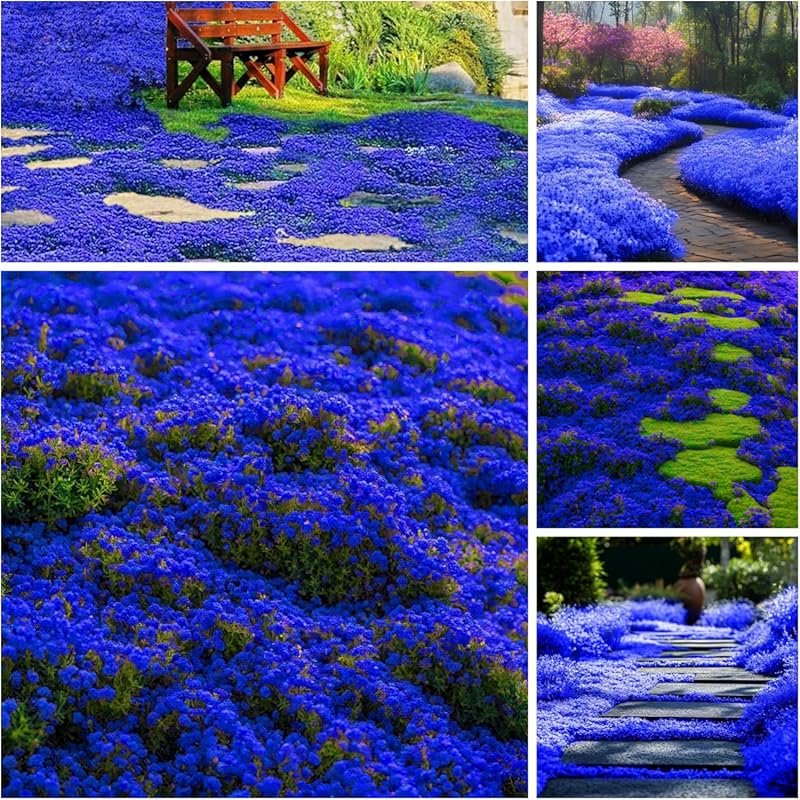
If you prefer living borders, creeping thyme is a fragrant, drought-tolerant perennial that forms a lush green carpet dotted with tiny purple flowers. This bulk seed pack lets you cover large areas affordably while attracting pollinators.
Key Features That Stand Out
- ✓ Over 29,000 heirloom seeds for extensive coverage
- ✓ Drought-resistant once established
- ✓ Releases a pleasant herbal scent when stepped on
- ✓ Attracts bees and butterflies to your garden
Why We Recommend It
Creeping thyme is one of the most versatile and low-maintenance border plants. It thrives in sun, tolerates foot traffic, and never needs mowing. For the price, this seed pack offers incredible value—perfect for DIYers wanting a natural, eco-friendly border.
Best For
Budget-conscious gardeners who want a fragrant, flowering border that doubles as a ground cover between pavers or along pathways.
Pros and Cons
Pros:
- Extremely cost-effective way to cover large areas
- Low-growing (2–4 inches)—no trimming needed
- Deer and rabbit resistant
- Blooms all summer, adding color and texture
Cons:
- Takes 2–3 months to establish from seed
- Requires well-drained soil—won’t thrive in soggy spots
Customer Reviews
“Customer Review: Planted these between my flagstones last spring. Now it’s a fragrant green walkway that blooms nonstop!” – Linda P.
“Customer Review: Great value! Covered my entire side yard for less than $20. Bees love it too.” – Tom H.
4. Amazon Basics Flexible Brown Landscape Edging Coil, 5″ x 40ft, Includes 10 Stakes for Garden and Pathways
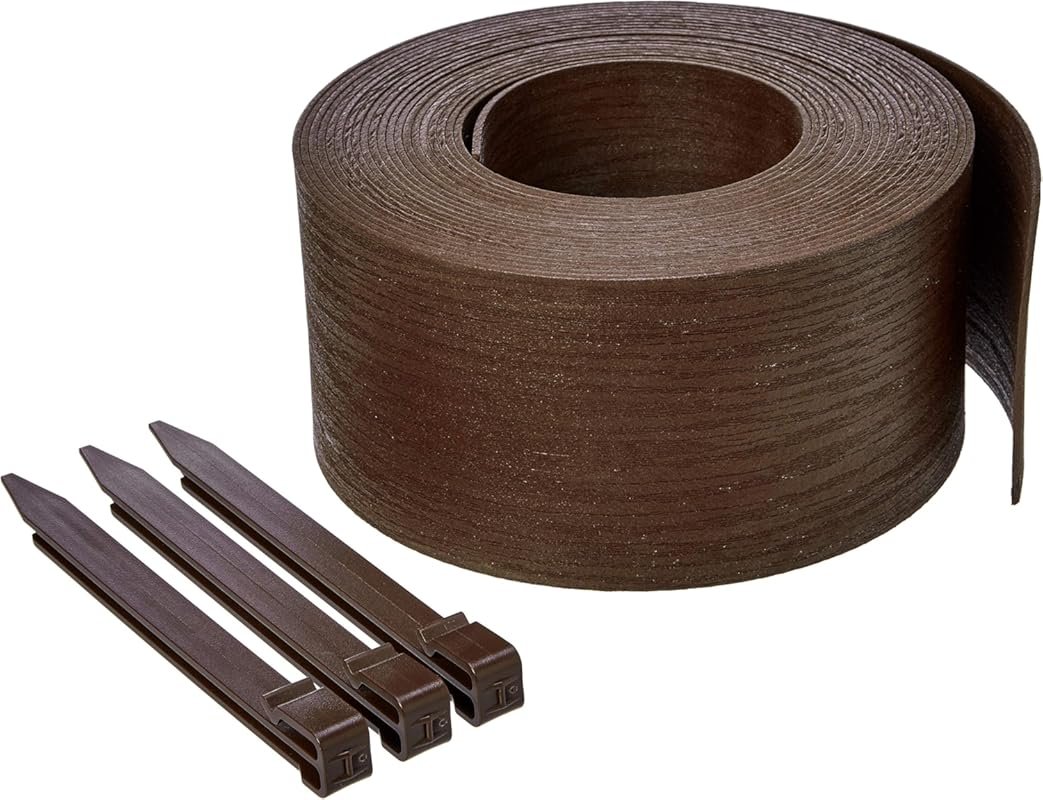
A no-frills, reliable solution for defining garden edges, this flexible coil from Amazon Basics gets the job done without breaking the bank. Made from recycled plastic, it’s eco-friendly and blends seamlessly into natural landscapes.
Key Features That Stand Out
- ✓ Made from recycled materials
- ✓ Flexible design conforms to curves and corners
- ✓ Includes 10 sturdy stakes for secure installation
- ✓ Faux woodgrain texture mimics real timber
Why We Recommend It
Sometimes you just need a simple, affordable border that works—and this one does exactly that. It’s not fancy, but it’s durable, easy to install, and perfect for renters or those testing out new garden layouts.
Best For
Temporary or budget-friendly projects where function matters more than flair.
Pros and Cons
Pros:
- Very affordable compared to branded alternatives
- Lightweight and easy to handle
- Weather-resistant and won’t crack in cold temps
- Blends well with mulch and soil
Cons:
- Less rigid than metal or composite options
- May shift over time in loose soil without frequent restaking
Customer Reviews
“Customer Review: Did the trick for my backyard veggie patch. Not fancy, but it holds the soil line perfectly.” – Rachel M.
“Customer Review: Great value! Used it to edge my patio garden and it’s held up through two winters.” – James W.
Complete Buying Guide for Best Plants For Borders
Essential Factors We Consider
When choosing the best plants for borders—or edging products that mimic them—we evaluate durability, ease of installation, climate adaptability, maintenance needs, and visual appeal. Living borders like creeping thyme offer fragrance and pollinator benefits but require sunlight and good drainage. Hardscape edging provides instant results and long-term structure but lacks ecological value. Always match your choice to your garden’s sun exposure, soil type, and how much time you’re willing to spend on upkeep.
Budget Planning
Border solutions range from under $20 for seed packs or basic plastic edging to $100+ for premium metal or composite systems. For small projects, Amazon Basics or creeping thyme seeds offer unbeatable value. For high-traffic or high-visibility areas, invest in durable options like LAVEVE metal edging or EasyFlex’s wood-look system. Remember: cheaper isn’t always better—poor-quality edging can shift, crack, or fade, costing more in replacements.
Final Thoughts
Whether you go green with living plants or opt for permanent edging, the right border defines your garden’s personality and keeps maintenance manageable. Our top picks balance beauty, function, and value—so you can spend less time fixing edges and more time enjoying your outdoor space.
Frequently Asked Questions
Q: Can I use creeping thyme in shaded areas?
A: No—creeping thyme thrives in full sun (at least 6 hours daily) and well-drained soil. It will struggle and may rot in damp, shady spots. For shaded borders, consider alternatives like sweet woodruff or hostas.
Q: How deep should I install landscape edging?
A: Most edging should be installed so 1–2 inches remain above ground to prevent grass or mulch from spilling over. Bury the rest securely, and use stakes every 12–18 inches for stability.
Q: Will metal edging rust over time?
A: High-quality metal edging like the LAVEVE option comes with rust-resistant coatings. While minor surface oxidation may occur after years, it won’t compromise structural integrity.
Q: How long does it take for creeping thyme to fill in?
A: From seed, expect full coverage in 8–12 weeks with regular watering. Plugs or seedlings establish faster, often filling in within 4–6 weeks.
Q: Can I combine living plants with hard edging?
A: Absolutely! Many gardeners use metal or plastic edging to define beds, then plant low-growing perennials like thyme, sedum, or ajuga along the inside edge for a layered, natural look.
Ready to transform your garden’s edges? Whether you choose a fragrant living border or a sleek, no-dig edging solution, our top picks deliver results that last. Click any “Check Price” button above to find the perfect fit for your yard—and start enjoying a cleaner, more defined outdoor space today!

