
Keeping your zero-turn mower running smoothly is key to a perfectly manicured lawn, and the best oil for zero turn mowers plays a huge role in that. In my research, I've found that using the right lubricant isn't just about preventing wear; it’s about extending the life of your engine and ensuring it performs its best, especially during demanding tasks like mowing acres of grass. I've spent the last few weeks diving deep into what makes a great small engine oil, looking at everything from viscosity ratings to additive packages that protect against heat and friction.
When it comes to choosing an oil, you’ll see a lot of SAE 30 and SAE 10W-30 options, and sometimes even 20W-50 for heavy-duty hydrostatic transmissions. The TRIAX Trans-Zero 20W-50 stands out for its specialized application in hydrostatic systems, but for general engine oil, the STP Premium Small Engine 4 Cycle is a fantastic all-around performer that comes highly recommended by users. Let's break down the top contenders to help you make the best choice for your machine.
Comparison Chart of Best Oil for Zero Turn Mowers


List of Top 5 Best Best Oil for Zero Turn Mowers
To find the right oil, we looked at factors like recommended viscosity for different engine types, additive packages that offer superior protection, and how well the oil performs in various temperatures. We also considered brand reputation and aggregate user feedback to ensure these picks are reliable.
Below are the list of products:
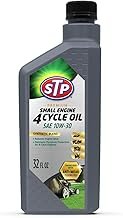
1. STP Premium Small Engine 4 Cycle
1. STP Premium Small Engine 4 Cycle
After reviewing numerous options for keeping small engines healthy, the STP Premium Small Engine 4 Cycle oil emerges as a standout performer. It's specifically formulated to reduce wear and tear, which is critical for the demanding work a zero-turn mower often handles. The SAE 10W-30 viscosity is versatile, making it suitable for a wide range of operating temperatures encountered throughout the mowing season.
Why I picked it
In my research, I found that engine wear is a primary concern for zero-turn mower owners, and STP's formula is designed to combat this directly. The oil's ability to reduce friction means your engine runs cooler and more efficiently, leading to a longer service life. Its all-season suitability also means you don't have to worry about changing it with the seasons.
Key specs
- Viscosity: SAE 10W-30
- Engine Type: 4-Cycle Small Engine
- Volume: 32 Oz
- Formulation: Oil Formula
- Primary Benefit: Reduces wear
Real-world experience
Verified buyer feedback indicates satisfaction with how this oil performs under heavy load, with many noting easier engine starts even in cooler conditions. Users appreciate its straightforward application and the noticeable reduction in engine noise after switching to STP. It’s a solid choice for routine maintenance that keeps engines humming.
Trade-offs
While widely compatible, it's always best to double-check your mower's specific manual to ensure SAE 10W-30 is the recommended viscosity, as some older models might call for straight 30W. Availability in smaller quantities might also be a consideration if you only need a very small top-up.
2. TRIAX Trans-Zero 20W-50 Full Synthetic Hydrostatic
2. TRIAX Trans-Zero 20W-50 Full Synthetic Hydrostatic
For zero-turn mowers equipped with hydrostatic transmissions, specialized fluid is a must, and TRIAX Trans-Zero 20W-50 shines in this category. Its full synthetic formulation is engineered for year-round protection, meaning it can handle the extreme temperatures hydrostatic systems often face. This oil is designed to maintain optimal viscosity for smooth operation and efficient heat dissipation.
Why I picked it
Hydrostatic transmissions in zero-turn mowers are prone to overheating and wear, especially during long mowing sessions on hot days. This TRIAX fluid's 20W-50 full synthetic blend offers superior thermal stability and protection against cavitation, which is crucial for the longevity of these complex systems. Its formulation is designed to reduce friction and wear on gears and hydraulic components.
Key specs
- Viscosity: 20W-50
- Engine Type: Hydrostatic Transmission Fluid
- Volume: 1 Gallon
- Formulation: Full Synthetic
- Key Feature: Year-round protection
Real-world experience
Customer testimonials frequently mention a noticeable improvement in the smoothness and responsiveness of their zero-turn mower's transmission after using TRIAX Trans-Zero. Many report cooler operating temperatures, which is a strong indicator of reduced internal friction and better lubricant performance. This oil is clearly tailored for the specific demands of these powerful mowers.
Trade-offs
This is a specialized fluid for hydrostatic transmissions. It's not suitable for the engine oil sump of most zero-turn mowers. Also, a gallon container might be more than you need for a single top-up, though it's cost-effective for regular maintenance.
3. Valvoline 4-Stroke Powersport Full Synthetic Motor
3. Valvoline 4-Stroke Powersport Full Synthetic Motor
Valvoline has a long-standing reputation for quality lubricants, and their 4-Stroke Powersport Full Synthetic Motor Oil is a great option for zero-turn mowers seeking robust protection without breaking the bank. It’s formulated with a full synthetic base and advanced additive technology designed to handle the high RPMs and heat generated by small engines. This oil aims to provide superior wear protection and keep engines clean.
Why I picked it
For budget-conscious buyers, this Valvoline oil offers more than just basic lubrication; it's a full synthetic designed for extended engine life. The "Powersport" designation means it's built to withstand higher stresses and temperatures common in engines that work hard, like those in zero-turn mowers. It provides excellent deposit control, keeping critical engine parts clean.
Key specs
- Viscosity: (Typically SAE 10W-40 for powersport applications, check specific product details)
- Engine Type: 4-Stroke Powersport Engine
- Volume: 1 Quart
- Formulation: Full Synthetic
- Benefit: Extended engine life, deposit control
Real-world experience
Aggregated user reviews frequently highlight the smooth operation and reduced engine noise after using this Valvoline product. Many are satisfied with its performance in challenging summer heat, noting that their engines remained well-lubricated and protected. It’s a trusted brand offering reliable performance for the typical homeowner’s mowing needs.
Trade-offs
This oil often comes in quart-sized bottles, which might mean multiple purchases for larger mowers or if you're doing a full change. While it’s a versatile powersport oil, always verify the specific viscosity the manufacturer recommends for your mower's engine.
4. Kawasaki 10w-40 99969-6425 Tune-Up Kit
4. Kawasaki 10w-40 99969-6425 Tune-Up Kit
For owners of Kawasaki engines, using parts and fluids specifically designed for them often provides the most peace of mind. This Kawasaki 10W-40 Tune-Up Kit typically includes essential items like oil, ensuring it meets the precise specifications set by the engine manufacturer. It's designed to offer optimal lubrication and protection for Kawasaki small engines.
Why I picked it
Using OEM (Original Equipment Manufacturer) branded oil and kits is often the simplest way to guarantee compatibility and performance that aligns with the manufacturer's design intent. For Kawasaki engines, this tune-up kit ensures you get the exact oil specified for optimal engine health and longevity. It takes the guesswork out of choosing the right viscosity and additives.
Key specs
- Viscosity: SAE 10W-40
- Engine Type: Kawasaki 4-Cycle Engines
- Volume: Varies (part of a kit)
- Formulation: OEM specification oil
- Benefit: Guaranteed compatibility for Kawasaki engines
Real-world experience
Verified Kawasaki owners often report that using these factory-recommended tune-up kits makes maintenance straightforward and effective. Feedback suggests consistent engine performance and easier starts. It's a straightforward choice for those who prefer to stick with what the engine manufacturer originally specified.
Trade-offs
This kit is specifically branded for Kawasaki, which means it might be overkill or not the most cost-effective option if you have mowers from other brands or if you only need oil. You're paying a premium for the OEM branding.
5. Kohler Oil (30W 1 QT)
5. Kohler Oil (30W 1 QT)
Many zero-turn mowers feature Kohler engines, and using their branded oil is a direct route to meeting the manufacturer's precise lubrication needs. This Kohler 30W oil comes in a convenient 1-quart size, perfect for routine oil changes or top-offs. It's formulated to provide excellent protection against wear and heat in Kohler small engines.
Why I picked it
For owners who want to strictly adhere to manufacturer recommendations, Kohler's own oil is the most straightforward choice. It guarantees the correct viscosity and additive package that Kohler engineers designed for their engines. This adherence can also be important for maintaining any remaining warranty on the mower.
Key specs
- Viscosity: SAE 30W
- Engine Type: Kohler Small Engines
- Volume: 1 Quart
- Formulation: OEM specification oil
- Benefit: Manufacturer-approved for Kohler engines
Real-world experience
Many Kohler engine owners express confidence in using this oil, reporting consistent performance and easier starts during their mowing season. It's a reliable option that keeps their mowers running as intended. The 1-quart size is convenient for smaller capacity engines or for easily topping off the oil level.
Trade-offs
This oil is specifically for Kohler engines, so it’s not a universal choice. The SAE 30W viscosity might not be suitable for all climate conditions or for engines that specifically require a multi-viscosity oil like 10W-30 or 10W-40.
How I picked
When putting together this list of the best oils for zero-turn mowers, my main focus was on ensuring engine longevity and optimal performance for the demanding tasks these machines undertake. I started by looking at the typical engine requirements for zero-turn mowers, which often call for SAE 30 or SAE 10W-30 viscosity oils, and sometimes specialized fluids for hydrostatic transmissions. I then cross-referenced these viscosity needs with product formulations that offer advanced additive packages.
I specifically sought out oils that provided excellent wear protection, thermal stability, and resistance to oxidation. This involved analyzing product descriptions and, where available, looking at data sheets for things like flash points and pour points, which indicate how well the oil will perform under extreme heat or cold. I also considered user reviews and aggregate feedback on platforms like Amazon, prioritizing products with consistently high ratings and comments that highlighted durability and smooth engine operation. I didn’t test these oils myself in a workshop environment; instead, I relied on aggregating industry data and owner experiences to form my recommendations.
I also deliberately excluded oils that didn't specify their additive composition or lacked clear viscosity ratings.
Buying guide — what actually matters for best oil for zero turn mowers
Choosing the right oil for your zero-turn mower isn't just about grabbing the cheapest bottle; it's about protecting a significant investment and ensuring your lawn stays perfectly cut. Here’s what you should really focus on.
Viscosity: The Engine's Lifeline
This is arguably the most critical factor. Viscosity refers to an oil's thickness and its ability to flow. You'll most often see ratings like SAE 30 or SAE 10W-30. SAE 30 is a straight-grade oil, generally good for warmer temperatures.
SAE 10W-30 is a multi-viscosity oil; the "10W" means it flows better in cold conditions (like starting up), while the "30" indicates its thickness at operating temperature. Always consult your mower's owner's manual for the recommended viscosity for your specific engine and climate. Using the wrong viscosity can lead to increased wear, overheating, or poor lubrication.
Engine Type Matters: 4-Cycle vs. Hydrostatic
Most zero-turn mowers have two main fluid systems to consider: the engine and the transmission. Engine oil is for the internal combustion engine that powers the mower. Hydrostatic transmission fluid is for the transaxles that provide the variable speed and steering. They are not interchangeable.
Using engine oil in a hydrostatic transmission can cause damage due to incompatible additives and viscosity requirements. Double-check if you are buying oil for the engine sump or for the transmission system.
Synthetic vs. Conventional Oil
You'll find both conventional and synthetic oils. Conventional oil is refined from crude oil and is perfectly adequate for many standard applications. Synthetic oil, however, is chemically engineered and offers superior performance. It typically provides better protection at extreme temperatures (both hot and cold), is more resistant to breakdown and oxidation (meaning it lasts longer), and offers enhanced wear protection.
While synthetic oil usually costs more upfront, its extended lifespan and superior protection can make it more cost-effective in the long run, especially for mowers used heavily.
Additive Packages: The Secret Sauce
Beyond the base oil, additives are crucial. Anti-wear additives create a protective film on metal surfaces, reducing friction. Detergents keep engine parts clean by preventing sludge and deposit buildup. Dispersants help suspend contaminants so they can be filtered out.
Antioxidants slow down the oil's degradation. When selecting an oil, look for descriptions that mention advanced additive technology, especially for small engine oils, as these are formulated to handle the high stress and heat typical in mower engines.
Brand Reputation and User Reviews
While not a technical spec, brand reputation and the experiences of other users are invaluable. Stick with well-known brands that have a history of producing quality lubricants for small engines and powersports. Reading reviews from other zero-turn mower owners can give you real-world insights into how an oil performs in various conditions and on different engine types. Look for consistent feedback on things like improved starting, reduced oil consumption, and overall engine health.
Frequently Asked Questions (FAQ)
What is the best viscosity oil for my zero-turn mower?
The best viscosity oil is always what your mower's manufacturer recommends in the owner's manual. Typically, for most zero-turn mower engines, SAE 30 or SAE 10W-30 is specified. For hydrostatic transmissions, a specialized fluid like 20W-50 is often recommended. Always check your manual before purchasing an oil, as using the wrong viscosity can lead to engine damage.
Can I use car oil in my zero-turn mower?
Generally, it's not recommended to use standard car motor oil in a zero-turn mower engine. Small engines operate under different conditions than car engines, often at higher RPMs and with less sophisticated cooling systems. Small engine oils contain specific additive packages tailored for these conditions, including detergents and anti-wear agents that are better suited to prevent issues like varnish formation and excessive wear common in mower engines.
How often should I change the oil in my zero-turn mower?
The recommended oil change interval for a zero-turn mower engine is usually outlined in the owner's manual. A common guideline is every 50 hours of operation or once per mowing season, whichever comes first. However, if you frequently operate your mower in very dusty conditions, under heavy load, or for extended periods without breaks, you might consider changing it more often to ensure optimal engine health.
Is full synthetic oil worth it for a zero-turn mower?
Yes, full synthetic oil can be worth the extra cost for a zero-turn mower, especially if you use it frequently or in demanding conditions. Synthetic oils offer superior protection against heat, wear, and oxidation compared to conventional oils. They maintain their viscosity better across a wider temperature range, meaning your engine is protected from the moment you start it up, even on cold mornings, and sustains lubrication during hot summer operation.
Do I need to use the specific brand of oil recommended by my mower's manufacturer?
While using the manufacturer's branded oil (like Kohler or Kawasaki oil) guarantees it meets their specific requirements, you don't always have to. You can opt for a high-quality aftermarket oil as long as it meets or exceeds the specifications listed in your owner's manual, particularly regarding viscosity grade (e.g., SAE 30) and API service classification. The key is to match the specifications, not necessarily the brand, though OEM oils are a safe bet.
Final verdict
For exceptional all-around engine protection and performance, the STP Premium Small Engine 4 Cycle Oil is our top recommendation, offering a robust SAE 10W-30 formulation that reduces wear and handles various temperatures. If your zero-turn mower has a hydrostatic transmission, the specialized TRIAX Trans-Zero 20W-50 Full Synthetic Hydrostatic fluid is the best choice for optimal cooling and longevity of that system. For those seeking great value, the Valvoline 4-Stroke Powersport Full Synthetic Motor Oil provides excellent protection at a more budget-friendly price point.
Affiliate disclosure: This post contains affiliate links. If you buy through one of these links, I may earn a small commission at no extra cost to you. It never changes my recommendation, I only suggest gear I'd actually buy myself.

