
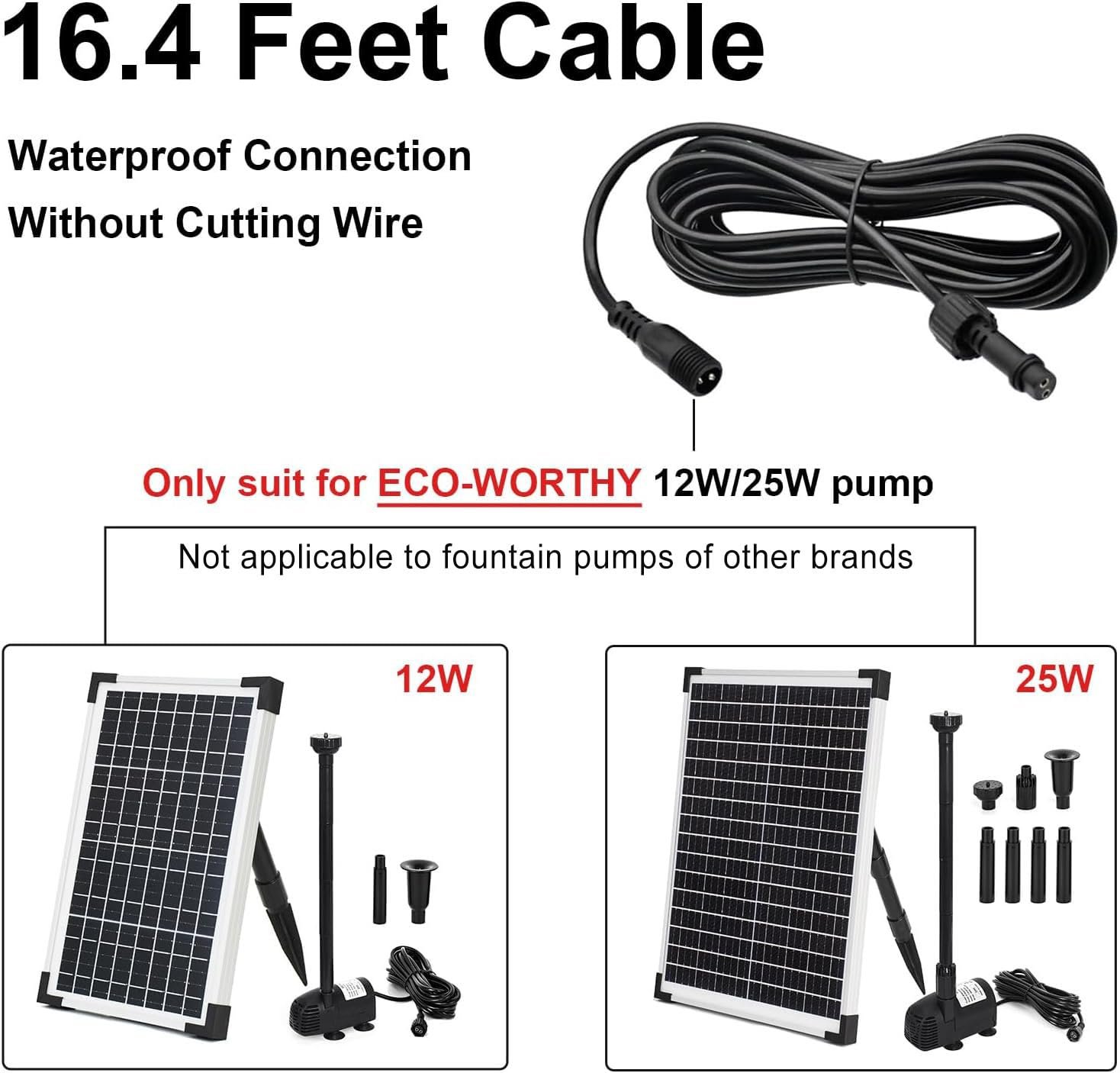
Are you wondering how to safely and effectively use an extension cord for your water fountain? Whether you’re setting up a new garden feature or moving your fountain to a different spot, choosing the right extension cord can make all the difference.
Using the wrong one could cause power issues or even damage your fountain. You’ll discover simple tips to pick and use the perfect extension cord, keeping your water fountain running smoothly and safely. Keep reading to learn exactly what you need to know before plugging in.

Credit: www.amazon.com
Choosing The Right Extension Cord
Choose an extension cordwith the right lengthto reach your water fountain easily. Too short cords can cause strain, while too long cords may create a tripping hazard.
The gaugeof the cord matters. Lower gauge numbers mean thicker wires, which carry more current safely. Use a cord with a gauge suitable for your fountain’s power needs.
- Outdoor cordshave a tougher jacket to protect against weather.
- Indoor cordsare lighter and not made for wet places.
Water-resistant or weatherproof cordshelp avoid electrical hazards near water. Look for cords labeled as safe for outdoor useor with a water-resistant coating.
Preparing The Extension Cord
Carefully check the extension cordfor any cuts, cracks, or exposed wires. Using a damaged cord can cause electric shockor fire. Make sure the plug and socket are intact and not loose.
Untangle the cord fully and straighten it out. A tangled cord can overheat and break. Keep the cord flat and avoid sharp bends to keep the wires safe inside.
- Always keep all connections dryand away from water.
- Use waterproof covers if the cord or plug is near water.
- Never place plugs or sockets directly on wet surfaces.
- Check regularly to prevent short circuitscaused by moisture.
Setting Up The Water Fountain
Choose a spot close to a power outletto avoid long extension cords. Make sure the cord can reach without stretching.
Place the fountain where it is safefrom foot traffic and pets. Avoid spots near water puddles to prevent electric hazards.
Check that the ground is flat and firm. This keeps the fountain steady and stops it from tipping over.
Connecting The Extension Cord
Ensure the extension cord is rated for outdoor use and matches the water fountain’s power needs. Keep connections dry and off the ground to prevent electric shocks. Use a grounded outlet to connect the cord safely.
Plugging Into Outlet
Ensure the extension cord is rated for outdoor use. Check if it is long enough to reach your fountain. Insert the plug into a grounded outdoor outlet. Make sure the connection is tight and secure.Securing Connections
Keep all connections above ground to avoid water exposure. Use waterproof plug covers for added safety. Secure the cord with clips or ties to prevent tripping.Avoiding Overloads
Check the fountain’s power requirements. Ensure the extension cord can handle the power load. Never connect multiple high-power devices. This prevents the cord from overheating. `Safety Tips For Operation
Using GFCI outletshelps prevent electric shocks near water. These outlets cut power quickly if a problem happens. Always plug your extension cord into a GFCI outlet for safety.
Keep extension cords off wet surfaces. Water can cause short circuits or shocks. Place cords on dry ground or use raised holders to avoid contact with water.
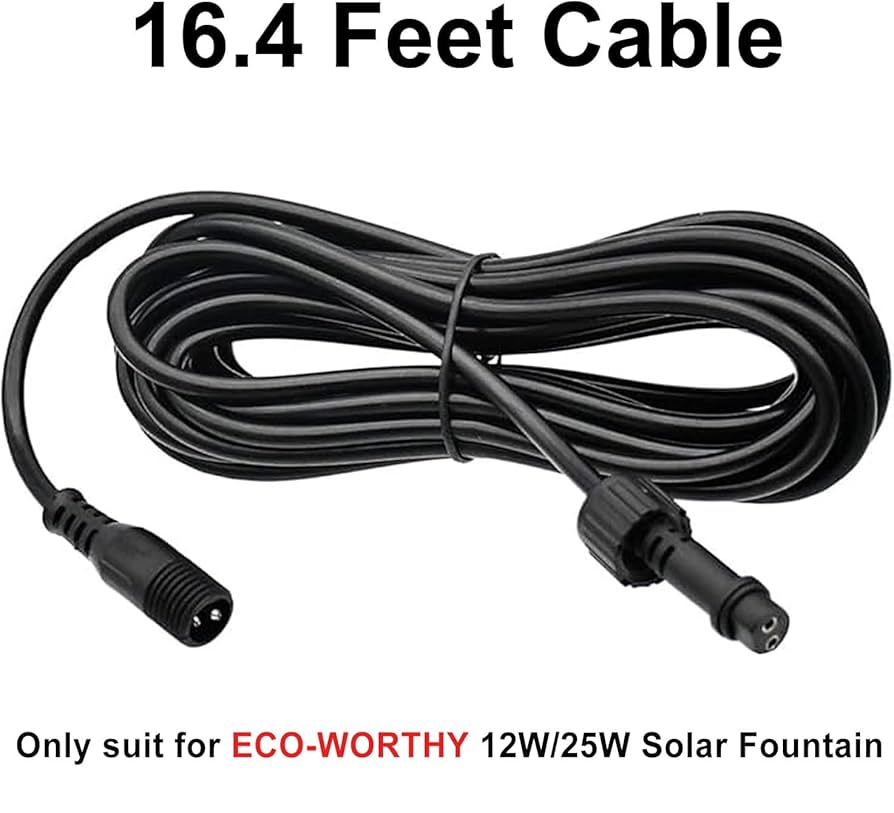
Regular maintenance checksare important. Look for cracks, frays, or damage on cords. Replace any worn or broken cords immediately to keep your water fountain safe.
Credit: www.amazon.com
Troubleshooting Common Issues
Power losscan happen if the extension cord is too long or thin. Use a cord with the right thickness to handle the fountain’s power needs. Check the plug and outlet for dust or damage that may cause poor connection. Unplug and plug it back in to reset the power.
Cord wear and tear can cause shorts or breaks. Look for cracks, cuts, or exposed wires. Replace cords with visible damage to avoid electric shocks or fire risks. Store cords properly to prevent tangling and bending.
Overheating occurs when the cord carries too much power or is covered. Keep the cord in a cool, open place. Avoid running it under rugs or near heat sources. If the cord feels hot, unplug and let it cool before use.
Alternative Power Solutions
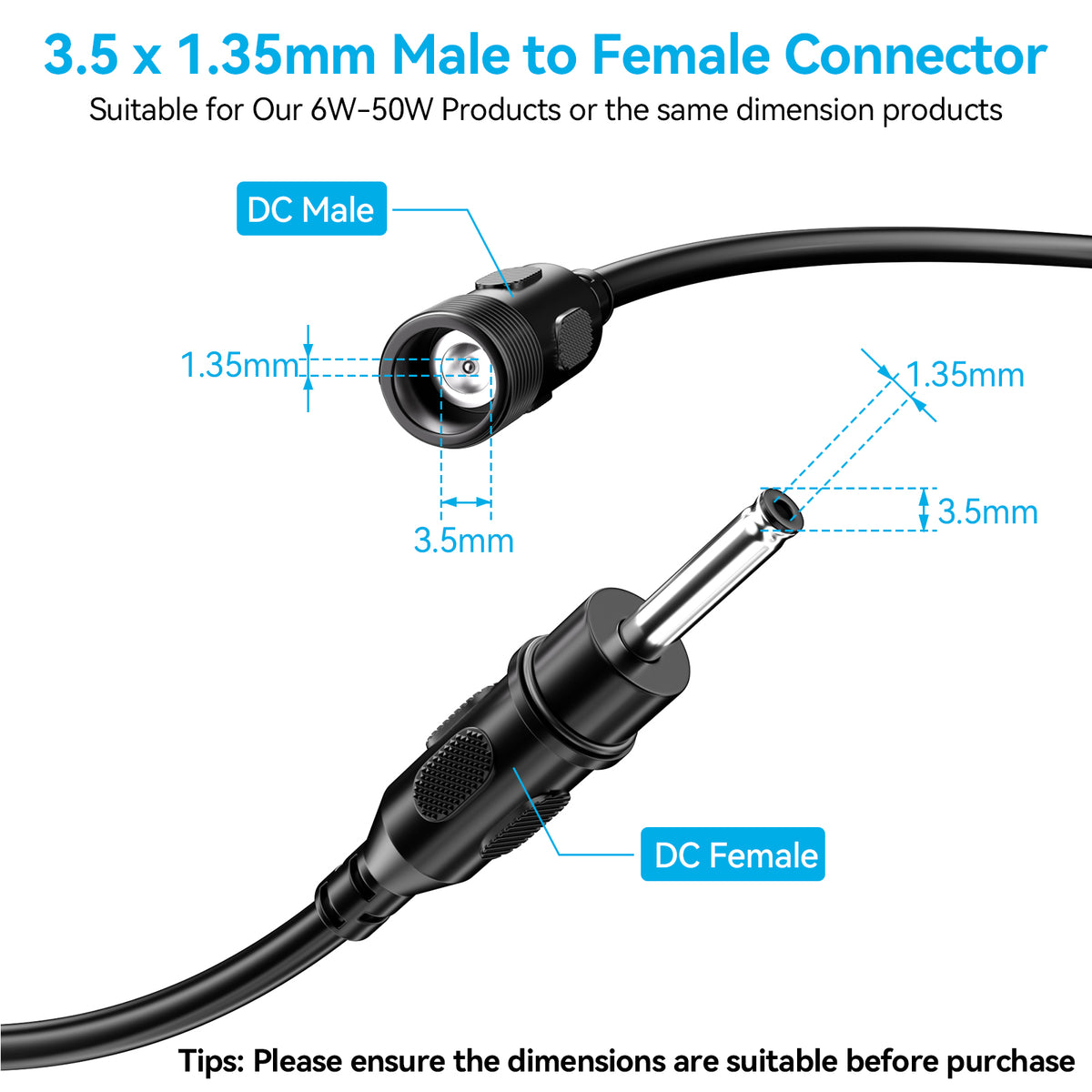
Solar-powered fountains use the sun’s energy to work. They need direct sunlightto run well. These fountains save electricityand are eco-friendly. They are easy to place anywhere outdoors without cords.
Battery operated fountains work without plugs. They use rechargeable or disposable batteries. These fountains are great for small water featuresand places without power outlets. Battery life depends on the fountain size and battery type.
Timers and sensors help save energy and water. Timers turn fountains on and off at set times. Sensors can detect light or motionto control the fountain. Using these tools makes fountains more efficient and convenient.
Credit: www.poposoapsolar.com
Frequently Asked Questions
Can I Use Any Extension Cord For Water Fountains?
No, use a heavy-duty, outdoor-rated extension cord. It must handle the fountain’s wattage safely and be water-resistant to prevent hazards.
How Long Should My Extension Cord Be For Fountains?
Choose an extension cord just long enough to reach the power source. Longer cords can reduce voltage and affect fountain performance.
Is It Safe To Use Extension Cords Near Water Fountains?
Yes, if you use outdoor-rated, waterproof extension cords and keep connections elevated and dry to avoid electrical shocks and damage.
What Gauge Extension Cord Is Best For Water Fountains?
Use a 14 or 16 gauge extension cord for most fountains. Thicker cords handle more power and reduce fire risks.
Conclusion
Using an extension cord for water fountains can be safe and simple. Choose a cord made for outdoor use and keep it dry. Avoid stretching the cord too far or placing it near water pools. Always check the cord for damage before use.
Proper setup helps your fountain work well and last longer. Follow these tips to enjoy your water fountain safely and easily. Small steps make a big difference in safety and function.

