
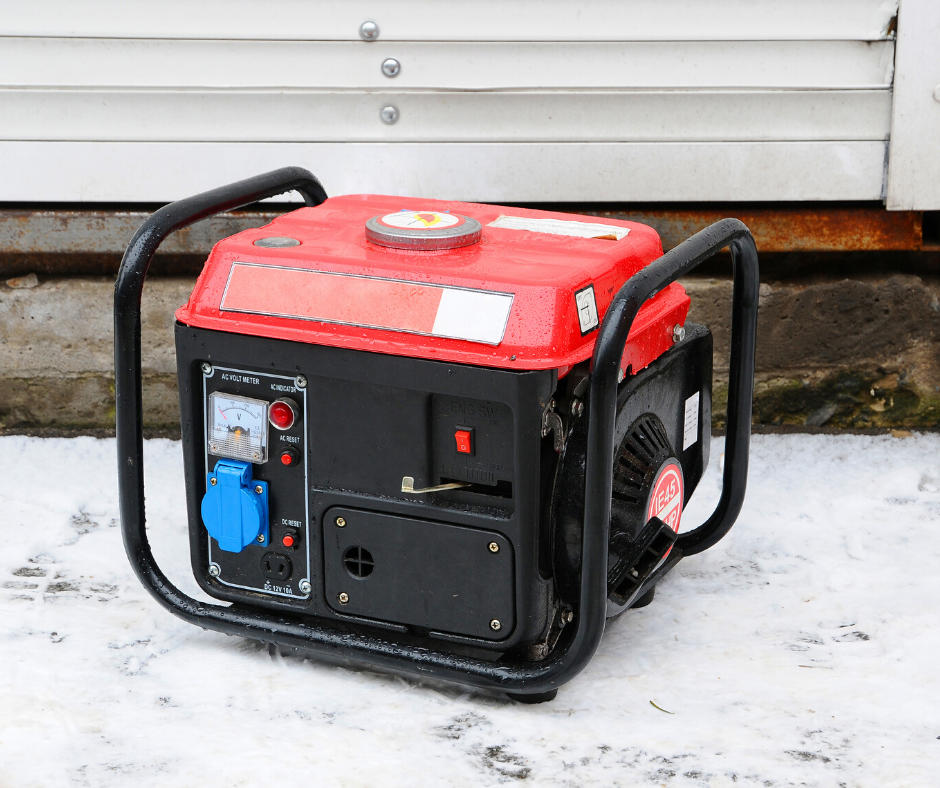
When it comes to keeping your generator ready and reliable, how you store it matters more than you might think. Imagine needing power during an emergency, only to find your generator damaged or unusable because it wasn’t stored properly.
You don’t want that to happen. You’ll discover simple, practical steps to store your generator safely. By following these tips, you’ll protect your investment, ensure your generator runs smoothly when you need it most, and avoid costly repairs. Keep reading to learn exactly what you need to do to keep your generator in top shape.

Credit: www.amazon.ca
Preparing Generator For Storage
Clean the generatorby wiping dust and dirt from all parts. Use a soft cloth and mild detergent if needed. Keep air vents clear to avoid clogging.
Drain or stabilize fuelto prevent damage. Drain old fuel completely or add a fuel stabilizer to fresh fuel. Run the engine for a few minutes to spread the stabilizer.
Change the oilbefore storing. Old oil can cause engine damage. Replace it with fresh oil to keep the engine safe and ready for next use.
Remove or charge the battery. Disconnect the battery to avoid power drain. Store it in a cool, dry place or keep it charged to maintain battery health.

Credit: www.bisonindustry.com
Choosing The Right Storage Location
Choosing a safe place to store your generator is very important. Indoor storagekeeps the generator safe from weather but needs good ventilationto avoid fumes. Outdoor storage is easier but needs a covered spot to protect from rain and dust.
Good ventilationhelps stop harmful gases from building up inside. Always keep the area cool because high temperaturescan damage the generator parts. A cool place makes the generator last longer.
Protecting the generator from moistureis key. Moisture can cause rust and damage the engine. Dust also can clog the parts. Use a cover or a closed box to keep dust and water away.
Proper Storage Techniques
Using protective coverskeeps the generator safe from dust and rain. Covers made of waterproof materialwork best. This prevents rust and damage to parts.
Elevating the generator off the ground avoids water damage. Place it on a raised platformor sturdy blocks. This also helps keep pests away.
Secure the generator in a stable positionto stop it from falling. Use straps or chains if needed. Avoid spots where it can get hit or knocked over.
Credit: www.upperprovidence.org
Maintenance During Storage
Check the generator parts often. Look for rust or dirt. Clean any dust or grime you find. Use a soft cloth for cleaning. Make sure all wires are tight. Tight wires keep the generator safe. Don’t forget to check the oil level. Add oil if it’s low.
Ensure the battery is fully charged. A charged battery lasts longer. Remove the battery if storing for long. Store it in a cool, dry place. Check the battery terminals for rust. Clean them with a brush if needed. Apply a thin layer of grease to prevent rust.
Empty the fuel tank before storing. Old fuel can damage the engine. Use a fuel stabilizer if you can’t empty it. This keeps the fuel fresh longer. Check fuel lines for leaks. Replace any damaged lines. This ensures safe storage.
Preparing Generator For Use After Storage
Check the generator closely for any damage or leaks before starting. Look at fuel lines, oil levels, and air filters to ensure they are clean and intact. Replace any worn or broken parts to avoid problems.
Refill all fluids to the proper levels. Use fresh fuel to prevent clogging and engine trouble. Change the oil if it looks dirty or thick. Check the coolant if your generator uses it.
Run the generator in a safe, open space. Let it run for a few minutes to make sure it works well. Listen for strange sounds and watch for smoke or leaks. This test helps find issues early.
Frequently Asked Questions
How Should I Prepare My Generator For Storage?
Drain the fuel or add a fuel stabilizer to prevent damage. Clean the generator thoroughly and store it in a dry, ventilated area. Cover it with a protective cloth to avoid dust and moisture buildup.
What Is The Best Place To Store A Generator Safely?
Store your generator in a cool, dry, and well-ventilated space. Avoid damp basements or direct sunlight. Ensure it’s away from flammable materials and protected from extreme weather conditions.
How Often Should I Check My Stored Generator?
Inspect your stored generator every 1 to 3 months. Check for fuel leaks, rust, or moisture buildup. Run the generator briefly to keep parts lubricated and ensure it remains functional.
Can I Store A Generator Indoors Safely?
Only store a generator indoors if it’s in a well-ventilated, secure area. Avoid enclosed spaces to prevent carbon monoxide buildup. Always follow manufacturer guidelines for indoor storage.
Conclusion
Storing your generator safely protects it and your home. Keep it dry and clean to avoid damage. Store fuel in a cool, ventilated place away from the generator. Regularly check the generator for leaks or wear. Follow these simple steps for long-lasting use.
Safety and care go hand in hand. A well-stored generator will be ready when you need it most. Simple habits make a big difference over time. Stay safe and keep your generator in top shape.

