
Are your power tools scattered all over your shed, making it hard to find what you need when you need it? Properly storing your power tools can save you time, protect your investment, and keep your workspace safe.
You’ll discover simple, effective ways to organize your tools so they stay in great shape and ready to use. Keep reading to learn easy tips that will transform your shed into a neat, efficient workshop you’ll love.

Credit: www.amazon.ca
Choosing The Right Storage
Choosing the right storage for your power tools in the shed is crucial to keep them organized, safe, and ready for use. The storage solution you pick should match the variety and size of your tools, protect them from damage, and fit well within the space you have. Let’s break down how to make smart choices that will save you time and frustration.
Assessing Tool Types And Sizes
Start by taking a close look at your power tools. Are they mostly handheld drills, saws, or larger equipment like compressors? Understanding the size and shape of each tool helps you decide what kind of storage fits best.
For example, small cordless drills need less space but benefit from compartments or holders that keep batteries and chargers nearby. Larger tools like circular saws might require shelves or sturdy hooks to hold them safely. Have you ever struggled to find a specific tool in a cluttered mess? That’s a sign you need tailored storage for different types.
Selecting Suitable Storage Units
Think about storage units that offer flexibility and strength. Metal cabinets are great for heavy tools, while plastic bins or stackable drawers work well for smaller items. Pegboards can keep frequently used tools visible and within easy reach.
Consider combining several types to maximize your space. A wall-mounted cabinet plus a rolling cart can give you mobility and accessibility. What storage setup have you found easiest to maintain over time?
Weatherproofing Options
Since sheds are exposed to moisture and temperature changes, protecting your tools from rust and damage is essential. Look for storage units with sealed doors or waterproof covers to keep out dust and water.
Adding silica gel packs or moisture absorbers inside your cabinets can prevent rust. If your shed isn’t insulated, think about using heavy-duty plastic cases or toolboxes that keep tools safe regardless of weather. How do you currently protect your tools from the elements?
Organizing For Easy Access
Organizing power tools in a shed helps save time and keeps the space tidy. Easy access means spending less time searching. It also protects tools from damage and loss. A well-planned setup makes every project smoother.
Using Wall Mounts And Pegboards
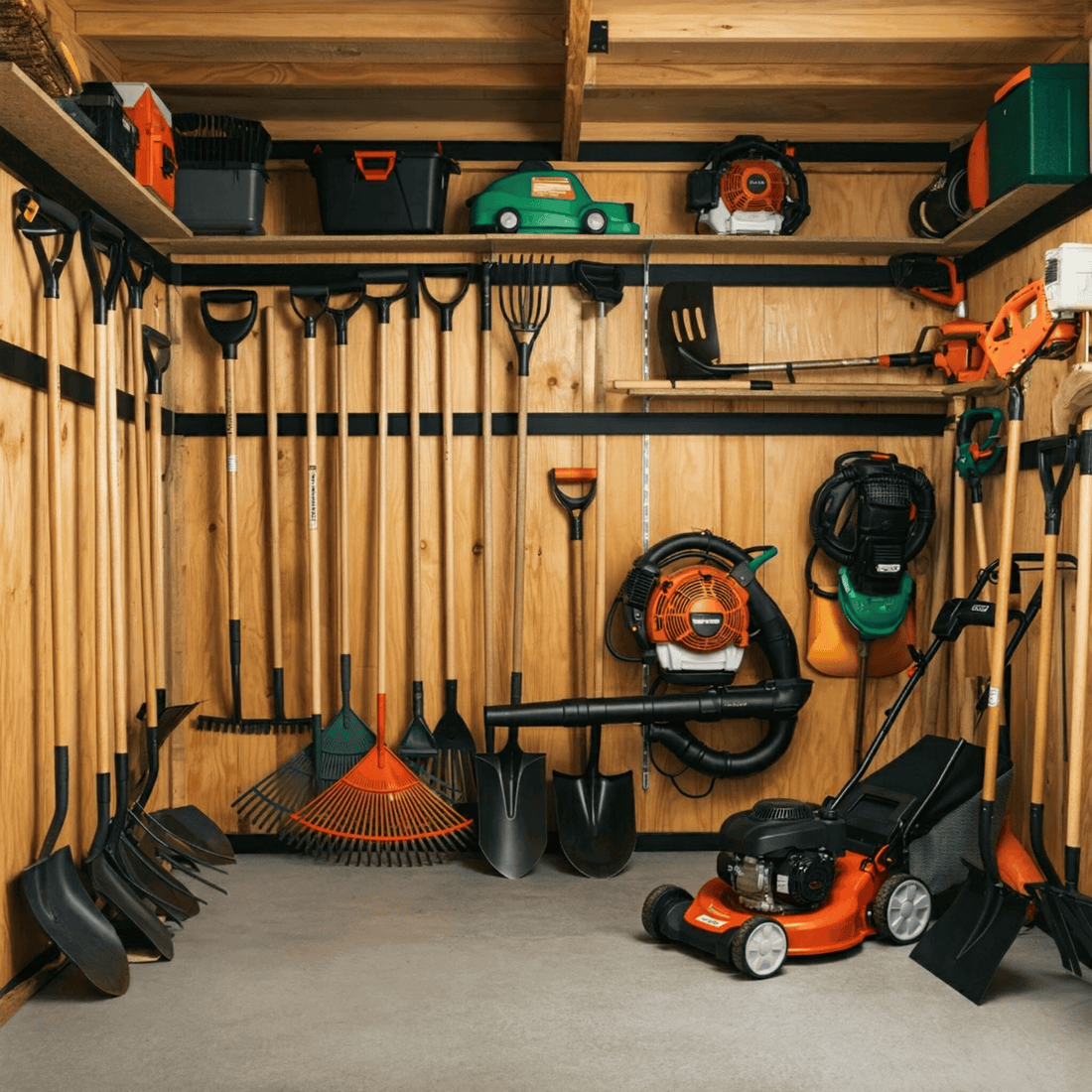
Wall mounts and pegboards keep tools visible and reachable. They free up floor space and prevent clutter. Hang drills, saws, and cords on hooks. This setup helps spot missing tools quickly. Pegboards allow flexible arrangement based on tool size and use.
Creating Tool Zones
Group tools by type or project in specific zones. Keep woodworking tools in one area and gardening tools in another. This division reduces confusion and speeds up work. Use shelves or bins to separate zones clearly. Zones keep the shed orderly and efficient.
Labeling Storage Spaces
Labels make finding tools fast and simple. Mark shelves, bins, and hooks with clear names or pictures. Use waterproof labels for durability in sheds. Labeling prevents tools from being misplaced. It also helps others return tools to the right spot.
Safety Measures For Storage
Storing power tools safely in your shed protects your family and extends the tools’ life. Proper safety measures reduce accidents and damage. Organizing tools with care also prevents electrical problems and fire risks. Focus on secure storage and careful handling of batteries to keep everything safe.
Securing Tools From Children And Pets
Keep power tools out of children’s and pets’ reach. Use lockable cabinets or shelves high on the wall. Store sharp or heavy tools in locked boxes. Place safety covers on blades and bits. Teach children about tool dangers but never rely on this alone.
Preventing Electrical Hazards
Unplug tools before storing to avoid electrical risks. Check cords for frays and damage; replace if needed. Keep tools away from water and damp areas inside the shed. Use surge protectors for plugged-in chargers or equipment. Avoid overloading power outlets in the shed.
Proper Handling Of Batteries And Chargers
Store batteries in a cool, dry place away from metal objects. Keep chargers off the floor on shelves or hooks. Avoid mixing old and new batteries in the same charger. Remove batteries from tools before long storage. Check battery packs regularly for leaks or damage.
Maximizing Shed Space
Organize power tools using wall hooks and shelves to save floor space in your shed. Store small tools in clear bins for easy access and protection. Keep cords neat by wrapping them and hanging to avoid tangles.
Maximizing shed space can transform your storage area into an organized haven. Efficient use of space ensures your power tools remain accessible and protected. Consider various strategies to optimize your shed’s layout and functionality.Vertical Storage Techniques
Maximize vertical space with wall-mounted tool racks. Hang tools on hooks for easy access. Use pegboards to organize smaller tools. This keeps the floor clear and tidy.Utilizing Shelves And Cabinets
Install shelves to store tools at eye level. Cabinets with doors keep tools dust-free. Adjustable shelves accommodate various tool sizes. Label shelves for quick identification.Compact Storage Solutions
Use stackable bins for small items. Magnetic strips hold metal tools securely. Rolling tool carts offer mobility and save space. Foldable workbenches can be stored when not in use.Maintaining Tools In Storage
Maintaining power tools in storage keeps them ready for use and extends their life. Proper care prevents damage from dust, moisture, and rust. Small habits make a big difference.
Cleaning Before Storage
Remove dirt and debris from tools before putting them away. Use a dry cloth or brush to clean surfaces. For oily or greasy parts, wipe with a mild cleaner. Avoid leaving grime that can cause damage over time.
Rust Prevention Tips
Keep tools dry to prevent rust. Store them in a low-humidity area of the shed. Use silica gel packs or moisture absorbers nearby. Applying a light coat of machine oil protects metal parts. Cover sharp edges with protective caps if possible.
Regular Inspection And Upkeep
Check tools regularly for signs of wear or damage. Tighten loose screws and replace worn parts promptly. Test electric tools to ensure they work properly. Lubricate moving parts to keep them smooth. Regular upkeep avoids costly repairs later.

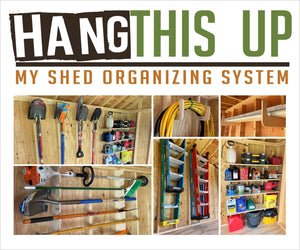
Credit: hangthisup.com
Credit: trimyxs.com
Frequently Asked Questions
How Can I Protect Power Tools From Moisture In My Shed?
Store power tools in airtight containers or plastic bins to keep moisture out. Use silica gel packs to absorb humidity. Ensure your shed has proper ventilation to reduce dampness and prevent rust or damage.
What Is The Best Way To Organize Power Tools In A Shed?
Use wall-mounted pegboards or shelves to keep tools visible and accessible. Group similar tools together and label storage bins. This method saves space and helps maintain a tidy, efficient workspace.
Should Power Tools Be Cleaned Before Storage?
Yes, always clean power tools before storing. Remove dust, dirt, and debris to prevent damage. Wipe tools with a dry cloth and apply light oil to metal parts to avoid rust.
How Do I Keep Power Tool Batteries Safe In Storage?
Store batteries in a cool, dry place away from direct sunlight. Remove batteries from tools when not in use. Charge batteries halfway before storage to maintain their lifespan and performance.
Conclusion
Storing power tools in your shed keeps them safe and ready to use. Use shelves, hooks, and boxes to organize neatly. Keep tools dry and clean to avoid damage. Label containers to find items quickly. Regularly check for rust or wear.
A tidy shed saves time and protects your tools. Start organizing today for easier projects tomorrow. Simple steps make a big difference.

