
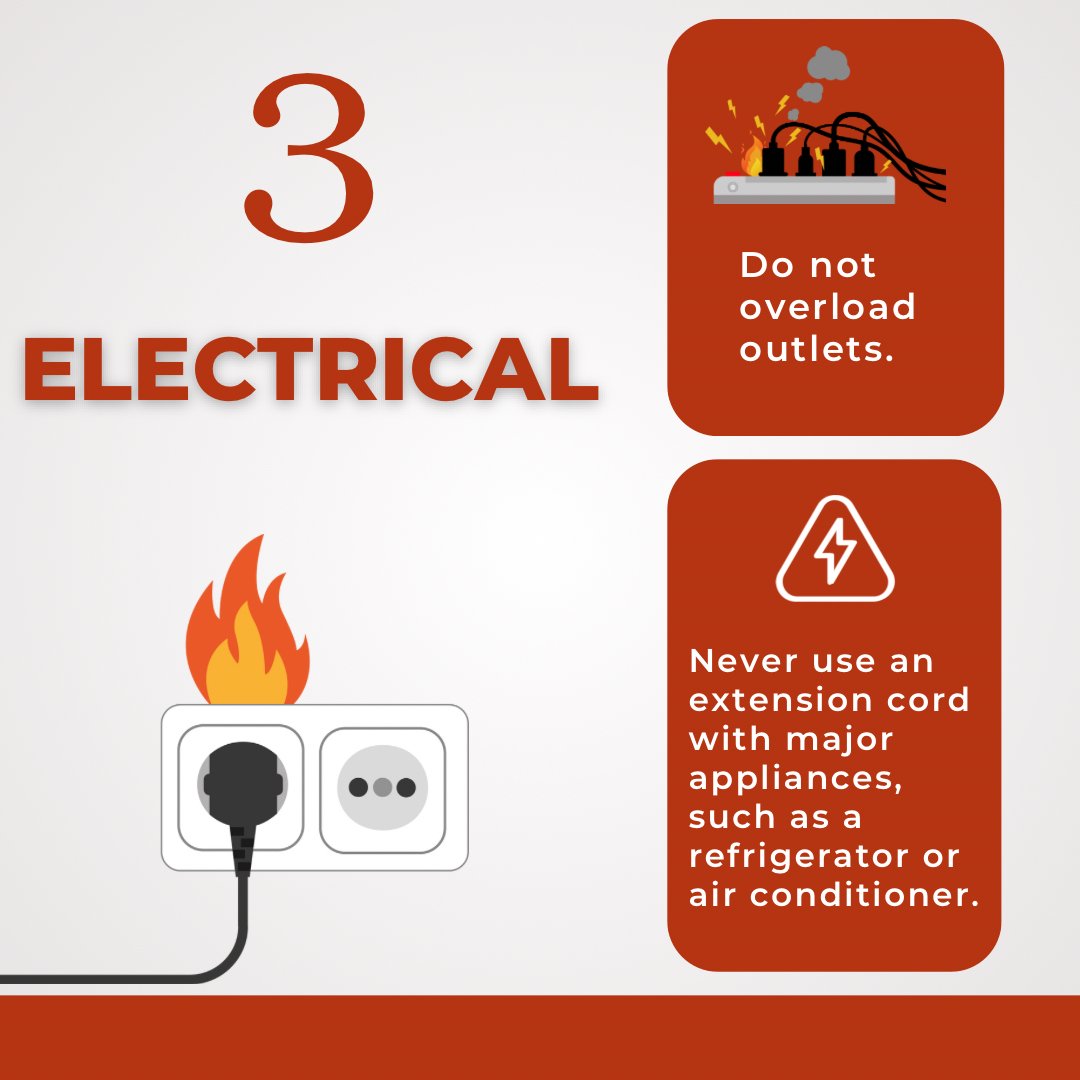
Are you using extension cords safely in your home or office? Many people don’t realize that a simple extension cord can become a serious fire hazard if not handled properly.
But don’t worry—you can easily protect yourself, your loved ones, and your property by learning a few important tips. You’ll discover how to prevent fire risks linked to extension cords and keep your space safe. Keep reading to find out what mistakes to avoid and how to use your cords the right way every time.

Credit: www.esfi.org
Common Fire Risks With Extension Cords
Overloading circuitshappens when too many devices plug into one extension cord. This can cause the cord to overheatand start a fire. Always check the cord’s maximum load and do not exceed it.
Damaged or frayed cordsare very risky. Worn-out wires can spark and cause fires. Regularly inspect cords and replace any that show cracks, cuts, or exposed wires.
Improper placementmeans putting cords under rugs, near heat, or in places where they can get crushed. This can damage the cord and increase fire risk. Keep cords visible and away from heavy traffic.
Using incompatible deviceswith extension cords can cause overheating. Some devices need special cords or plugs. Always match devices with the right extension cord type and rating.
Choosing The Right Extension Cord
Check the amperage ratingto match the device’s power needs. Using a cord with too low rating can cause overheating and fires. Always choose a cord that can handle the current safely.
Select the proper length.Avoid cords that are too long or too short. Too long cords can cause voltage drops; too short cords may lead to unsafe stretching or plugging multiple cords.
Choose outdoor vs indoor cordsbased on where you will use them. Outdoor cords have special insulation to protect against weather and moisture. Indoor cords are not safe outside.
Look for safety certificationslike UL, CSA, or ETL marks. These show the cord meets safety standards. Certified cords reduce the risk of fire and shocks.
Safe Usage Practices
Avoid daisy chainingextension cords. Plugging one cord into another can cause overheating and fires. Use a single, long cord instead of many short ones linked together.
Keep cords away from heat sourceslike heaters, stoves, or sunlight. Heat can damage the cord’s insulation, leading to sparks or shorts.
Unplug extension cords when not in use. This prevents overheating and saves electricity. Always turn off devices before unplugging.
Use grounded outletswith three-prong plugs. They provide extra safety by directing electricity safely to the ground if there is a fault.
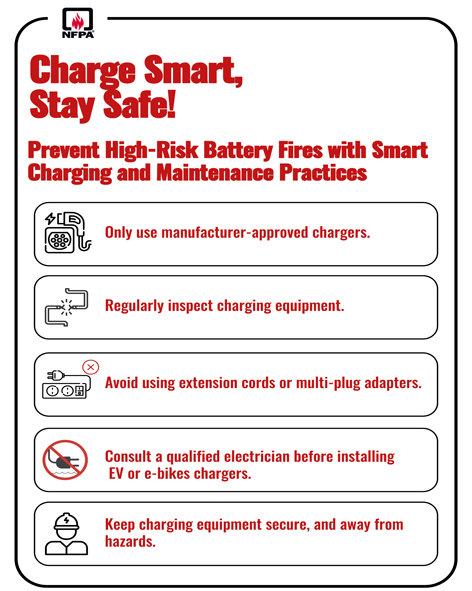
Credit: pantimearabia.com
Routine Inspection And Maintenance
Check the extension cord for any cutsor fraying. Damaged cords can cause fires. Always unplug the cord before inspecting it. Be careful with worn-out areas. Replace cords with visible damage immediately.
Plug in a simple device to test the cord. Make sure it works well. If the device doesn’t work, the cord might be faulty. A faulty cord can be dangerous. Test cords regularly to ensure safety.
Older cords can become unsafe over time. If a cord looks old, it might not work well. Replace old cords to prevent fire hazards. New cords are safer and more reliable.
- Keep cords in a cool, dry place.
- Avoid sharp bends and twists.
- Use a storage reel to keep cords organized.
- Store cords away from children and pets.
Emergency Preparedness
Smoke detectorsnear extension cords alert you early to fire. Test them monthly and replace batteries yearly. Keep detectors clean and dust-free for best performance.
Place a fire extinguisherclose to areas with many cords. Know how to use it safely. Choose an extinguisher rated for electrical fires (Class C).
Learn how to cut power quicklyin emergencies. Know the location of your home’s main breaker. This helps stop electrical fires fast.
Have a clear evacuation plan. Make sure all family members know the safest exits. Practice the plan often so everyone feels ready.

Credit: www.premium-electric.ca
Frequently Asked Questions
What Causes Fire Hazards With Extension Cords?
Fire hazards often result from overloaded cords, damaged insulation, and improper use. Using high-wattage devices on low-rated cords increases fire risk. Avoid running cords under rugs or furniture to prevent overheating. Regular inspection and proper usage reduce fire hazards effectively.
How Can I Safely Use Extension Cords Indoors?
Use extension cords rated for indoor use only. Avoid daisy-chaining multiple cords together. Keep cords away from heat sources and water. Always unplug cords when not in use to prevent overheating. Follow manufacturer guidelines for safe indoor use.
Can Damaged Extension Cords Start Fires?
Yes, damaged cords expose wires, causing short circuits or sparks. Frayed or cracked insulation increases fire risk. Replace damaged cords immediately. Regular inspection helps detect wear and tear early, preventing potential fire hazards.
How Do I Choose The Right Extension Cord For Safety?
Select cords with the correct gauge for your device’s power needs. Choose cords with safety certifications like UL listing. Longer cords should have thicker wires to handle current. Proper selection minimizes overheating and fire risks.
Conclusion
Preventing fire hazards with extension cords keeps your home safe. Always check cords for damage before use. Avoid overloading outlets or running cords under rugs. Use cords rated for your devices’ power needs. Unplug cords when not in use to reduce risks.
Simple habits protect your family and belongings. Stay alert and handle cords with care every day. Safety starts with small actions, and they matter. Keep fire dangers away by following these easy steps. Your safety depends on how you use extension cords.

