
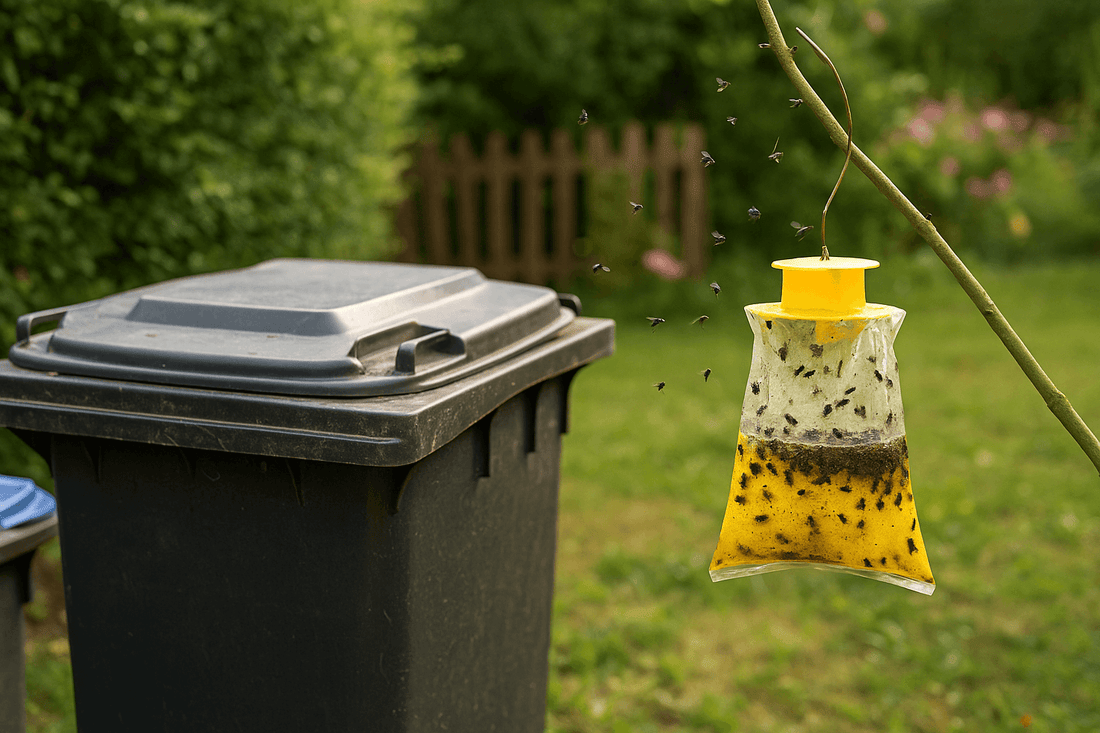
Are you tired of dealing with annoying flies buzzing around your recycling bin? Those tiny pests can turn a simple chore into a frustrating mess.
But don’t worry—there are easy steps you can take to keep your recycling bin fly-free. You’ll discover practical tips that work, helping you maintain a cleaner, fresher space. Keep reading, and say goodbye to flies for good!
Why Flies Target Recycling Bins
Flies are drawn to recycling bins because these containers often hold materials that attract them. The mix of food residues and dampness creates a perfect environment. Flies use recycling bins to find food and places to lay eggs. Understanding why flies target these bins helps prevent infestations effectively.
Common Attractants In Recycling
Recycling bins often contain leftovers that attract flies.
- Food scraps on containers like cans and bottles
- Sticky residues from sugary drinks
- Moisture trapped inside items
- Organic waste mixed in by mistake
These attractants provide flies with food and moisture. Even small amounts can invite flies quickly.
Breeding Habits Of Flies
Flies look for warm, moist places to lay eggs.
Recycling bins meet these needs because:
- They often stay warm in sunlight or indoors
- Food residues create moist spots
- Bins offer shelter from wind and predators
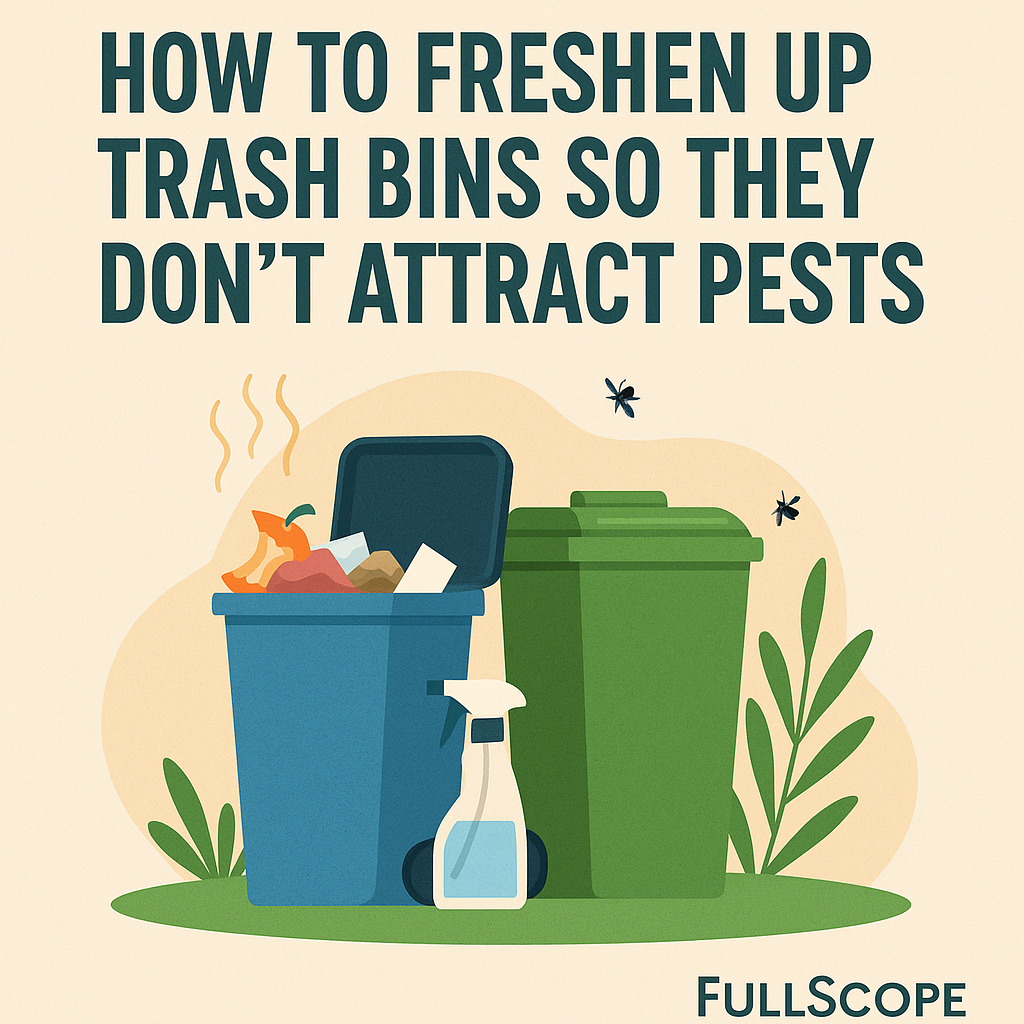
Flies lay hundreds of eggs that hatch into larvae within days. Larvae feed on leftover organic material, growing inside the bin.
Credit: www.fullscopepestcontrol.com
Keep Your Bin Clean
Keeping your recycling bin clean is key to stopping flies. Dirt and leftover food attract these pests quickly. A clean bin means fewer places for flies to breed. Regular care helps keep your bin fresh and fly-free.
Regular Washing Techniques
Wash your bin often to remove grime and smells. Use a hose to rinse the inside and outside. Scrub with a stiff brush to clear stuck debris. Let the bin dry completely before using it again. Cleaning after each recycling day works best. This routine stops fly eggs from developing.
Using Safe Cleaning Agents
Choose cleaning products that are safe for the environment. Mild soap mixed with warm water works well. Avoid strong chemicals that harm plants or pets. Natural options like vinegar or baking soda clean and deodorize. Spray or scrub these agents inside the bin. Rinse well to keep your bin safe and clean.
Proper Waste Sorting
Proper waste sorting plays a key role in keeping flies away from recycling bins. It reduces leftover food and sticky residues that attract flies. Clean bins mean fewer pests and less smell.
Sorting waste correctly also helps recycling centers process materials better. This keeps your home cleaner and supports the environment.
Separating Food Residue From Recyclables
Food scraps and residues invite flies and cause bad odors. Remove all leftover food from containers before recycling. Scrape or wipe out any bits stuck inside bottles, jars, or cans.
Keep food waste in a separate bin or compost container. Avoid mixing it with recyclables. This simple step lowers fly attraction and stops contamination.
Rinsing Containers Effectively
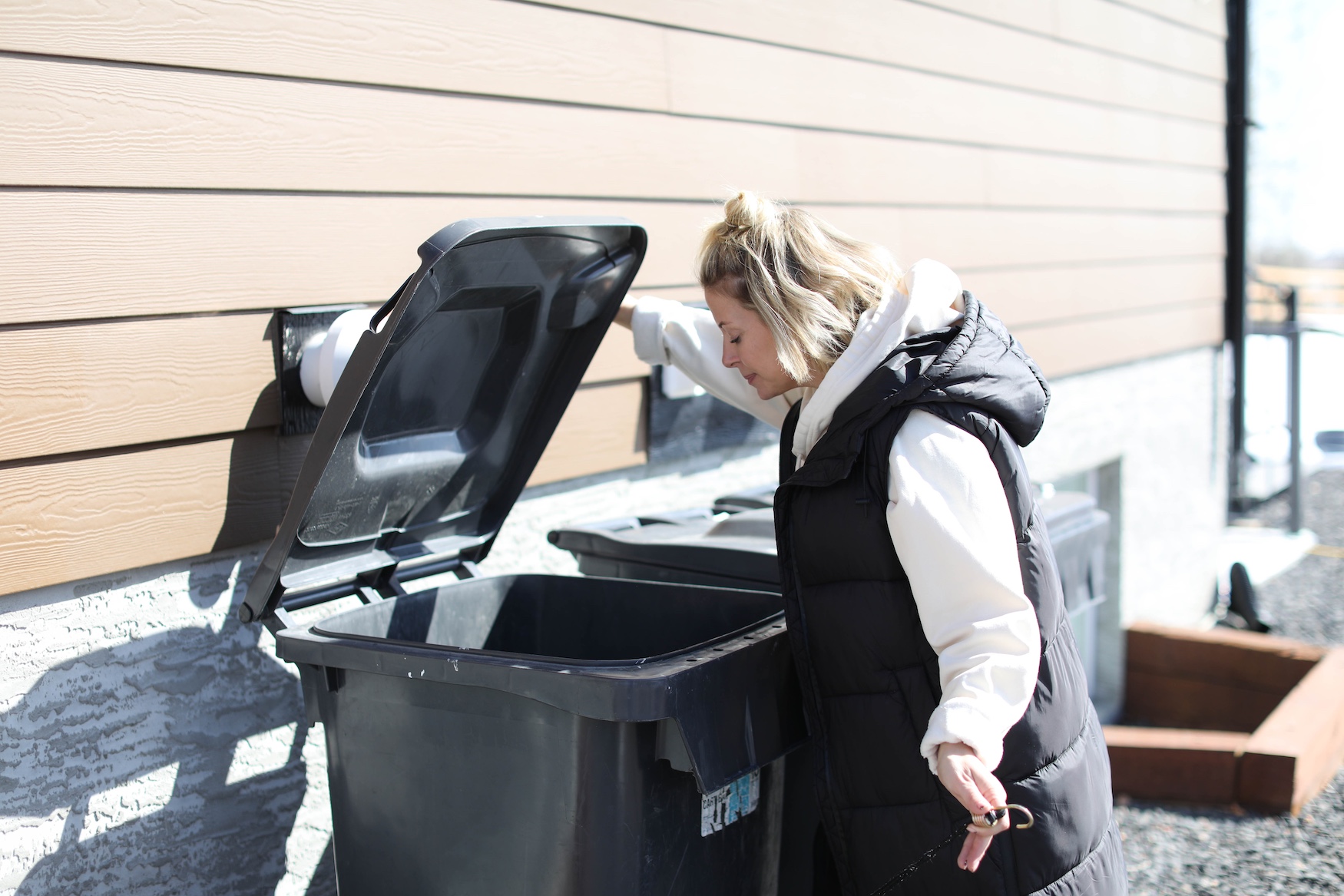
Rinsing containers with water removes sticky residues and smells. Use warm water for better cleaning. A quick rinse is enough to clear out most food traces.
Focus on containers that held sugary or greasy foods. These attract flies the most. Clean containers dry faster and do not trap moisture, reducing fly breeding spots.
Credit: www.housework.com
Seal The Bin Tightly
Seal the bin tightly to block entry points for flies. This simple step keeps odors contained and reduces fly attraction. Secure lids effectively to maintain a fly-free recycling environment.
Preventing flies from making your recycling bin their new home is more than just a matter of convenience—it’s essential for maintaining hygiene and odor control. One of the most effective strategies is to seal the bin tightly. This simple yet crucial step creates a barrier that keeps pesky flies out and your recycling area clean. You might be surprised how much of a difference this can make in your daily life.Choosing Bins With Secure Lids
Selecting the right bin is your first line of defense. Look for bins that come with tightly fitting lids. These are specifically designed to lock in odors and keep flies out. If you’re in the market for a new bin, consider models with snap-on or flip-top lids. They offer a secure seal and are often more durable. Remember, the better the lid fits, the less likely you’ll be dealing with unwanted guests buzzing around your recycling.Additional Covering Methods
Sometimes, even a tightly sealed bin needs a little extra help. Consider using a bungee cord or heavy-duty rubber bands to ensure the lid stays firmly in place. You can also try placing a weighted object, like a brick or a heavy stone, on top of the lid. This not only keeps the lid secure but also discourages curious critters. Have you ever noticed how a simple extra layer can make all the difference? It’s the same with your bin. A secure covering can significantly reduce the attraction flies feel toward your recycling bin. By focusing on these practical steps, you’ll be well on your way to a fly-free recycling experience.Use Natural Repellents
Using natural repellents helps keep flies away from your recycling bin safely. These repellents work without harsh chemicals. They create a barrier that flies dislike, reducing their presence around the bin. Natural options also smell pleasant and improve the area’s freshness.
Essential Oils That Deter Flies
Certain essential oils are strong fly deterrents. They emit scents flies avoid. Some popular oils include:
- Lavender oil – offers a calming smell but repels flies.
- Eucalyptus oil – has a sharp scent that flies dislike.
- Peppermint oil – fresh and strong, keeps flies at bay.
- Lemon oil – citrus scent that flies avoid. <li a="" aroma.
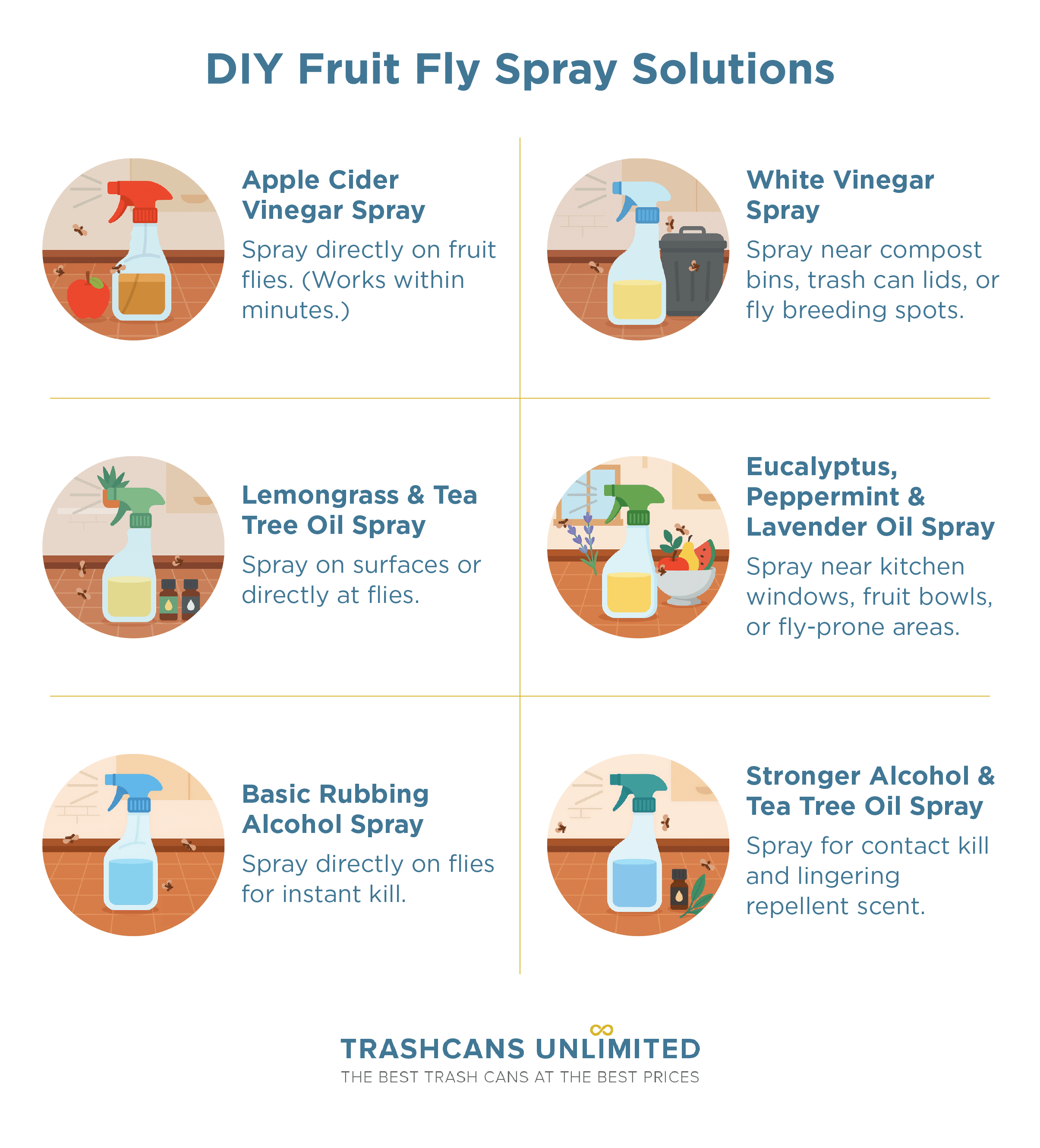
Mix a few drops of any oil with water in a spray bottle. Spray around the recycling bin edges. Repeat this spray every few days to maintain protection.
Herbs And Plants Near The Bin
Planting herbs near your recycling bin helps reduce flies naturally. Their scents confuse or repel flies effectively. Good choices include:
- Basil – strong fragrance keeps flies away.
- Mint – easy to grow and deters flies strongly.
- Rosemary – woody scent that flies dislike.
- Bay leaves – commonly used to repel flies and other insects.
- Marigold – bright flowers with a smell that bugs avoid.
Place pots of these herbs close to your bin. They act as a natural barrier and beautify the area. Replace or trim plants regularly for best results.
Control Moisture Levels
Controlling moisture levels in your recycling bin is essential to prevent flies from making it their home. Moist environments attract these pests, turning your recycling efforts into a nuisance. Keeping your bin dry not only reduces fly activity but also helps maintain a cleaner, fresher space around your home.
Avoiding Water Build-up
Standing water inside or around your recycling bin creates the perfect breeding ground for flies. Make sure to rinse out bottles and cans before tossing them in to minimize leftover liquids. If you notice any spills, wipe them up promptly to stop moisture from accumulating.
Consider using absorbent materials like newspaper or paper towels at the bottom of your bin. These can soak up excess moisture and keep the interior drier. Have you checked recently if your bin’s drainage holes are blocked? Clearing them can prevent water from pooling inside.
Proper Bin Placement
Where you place your recycling bin affects how much moisture it collects. Avoid spots that stay damp or shaded all day, such as next to garden hoses or under dripping trees. Placing your bin in a sunny, well-ventilated area helps moisture evaporate faster.
Think about the surface beneath your bin. A paved or raised platform encourages drainage and airflow, reducing dampness. Have you tried moving your bin to a different location after rain? You might notice less moisture and fewer flies around.
Regular Bin Maintenance
Regular bin maintenance plays a key role in preventing flies from invading your recycling bin. Keeping the bin clean and dry stops flies from breeding and laying eggs. Consistent care also reduces odors that attract flies. A well-maintained bin makes your recycling routine much easier and more hygienic.
Scheduled Cleaning Routine
Set a fixed schedule to clean your recycling bin. Cleaning once a week helps remove food residue and liquids. Use warm water and mild soap for washing. Rinse thoroughly to avoid soap build-up. Let the bin dry completely before using it again. Dry bins discourage flies from landing and breeding.
Inspecting For Fly Infestation
Check your recycling bin regularly for signs of flies. Look for small fly larvae or clusters of eggs near the lid and bottom. Watch for increased fly activity around the bin. Early detection helps stop infestations before they grow. Remove any visible larvae with a brush or hose. This keeps the bin fresh and fly-free.
Additional Preventive Measures
Preventing flies from invading your recycling bin can sometimes require extra effort beyond basic cleaning and sealing. Taking additional preventive measures can make a significant difference in keeping your bin fly-free and maintaining a fresh environment around your home. These options often combine practical tools and expert help to tackle the problem more effectively.
Using Fly Traps
Fly traps can catch flies before they settle in your recycling bin. You can use commercially available sticky traps or make simple DIY traps with sugar water or vinegar. Place these traps near the bin to attract flies away from your recycling.
Sticky traps are easy to hang around the bin area and don’t require chemicals. A homemade vinegar trap, using a small jar with apple cider vinegar and a drop of dish soap, works well to lure and drown flies. Have you tried positioning traps in different spots to find the most effective location?
Professional Pest Control Options
If flies keep returning despite your efforts, professional pest control might be the answer. Experts can identify the exact source of the fly problem and use targeted treatments that are safe for your household. They offer solutions ranging from insecticides to advanced fly control devices.
Hiring professionals can save you time and prevent recurring infestations. It’s worth considering if you notice a persistent fly presence or if your recycling bin is located near a larger fly breeding area. Have you thought about calling a specialist before the problem gets out of hand?
Credit: trashcansunlimited.com
Frequently Asked Questions
How Do Flies Get Attracted To Recycling Bins?
Flies are drawn to recycling bins by leftover food and organic waste. They smell fermenting materials and lay eggs. Proper cleaning prevents this attraction and stops fly infestations effectively.
What Cleaning Methods Prevent Flies In Recycling Bins?
Regularly rinse bins with hot water and mild soap. Use vinegar or baking soda to neutralize odors. Dry bins completely before use to prevent moisture that attracts flies.
Can Sealing Recycling Bin Lids Stop Flies?
Yes, tightly sealing lids blocks flies from entering. It reduces odors and stops flies from laying eggs inside. Use bins with secure, fly-proof lids for best results.
How Often Should Recycling Bins Be Cleaned?
Clean recycling bins at least once a week. Frequent cleaning removes food residues and odors that attract flies. This routine helps maintain a fly-free bin environment.
Conclusion
Keeping flies out of your recycling bin is easier than you think. Clean the bin often to stop smells that attract flies. Use tight lids to keep flies from entering. Dry out wet items before recycling to reduce moisture. Small steps make a big difference in fly control.
Your home stays cleaner and fresher this way. Start these habits today for a fly-free recycling bin. Simple actions lead to a healthier environment around you.

