
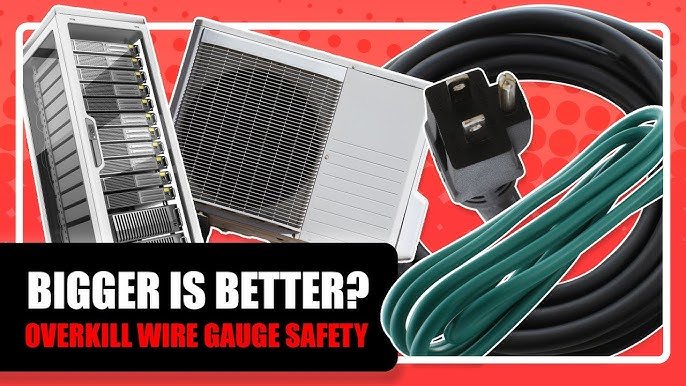
Are you frustrated when your power tools or appliances don’t work as well as they should when plugged into a long extension cord? You’re not alone.
Voltage drop is a common problem that quietly steals power and reduces performance, leaving you wondering what went wrong. But what if you could stop this from happening and keep your devices running smoothly, no matter how far they are from the outlet?
You’ll discover simple, effective ways to prevent voltage drop with long extension cords. Keep reading to power up your tools and gadgets the right way—every time.

Credit: lifesupplyusa.com
Causes Of Voltage Drop
Resistance in wirescauses voltage to drop as electricity flows. Longer wires have more resistance, which lowers voltage at the end.
Length of extension cordmatters a lot. The longer the cord, the more voltage loss occurs. Use shorter cords to reduce drop.
Wire gauge importance:Thicker wires (lower gauge number) carry electricity better. Thin wires have more resistance and cause bigger voltage drops.
High power demandfrom devices also leads to voltage drop. When devices need more power, the voltage at the end can fall below what they need.

Credit: autacusa.com
Choosing The Right Extension Cord
Selecting the right wire gaugeis key to prevent voltage drop. Thicker wires carry electricity better. For long cords, choose a lower gauge number like 12 or 14. This reduces resistance and power loss.
Cord length also affects voltage drop. Longer cords mean more resistance. Keep the cord as short as possible for best results. If you need a very long cord, use a thicker wire gauge.
| Wire Gauge | Recommended Use | Voltage Drop Risk |
|---|---|---|
| 12 AWG | Long cords over 50 feet | Low |
| 14 AWG | Medium length cords 25-50 feet | Medium |
| 16 AWG | Short cords under 25 feet | Higher |
Quality and material matter. Copper wires carry electricity better than aluminum. Good insulation protects wires and keeps voltage stable. Avoid cheap cords with thin wires or poor insulation.
Installation Best Practices
Avoiding sharp bendskeeps the extension cord safe and working well. Sharp bends can damage the wires inside. This damage causes voltage dropand may even create a fire risk. Keep the cord straight or gently curved to keep power flowing smoothly.
Securing cord connectionsprevents loose contacts that cause voltage loss. Make sure plugs fit tightly and sockets hold the cord firmly. Loose connections create resistance, which lowers voltage and can cause sparks. Use cable ties or clips to hold cords in place.
Try to use as few splices or joints as possible. Each splice adds a point where voltage can drop. If splices are needed, use high-quality connectorsand seal them well. Well-made splices keep the current strong and steady.
Additional Equipment To Reduce Drop
Using a thicker gauge wire or a heavy-duty extension cord helps lower voltage drop over long distances. Adding a voltage regulator can also keep power stable and protect devices. These tools ensure your equipment runs smoothly without losing energy.
Using Voltage Regulators
Voltage regulators keep power steady. They adjust the flow. No sudden changes. This helps stop voltage drop. It’s like a guard for electricity. Keeps everything safe and working well.Employing Power Boosters
Power boosters make electricity stronger. They help it travel far. Even with long cords. They stop power loss. Your devices work better. More efficient. More reliable.Installing Dedicated Circuits
Dedicated circuits give power its own path. They stop sharing with other devices. This means less strain. Less chance of drop. Everything gets the right amount of power. It’s safer. More effective. `Monitoring And Maintenance
Regularly check the extension cord for any cuts, cracks, or worn spots. These damages can cause voltage dropand safety hazards. Look for exposed wiresand loose connections. Keep the cord away from sharp edges and heat sources.
Use a voltage meterto measure the voltage at the plug and at the device end. A big differencemeans there is a voltage drop. Check the voltage often to catch problems early.
- Replace cords with visible damage immediately.
- Do not use cords with frayed or exposed wires.
- Choose cords with appropriate thicknessfor the load.
- Buy new cords if the voltage drop is too high.
Safety Tips For Long Extension Cords
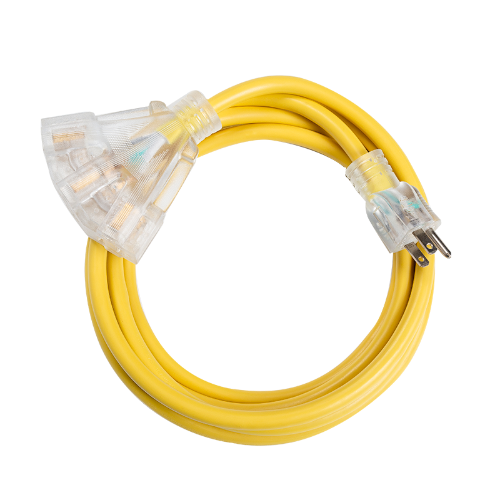
Avoiding overloadingis key to prevent voltage drop and fires. Use cords with the right power ratingfor your devices. Plugging too many devices can cause overheating. Check the maximum load on the cord label. Use multiple cords if needed to spread the load evenly.
Proper storage techniqueskeep cords safe and last longer. Always coil cords looselyto avoid damage. Store them in a dry place, away from sharp objects or heat. Never wrap cords tightly around objects; this can break wires inside.
Weatherproofing outdoor cordsprotects them from damage. Use cords designed for outdoor use. Cover connections with waterproof tape or connectors. Keep cords off wet ground to stop water damage. Regularly check for cracks or wear and replace damaged cords immediately.
Credit: www.lantuocable.com
Frequently Asked Questions
What Causes Voltage Drop In Long Extension Cords?
Voltage drop occurs due to resistance in the cord’s wire. Longer cords have more resistance, reducing voltage at the device. Thin wires increase resistance, causing more drop. Using high-quality, thicker wires minimizes this problem.
How Can Wire Gauge Affect Voltage Drop?
Lower gauge (thicker) wires carry current better and reduce resistance. Using a thicker wire lowers voltage drop in long cords. Always choose the right gauge for your power needs to maintain voltage.
Why Is Voltage Drop Harmful To Electrical Devices?
Voltage drop can cause devices to underperform or fail. Insufficient voltage may lead to overheating or damage. Preventing voltage drop ensures devices work safely and efficiently.
Can Using Multiple Extension Cords Increase Voltage Drop?
Yes, connecting several cords adds resistance, increasing voltage drop. It’s best to use a single, appropriately long cord with proper gauge. This reduces power loss and safety risks.
Conclusion
Preventing voltage drop with long extension cords keeps devices working well. Use thicker cords and shorter lengths to reduce power loss. Choosing the right cord helps avoid overheating and damage. Check connections often for safety and performance. These simple steps protect your equipment and save energy.
Stay safe and keep your tools running smoothly every time.

