
Are you ready to take your professional projects to the next level? Knowing how to use a generator correctly can save you time, reduce costs, and keep your work running smoothly, even when the power goes out.
Whether you’re on a construction site, managing an event, or working in a remote location, having the right generator skills gives you a clear edge. You’ll discover simple, practical steps to get the most out of your generator and avoid common pitfalls.
Keep reading to unlock the secrets that can make your projects more efficient and stress-free.

Credit: venngage.com
Choosing The Right Generator
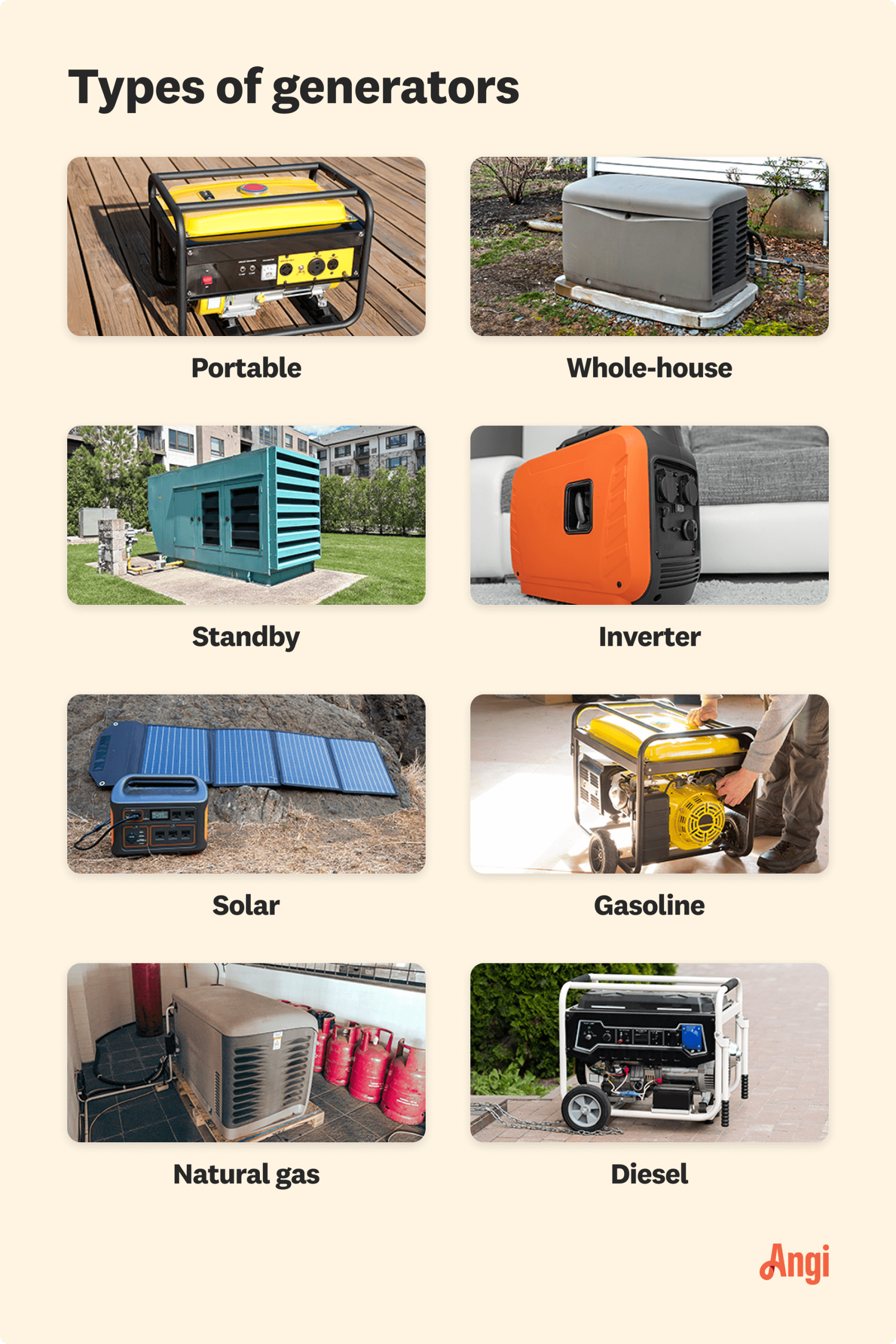
Choosing the right generatordepends on several factors. First, consider the types of generators. Portable generators are good for small projects. Standby generators offer more power and run automatically. Inverter generators provide clean power for sensitive tools.
Power requirementsare key. Check the total wattage needed for your tools. Always pick a generator with a bit more power than your highest need. This prevents overload and keeps machines safe.
| Fuel Option | Pros | Cons |
|---|---|---|
| Gasoline | Easy to find and use | Short shelf life, emits fumes |
| Diesel | Fuel efficient, good for heavy use | Louder and heavier |
| Propane | Cleaner burning, longer shelf life | Needs special storage tanks |
Credit: www.keysight.com
Preparing For Safe Operation
Check the sitefor dry, level ground to place the generator. Avoid wet or uneven surfaces. Keep the generator away from doors, windows, and vents to prevent carbon monoxidebuildup. Clear the area of flammable materials and debris. Make sure there is enough space for air to flow freely around the machine.
- Wear protective glovesand safety glasses.
- Use ear protection to guard against loud noise.
- Wear sturdy shoes to avoid slips or injuries.
- Keep clothing tight to avoid getting caught in parts.
Always operate the generator outdoors or in well-ventilated spaces. Exhaust fumes can be deadlyinside closed areas. Use fans or open windows if inside a building. Avoid running the generator in garages or basements.
Setting Up The Generator
Place the generator on a flat, dry surface away from buildings. Connect fuel lines and check oil levels before starting. Ensure all safety measures are in place to avoid accidents during use.
Placement Tips
Choose a flat spot for the generator. Keep it away from water. Ensure the area is well-ventilated. This prevents harmful gas buildup. Avoid enclosed spaces like garages.
Connecting Equipment
Use heavy-duty extension cords. Check the cords for damage. Plug equipment into the generator. Ensure connections are tight. Avoid overloading the generator with too many devices.
Starting Procedures
Turn off all connected devices first. Check the fuel level. Fill it up if needed. Switch the generator to the “on” position. Pull the starter cord firmly. Let the generator run for a minute. Slowly start turning on the connected devices.
Maximizing Efficiency
Load managementis key to running a generator well. Avoid running too many devices at once. This keeps the generator from overworking and breaking down. Use power tools and machines one at a time or in small groups. Check the generator’s wattage limit before connecting devices. Balance the load to keep the generator stable and safe.
Fuel conservationsaves money and time. Use the right fuel type for your generator. Turn off the generator when not in use to save fuel. Keep a close watch on fuel levels during work. Refuel only when the generator is off and cooled down. Proper fuel use helps the generator last longer.
Maintenance during usekeeps the generator in good shape. Check oil levels regularly and refill as needed. Clean air filters to avoid dust buildup. Listen for strange noises; they can signal problems. Keep the generator dry and cool to prevent damage. Regular care helps avoid breakdowns and keeps work running smoothly.
Troubleshooting Common Issues
Starting problemsmay occur due to low fuel or weak battery. Check fuel levels first. Make sure the battery is fully charged. Loose wires can also stop the generator from starting. Tighten all connections securely.
Power fluctuationsoften happen when the load is too high. Avoid using too many devices at once. A voltage regulator can help keep power steady. Inspect the generator for worn brushes or faulty parts that affect power output.
Overheating solutionsinclude keeping the generator in a well-ventilated area. Clean air filters regularly to ensure good airflow. Check the coolant and oil levels often. Turn off the generator if it gets too hot and let it cool down before restarting.
Post-project Generator Care
Cleaningthe generator after each project keeps it in good shape. Remove dirt, dust, and oil with a soft cloth. Check the air filter and clean or replace it if needed. Inspectall parts for wear or damage. Look at cables, plugs, and fuel lines to spot cracks or leaks early.
Proper storagehelps the generator last longer. Store it in a dry, cool place away from direct sunlight. Empty the fuel tank if you will not use it for a long time. Cover the generator with a breathable cloth to stop dust buildup.
| Maintenance Task | Frequency | Details |
|---|---|---|
| Oil Change | Every 50 hours | Use recommended oil type for your model |
| Battery Check | Monthly | Charge or replace if weak |
| Fuel System | After long storage | Drain old fuel and clean tank |
Expert Tips For Professional Use
Enhancing Longevityof a generator requires regular care. Change the oil every 50 hours of use. Clean the air filter monthly to avoid dust build-up. Store the generator in a dry place to prevent rust and damage. Run the generator for a short time monthly to keep parts working well.
Safety Best Practicesinclude keeping the generator outside, away from windows. Never use it indoors to avoid dangerous fumes. Use heavy-duty extension cords rated for outdoor use. Always turn off the generator and let it cool before refueling. Keep children and pets far from the running generator.
| Optimizing Performance | Tips |
|---|---|
| Fuel Quality | Use fresh, clean gasoline for best results. |
| Load Management | Do not overload. Check generator wattage limits. |
| Regular Checks | Inspect spark plugs and replace when needed. |
| Proper Grounding | Ground the generator to avoid electrical hazards. |

Credit: lovable.dev
Frequently Asked Questions
What Type Of Generator Is Best For Professional Projects?
For professional projects, choose a generator with high wattage and reliable output. Inverter generators are ideal for sensitive electronics. Ensure the generator matches your equipment’s power needs to avoid downtime or damage.
How Do I Safely Operate A Generator On-site?
Always place the generator outdoors in a well-ventilated area. Keep it dry and away from combustible materials. Follow the manufacturer’s startup and shutdown procedures to ensure safe and efficient use.
Can Generators Run Sensitive Professional Equipment?
Yes, inverter generators provide clean and stable power ideal for sensitive equipment. They prevent voltage fluctuations that could damage electronics, making them suitable for professional-grade tools and devices.
How To Maintain A Generator For Long-term Use?
Regularly check oil, fuel, and air filters. Perform scheduled servicing according to the manual. Clean the generator and store it properly when not in use to ensure durability and reliable performance.
Conclusion
Using a generator can help complete professional projects smoothly. Choose the right generator for your specific needs. Always follow safety rules to avoid accidents. Regular maintenance keeps your generator working well. With practice, operating a generator becomes easier and faster.
Good power supply means better results and less stress. Stay prepared to handle any power issues on site. This simple tool supports your work and saves time. Keep learning to improve your skills with generators. Success in projects often depends on reliable power sources.
