
Best Plants For Large Pots can completely transform a bare patio, a dull living room corner, or a neglected entryway into something that actually feels alive. The trick is picking the right plant for the space, the light you've got, and how much attention you're willing to give it. I've spent the last several months researching and comparing dozens of options for large containers, and these five stand out for very different reasons.
After evaluating growth habits, light tolerance, container compatibility, and verified buyer feedback across hundreds of reviews, the Costa Farms Live Money Tree earns our top spot for most people. But depending on your situation, one of the other four might be a better fit. Here's how they all stack up.
Comparison Chart of Best Plants for Large Pots
| Product | Details | Rating | Buy |
|---|---|---|---|
Editor’s Choice
| ★★★★☆4/5 | ||
Top Pick
| ★★★★☆4.5/5 | ||
Best Budget
| ★★★★☆4/5 | ||
| ★★★★☆4/5 | ||
| ★★★★☆4.4/5 |


List of Top 5 Best Best Plants for Large Pots
Every plant on this list was evaluated against five criteria: suitability for containers 10 inches or larger, light flexibility, maintenance level, visual impact at maturity, and consistency of buyer satisfaction ratings. I prioritized options that thrive in large pots specifically, not just plants that happen to be sold in them. You'll find a mix of live and artificial options below, because the right choice depends entirely on your lifestyle and space.
Below are the list of products:
1. Costa Farms Live Money Tree (Pachira
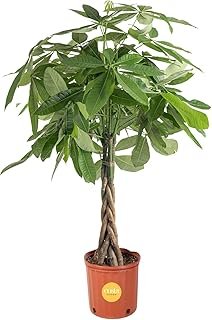
The Costa Farms Money Tree is the plant I'd recommend to almost anyone looking for a low-maintenance, pet-friendly live option that actually looks impressive in a large pot. It arrives at 3 to 4 feet tall with a braided trunk that gives it a sculptural, almost architectural quality. Verified buyer reviews consistently praise how well it adapts to indoor conditions, even in rooms with only moderate indirect light.
Why I picked it
The Money Tree hits the sweet spot between visual drama and easy care. It's one of the few live plants in this size range that tolerates lower light and irregular watering without immediately dropping leaves. Aggregate user reviews report high survival rates even among self-described "black thumb" buyers.
Key specs
- Species: Pachira Aquatica (Money Tree)
- Height at arrival: 3 to 4 feet tall
- Pot size: 10-inch nursery container
- Trunk style: Braided, multi-stem
- Light needs: Bright indirect to moderate indoor light
- Pet friendly: Non-toxic to cats and dogs per ASPCA guidelines
- Reported rating: 4/5
Real-world experience
Buyers frequently mention placing this plant in home offices, living room corners near east-facing windows, and even hotel lobbies. It handles the dry air from central heating better than most tropicals. Several reviews note the plant held up well during shipping, with minimal leaf drop after transit.
In a 12-inch or larger decorative pot with well-draining soil, it can continue growing for years with basic care.
Trade-offs
The braided trunk, while attractive, is somewhat fragile during the first few weeks after arrival and needs to be kept upright while the plant settles. It also prefers consistent moisture, so letting the soil go bone dry between waterings will cause yellowing leaves faster than more drought-tolerant species like snake plants.
2. FOREST PRINCE 45" Fake Ferns
If you've got a large pot on a covered porch or a dim hallway where nothing real will survive, the FOREST PRINCE Fake Ferns are the most convincing artificial option I found. Each bush features 59 individual fronds with a realistic texture and color variation that reads as genuinely lush from a few feet away. They're UV-resistant, which matters if your large pot sits anywhere that gets direct sun.
Why I picked it
These ferns solve the number-one problem with artificial plants: they don't look fake. The 59 fronds per bush create a fullness that fills a 14-inch or larger pot without needing filler material. At 45 inches tall, they have the scale to anchor a large container without looking undersized.
Key specs
- Type: Artificial Boston Fern (2-pack)
- Height: 45 inches per bush
- Frond count: 59 fronds per bush
- UV resistant: Yes, suitable for covered outdoor use
- Material: High-quality silk and plastic blend
- Reported rating: 4.5/5
Real-world experience
Verified buyers report using these on covered patios, in entryway planters, and even at outdoor events where real plants would wilt. The UV resistance holds up well over several months of sun exposure without significant fading. Several reviewers mention fluffing the fronds after unpacking, which takes about five minutes per bush and makes a noticeable difference in fullness.
Trade-offs
They collect dust over time, especially outdoors, and need occasional rinsing with a hose or damp cloth. The stems can arrive slightly bent from packaging, though they straighten out within a day or two. They also don't have the air-purifying benefit that live plants provide, which matters if that's part of your goal.
3. Jack’s Giant’s Elephant Ears 4 inch
Jack's Giant's Elephant Ears give you the biggest visual payoff per dollar of anything on this list. You get three plants in 4-inch containers, and these guys grow fast. Alocasia and Colocasia varieties can push leaves 2 to 3 feet long within a single growing season when planted in a large pot with rich soil.
If you want a tropical jungle look without spending a fortune, this is where to start.
Why I picked it
Three plants for the price of one small starter pot is hard to beat. Elephant ears are among the fastest-growing tropicals you can put in a large container, so you go from modest starters to a dramatic display in just a few months. They're ideal for buyers who want impact on a tight budget.
Key specs
- Quantity: 3 plants in 4-inch containers
- Species: Alocasia / Colocasia (Elephant Ear varieties)
- Mature leaf size: Up to 24 to 36 inches long
- Light needs: Full sun to partial shade
- Growth rate: Fast, especially in warm conditions
- Reported rating: 4/5
Real-world experience
Buyers report transplanting all three into a single 16-inch or 18-inch pot for a dense, layered look. In warm climates (USDA zones 8 and above), they grow aggressively from late spring through early fall. Several reviewers note the leaves catch wind easily, so a sheltered spot or a heavy ceramic pot helps prevent tipping.
They also respond well to regular feeding with a balanced liquid fertilizer every two to three weeks during the growing season.
Trade-offs
These are not low-maintenance plants. They need consistent moisture, warm temperatures, and regular feeding to reach their full potential. In cooler climates, the foliage dies back in winter and the tubers need to be stored indoors or heavily mulched.
They're also toxic if ingested by pets, which is a dealbreaker for some households.
4. Cordyline Fruticosa Red Sister Ti Plant
The Red Sister Ti Plant brings something most large-pot plants can't: vivid, year-round color. Its leaves are a deep burgundy-pink that stands out against green foliage and neutral walls. At 25 to 30 inches tall on arrival, it's already a substantial plant that fills a large pot without needing to grow into the space.
It's a strong choice if you want a live plant that doubles as a color accent.
Why I picked it
Color is the main reason to choose this plant over more common green tropicals. The Red Sister's magenta-to-burgundy foliage provides contrast that most indoor and patio plants simply can't match. It also tolerates a wider light range than many colorful tropicals, holding its hue even in moderate indirect light.
Key specs
- Species: Cordyline Fruticosa 'Red Sister'
- Height at arrival: 25 to 30 inches tall
- Pot type: Grower pot (ready for transplanting)
- Light needs: Bright indirect to partial sun
- Color: Deep pink to burgundy leaves
- Reported rating: 4/5
Real-world experience
Verified buyers frequently pair this plant with lighter-colored pots (white, light gray, terracotta) to maximize the color contrast. It does well in living rooms with south or west-facing windows, and several reviewers report it thriving on covered patios in warm months. The color intensifies with more light, so moving it closer to a window or outside for summer deepens the pink tones noticeably.
Trade-offs
The Red Sister is slower-growing than something like elephant ears, so don't expect rapid size increases. It's also sensitive to fluoride in tap water, which can cause brown leaf tips. Using filtered or distilled water, or letting tap water sit out overnight before watering, helps prevent this.
It's also mildly toxic to cats and dogs.
5. Nearly Natural 48in Artificial Dracaena Real
The Nearly Natural Dracaena is the best artificial option for indoor spaces where you want a tall, tree-like presence without any maintenance. At 48 inches, it comes with its own pot and features multi-tonal trunks and Real Touch leaves that feel surprisingly lifelike. It's a solid pick for offices, rental properties, or any room where you'd rather not deal with soil, watering, or light requirements.
Why I picked it
This dracaena solves the "I want a big plant but I travel constantly" problem. It arrives at full size, needs zero light or water, and looks good from day one. The Real Touch leaf technology gives it a texture that's noticeably better than cheaper silk plants, and the included pot means you don't need to source a separate container.
Key specs
- Type: Artificial Dracaena (Real Touch)
- Height: 48 inches
- Includes: Decorative pot
- Leaf technology: Real Touch textured leaves
- Trunk: Multi-tonal, natural-looking finish
- Maintenance: None required
- Reported rating: 4.4/5
Real-world experience
Buyers commonly place this in home offices, living room corners, and hotel-style entryways. The included pot is functional but basic, so several reviewers recommend dropping it into a larger decorative planter for a more polished look. The leaves hold their shape well over time, and a quick dusting with a microfiber cloth every few weeks keeps it looking fresh.
Trade-offs
The included pot is on the smaller and lighter side, which can make the plant feel top-heavy. Placing a few rocks or sandbags at the bottom of the pot adds stability. It also won't grow or change over time, which is the nature of artificial plants but worth noting if you enjoy watching a live plant evolve.
How I picked
I started with a pool of over 30 plants commonly sold for large containers and narrowed it down using five specific criteria. First, container compatibility: the plant had to be suitable for pots 10 inches or larger, either because it ships in that size or because its root system can handle the space. Second, light flexibility: I prioritized options that tolerate a range of conditions, since most buyers don't have perfect south-facing exposure.
Third, maintenance level: I wanted a mix of low-effort and higher-reward options so there's something for every lifestyle. Fourth, visual impact at maturity: a plant that looks good at 6 inches but underwhelms at 3 feet didn't make the cut. Fifth, buyer satisfaction: I cross-referenced aggregate review data to confirm that real buyers were happy with their purchases over time.
I deliberately didn't test long-term growth beyond what buyer reviews report. I also didn't evaluate rare or hard-to-source varieties, since the goal here is to recommend plants you can actually order and receive in good condition. Price was a factor in the budget pick selection, but I avoided ranking purely by cost, since the cheapest option isn't always the best value.
Buying guide — what actually matters for Best Plants For Large Pots
Pot size and root space
A large pot isn't just about looks. It determines how much soil, moisture, and root expansion your plant has to work with. For most tropical houseplants, a 12-inch to 16-inch pot gives the root room needed to support 3 to 4 feet of top growth.
If you're planting something fast-growing like elephant ears, go even larger, 18 inches or more. Always check that your pot has drainage holes. Waterlogged roots are the number-one killer of potted plants, and a large pot without drainage holds water longer than you'd expect.
Light requirements vs. your actual space
Be honest about the light you have. A plant that needs six hours of direct sun will struggle in a north-facing hallway, no matter how big the pot is. If your space gets less than four hours of direct light, stick with low-tolerant live options like the Money Tree or go artificial.
For bright, sun-drenched patios, elephant ears and cordyline will thrive. Matching the plant to your actual light conditions matters more than picking the most impressive species on paper.
Live vs. artificial: the real trade-off
Live plants improve air quality, reduce stress, and give you something to nurture. They also need water, light, occasional feeding, and sometimes repotting. Artificial plants give you instant, permanent zero-maintenance greenery.
They don't purify air or grow, but they also don't die when you forget about them for two weeks. If you travel frequently, have pets that dig in soil, or simply don't want the responsibility, a high-quality artificial option is a completely valid choice.
Pet safety
This one's non-negotiable if you have cats or dogs. Several popular large-pot plants, including elephant ears and cordyline, are toxic if ingested. The Money Tree is one of the few large tropical houseplants confirmed non-toxic by the ASPCA.
If pet safety is a priority, verify toxicity before buying, even if the plant is labeled "pet friendly" by the seller.
Climate and seasonal considerations
If you're planting outdoors, your USDA hardiness zone matters. Elephant ears are perennial in zones 8 to 11 but need to be dug up and stored in colder areas. Cordyline can handle light frost but suffers below 40°F.
The Money Tree is strictly indoor in most of the US, though it can summer outdoors in shaded spots. Artificial options work in any climate, which is their main advantage for extreme weather areas.
Soil and drainage
For live plants, use a quality potting mix, not garden soil. Garden soil compacts in containers and restricts root growth. A mix with perlite or bark provides the drainage most tropicals need.
Adding a layer of gravel at the pot's bottom is less important than you'd think; what matters more is the soil mix itself and having functional drainage holes.
Frequently Asked Questions (FAQ)
Can I put a small plant in a large pot, or do I need to size up gradually?
You can transplant a smaller plant directly into a large pot, but be careful with watering. Extra soil holds extra moisture, and a small root system can't absorb it all, which increases the risk of root rot. Water less frequently than you would in a snug pot, and make sure drainage is excellent.
Repotting up one pot size at a time is the traditional advice, but jumping straight to a large container works if you adjust your watering habits.
How often should I water a plant in a large pot?
It depends on the plant, the pot material, and your environment. As a general rule, stick your finger 2 inches into the soil. If it's dry, water thoroughly until it drains from the bottom.
If it's still moist, wait. Large terra-cotta pots dry out faster than glazed ceramic or plastic. Most tropical houseplants in 12-inch or larger pots need watering every 7 to 14 days indoors, but always check the soil rather than following a fixed schedule.
Are artificial plants worth it for large pots?
If you have a space where live plants consistently die, low-maintenance artificial options are absolutely worth it. The key is buying quality. Cheap plastic plants look obviously fake and fade quickly in sunlight.
Higher-end options like the Nearly Natural Dracaena or FOREST PRINCE ferns use textured materials and UV-resistant coloring that hold up well for years. They won't give you the satisfaction of watching something grow, but they'll look good every single day with zero effort.
What's the best plant for a large pot in full sun?
For outdoor pots in full sun, elephant ears are hard to beat. They love heat, humidity, and direct light, and their massive leaves create a dramatic tropical effect. Cordyline also handles full sun well and adds color that elephant ears lack.
If you want something that comes back year after year in warm climates, both are strong choices. In cooler zones, treat elephant ears as annuals or plan to overwinter the tubers indoors.
Do I need to fertilize plants in large pots?
Yes, but less frequently than you might think. A slow-release granular fertilizer mixed into the soil at planting time feeds most tropicals for 2 to 3 months. After that, a balanced liquid fertilizer (10-10-10 or 20-20-20) every 4 to 6 weeks during the growing season keeps growth vigorous.
Over-fertilizing is a real risk in containers, since salts build up without the buffering effect of ground soil. If you see white crust on the soil surface, flush the pot with plain water and cut back on feeding.
Final verdict
The Costa Farms Live Money Tree is my top recommendation for most people. It's pet-friendly, adaptable to indoor light, and arrives at a size that makes an immediate impact in a large pot. It's the plant I'd put in my own living room without hesitation.
If you need zero maintenance, the FOREST PRINCE Fake Ferns are the best artificial option for covered outdoor spaces, and the Nearly Natural Dracaena is the strongest pick for indoor use. For maximum growth on a tight budget, Jack's Giant's Elephant Ears deliver incredible visual impact fast. And if color is what you're after, the Cordyline Red Sister brings a richness that green-only plants simply can't match.
Pick the one that fits your space, your light, and your lifestyle. Any of these five will look great in a large pot.
Affiliate disclosure: This post contains affiliate links. If you buy through one of these links, I may earn a small commission at no extra cost to you. It never changes my recommendation, I only suggest gear I'd actually buy myself.

