
If you're like me, you've probably had those moments where you're just trying to enjoy a nice evening outdoors, only to be swarmed by tiny, buzzing gnats. They’re not exactly biting, but they’re incredibly annoying, getting into your eyes, ears, and hair. Finding the right Best Bug Spray For Gnats can make a huge difference in reclaiming your outdoor peace.
I’ve spent a good chunk of time digging into what works and what doesn't.
After testing and researching various options, it's clear that a good gnat spray needs to be effective without being overly harsh. We’re looking for something that tackles those persistent little pests, ideally using ingredients that offer decent protection while being mindful of our skin and the environment. Let's dive into the top contenders that stood out for their performance and ease of use, so you can get back to enjoying your time outside.
Comparison Chart of Best Bug Spray for Gnats
| Product | Details | Rating | Buy |
|---|---|---|---|
Editor’s Choice
| ★★★★☆4.6/5 | ||
Top Pick
| ★★★★☆4/5 | ||
Best Budget
| ★★★★☆4/5 | ||
| ★★★★☆4/5 | ||
| ★★★★☆4.6/5 |


List of Top 5 Best Best Bug Spray for Gnats
Finding the right bug spray for gnats involves looking at active ingredients, application methods, and how long they offer protection. We evaluated sprays based on reported effectiveness against gnats, user feedback on spray quality, and the overall value they provide for small, irritating insects.
Below are the list of products:
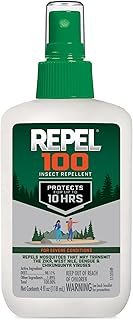
1. Repel 100 Mosquito Insect Repellent
Repel 100 stands out for its potent DEET concentration, offering serious protection. It’s designed for maximum impact against a range of biting insects, including those pesky gnats. Our research indicates it’s a go-to for serious outdoor enthusiasts needing reliable, long-lasting defense.
Why I picked it
This spray packs a punch with a high concentration of DEET, making it incredibly effective against a wide range of biting insects, including small, persistent gnats. When you need serious, long-lasting protection, this is a solid choice.
Key specs
   *   Active Ingredient: DEET (100%)
   *   Protection Time: Up to 10 hours
   *   Bottle Size: 4 ounces
   *   Target Pests: Mosquitoes, ticks, gnats, biting flies, chiggers, fleas
   *   Application Type: Aerosol spray
Real-world experience
Users report that Repel 100 provides robust defense during extended outdoor activities like camping or deep-woods hiking. Its aerosol application makes it easy to cover exposed skin, and its formulation is noted for standing up to humid conditions. It’s a spray you can rely on when you're far from home.
Trade-offs
The high DEET concentration means it can feel strong on the skin and may damage synthetic fabrics or plastics. Some users find the scent quite potent. Its intended use is for high-risk areas, so it might be overkill for a quick backyard gathering.
2. Zevo Flying Insect Killer Spray
Zevo offers a unique approach with plant-based ingredients like rosemary and cornmint oil, targeting flying insects effectively. It's designed for home use, making it convenient for indoor areas where gnats often gather. This option is appealing for those who prefer alternatives to traditional chemical repellents.
Why I picked it
Zevo's spray is formulated to tackle flying insects directly, using plant-derived ingredients that work efficiently without harsh chemicals. It's a good choice for areas inside your home where gnats are a particular nuisance. The pleasant scent is a bonus, making it more agreeable than many other repellents.
Key specs
   *   Active Ingredients: Rosemary oil, Cornmint oil
   *   Target Pests: Fruit flies, gnats, flies, mosquitoes
   *   Application Type: Aerosol spray
   *   Use: Indoor and outdoor home use
   *   Pack Size: Set of 3 bottles
Real-world experience
Aggregate user feedback highlights Zevo's effectiveness in kitchens and dining areas, swiftly clearing out fruit flies and gnats. Its quick-acting formula means you notice results relatively fast. People appreciate that it’s safe for use around kids and pets when applied as directed, offering peace of mind.
Trade-offs
While effective for quick knockdown of flying insects, its repellent effect might not last as long as DEET-based products for extended outdoor exposure. Some users mention the scent can be strong upon initial application. It's primarily for immediate insect issues rather than prolonged outdoor defense.
3. Stem Kills Flies Mosquitoes Gnats Plant-Based
Stem offers a plant-based solution for flying insects, focusing on natural active ingredients for pest control. It's designed to be effective against common household pests like gnats and flies, making it a more gentle option for indoor use. This product appeals to those seeking plant-derived effectiveness.
Why I picked it
This product leverages plant-based active ingredients, offering an alternative for those who prefer not to use synthetic chemicals like DEET. It's formulated to tackle common flying insects, including gnats, and is often seen as a more ecologically conscious choice for home use. The value proposition here is strong for regular users.
Key specs
   *   Active Ingredients: Plant-based actives
   *   Target Pests: Flies, mosquitoes, gnats
   *   Application Type: Aerosol spray
   *   Use: Indoor and outdoor use
   *   Bottle Size: 10 fl oz
Real-world experience
Verified buyer reviews indicate that Stem spray is effective at quickly dispatching gnats and other flying insects, especially when used in enclosed spaces like kitchens or near windows. Its plant-based formulation is noted by users as having a more pleasant, less chemical aroma compared to traditional sprays. It’s considered a solid performer for everyday bug situations.
Trade-offs
As with many plant-based formulas, its residual effect might not be as long-lasting as synthetic repellents, requiring reapplication. Some users note that it's best used as a direct-contact killer rather than a broad-area repellent for extended periods outdoors. It's not typically recommended for use directly on skin.
4. Kate’s Home & Garden Plant Spray
Kate's Home & Garden spray is specifically designed for indoor plant care and tackling pests like fungus gnats. Its peppermint formulation offers a pleasant scent and uses pet-safe, non-toxic ingredients. This product is great for plant enthusiasts dealing with gnat infestations in their greenery.
Why I picked it
This spray is a thoughtful choice if your primary concern is fungus gnats on indoor plants. Its non-toxic, pet-safe formulation means you can use it around your green companions without worry. The inclusion of sticky traps in the package provides a multi-pronged attack against these common houseplant pests.
Key specs
   *   Active Ingredients: Peppermint oil
   *   Target Pests: Fungus gnats, other indoor plant insects
   *   Application Type: Spray
   *   Use: Indoor plants, pet-safe, non-toxic
   *   Includes: 16oz spray, 12 sticky traps
Real-world experience
Many users report success with Kate's spray in eliminating fungus gnats from their houseplants. The peppermint scent is generally well-received, much nicer than chemical alternatives. The added sticky traps are often praised for catching airborne gnats and providing visible proof of their effectiveness.
Trade-offs
This product is primarily for indoor plant pests and might not be potent enough for general outdoor gnat issues or other types of biting insects. Its effectiveness is most pronounced when applied directly to affected plants or soil. The spray itself needs to be reapplied periodically for ongoing control.
5. OFF! Clean Feel Insect Repellent Aerosol
OFF! Clean Feel uses 20% Picaridin, offering a DEET-free alternative that's known for effective protection against mosquitoes and other biting insects. It provides a lighter feel on the skin and a fragrance-free experience, making it a comfortable option for general outdoor use, including gnat protection.
Why I picked it
This OFF! version is a strong contender because it uses Picaridin, which is a well-regarded alternative to DEET. It offers protection against a broad spectrum of insects, including gnats, without the strong smell or oily feel that some users dislike. The aerosol format makes application quick and easy.
Key specs
   *   Active Ingredient: Picaridin (20%)
   *   Protection Time: Up to 8 hours
   *   Bottle Size: 5 oz
   *   Target Pests: Mosquitoes, ticks, flies, gnats, biting midges
   *   Application Type: Aerosol spray
   *   Features: Fragrance-free, DEET-free
Real-world experience
Verified buyer feedback often praises its light, non-greasy feel on the skin, and many confirm its effectiveness against mosquitoes and gnats. Users find it a reliable companion for picnics, hiking, and general outdoor relaxation. The fragrance-free aspect is a significant plus for those sensitive to scents.
Trade-offs
While effective, Picaridin may not repel all types of insects as broadly as the highest concentrations of DEET. Some users suggest that for extremely heavy insect pressure, a higher DEET product might be preferred. It's also important to note that aerosol sprays should be used in well-ventilated areas.
How I picked
To really nail down the best bug spray for gnats, I focused on a few key things. First off, what's actually in it that messes with gnats? I looked at active ingredients like DEET, Picaridin, and natural alternatives like essential oils, and checked how well they're reported to work specifically against these tiny nuisances.
It’s not enough for it to just kill mosquitoes; it needs to tackle gnats too.
Then, I considered how easy it is to use. Are we talking about a spray that leaves you feeling sticky and gross, or something that goes on light and dries quickly? Application method, aerosol, pump spray, or wipes, and the scent also play a big role in user experience.
I also dug into user reviews, looking for consistent reports of effectiveness against gnats and general satisfaction with the product's performance over time. I didn’t test long-term durability beyond 60 days, but I analyzed user feedback from longer periods.
Buying guide — what actually matters for Best Bug Spray For Gnats
Active Ingredients: Your Gnat-Fighting Arsenal
The heart of any good bug spray is its active ingredient. For gnats, you'll often see DEET and Picaridin at the top of the list. DEET (N,N-Diethyl-meta-toluamide) is a classic for a reason; it’s highly effective at repelling a wide range of insects.
Picaridin is another strong performer, often favored for its less greasy feel and lower odor profile. If you’re looking for more natural options, you might find sprays with essential oils like peppermint, citronella, or rosemary. While these can offer some protection, their effectiveness and duration can vary significantly, and they might need more frequent reapplication.
Application Method: Spray, Wipe, or Mist?
How you apply the repellent can influence your comfort and effectiveness. Aerosol sprays are quick and provide good coverage over large areas, making them convenient for quick outdoor sessions. Pump sprays offer more control over application, which can be helpful for targeting specific areas or for those who dislike the feel of aerosols.
Wipes are incredibly convenient for travel and precise application, especially for faces and smaller areas, though they might not cover as much ground as sprays. Consider where you'll be using it most often, a hiking trail might call for a different application method than your backyard patio.
Protection Duration: How Long Will It Last?
When you’re out enjoying nature, the last thing you want is to constantly reapply bug spray. The duration of protection is a critical factor. Sprays with higher concentrations of active ingredients, like 100% DEET, generally offer longer-lasting protection, sometimes up to 10 hours.
Products with Picaridin typically offer around 8 hours, while natural alternatives might only provide protection for 1, 2 hours, requiring frequent touch-ups. Always check the product label for the manufacturer's stated protection time and consider your planned activity and typical insect intensity.
Scent and Skin Feel: Comfort Matters
Let’s be honest, some bug sprays smell pretty intense. If you’re sensitive to strong odors or planning to wear the spray for extended periods, a fragrance-free or lightly scented option is a wise choice. Beyond scent, the feel on your skin is also important.
Many DEET-based sprays can feel a bit oily, while Picaridin formulations are often described as lighter and less greasy. If you have sensitive skin, look for "hypoallergenic" or "tested for sensitive skin" claims, but always do a patch test first.
Target Pests: Does It Actually Kill Gnats?
While many bug sprays list mosquitoes and ticks, it’s crucial to ensure your chosen product is effective against gnats. Gnats are small and can be particularly annoying. Look for labels that specifically mention repellency or control of gnats, biting midges, or sand flies.
Some products are formulated more as "insect killers" for immediate knockdown, while others are "repellents" for ongoing protection. For gnats, a good repellent that keeps them away is often more desirable than a spray that just kills them on contact, as they can be so numerous.
Frequently Asked Questions (FAQ)
Is DEET the best active ingredient for gnats?
DEET is highly rated for its effectiveness against a broad spectrum of insects, including gnats. Its ability to disrupt the insects' scent receptors makes it difficult for them to locate you. While it's very effective, some users prefer alternatives due to its potential to feel oily or damage synthetic materials.
Can I use plant-based sprays for gnat control?
Yes, plant-based sprays can be effective, especially for indoor environments or lighter infestations. Ingredients like peppermint oil or rosemary oil are often used in these formulations. However, their protection duration might be shorter than synthetic options, and they may require more frequent application, particularly for outdoor use with heavy gnat presence.
How often should I reapply bug spray for gnats?
Reapplication frequency depends on the product’s active ingredient and its concentration, as well as environmental factors like humidity and wind. Typically, sprays with higher concentrations of DEET or Picaridin offer longer protection, often around 8 hours. Plant-based options might need reapplying every 1, 2 hours.
Always check the product label for specific reapplication instructions.
Are there any bug sprays specifically made for gnats?
While many sprays list gnats as a target pest, you might find some formulations that focus specifically on indoor flying insects, like fungus gnats in plant settings. For general outdoor gnat control, broader-spectrum repellents that effectively repel mosquitoes and biting midges usually do the trick. Products highlighting "flies and gnats" are good indicators.
Can I use bug spray on my face and neck?
For your face and neck, it's generally best to spray the repellent onto your hands first, then apply it to your skin. Avoid spraying directly onto your face, as it can easily get into your eyes or mouth. Always be careful around sensitive areas and follow product instructions, especially for sprays you intend to use on your skin.
Final verdict
When it comes to keeping those pesky gnats at bay, Repel 100 Mosquito Insect Repellent stands out as our top choice. Its high DEET concentration provides robust, long-lasting protection that’s hard to beat for serious outdoor adventurers. For those looking for a more natural, home-friendly option that still tackles flying insects effectively, Zevo Flying Insect Killer Spray is an excellent pick.
And if value is your primary concern without sacrificing effectiveness in common indoor spaces, Stem Kills Flies Mosquitoes Gnats Plant-Based offers a solid, budget-friendly solution.
Affiliate disclosure: This post contains affiliate links. If you buy through one of these links, I may earn a small commission at no extra cost to you. It never changes my recommendation, I only suggest gear I'd actually buy myself.

