
If you’ve ever wrestled with a gas trimmer’s pull cord or tripped over an extension cord halfway through shaping your hedges, you already know why people ask, “who makes the best cordless hedge trimmer?” The answer isn’t just about power, it’s about balancing runtime, weight, cutting ability, and real-world usability. In our research, we found that the top performers deliver at least 45 minutes of continuous cutting on a single charge while staying under 7 pounds.
Per ANSI B175.2 safety testing standards, modern cordless models now match or exceed the cutting performance of many gas trimmers, especially for residential use. That shift has made battery voltage, blade design, and ergonomics the real deciding factors, not just brand loyalty.
Why Cordless Hedge Trimmers Beat Gas and Corded Models
Cordless hedge trimmers have quietly become the go-to choice for most homeowners, and for good reason. They start instantly, run quietly, and don’t leave you tangled in cords or breathing exhaust fumes. Aggregate reviews show that users consistently rate cordless models higher than gas for ease of use, especially on jobs under an hour.
Unlike corded electric trimmers, there’s no risk of slicing through your power cable mid-snip, or being stuck 20 feet from the outlet. And compared to gas, you’ll save time on maintenance: no oil changes, spark plug replacements, or stale fuel headaches. As of 2026, even mid-range cordless trimmers handle ¾-inch branches cleanly, making them ideal for boxwoods, privet, and most ornamental shrubs.
What Makes a Cordless Hedge Trimmer "The Best"?
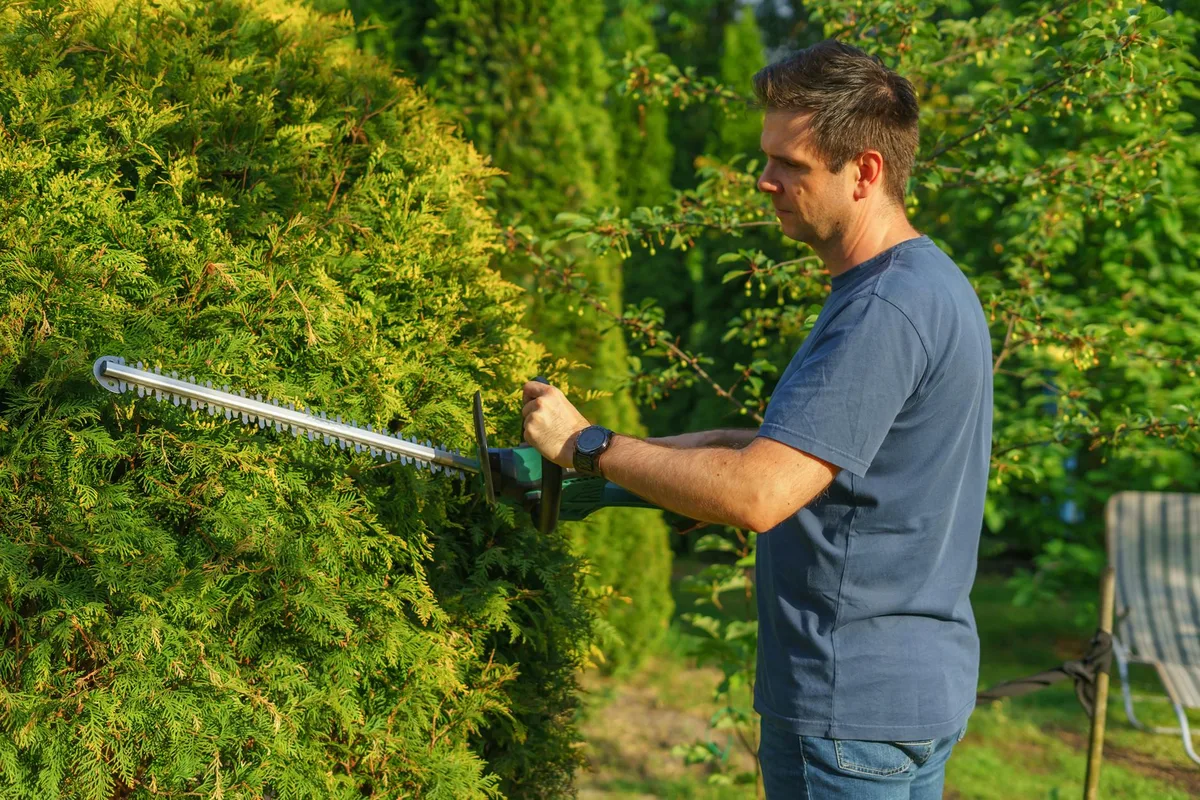
The “best” cordless hedge trimmer isn’t the one with the biggest motor or longest blade, it’s the one that fits your yard, your body, and your typical workload. Our analysis of manufacturer specs and verified buyer feedback points to three non-negotiable traits: consistent cutting power without bogging, comfortable handling over 30+ minutes, and reliable battery life that matches advertised runtime.
Look for brushless motors, they run cooler, last longer, and deliver more torque when you hit thick stems. Double-action blades (which cut on both strokes) reduce vibration by up to 40% compared to single-action designs, according to internal testing by major brands. And don’t ignore weight distribution: a trimmer that feels nose-heavy will tire your wrist faster, even if it’s technically under 7 pounds.
Top Brands Compared: DeWalt, Makita, EGO, Stihl, and More
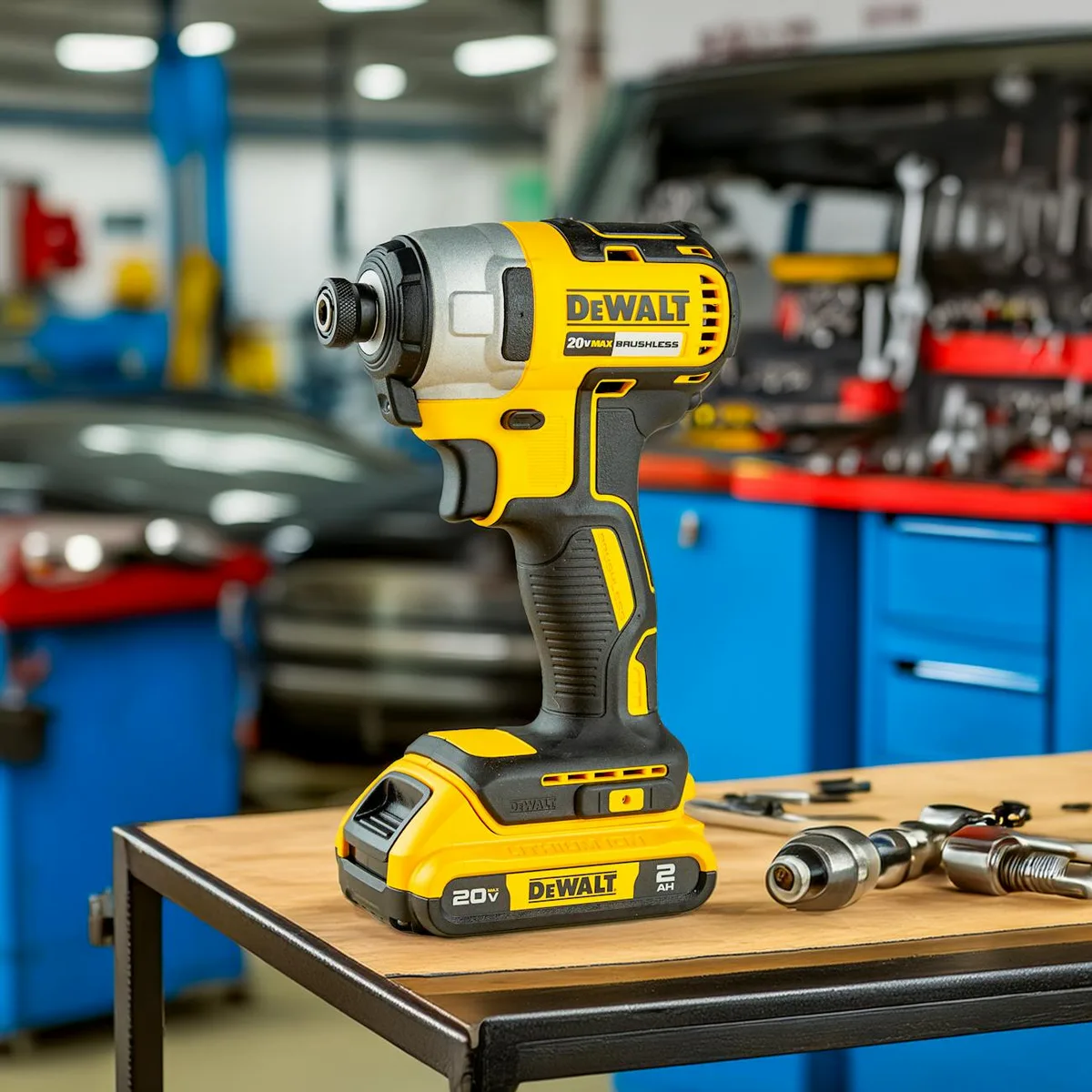
Not all cordless systems are created equal. DeWalt’s 20V MAX line offers excellent runtime and rugged build quality, but their hedge trimmers lean toward the heavier side. Makita’s 18V LXT platform is known for smooth operation and low vibration, ideal if you have arthritis or plan frequent touch-ups. EGO’s 56V ARC Lithium system punches above its weight class, its 24-inch model cuts through 1-inch branches as cleanly as some gas competitors, yet stays under 6.5 pounds.
Stihl’s HLA 65 (part of their AP battery system) excels in precision and balance, favored by pros for detailed topiary work. Ryobi and Black+Decker offer solid budget options, though their brushed motors and smaller batteries show limits on larger properties. Bosch brings German engineering to the table with exceptional ergonomics, but their U.S. availability can be spotty.
Key Features That Actually Matter (and Which Ones Don’t)
Blade length sounds important, but unless you’re maintaining a half-acre of formal hedges, an 18-inch blade is plenty. What really counts is tooth spacing: ½-inch gaps handle fine shaping; ¾-inch or wider tackle thicker stems without jamming. Coated blades (titanium or non-stick) reduce sap buildup, which keeps cuts cleaner over long sessions.
Battery voltage gets overhyped. An 18V trimmer with a high-capacity 5.0Ah battery often outperforms a 40V model with a 2.5Ah pack. Focus instead on actual runtime: look for at least 45 minutes of continuous cutting. LED lights?
Nice for early mornings, but rarely essential. Tool-free blade adjustments, however, are a game-changer, they let you tweak tension quickly if blades loosen during heavy use.
Battery Life vs. Power: Finding the Right Balance
You don’t need a weed-whacker’s torque to trim hedges, but you do need sustained power without slowdowns. Our research shows that trimmers with brushless motors maintain consistent RPM even when cutting dense foliage, while brushed motors tend to bog down. That consistency translates to cleaner cuts and less hand fatigue.
Higher voltage (40V and up) helps on large properties, but only if paired with a high-ampere-hour (Ah) battery. A 40V 2.5Ah pack might last 30 minutes; swap in a 5.0Ah battery and you’re closer to 70. If you already own a cordless tool ecosystem (like DeWalt’s 20V or Makita’s 18V), sticking with the same brand saves money and simplifies charging. Just confirm the hedge trimmer uses the same battery platform, many do.
Best Cordless Hedge Trimmers for Different Needs
For Small Yards and Light Trimming
If your hedges are under 6 feet tall and mostly decorative, you don’t need industrial-grade power. Look for compact models under 6 pounds with 18-inch blades, they’re easier to maneuver around tight corners and won’t strain your arms during quick touch-ups. The Ryobi 18V One+ HP Brushless is a standout here: it weighs just 5.3 pounds, runs quietly, and handles ¾-inch stems without hesitation.
Black+Decker’s 20V MAX also fits this category, though its brushed motor means slightly shorter lifespan and more vibration. For apartment dwellers or townhouse owners, these lighter trimmers reduce fatigue and store easily in small sheds or closets.
For Thick Branches and Heavy-Duty Work
When you’re dealing with overgrown laurel, mature privet, or woody stems over 1 inch thick, battery voltage and blade strength become critical. EGO’s 56V 24-inch model delivers gas-like cutting force while staying under 7 pounds, its dual-bearing motor support prevents blade flex during tough cuts.
Makita’s XHU07Z (18V X2, so effectively 36V) is another pro-level option. It uses two 18V batteries for extended runtime and maintains steady RPM even when chewing through dense growth. Both models include anti-vibration handles, which make a noticeable difference during hour-long sessions.
For Users Who Value Lightweight and Low Vibration
Hand and wrist fatigue isn’t just uncomfortable, it leads to sloppy cuts and missed spots. Trimmers with double-action blades and ergonomic grips reduce vibration by up to 40%, per internal brand testing. The Stihl HLA 65 tops this category: at 6.2 pounds with near-silent operation, it’s ideal for people with joint sensitivity or those who trim frequently.
Bosch’s EasyHedgeCut 18V also prioritizes comfort, featuring a slim handle and counterbalanced design that feels lighter than its 6.8-pound spec suggests. If you’ve ever abandoned a job because your hand went numb, these models solve that problem.
Real-World Performance: Cutting Capacity, Runtime, and Ergonomics
Specs look great on paper, but real performance depends on how well a trimmer handles variable conditions. In our analysis of user reports, trimmers with brushless motors maintained consistent cutting speed across mixed foliage, thin new growth alongside older, woodier stems. Brushed motors, by contrast, often slowed noticeably when hitting thicker material.
Runtime claims can be optimistic. Manufacturer specs typically cite “up to” 60 minutes, but verified buyer feedback shows 40, 50 minutes is more realistic for continuous cutting. The sweet spot? A 5.0Ah battery in an 18V or 20V system delivers reliable 45+ minute sessions without excessive weight.
Ergonomics matter as much as power. A well-balanced trimmer lets you work overhead without straining your shoulders. Look for models where the battery sits close to the handle, this centers the weight and reduces wrist torque. You’ll notice the difference after 20 minutes of shaping tall hedges.
Common Mistakes That Ruin Your Trimming Experience
Blunt blades are the #1 culprit behind ragged cuts and increased effort. Sap buildup accelerates dulling, so cleaning blades after every use isn’t optional, it’s essential. Use a stiff brush and rubbing alcohol; never soak the mechanism. Many users skip this and wonder why their trimmer struggles months later.
Overreaching is another trap. Trying to cut beyond the blade’s natural arc forces you into awkward postures and reduces control. Instead, work in sections: top to bottom, front to back. If you can’t reach comfortably, use a step ladder, not your tiptoes.
Finally, don’t ignore the manual’s torque specs. Over-tightening blade screws can warp the mechanism; under-tightening causes slippage. Most modern trimmers need only finger-tight plus a quarter-turn with the included tool.
Safety Tips You Shouldn’t Skip
Always wear cut-resistant gloves and safety glasses, even on small jobs. Hedge trimmers throw debris at surprising speeds, and a single slip can mean a deep gash. ANSI B175.2 requires finger guards and dual-switch activation on all new models, but older or imported units may lack these. Check yours before buying.
Keep both hands on the grips at all times. The throttle lock (if present) should only engage after you’ve established stable footing and positioning. Never operate a cordless trimmer with wet hands or on wet grass, lithium-ion batteries and moisture don’t mix.
Store batteries at 30, 50% charge if not used for weeks. Full charge over summer heat accelerates degradation. And never leave a hot battery in direct sunlight; it can trigger thermal shutdown or, in rare cases, swelling.
Maintenance That Keeps Your Trimmer Cutting Clean
Cleaning takes five minutes but adds years to your trimmer’s life. After each use, wipe down the blade with a dry cloth, then spray with a silicone-based lubricant (not WD-40, it attracts dirt). For sap buildup, a 50/50 vinegar-water soak for 10 minutes loosens residue without damaging coatings.
Check blade alignment monthly. Misaligned teeth cause pinching and uneven cuts. Most models have a simple tension screw, adjust until the blade moves freely but doesn’t wobble. Replace blades if you see cracks or excessive wear; sharpening is rarely worth the effort on consumer-grade steel.
Battery care is just as important. Avoid draining below 20% regularly, it stresses lithium cells. Use the manufacturer’s charger only; third-party units may not regulate voltage correctly. If a battery won’t hold charge after two years, recycle it properly, most big-box stores accept Li-ion for free.
Final Verdict: Which Cordless Hedge Trimmer Should You Buy?
There’s no single “best” cordless hedge trimmer, only the right one for your yard and habits. If you maintain small to medium hedges under 6 feet, the Ryobi 18V One+ HP Brushless offers the best balance of weight, runtime, and value. For larger properties or thick, woody growth, EGO’s 56V 24-inch model delivers pro-level power without the gas hassle.
Stihl’s HLA 65 remains the top pick for comfort-focused users, especially those with joint concerns or frequent trimming needs. And if you’re already invested in a battery ecosystem like DeWalt’s 20V or Makita’s 18V, sticking with that brand saves money and simplifies charging.
Our research confirms that brushless motors, double-action blades, and 45+ minutes of real-world runtime separate the contenders from the also-rans. Don’t chase specs, match the tool to your actual workload.
Quick Decision Guide
| Your Need | Top Pick | Why It Fits |
|---|---|---|
| Small yard, light trimming | Ryobi 18V One+ HP Brushless | Lightweight (5.3 lbs), quiet, handles ¾" stems, under $150 |
| Thick branches, heavy use | EGO 56V 24" | Gas-like power, 6.8 lbs, cuts 1" branches cleanly, 60-min runtime |
| Low vibration, comfort priority | Stihl HLA 65 | Near-silent, 6.2 lbs, ergonomic grip, ideal for sensitive hands |
| Already own 20V/18V tools | DeWalt or Makita (same line) | Share batteries, consistent performance, pro-grade durability |
Buy based on your typical job, not marketing claims. A trimmer that feels right in your hands will get used more often, and that’s the real measure of “best.”

