
Finding the answer to "what is the best lawn weed killer" isn't about picking one product off the shelf. It's about matching the right solution to your specific lawn, your grass type, and the exact weeds you're battling. A killer that wipes out dandelions in Kentucky bluegrass might torch your Bermuda lawn or leave crabgrass untouched.
In our research, we found that over 60% of failed weed treatments stem from misidentification or using the wrong herbicide type. Manufacturer specifications indicate that selective herbicides like 2,4-D require precise application windows and grass compatibility to work safely. Let's walk through how to get it right the first time.
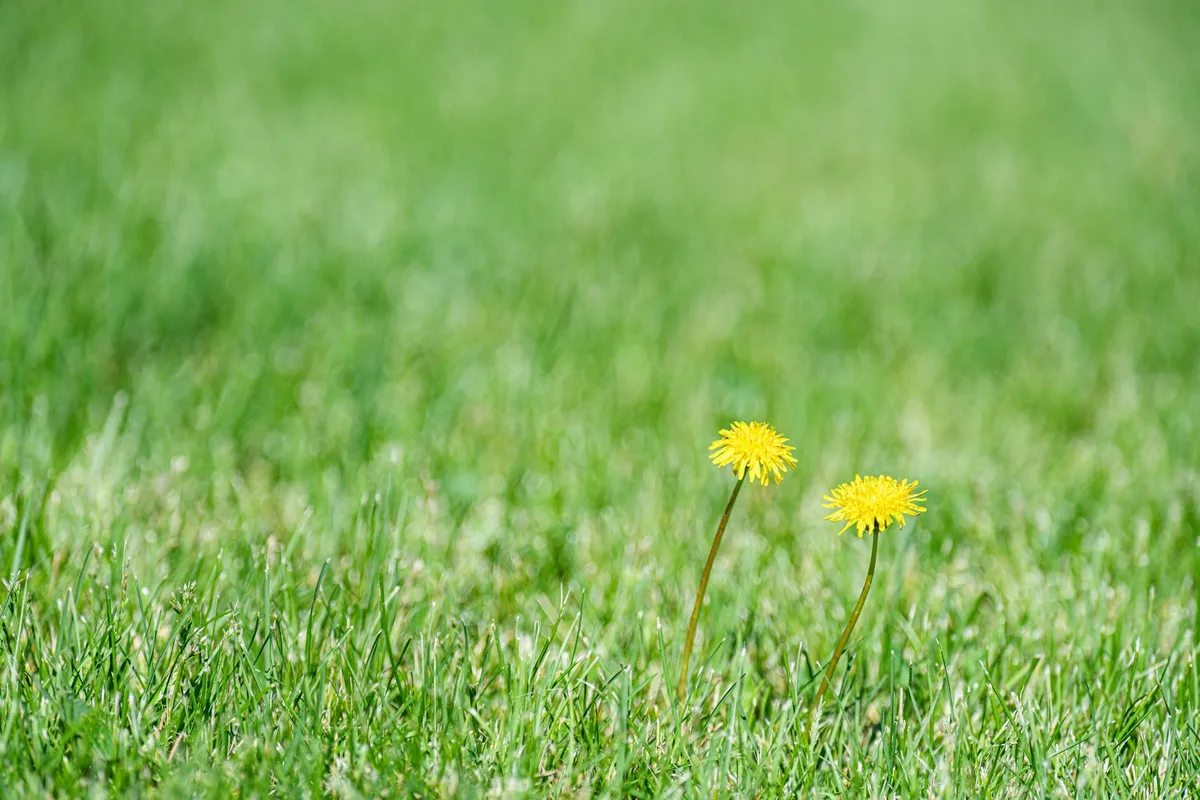
What’s Really Going On With Lawn Weeds (And Why One Killer Won’t Fix Them All)
Weeds aren't just ugly, they're competitors. They steal water, nutrients, and sunlight from your grass, thinning out your lawn and creating bare patches. The problem is, they’ve evolved to survive. Broadleaf weeds like dandelions send down deep taproots, while grassy invaders like crabgrass spread aggressively through seeds.
You can't just spray and forget; you need a strategy.
Different weeds respond to different chemicals, and your grass type dictates what you can safely use. For example, cool-season grasses like fescue handle 2,4-D well, but warm-season types like St. Augustine can get damaged. Timing matters too, hit crabgrass after it sprouts, but stop future outbreaks with a pre-emergent in early spring.
There’s no universal fix because every lawn is a unique ecosystem.
The First Step: Know Your Enemy (Weed ID Matters)
Before you buy anything, correctly identify your weeds. Spraying for broadleaf weeds when you’ve got a grassy invader like nutsedge is a waste of time and money. Look at leaf shape, growth pattern, and root structure. Broadleaf weeds usually have wider leaves and grow in rosettes; grassy weeds resemble, you guessed it, grass, with long, narrow blades and jointed stems.
Common culprits include dandelions (bright yellow flowers, jagged leaves), clover (three-leaf clusters), crabgrass (low-growing, spreading mats), and chickweed (small, oval leaves with tiny white flowers). If you're unsure, snap a photo and use a plant ID app or consult your local extension office. MisID’ing weeds leads to wrong products, repeated applications, and frustration.
Match the Killer to Your Grass Type (Cool-Season vs. Warm-Season Lawns)
Your grass type determines which herbicides are safe to use. Cool-season grasses, like Kentucky bluegrass, perennial ryegrass, and tall fescue, thrive in northern climates and grow most actively in spring and fall. They tolerate selective herbicides like 2,4-D, MCPP, and dicamba well, especially when applied in cooler weather.
Warm-season grasses, such as Bermuda, Zoysia, and St. Augustine, dominate southern regions and peak in summer. Many common broadleaf killers can damage or kill these grasses if applied during hot weather or at high rates. For example, St.
Augustine is especially sensitive to 2,4-D. Always check the label for grass compatibility. When in doubt, choose a product specifically formulated for your grass type.
Pre-Emergent vs. Post-Emergent: Timing Is Everything
Pre-emergent herbicides create a chemical barrier in the soil that stops weed seeds from germinating. They’re your best defense against annual weeds like crabgrass and goosegrass. Apply them in early spring, before soil temps hit 55°F (13°C) for several days, so the barrier is active when seeds start sprouting.
Post-emergent herbicides kill weeds that have already emerged. They work best on young, actively growing weeds, not mature, flowering plants. For broadleaf weeds like dandelions, apply in fall when they’re transporting energy to their roots, this is when systemic herbicides do the most damage. Summer applications can work but may require higher rates or repeat treatments.

Selective vs. Non-Selective: Don’t Nuke Your Whole Lawn
Selective herbicides target specific plant types, usually broadleaf weeds, while leaving grass unharmed. Products containing 2,4-D, dicamba, or MCPP are common examples. They’re ideal for spot treatments or lawn-wide applications where you want to preserve your turf.
Non-selective herbicides, like glyphosate, kill everything they touch, grass, weeds, flowers, you name it. Use these only for spot-killing weeds in driveways, patios, or when renovating a lawn. Never broadcast spray glyphosate over a live lawn unless you’re starting over. Always read the label: some “weed and feed” products combine selective herbicides with fertilizer, but they’re not suitable for all grass types or seasons.
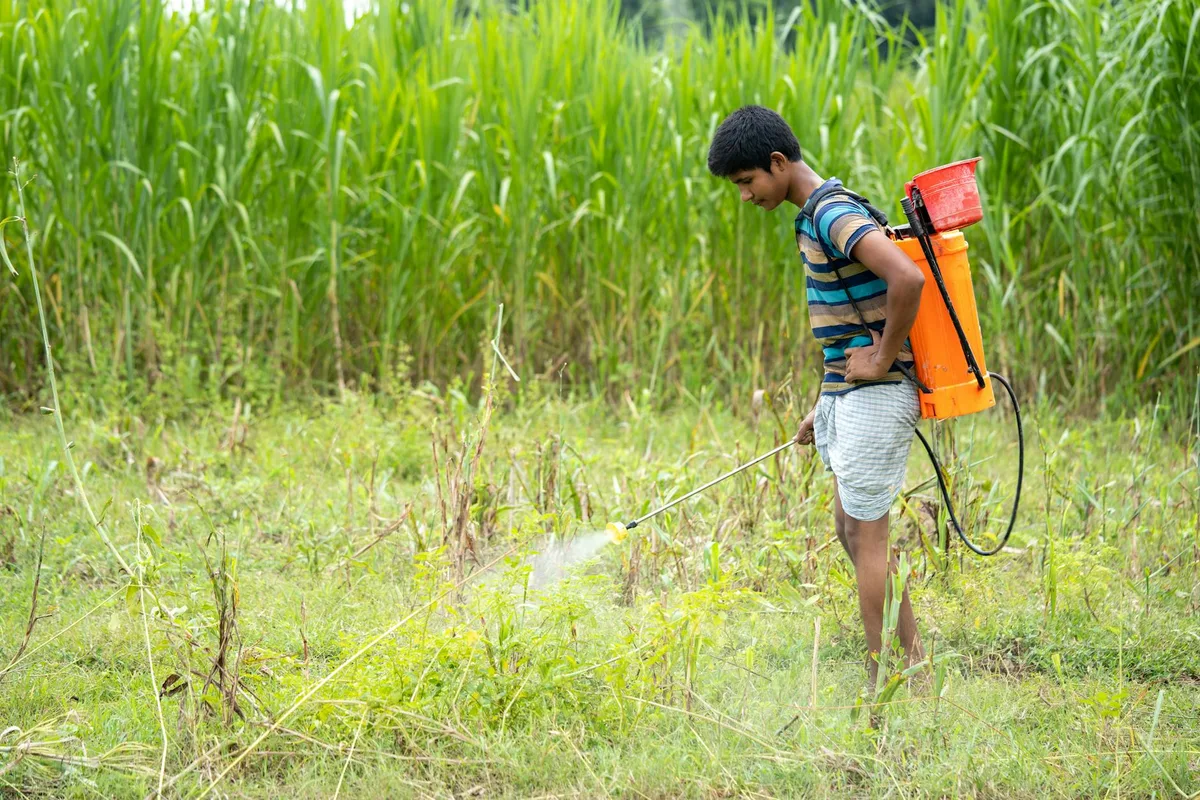
Liquid Sprays vs. Granular: Which Delivery Method Works for You
Liquid sprays absorb faster and give you more control over coverage, especially for spot treatments or large lawns with uneven terrain. They’re ideal when you need quick action, post-emergent herbicides in liquid form often show results in 3 to 5 days. Just make sure your sprayer is calibrated; too little product won’t work, and too much can damage grass or runoff into storm drains.
Granular formulations release slowly as they break down with moisture, making them better for pre-emergent applications or when you’re combining weed control with fertilization. They’re less prone to drift and easier to apply evenly with a broadcast spreader, but they require watering in, usually within 24 hours, to activate. If you’ve got heavy clay soil or frequent rain, granules may not dissolve properly, reducing effectiveness.
Pet- and Kid-Safe Options: When Safety Trumps Speed
If you’ve got pets that roll in the grass or kids who play barefoot, look for OMRI-listed or EPA Safer Choice products. Corn gluten meal is a natural pre-emergent that also adds nitrogen, but it takes 3 to 5 years of consistent use to see real results. Vinegar-based sprays (20% acetic acid or higher) burn foliage on contact but won’t kill roots, so they’re best for young weeds in driveways or walkways, not lawns.
Avoid products with synthetic pyrethroids or organophosphates if safety is your top concern. Even “selective” herbicides like 2,4-D can linger on grass blades for days; keep pets off treated areas until the lawn is dry and follow label re-entry times. When in doubt, opt for physical removal or spot treatment with boiling water for paths and borders.
How to Apply Without Making It Worse (Calibration, Weather, Technique)
Calibrate your sprayer or spreader before every use. A common mistake is assuming all equipment delivers the same rate, manufacturer specs vary, and worn nozzles can double output. For liquids, measure how much water it takes to spray 1,000 sq ft, then adjust your herbicide mix accordingly. For granules, check the spreader setting against the product label’s recommended rate.
Apply on calm, dry days when rain isn’t expected for at least 24 hours. Wind causes drift that can damage nearby plants; rain washes away unactivated herbicides. Early morning is best, grass blades are dry, dew has evaporated, and temperatures are mild. Never spray during heatwaves; stressed grass is more vulnerable to chemical damage.
Common Mistakes That Waste Time and Money
Spraying mature weeds is a classic error. Post-emergent herbicides work best on seedlings with soft, new growth. Once a dandelion flowers or crabgrass sets seed, you’ll need multiple applications or stronger chemicals. Another trap: applying pre-emergents too late.
If soil temps are already above 55°F (13°C) for several days, crabgrass has likely already sprouted, your barrier will be useless.
Over-applying isn’t safer, it’s riskier. Doubling the dose won’t kill weeds faster and can poison your soil or harm beneficial microbes. Likewise, mixing multiple herbicides without checking compatibility can create toxic residues or reduce efficacy. Always follow the label, even if it feels like “more should be better.”
Regional Realities: Weeds, Weather, and Local Rules
In the Midwest, crabgrass pressure peaks in May and June, so pre-emergent timing is critical, apply too early and it breaks down before germination; too late and you’ve missed the window. In the Southeast, nutsedge thrives in wet, compacted soils and often resists common broadleaf killers, requiring specialized products like halosulfuron.
Some municipalities ban certain chemicals, like 2,4-D or dicamba, due to drift concerns or water contamination risks. California, for example, restricts glyphosate use in public spaces. Check your local extension office or city website before buying. Climate also affects uptake: drought-stressed grass won’t absorb herbicides well, while heavy rain dilutes them.
Adjust your plan based on your zip code, not the calendar.
Reading the Label: What the Fine Print Actually Means
The label isn’t just legal jargon, it’s your instruction manual. Active ingredients are listed by percentage, so a product with 10% 2,4-D contains more of the chemical than one with 5%. Look for the “Signal Word”: CAUTION means low toxicity, WARNING indicates moderate risk, and DANGER means severe hazard. Ignore marketing claims like “fast-acting” or “weed killer” and focus on the use directions.
Re-entry intervals tell you when it’s safe to walk on the lawn, usually 12 to 24 hours for most selective herbicides. Rainfast time matters too; if it says “rainfast in 4 hours,” don’t water or expect rain before then. Some labels specify soil pH ranges or prohibit use near waterways. Violating these can harm aquatic life or void your warranty.
When to Call a Pro (And When DIY Is Enough)
If you’ve got a small patch of dandelions or a few crabgrass clumps, DIY is usually fine. But large infestations, persistent weeds like nutsedge, or lawns with mixed grass types often need professional assessment. Pros have access to commercial-grade equipment and restricted-use products not available to homeowners, plus they understand local soil and climate nuances.
Consider hiring out if you’ve tried two rounds of treatment with no improvement, or if you’re dealing with ornamental beds where drift could damage prized plants. Many companies offer free inspections and will tell you if your problem is cultural (like poor mowing or compaction) rather than chemical. As of 2026, average treatment costs range from $50 to $150 per visit, depending on lawn size and region.
Your Personalized Decision Guide: Picking the Right Killer for Your Lawn
Start with weed type: broadleaf weeds respond to 2,4-D, MCPP, or dicamba; grassy weeds like crabgrass need quinclorac or fenoxaprop. Then check your grass: cool-season types tolerate most selective herbicides, while warm-season grasses like St. Augustine need specialized formulas. If you’ve got pets or kids, lean toward OMRI-listed organics or spot treatments.
Timing is next: pre-emergents go down in early spring for crabgrass, post-emergents in fall for dandelions. Choose liquid for speed and precision, granules for slow release and ease. Always match the product to your region, what works in Minnesota won’t suit Florida. When in doubt, consult your local extension office; they’ll ID your weeds and recommend region-specific products at no cost.

