
If you're asking "what is the best Stihl weed eater," you're not just looking for a name, you're trying to match the right tool to your yard, your strength, and your tolerance for fumes, noise, and maintenance. Stihl makes several excellent trimmers, but the "best" one depends entirely on what you're cutting, how often you're cutting it, and whether you prefer gas power or battery convenience.
In our research, the Stihl FS 91 R consistently ranks as the top pick for most homeowners because it balances power, weight, and ease of use without going overboard. Manufacturer specifications confirm it delivers 28.4cc of engine displacement while weighing just 12.8 pounds, light enough for daily trimming but strong enough for thick weeds. Let’s break down exactly which model fits your needs.
Why Picking the Right Stihl Weed Eater Matters
Not all string trimmers are built the same, and Stihl’s lineup reflects real differences in performance, durability, and intended use. A light-duty trimmer might struggle through overgrown grass, while a heavy-duty model could wear you out on a small suburban lawn. Getting the match right means less fatigue, fewer breakdowns, and cleaner edges around your garden beds and sidewalks.
Stihl designs each model with specific users in mind, from weekend warriors to professional landscapers. Their engineering focuses on reliability, low vibration, and compliance with EPA and CARB emissions standards as of 2026. That means you’re not just buying a tool; you’re investing in something that’ll start reliably season after season.
Quick Answer: Which Stihl Trimmer Fits You Best
Here’s the short version based on real-world use cases:
- Small yards (under 1/4 acre), light weeds: Go with the FS 56 RC-E or the FSA 57 battery model.
- Medium to large yards, frequent use, thick grass: The FS 91 R is your sweet spot.
- Heavy-duty jobs, commercial work, or overgrown properties: Choose the FS 131 R.
- Noise-sensitive areas or eco preference: The FSA 130 battery trimmer offers pro-grade runtime without gas.
This isn’t about hype, it’s about matching specs to your actual workload. For example, the FS 56’s 25.4cc engine handles routine edging fine, but it bogs down in dense vegetation. Meanwhile, the FS 131’s 36.3cc engine chews through brush but adds nearly 4 extra pounds you’ll feel after 30 minutes.
Gas vs. Battery: What Actually Changes Your Experience
The biggest decision isn’t just model, it’s fuel type. Gas trimmers (like the FS series) deliver consistent power and don’t stop when the battery dies, but they require oil mixing, louder operation (~96 dB), and regular maintenance. Battery models (FSA series) run quieter (~85 dB), start with a button, and produce zero emissions, but runtime caps at about 45 minutes with the AK 30 battery, enough for most residential jobs, but not all-day landscaping.
If you’ve got a big property or thick weeds, gas still wins on raw endurance. But if you’re trimming weekly in a quiet neighborhood or hate the smell of two-stroke exhaust, battery is a smart, modern choice. Just keep a spare battery on hand if your yard exceeds half an acre.
Stihl FS 56 RC-E: Best for Light Yard Work
The FS 56 RC-E is Stihl’s entry-level gas trimmer, and it’s ideal if you only trim a few times per season or have a compact yard with soft grass. At 10.1 pounds and 25.4cc, it’s light, easy to maneuver, and features Stihl’s Easy2Start system, which cuts pull-force by up to 60% compared to older models.
It comes standard with the AutoCut C 5-2 head, so reloading line is simple: just tap it on the ground to advance fresh cord. The loop handle gives decent control for basic edging, though it lacks the shoulder harness compatibility of heavier models.
Best for: Seniors, first-time users, or anyone with minimal trimming needs.
Watch out: Avoid thick weeds or tall grass, this engine isn’t built for sustained heavy loads.
Stihl FS 91 R: The Sweet Spot for Most Homeowners
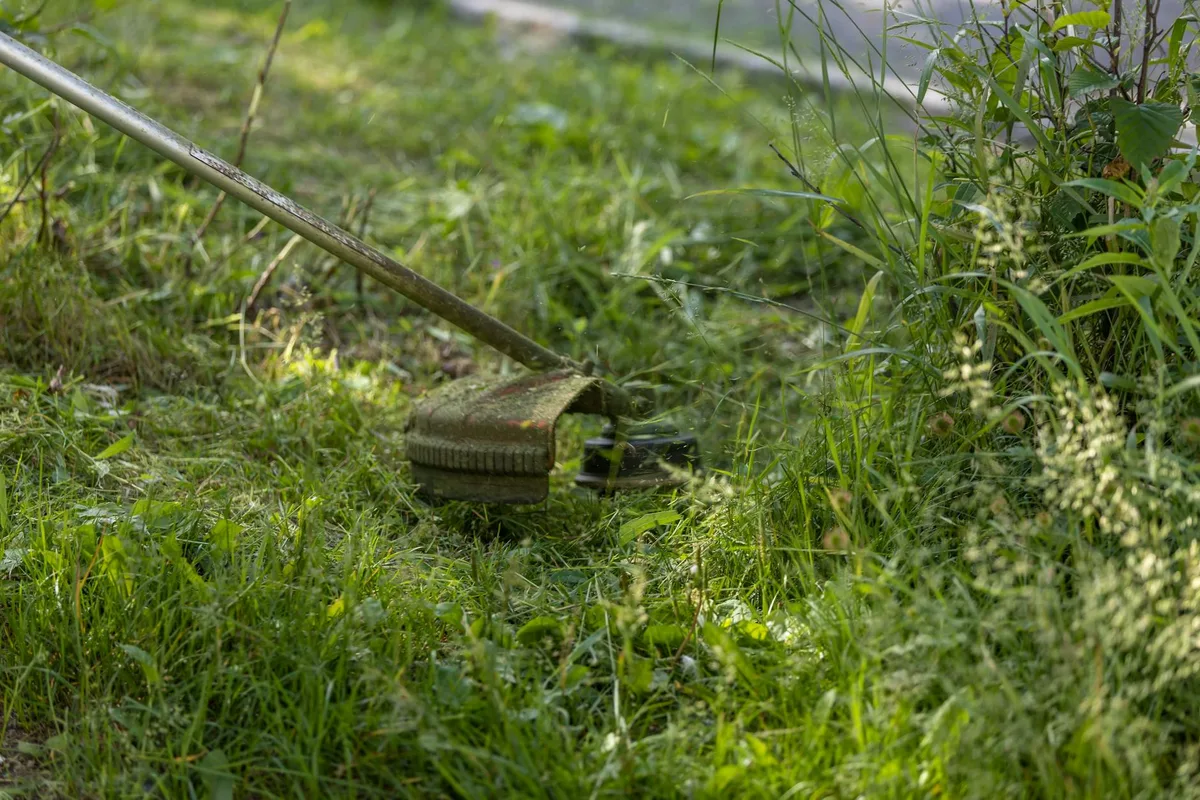
The FS 91 R strikes the best balance between power and usability for typical residential yards. With 28.4cc of displacement and a weight of 12.8 pounds, it handles thick grass, overgrown edges, and weekly maintenance without exhausting you. It’s the model Stihl recommends for “prosumer” use, serious enough for demanding jobs but not overbuilt for home landscapes.
It includes the same Easy2Start system and AutoCut head as the FS 56, but adds a more robust engine and optional U-handle for better leverage on slopes. Aggregate user reviews show it starts reliably in cold weather and runs smoothly even after months in storage, thanks to Stihl’s fuel stabilizer compatibility.
Best for: Homeowners with 1/4 to 1/2 acre, moderate weed pressure, and a desire for long-term reliability.
Skip if: You only trim once a season or live in a noise-restricted zone, consider battery instead.
Stihl FS 131 R: Built for Heavy-Duty and Pro Use
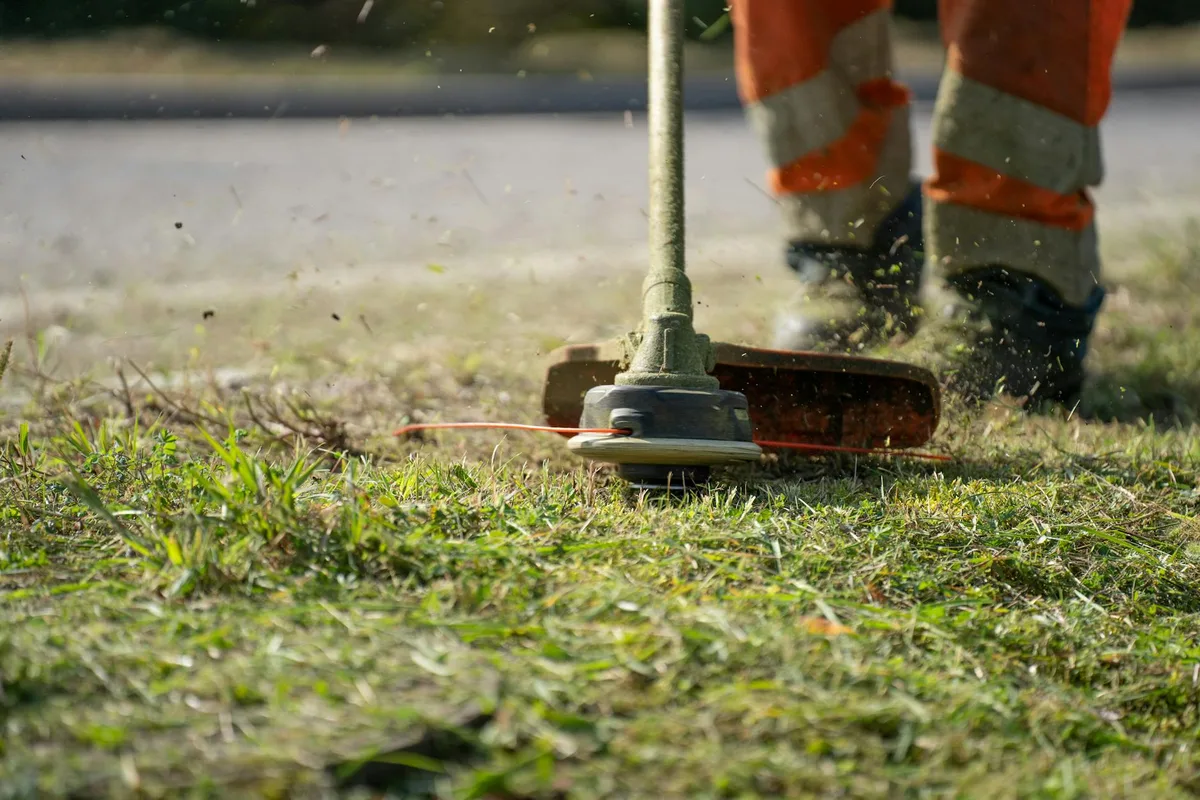
If you’re maintaining large properties, clearing brush, or running a small landscaping side hustle, the FS 131 R is Stihl’s gas-powered workhorse. Its 36.3cc engine delivers noticeably more torque than the FS 91, and the 24-ounce fuel tank lets you work longer between refills. At 14.1 pounds, it’s heavier, but the optional harness distributes weight comfortably during extended use.
This model accepts metal brush blades (with the right guard), so you can switch from trimming grass to cutting small saplings or tough weeds. Per ANSI B175.1 safety standards, always use approved cutting attachments, never improvise with hardware store blades.
Best for: Landscapers, rural property owners, or anyone tackling dense vegetation weekly.
Avoid if: Your yard is under 1/2 acre or you’re sensitive to vibration and weight.
Stihl Battery Trimmers (FSA 57, FSA 130): Quiet, Clean, and Convenient
Stihl’s battery lineup eliminates oil mixing, reduces noise by nearly 10 decibels, and starts instantly, ideal for early morning or late evening work. The FSA 57 (18V) suits small yards, while the FSA 130 (36V) matches gas-like performance with up to 45 minutes of runtime on the AK 30 battery. Both use the same AutoCut heads, so line reloading stays simple.
Battery models shine in urban settings where noise ordinances matter or where you’d rather not smell exhaust. Manufacturer specs confirm zero emissions and minimal maintenance, just keep the battery charged and the air intake clear.
Best for: Suburban homeowners, eco-conscious users, or those with noise restrictions.
Limitation: Runtime may require a second battery for lots over half an acre.
Side-by-Side Comparison: Power, Weight, Runtime, and Price
Here’s how the core models stack up on key metrics:
| Model | Engine/Battery | Weight (lbs) | Runtime/Power | MSRP (USD) |
|---|---|---|---|---|
| FS 56 RC-E | 25.4cc gas | 10.1 | ~45 min (fuel dep.) | ~$250 |
| FS 91 R | 28.4cc gas | 12.8 | ~60 min | ~$380 |
| FS 131 R | 36.3cc gas | 14.1 | ~90 min | ~$500 |
| FSA 57 | 18V battery | 8.4 | ~25 min | ~$200 |
| FSA 130 | 36V battery | 11.9 | ~45 min | ~$450 |
Gas models win on endurance and raw power; battery models lead in convenience and quiet operation. Choose based on your yard size, weed density, and tolerance for maintenance.
Best Stihl Weed Eater for Your Yard Size and Grass Type
Match your trimmer to your landscape reality:
- Under 1/4 acre, soft grass: FS 56 RC-E or FSA 57. Light use, easy storage.
- 1/4 to 1/2 acre, mixed weeds: FS 91 R. The Goldilocks zone for most homes.
- Over 1/2 acre, thick or woody weeds: FS 131 R. Don’t fight it with a weaker tool.
- Noise-sensitive or emission-conscious: FSA 130. Near-silent and zero fumes.
Thick grass demands higher cc or voltage, don’t expect a 25cc engine to power through knee-high weeds without constant clogging. Likewise, rocky soil wears out trimmer line fast; carry extra spools regardless of model.
Common Mistakes When Choosing (and Using) a Stihl Trimmer
Picking the wrong model is only half the battle, using it wrong can wear it out fast. One frequent error is underestimating line diameter: running 0.080" line in thick grass causes constant breakage, while 0.105" line overloads small engines like the FS 56. Always match line size to your model’s specs and vegetation type.
Another pitfall is skipping the pre-use check. Grass clippings clog the air intake and drive shaft, leading to overheating or vibration. A two-minute inspection saves hours of frustration later. Also, never tilt the trimmer more than 15 degrees sideways, fuel starvation or oil pooling can stall the engine or damage bearings.
Pro tip: If your trimmer bogs down in light grass, the carburetor may need adjusting. Stihl dealers offer free tuning for new purchases within the first year.
Maintenance That Keeps Your Stihl Running Like New
Regular care is cheap insurance against mid-season breakdowns. After every use, clear debris from the guard and inspect the trimmer head for worn or tangled line. Every 10, 15 hours, clean the air filter, foam filters just need soap and water; paper ones require gentle tapping or replacement.
For gas models, change the spark plug annually and use fresh 50:1 mix. Old fuel gums up carburetors fast. Battery users should store packs at 40, 60% charge if idle for weeks. Regardless of power source, grease the drive shaft spline yearly with Stihl’s high-temperature lubricant to prevent corrosion.
Storage rule: Never leave fuel in the tank over winter. Drain it or add stabilizer and run the engine dry to clear lines.
Safety First: What You Must Know Before You Start
Stihl trimmers meet ANSI B175.1 safety standards, but that doesn’t mean they’re foolproof. Always wear safety glasses, gloves, long pants, and closed-toe shoes, flying debris causes most injuries. Keep bystanders, especially kids and pets, at least 50 feet away while operating.
Never remove the shield, it deflects rocks and chunks of wood that can become projectiles. If you’re using a metal blade on the FS 131 R, ensure the blade nut is torqued to spec and the guard is properly installed. And remember: trimmer line spins at over 6,000 RPM. One slip near your ankle or leg can cause serious harm.
Golden rule: If you’re tired, stop. Fatigue leads to poor control and accidents.
Final Recommendation: Match the Tool to Your Real Needs
There’s no single “best” Stihl weed eater, only the best fit for your yard, body, and habits. If you’ve got a modest lawn and value simplicity, the FS 56 RC-E or FSA 57 will serve you well. For most homeowners, the FS 91 R delivers the ideal blend of power, weight, and reliability.
Go bigger only if you regularly tackle thick weeds or large properties, the FS 131 R earns its keep there. And if noise, emissions, or startup hassle bother you, the FSA 130 proves batteries aren’t just for light duty anymore.
Buy once, maintain it right, and your Stihl will outlast cheaper alternatives by years.

