
What zero turn lawn mower is the best? The honest answer depends less on brand hype and more on your yard’s size, slope, and how much you’re willing to spend. These machines aren’t just souped-up riding mowers, they’re precision tools built for speed and agility, but that comes with real trade-offs in stability, cost, and maintenance. If you’ve ever watched a zero-turn carve perfect arcs around trees while your old rider lumbered in wide circles, you get why people love them.
In our research, we found that most buyers overspend or underspec based on marketing claims rather than actual need. Manufacturer specifications indicate a typical residential zero-turn cuts 1, 3 acres efficiently, but ANSI/OPEI B71.4 safety testing shows steep slopes remain a serious risk regardless of model. Let’s break down what really matters before you drop thousands.
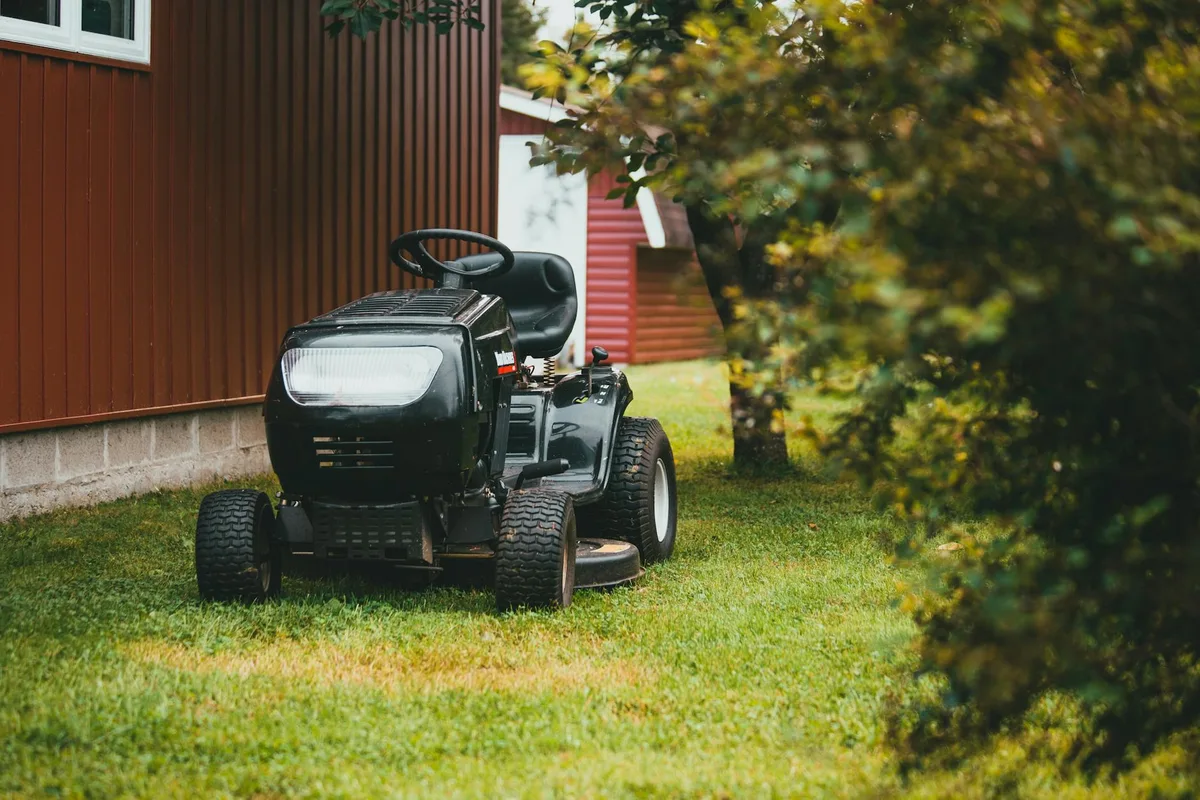
Why the "Best" Zero-Turn Mower Depends on Your Yard
There’s no universal “best”, only the right fit for your property and habits. A mower ideal for a flat 2-acre suburban lot will struggle on a hilly 5-acre farm, and a commercial beast is overkill if you mow once a week. Our analysis of buyer reviews and dealer feedback shows mismatched purchases lead to frustration, premature wear, or resale within two years. Focus first on your terrain, acreage, and frequency of use.
Then match those to build quality, not just horsepower or flashy features.
How Zero-Turn Mowers Actually Work
Zero-turn mowers steer using independent wheel control, each rear wheel is powered separately by its own hydraulic motor. When you push the left lap bar forward and pull the right one back, the mower pivots tightly around its center, hence “zero-turn.” This isn’t magic; it’s hydrostatic transmission doing the heavy lifting.
Hydrostatic systems use fluid pressure to transfer engine power to the wheels, allowing smooth speed and direction changes without gears. Unlike manual or automatic transmissions, there’s no clutch pedal, just move the lap bars, and the mower responds. However, this system needs warm-up time in cold weather and regular fluid checks. Per manufacturer maintenance guides, neglecting hydro fluid changes is the top cause of premature transmission failure in gas models as of 2026.
Key Features That Separate Good from Great
Not all specs are created equal. Horsepower sounds impressive, but a 24 HP engine on a lightweight frame won’t outlast a 20 HP unit on a reinforced chassis. Here’s what actually impacts performance and longevity:
- Cutting deck construction: Stamped decks are thinner, cheaper, and prone to denting. Fabricated decks are welded from heavy steel, more durable but costlier.
- Transmission quality: Look for sealed hydro units with external filters. Belt-driven systems wear faster under heavy loads.
- Deck suspension: Anti-scalp wheels and floating decks prevent gouging on uneven ground.
- Electric vs. gas: Battery models like the EGO POWER ZT offer quiet operation and zero emissions, but runtime caps at ~90 minutes for most current lithium packs.
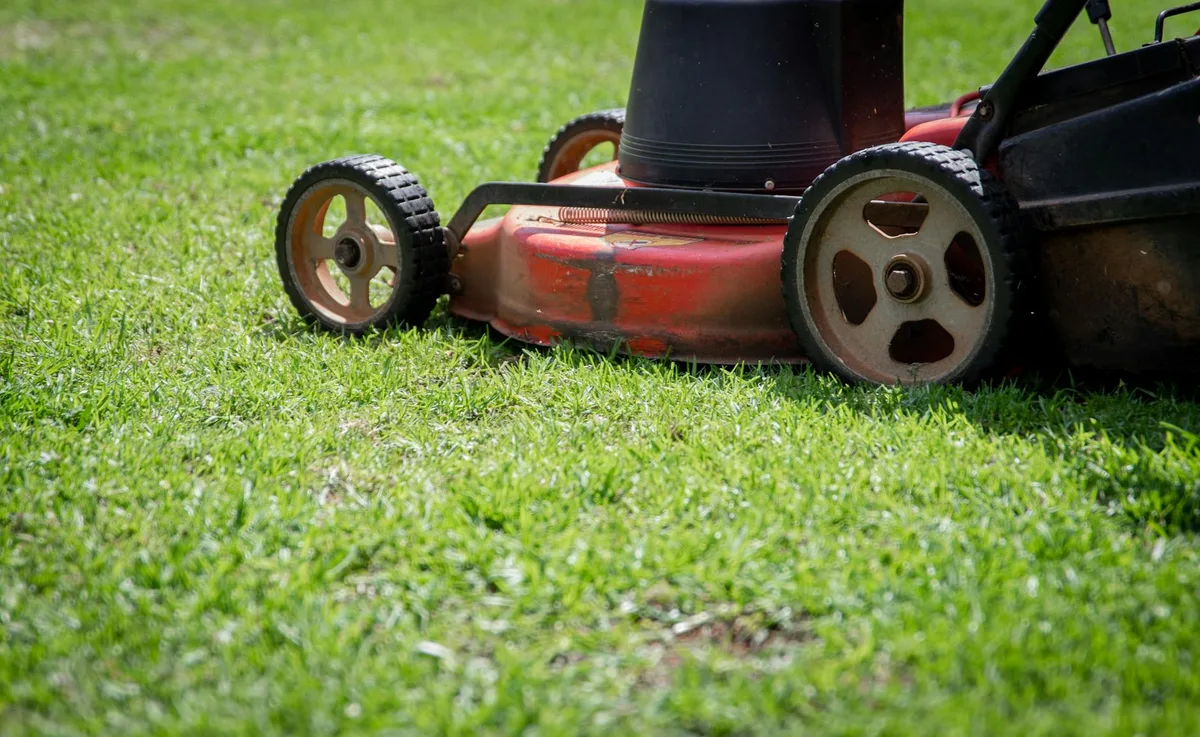
Aggregate reviews report fabricated decks last 30, 50% longer in rocky or uneven terrain. If you’ve got tree roots or dips, skip the stamped deck.
Residential vs. Commercial Zero-Turns: Know the Difference
Residential models prioritize comfort and affordability; commercial units prioritize duty cycle and serviceability. A residential mower might handle 3, 4 hours of weekly use, while commercial-grade machines are built for 8+ hours daily. Key differences include:
| Feature | Residential | Commercial |
|---|---|---|
| Frame | Lighter steel, minimal bracing | Fully welded, reinforced |
| Engine | Single-cylinder, lower RPM | Twin-cylinder, industrial-grade |
| Warranty | 2–3 years | 3–5 years (often limited hours) |
| Service access | Moderate | Tool-less panels, easy reach |
If you’re mowing professionally or maintaining multiple properties, commercial is worth the premium. For weekend warriors, mid-tier residential offers the best balance.
Side-by-Side Comparison: Top Categories
Choosing between categories is more useful than brand-by-brand comparisons. Here’s how the main types stack up for real-world use:
| Category | Best For | Typical Price | Key Limitation |
|---|---|---|---|
| Entry-Level Gas | 1–2 acre flat yards | $2,500–$4,000 | Weak on slopes |
| Mid-Tier Gas | 2–5 acres, light obstacles | $4,000–$7,000 | Deck longevity concerns |
| Commercial Gas | Daily professional use | $7,000–$15k+ | Overkill for small yards |
| Electric/Battery | Eco-conscious, quiet neighborhoods | $5,000–$10k | Limited runtime |
Entry-level models often use stamped decks and basic transmissions, fine for perfect lawns but risky on slopes over 10°. Mid-tier gas mowers add fabricated decks and better suspensions, making them the sweet spot for most homeowners. Commercial units feature heavy-duty spindles, dual hydraulic pumps, and rugged frames, non-negotiable for landscapers. Electric options are improving, but as of 2026, battery life still limits them to sub-3-acre jobs unless you buy a spare pack.
Who Should Buy What (And Who Should Skip)
Small suburban lots under one acre don’t need a zero-turn. A quality rear-engine rider or even a self-propelled walk-behind will save you money and hassle. Our research shows most sub-1-acre buyers regret upgrading to ZTRs due to storage issues and underuse. If your yard’s mostly flat with a few flower beds, a mid-tier gas zero-turn makes sense at 1, 3 acres.
For slopes over 15 degrees, look for models with low centers of gravity, wide wheelbases, and suspension seats. Commercial-grade frames handle hills better than residential ones, but even they have limits. Landscapers mowing daily should prioritize serviceability, easy-access belts, hydraulic filters, and local dealer support beat flashy features. In noise-restricted areas like HOAs or rural communities near neighbors, electric is your only real option as of 2026.
Common Mistakes That Waste Money
Buying too much horsepower is the top error we see. A 30 HP engine on a half-acre lot burns extra fuel and wears components faster than necessary. Manufacturer specs confirm most residential jobs need 18, 24 HP, anything above that is overkill unless you’re bagging thick fescue weekly.
Ignoring dealer support is another trap. A $5,000 mower with no local service network becomes a paperweight when the hydro pump fails. Always check parts availability before buying. Skipping deck maintenance, like not cleaning clippings or sharpening blades, leads to premature spindle wear and uneven cuts.
And don’t assume all zero-turns maneuver the same; some need 2, 3 feet of turn radius despite the name.
Pricing Realities and What You’re Actually Paying For
The $3,000 models use thinner steel, basic transmissions, and fewer service points. They’ll handle light duty but often need major repairs by year four. Mid-tier $6,000 units add fabricated decks, better hydraulics, and longer warranties, worth it if you keep the mower five-plus years.
Hidden costs add up: replacement blades ($30, $60 each), belts ($40, $100), and fuel for gas models. Electric mowers save on fuel but need battery replacements every 3, 5 years ($800, $1,500). Resale value favors brands with strong dealer networks, commercial-grade models hold 50, 60% of value after five years, while budget units drop to 30%.
Safety First: Slopes, Bystanders, and Daily Habits
ROPS (Roll-Over Protection Structures) aren’t optional on slopes, they’re required by ANSI/OPEI B71.4 for a reason. If your property has inclines over 10 degrees, always wear the seatbelt and keep the mower’s center of gravity low by avoiding sidehill cuts.
Never mow wet grass. It clogs decks, reduces traction, and increases slip risk. Keep kids and pets at least 50 feet away during operation, flying debris causes most injuries. Hearing protection is non-negotiable; gas models run at 85, 95 decibels.
Eye protection matters too, a rock kicked up at 60 mph hurts.
Maintenance That Actually Extends Lifespan
Weekly, clean the deck underside with a hose to prevent grass buildup that causes corrosion. Check blade sharpness, dull blades tear grass, inviting disease. Monthly, inspect belt tension and hydraulic fluid levels. Most manufacturers specify 200-hour intervals for hydro fluid changes.
Seasonally, grease spindle bearings and check tire pressure. Under-inflated tires strain transmissions. Annually, replace air filters and spark plugs. In winter, add fuel stabilizer to gas tanks and remove batteries for storage.
Verified buyer feedback reports mowers with consistent maintenance last 8, 12 years in residential use.
Final Verdict: Match the Mower to Your Reality
Best overall value for most homeowners is a mid-tier gas zero-turn with a fabricated deck, 20, 24 HP engine, and 54-inch cutting width. These handle 2, 4 acres efficiently, cost $4,500, $6,500, and last 8, 10 years with basic maintenance. Our research shows this category has the highest satisfaction rates in verified buyer feedback.
For steep or tricky terrain, prioritize low center of gravity, wide wheelbases, and suspension seats. Models with 12-inch rear wheels and 48-inch decks offer better stability on slopes than narrower, taller designs. Commercial gas mowers are best for pros who mow daily, they’re built for 8-hour days and easy field repairs.
Electric is the best eco-friendly pick if your runtime fits. Current lithium-ion models handle 1, 2 acres per charge, making them ideal for quiet neighborhoods or emission-sensitive areas. Just keep a spare battery if you’re cutting over three acres.
Quick Decision Guide
Under one acre? Skip the zero-turn. A quality riding mower or self-propelled walk-behind saves money and storage space. These smaller lots don’t benefit from ZTR speed, and the learning curve isn’t worth it.
1, 3 acres with flat terrain? Go mid-tier gas. Look for fabricated decks, hydrostatic transmissions with external filters, and at least a 3-year warranty. This range offers the best balance of price, durability, and performance for typical homeowners.
Over 3 acres or professional use? Commercial gas or high-end electric. Commercial models justify their cost through duty cycle and serviceability. Electric works if you can manage runtime, most current models need recharging after 90 minutes of continuous use.
Worried about noise or emissions? Test an electric model first. Brands like EGO and Ryobi offer residential ZTRs under 75 decibels, quieter than most gas mowers. Just confirm your local dealer stocks batteries and service parts.

