
Grilling the perfect burger on a pellet grill starts with the right temperature. For most burgers, 375°F to 400°F delivers a great sear, juicy interior, and rich smoke flavor without burning. This guide breaks down ideal temps, timing, and pro tips to help you master burger perfection every time.
Key Takeaways
- 375°F to 400°F is the sweet spot: This temperature range ensures a crispy crust, even cooking, and optimal smoke absorption without drying out the meat.
- Use 350°F for thicker patties: Larger or denser burgers benefit from slightly lower heat to cook through without charring the outside.
- Avoid temperatures below 325°F: Too low and you lose the sear and risk undercooking; too high and you burn the exterior before the inside is done.
- Preheat your pellet grill for 10–15 minutes: Consistent heat is key to even cooking and a proper Maillard reaction for that delicious crust.
- Flip once, halfway through: Over-flipping dries out the meat; one flip ensures even browning and juiciness.
- Use a meat thermometer: Target internal temps: 160°F for well-done, 150°F for medium, and 140°F for medium-rare (safe for fresh, high-quality beef).
- Let burgers rest 2–3 minutes after cooking: Resting allows juices to redistribute, resulting in a more flavorful bite.
📑 Table of Contents
- Why Temperature Matters When Cooking Burgers on a Pellet Grill
- The Ideal Temperature Range: 375°F to 400°F
- Adjusting Temperature for Different Burger Types
- Preheating and Grill Management Tips
- Timing and Doneness: How to Know When It’s Done
- Pro Tips for Juicy, Flavorful Burgers
- Common Mistakes to Avoid
- Conclusion
Why Temperature Matters When Cooking Burgers on a Pellet Grill
When it comes to outdoor cooking, few things are as satisfying as a perfectly grilled burger. The sizzle, the smoky aroma, the juicy bite—it’s a backyard ritual that brings people together. But achieving that ideal burger isn’t just about seasoning or patty thickness. One of the most critical factors is temperature. Whether you’re a weekend griller or a seasoned pitmaster, understanding the best temperature to cook burgers on a pellet grill can make or break your meal.
Pellet grills are beloved for their versatility and consistent heat, thanks to automated wood pellet feed systems and digital controllers. But unlike gas or charcoal grills, pellet grills rely on convection heat and smoke infusion, which means timing and temperature need to be dialed in just right. Too hot, and your burger turns into a charred hockey puck. Too cool, and you end up with a steamed, flavorless patty. The key is finding that Goldilocks zone—where heat and smoke work together to create a burger that’s crispy on the outside, tender on the inside, and packed with flavor.
The Ideal Temperature Range: 375°F to 400°F
The best temperature to cook burgers on a pellet grill typically falls between 375°F and 400°F. This range strikes the perfect balance between searing power and gentle cooking. At 375°F, the grill generates enough heat to trigger the Maillard reaction—the chemical process that creates that irresistible brown crust and deep, savory flavor. At the same time, the temperature isn’t so high that it burns the outside before the inside reaches your desired doneness.
For most standard ¼- to ½-pound beef patties, 375°F is a reliable starting point. Cook for about 4–5 minutes per side, and you’ll get a burger that’s medium-rare to medium, depending on thickness. If you prefer a more well-done burger, bump the temp up to 400°F and cook for 5–6 minutes per side. The higher heat helps push the internal temperature up faster while still maintaining a decent crust.
Why This Range Works
- Even heat distribution: Pellet grills circulate hot air, reducing hot spots and ensuring consistent cooking.
- Smoke flavor infusion: At 375°F–400°F, wood pellets burn cleanly, releasing aromatic smoke that clings to the meat without overwhelming it.
- Juice retention: Moderate heat prevents excessive moisture loss, keeping your burger moist and tender.
Adjusting Temperature for Different Burger Types
Not all burgers are created equal, and neither should your cooking temperature be. The ideal heat depends on the type of meat, patty thickness, and desired doneness. Here’s how to adjust your pellet grill settings for various scenarios.
Thin Patties (¼-inch or less)
Thin burgers cook fast—sometimes too fast. At high heat, they can go from raw to overcooked in seconds. For these, stick to 375°F and cook for just 3–4 minutes per side. Use a timer and keep a close eye to avoid burning. These are great for slider-style burgers or when you want a quick cook with a light crust.
Thick Patties (¾-inch or more)
Thick, hand-formed patties are delicious but tricky. They need more time to cook through without charring the outside. For these, lower the temperature to 350°F. This slower, gentler heat allows the center to reach the right temperature while the exterior develops a nice crust. Cook for 5–6 minutes per side, depending on thickness and desired doneness.
Turkey, Chicken, or Plant-Based Burgers
Leaner meats like turkey or chicken require slightly higher heat—around 375°F to 400°F—to prevent drying out. Cook for 5–6 minutes per side, and always use a meat thermometer (165°F for poultry). Plant-based patties vary by brand, but most perform best at 375°F. Cook for 4–5 minutes per side, flipping once. Avoid high heat, as many vegan patties can become tough or crumbly.
Preheating and Grill Management Tips
One of the most overlooked steps in pellet grilling is preheating. Just like you wouldn’t bake a cake in a cold oven, you shouldn’t slap a burger on a cold grill. Preheating ensures even heat distribution and helps achieve that crucial sear.
Preheat for 10–15 Minutes
Turn on your pellet grill and let it reach your target temperature (375°F–400°F) for at least 10–15 minutes. This allows the grates to heat up and stabilizes the internal environment. A hot grill also prevents sticking—your burger will release easily when it’s ready to flip.
Use a Two-Zone Setup (If Possible)
Some pellet grills allow for indirect cooking by placing a heat deflector or using zoning techniques. If your model supports it, consider creating a two-zone setup: one side hot for searing, the other cooler for finishing. Sear the burger over direct heat for 2–3 minutes per side, then move it to the cooler zone to finish cooking without burning.
Clean the Grates
A clean grill grate is essential for good contact and even browning. Scrub the grates with a grill brush before preheating. This removes old residue and ensures your burger gets that perfect grill mark and crust.
Timing and Doneness: How to Know When It’s Done
Timing is everything when grilling burgers. Overcooking is the number one enemy of juiciness. The best way to ensure perfect doneness is to use a reliable instant-read meat thermometer. But if you don’t have one, here are some general guidelines.
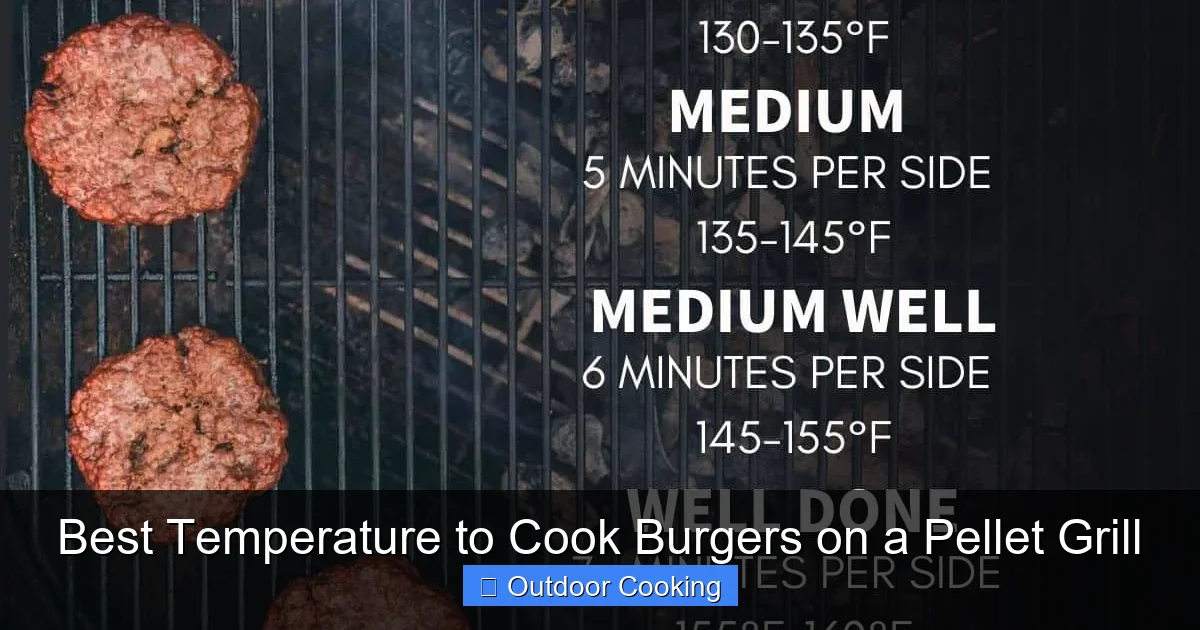
Internal Temperature Guide
- Medium-rare: 130°F–135°F (remove at 130°F, rest to 135°F)
- Medium: 140°F–145°F
- Medium-well: 150°F–155°F
- Well-done: 160°F and above
For food safety, the USDA recommends cooking ground beef to at least 160°F. However, many chefs and grillers prefer 150°F for medium, as the meat will continue to rise 5°F during resting. Always let your burgers rest for 2–3 minutes after cooking. This allows the juices to settle, resulting in a more flavorful bite.
Visual and Touch Cues
If you’re not using a thermometer, you can estimate doneness by touch. Press the center of the burger gently with your finger:
- Soft and spongy: Rare
- Slight resistance: Medium-rare to medium
- Firm: Well-done
Keep in mind, this method takes practice and isn’t as accurate as a thermometer.
Pro Tips for Juicy, Flavorful Burgers
Temperature is just one piece of the puzzle. To truly master the art of the pellet-grilled burger, consider these expert tips.
Choose the Right Meat
Start with freshly ground beef with a fat content of 15%–20% (like 80/20 or 85/15). The fat keeps the burger moist and adds flavor. Avoid pre-formed patties from the store—they’re often overworked and dry.
Don’t Overwork the Meat
When forming patties, handle the meat gently. Overmixing or compacting can make the burger tough. Make a slight indentation in the center of each patty to prevent bulging during cooking.
Add Flavor with Wood Pellets
One advantage of pellet grills is the ability to infuse smoke flavor. Use mild woods like apple, cherry, or pecan for burgers. Avoid strong woods like hickory or mesquite, which can overpower the meat. For a balanced flavor, try a blend of fruitwood and oak.
Season Simply
Great burgers don’t need fancy seasoning. A generous pinch of salt and pepper right before grilling is often enough. Avoid adding salt too early, as it can draw out moisture and make the meat dry.
Toast the Buns
Don’t forget the bun! Place it cut-side down on the grill for 30–60 seconds during the last minute of cooking. A warm, lightly toasted bun adds texture and prevents sogginess.
Common Mistakes to Avoid
Even experienced grillers make mistakes. Here are a few to watch out for when cooking burgers on a pellet grill.
Cooking at Too High a Temperature
Starting at 425°F or higher may seem like a good way to get a quick sear, but it often leads to burnt exteriors and undercooked centers. Stick to 375°F–400°F for balanced results.
Flipping Too Often
Constant flipping disrupts crust formation and dries out the meat. Flip only once, halfway through cooking.
Pressing the Patty
Never press down on your burger with a spatula. This squeezes out precious juices and leads to a dry, tough bite.
Skipping the Rest
Rushing to serve immediately after grilling means losing flavorful juices. Always let burgers rest for a few minutes before serving.
Conclusion
Mastering the best temperature to cook burgers on a pellet grill is the key to backyard burger greatness. By cooking at 375°F to 400°F, preheating properly, and using a meat thermometer, you’ll achieve juicy, flavorful results every time. Adjust for patty thickness and meat type, avoid common pitfalls, and don’t forget the finishing touches like toasted buns and quality toppings.
Whether you’re hosting a summer cookout or enjoying a quiet dinner at home, these tips will elevate your burger game. So fire up that pellet grill, grab your favorite wood pellets, and get ready to impress. With the right temperature and a little know-how, your next burger could be the best you’ve ever made.
Frequently Asked Questions
What is the best temperature to cook burgers on a pellet grill?
The best temperature to cook burgers on a pellet grill is between 375°F and 400°F. This range provides a good sear, even cooking, and rich smoke flavor without burning the meat.
Can I cook burgers at 350°F on a pellet grill?
Yes, 350°F is ideal for thicker patties or when you want a slower, more even cook. It helps prevent charring while ensuring the center reaches the right temperature.
How long should I cook burgers on a pellet grill?
At 375°F–400°F, cook for 4–6 minutes per side, depending on thickness and desired doneness. Use a meat thermometer to check internal temperature for accuracy.
Should I preheat my pellet grill before cooking burgers?
Absolutely. Preheat for 10–15 minutes to ensure even heat and a proper sear. A hot grill also reduces sticking and improves browning.
Can I use a pellet grill for turkey or veggie burgers?
Yes! Cook turkey burgers at 375°F–400°F until they reach 165°F internally. Plant-based patties work best at 375°F for 4–5 minutes per side—avoid high heat to prevent crumbling.
Why is my burger dry even when cooked at the right temperature?
Dry burgers are often caused by overcooking, low-fat meat, or pressing the patty while cooking. Use 80/20 beef, avoid pressing, and cook to the right internal temperature.

