
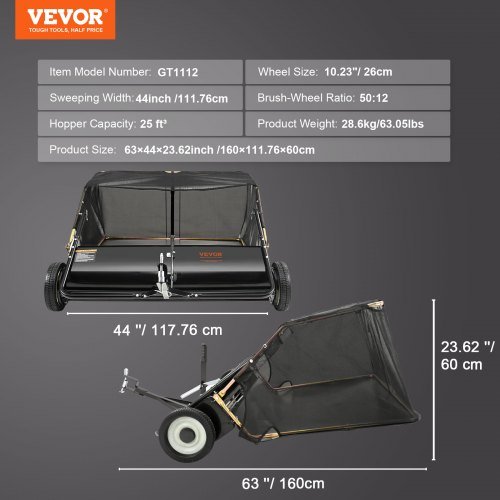
Choosing the right lawn sweeper can make your yard work faster and easier. But how do you know what size lawn sweeper you need?
Picking the wrong size could mean wasted time, effort, and money. You’ll discover simple tips to find the perfect fit for your lawn. By the end, you’ll feel confident about making a smart choice that keeps your yard clean without extra hassle.
Keep reading to learn exactly what to look for and why size really matters.
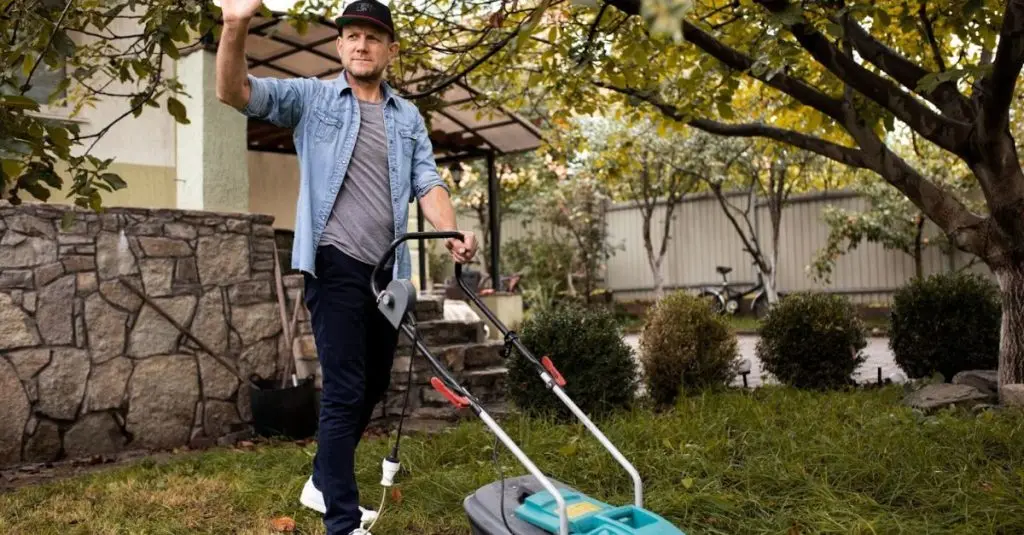
Credit: www.vevor.com
Choosing The Right Lawn Sweeper
Picking the right lawn sweeper helps keep your yard clean and neat. The right size and type depend on your lawn’s size and needs.
This guide explains different types of lawn sweepers and compares manual and powered options. It will help you choose what fits best.
Types Of Lawn Sweepers
Lawn sweepers come in various sizes and styles. They pick up leaves, grass clippings, and debris from your lawn.
- Push lawn sweepers are small and good for small yards.
- Tow-behind lawn sweepers attach to a lawn tractor for bigger areas.
- Electric lawn sweepers use a motor but stay lightweight and easy to handle.
Manual Vs. Powered Sweepers
Manual sweepers rely on your pushing power. Powered sweepers use electricity or gas engines to turn the brushes.
| Feature | Manual Sweeper | Powered Sweeper |
|---|---|---|
| Size | Small to medium | Medium to large |
| Effort | Requires physical effort | Minimal effort needed |
| Cost | Lower cost | Higher cost |
| Best for | Small yards and light debris | Large yards and heavy debris |
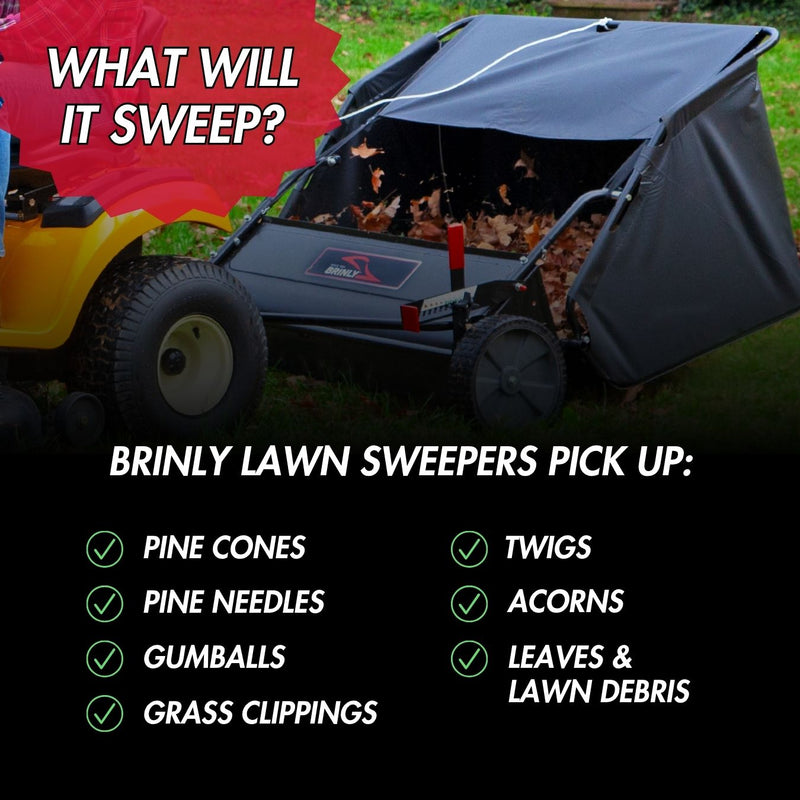
Credit: brinly.com
Factors Influencing Sweeper Size
Choosing the right lawn sweeper size depends on several factors. These factors help you pick a sweeper that fits your needs.
Understanding these key points will make it easier to find the best size for your lawn sweeper.
Lawn Size And Terrain
The size of your lawn is the main factor when picking a sweeper. Larger lawns need bigger sweepers to cover more ground fast.
Terrain also matters. If your lawn has hills or rough patches, a smaller, more maneuverable sweeper may work better.
- Small lawns: smaller sweepers save space and effort
- Large lawns: bigger sweepers reduce work time
- Hilly or uneven terrain: choose models with good wheel design
Debris Types And Volume
The kind of debris you clean affects sweeper size. Heavy leaves or large sticks need a stronger sweeper.
Also, the amount of debris matters. More debris calls for a larger hopper or collection bag.
- Light debris: smaller hopper is fine
- Heavy or large debris: choose a sweeper with strong brushes
- High debris volume: larger collection capacity helps
Storage And Maneuverability
Think about where you will store your sweeper. A bigger sweeper needs more space.
Maneuverability is important for tight spaces. Smaller sweepers are easier to move and control.
- Limited storage: choose compact sweepers
- Narrow paths: smaller size helps with control
- Easy transport: lighter sweepers are better
Sweeper Capacity And Width
Choosing the right lawn sweeper depends on its capacity and width. These two factors affect how fast and easy your yard work will be.
Knowing the size of the hopper and the sweeping width helps you pick a sweeper that fits your lawn size and debris amount.
Sweeper Hopper Sizes
The hopper collects leaves, grass clippings, and small debris. Hopper sizes vary to handle different yard sizes.
- Small hoppers hold about 4 to 6 bushels. Best for small yards under 1/4 acre.
- Medium hoppers hold 7 to 10 bushels. Good for medium yards between 1/4 and 1/2 acre.
- Large hoppers hold 11 to 15 bushels. Ideal for large yards over 1/2 acre.
Sweeping Width Options
Sweeping width determines how much ground the sweeper covers in one pass. Wider sweepers reduce time spent on your lawn.
| Sweeping Width | Best For | Advantages |
|---|---|---|
| 20-24 inches | Small lawns and tight spaces | Easy to maneuver, fits narrow areas |
| 25-30 inches | Medium lawns | Balances coverage and control |
| 31-36 inches | Large lawns | Covers more ground quickly |
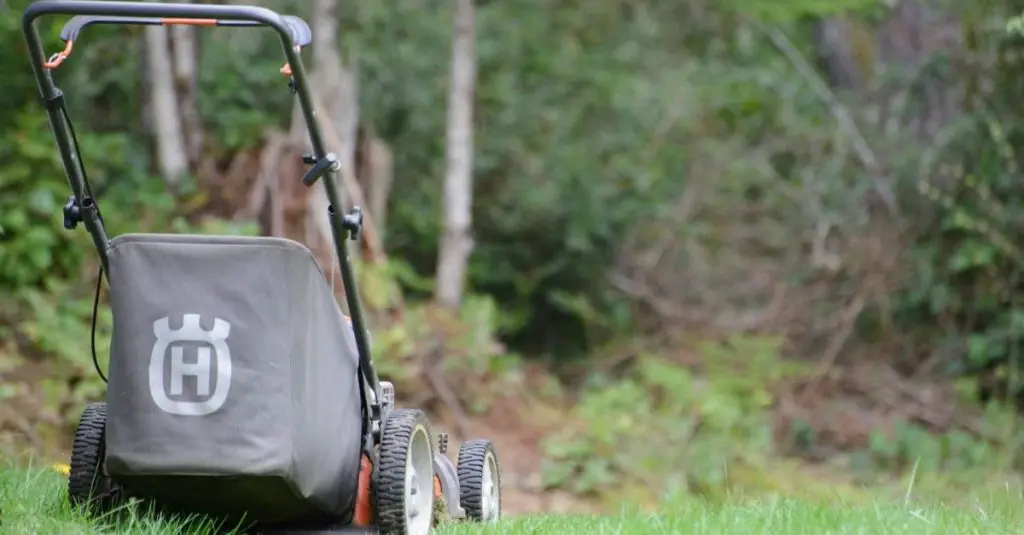
Credit: www.vevor.com
Matching Sweeper To Lawn Size
Choosing the right lawn sweeper depends on your lawn size. A sweeper that fits your yard saves time and effort.
Different lawn sizes need different sweeper widths and capacities. This guide helps you match your lawn to the right sweeper.
Small Lawns Under 1/4 Acre
Small lawns need compact sweepers. These are easier to store and use in tight spaces.
Look for sweepers with narrow cleaning widths and smaller hoppers. They work well for light debris and small areas.
- Cleaning width: 18 to 24 inches
- Hopper capacity: 2 to 5 bushels
- Easy to push or tow with small lawn tractors
Medium Lawns 1/4 To 1 Acre
Medium lawns need medium-sized sweepers. These cover more ground but stay manageable in size.
Sweepers with wider brushes and larger hoppers save time on bigger yards. They handle more leaves and grass clippings.
- Cleaning width: 24 to 32 inches
- Hopper capacity: 5 to 10 bushels
- Suitable for push or tow behind ride-on mowers
Large Lawns Over 1 Acre
Large lawns need heavy-duty sweepers with wide cleaning paths. This lowers the time spent on yard work.
Choose models with large hoppers and robust construction. These can handle lots of debris and long use.
- Cleaning width: 32 inches or more
- Hopper capacity: 10 bushels or higher
- Designed to tow behind lawn tractors or ATVs
Additional Features To Consider
Choosing the right lawn sweeper size is important. You should also think about extra features. These features can make your work easier and faster.
Here are some key features to check before buying your lawn sweeper.
Adjustable Height Settings
Adjustable height settings help you control how close the brushes touch the ground. This is useful for different grass types and lawn conditions.
Changing the height lets you avoid damaging your grass or missing debris.
- Set lower height for short grass
- Set higher height for tall or thick grass
- Adjust for uneven ground to improve cleaning
Ease Of Dumping And Cleaning
Look for lawn sweepers that are easy to empty. A simple dumping mechanism saves time and effort.
Cleaning the sweeper after use is also important. Designs that allow quick brush removal help keep the sweeper working well.
- Large hopper for less frequent emptying
- Easy-to-release dump handle
- Brushes that come off for cleaning or replacement
Durability And Build Quality
A strong lawn sweeper lasts longer and handles tough jobs. Check the materials used in the frame and brushes.
Steel frames are more durable than plastic. Good quality brushes also clean better and wear slower.
- Steel or heavy-duty metal frame
- Weather-resistant parts
- Replaceable brushes for longer use
Maintenance Tips For Lawn Sweepers
Taking care of your lawn sweeper helps it work well for a long time. Regular maintenance keeps it clean and ready to use.
Good care also prevents costly repairs and makes your lawn look neat after every use.
Regular Cleaning
Clean your lawn sweeper after each use to remove grass, leaves, and dirt. This stops buildup that can damage parts.
Use a brush or air compressor to clear debris from the brushes and wheels. Wipe down the frame with a damp cloth.
- Remove stuck grass and leaves
- Clear brushes and wheels
- Wipe the sweeper frame clean
Brush Replacement
Check the brushes regularly for wear or damage. Worn brushes reduce the sweeper’s ability to pick up debris.
Replace brushes if they look thin, bent, or broken. Follow the manufacturer’s guide for the right brush size and type.
- Inspect brushes before each season
- Replace brushes showing heavy wear
- Use correct replacement parts
Storage Best Practices
Store your lawn sweeper in a dry, covered place to stop rust and damage. Avoid leaving it outside in the rain or sun.
Keep it off the ground using a pallet or shelf to prevent moisture buildup. Cover it with a cloth or tarp for extra protection.
- Store in a dry, sheltered area
- Keep off damp ground
- Cover the sweeper during storage
Frequently Asked Questions
What Factors Determine The Right Lawn Sweeper Size?
The right size depends on lawn area, debris volume, and towing power. Larger lawns need wider sweepers for efficiency. Smaller yards suit compact models for easy storage and maneuvering. Consider your vehicle’s towing capacity to avoid strain.
How Does Lawn Size Affect Sweeper Choice?
Bigger lawns require sweepers with wider brushes or larger hoppers. This reduces the number of passes and saves time. Small lawns benefit from lightweight, narrow models that are easier to handle and store.
Can A Small Sweeper Handle Large Debris?
Small sweepers handle light debris like leaves and grass clippings well. However, large debris requires a more robust, wider sweeper for effective cleaning. Choose a model that matches your typical debris type for best results.
Is Towing Power Important For Lawn Sweepers?
Yes, towing power affects sweeper performance and safety. Ensure your vehicle can pull the sweeper without strain. Match sweeper size with your mower or ATV’s horsepower for optimal efficiency.
Conclusion
Choosing the right lawn sweeper size is crucial for efficiency. Consider your lawn’s size. A larger yard may need a wider sweeper. Smaller yards can use compact sweepers. Think about storage space too. Bigger sweepers need more room. Also, check your lawn’s terrain.
Hilly areas might need a different sweeper type. Always match the sweeper to your mower size. This ensures easy use and maximum effectiveness. The right choice simplifies lawn care. Enjoy a clean and beautiful yard with less effort. Happy sweeping!
