
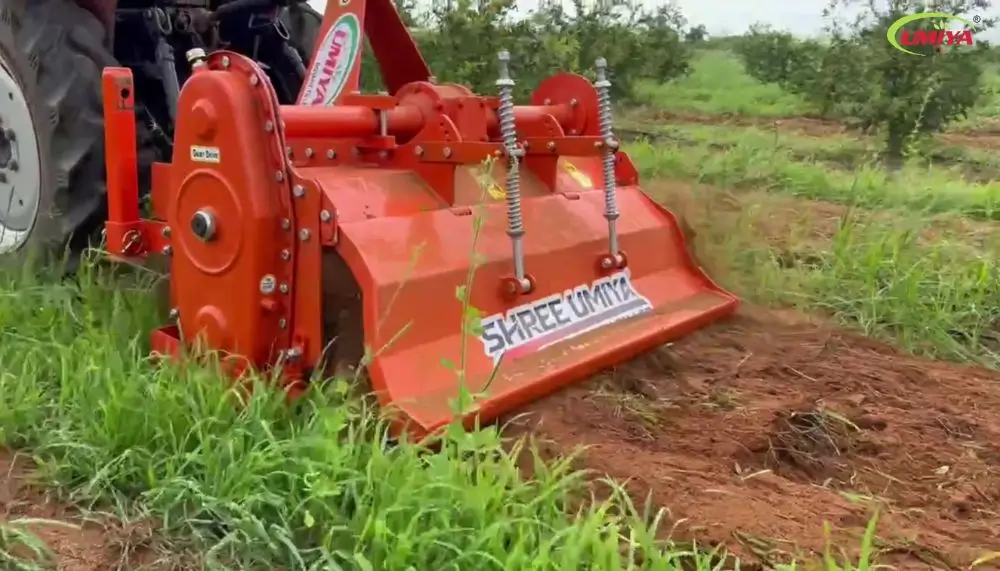
If you’ve ever faced stubborn, heavy clay soil in your garden, you know how tough it can be to work with. You might be wondering, “Can I use a tiller on clay soil without making things worse?” The answer isn’t as simple as yes or no.
How you approach tilling your clay soil can make a big difference in your garden’s success. You’ll discover the best tips and tricks to effectively use a tiller on clay soil and turn that tough ground into a thriving garden bed.
Keep reading—you’ll learn how to save time, avoid common mistakes, and get your soil ready for planting the right way.

Credit: www.reddit.com
Challenges Of Clay Soil
Clay soil can be hard to work with in gardens. It is thick and sticky when wet. This makes using a tiller tricky. Understanding the challenges helps gardeners prepare well.
Clay soil affects plant growth and soil tools. Knowing its traits and common problems can save time and effort in the garden.
Characteristics Of Clay Soil
Clay soil has very small particles that pack tightly. It holds water well but drains poorly. This soil type becomes very hard when dry and sticky when wet. It can also form cracks as it dries.
- High water retention causes slow drainage
- Soil compacts easily and becomes dense
- Poor air circulation affects root health
- Hard to dig or till when dry
- Becomes sticky and clumps when wet
Common Problems For Gardeners
Clay soil creates many issues for gardeners. It slows down plant growth and makes soil care difficult. Tools like tillers may get stuck or clogged. Plants may suffer from poor root growth and nutrient uptake.
| Problem | Effect | Gardener’s Challenge |
|---|---|---|
| Poor Drainage | Water pools on surface | Plants may rot or drown |
| Soil Compaction | Roots can’t grow well | Tilling is hard and tiring |
| Sticky Soil | Tools clog with mud | Tiller blades get stuck |
| Dry Cracks | Soil breaks apart | Uneven planting surface |
Choosing The Right Tiller
Clay soil is dense and heavy. Using the right tiller helps break it up easily.
Choosing a tiller designed for tough soil makes gardening easier and faster.
Types Of Tillers Suitable For Clay
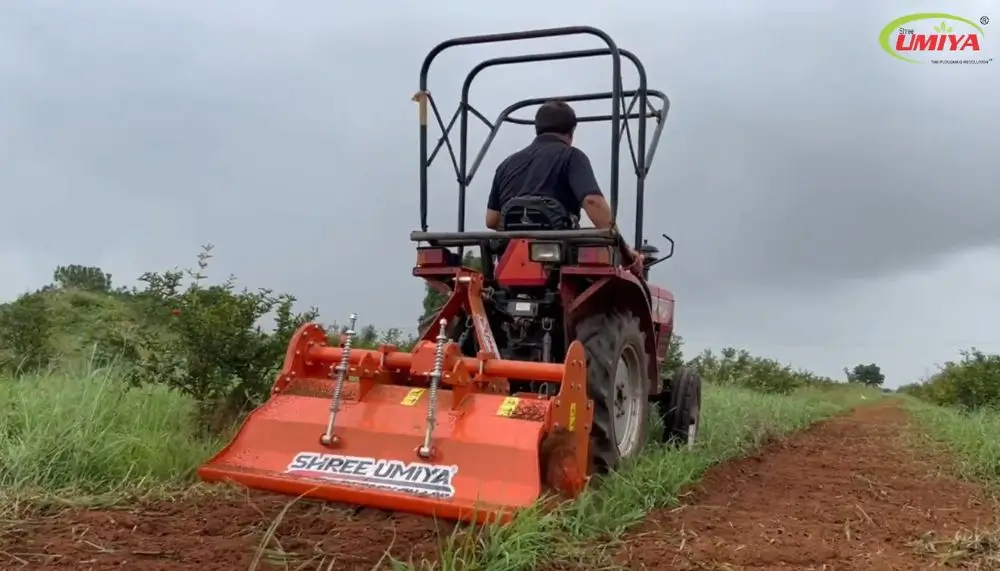
Rotary tillers and rear-tine tillers work well on clay soil. They dig deep and turn the soil.
Front-tine tillers are less effective because they do not penetrate hard soil deeply.
- Rotary tillers: Good for breaking up compacted clay
- Rear-tine tillers: Provide strong digging power and better control
- Front-tine tillers: Best for light or sandy soil, not clay
Power And Size Considerations
Choose a tiller with enough power to handle heavy clay soil. Gas-powered models often have stronger engines.
Larger tillers cover more ground but are heavier. Smaller tillers are easier to handle but may need multiple passes.
- Power: At least 5 horsepower for clay soil
- Size: Wide tines cover more area
- Weight: Heavier tillers penetrate clay better
- Engine type: Gas engines usually provide more power
Preparing Clay Soil For Tilling
Clay soil is dense and can be hard to work with. Preparing it well before tilling helps plants grow better.
Good preparation improves soil texture and makes tilling easier. It also helps roots spread and get nutrients.
Moisture Levels And Timing
Soil moisture affects tilling success. Clay soil should be moist but not wet. Tilling wet soil can cause clumps and damage.
- Check soil moisture by squeezing a handful. It should hold shape but not drip water.
- Till during dry weather to avoid compacting the soil.
- Early spring or late fall is best for tilling clay soil.
- Avoid tilling right after heavy rain or irrigation.
Adding Organic Matter
Adding organic matter improves clay soil structure. It creates space for air and water, making soil softer.
| Type of Organic Matter | Benefits |
| Compost | Increases nutrients and soil life |
| Manure | Improves soil texture and fertility |
| Leaf Mold | Enhances moisture retention |
| Peat Moss | Lightens heavy soil |
Tilling Techniques For Clay Soil
Clay soil is dense and holds water tightly. Tilling helps loosen it for better plant growth.
Using the right tilling methods makes your garden healthier and easier to work with clay soil.
Proper Depth And Speed
Set your tiller to a shallow depth to avoid hard clods. Go slow to break soil gently.
- Start tilling at 3 to 4 inches deep
- Reduce depth on following passes if soil is still hard
- Use slow speed to let tines work well without packing soil
- Stop if soil looks too wet or sticky
Avoiding Soil Compaction
Heavy tilling or working wet soil compacts clay, making it harder for roots to grow.
| Action | Effect on Clay Soil |
|---|---|
| Tilling when soil is wet | Increases compaction and clumping |
| Using heavy equipment | Presses soil tightly, reducing air pockets |
| Working soil only when dry | Helps keep soil loose and crumbly |
| Adding organic matter | Improves soil structure and drainage |
Alternative Methods To Improve Clay Soil
Clay soil can be hard to work with because it holds water and compacts easily. Using a tiller can sometimes make this worse. There are other ways to improve clay soil without digging it up.
These methods help the soil get better air and water flow. They also add nutrients and protect the soil surface. Let’s look at some options for no-till gardening and using cover crops and mulch.
No-till Gardening Options
No-till gardening means you avoid turning the soil with a tiller or shovel. This helps keep the soil structure strong and prevents clay from becoming too dense. Instead, you add organic matter on top and let earthworms and microbes do the work.
- Spread compost or aged manure over the soil surface.
- Use a garden fork to gently loosen the soil without turning it.
- Plant deep-rooted plants that break up hard clay layers naturally.
- Avoid walking on wet clay soil to prevent compaction.
Using Cover Crops And Mulch
Cover crops help improve clay soil by adding organic material and protecting the surface. Mulch keeps the soil moist and cool, reducing crusting and erosion.
| Cover Crop | Benefit |
| Red Clover | Fixes nitrogen and loosens soil |
| Winter Rye | Improves soil structure and prevents erosion |
| Hairy Vetch | Adds nitrogen and organic matter |
| Buckwheat | Grows fast and attracts beneficial insects |
Apply 2 to 4 inches of mulch like straw, wood chips, or leaves over the soil. This stops hard crusts from forming and feeds the soil as it breaks down.

Credit: tmgindustrial.ca
Maintenance Tips For Tiller And Soil
Using a tiller on clay soil can be tough on both the machine and the ground. Proper care helps your tiller last longer. It also keeps your soil healthy for planting.
Follow simple maintenance tips to keep your tiller in good shape. Use smart soil care methods to improve clay soil over time.
Cleaning And Caring For Your Tiller
Clay soil sticks to the tiller parts. Clean your tiller after every use. Remove dirt and debris to stop rust and damage.
- Disconnect the spark plug before cleaning.
- Use a brush or hose to remove soil from tines.
- Check and tighten loose bolts and screws.
- Lubricate moving parts to prevent wear.
- Inspect the air filter and clean or replace it.
- Store the tiller in a dry place when not in use.
Long-term Soil Health Strategies
Clay soil needs extra care to stay fertile and easy to work. Add organic matter and improve drainage for better results.
| Soil Care Practice | Benefit |
| Add compost or aged manure | Improves soil structure and nutrients |
| Use cover crops | Prevents erosion and adds organic material |
| Apply mulch | Retains moisture and reduces compaction |
| Rotate crops | Reduces soil diseases and nutrient depletion |
| Install drainage systems | Prevents waterlogging in heavy clay |
Credit: www.patelagroindustries.com
Frequently Asked Questions
Can You Use A Tiller On Clay Soil Effectively?
Yes, you can use a tiller on clay soil. It helps break up compacted soil and improves aeration. However, till when the soil is moderately moist to avoid clumping and damage to soil structure.
What Type Of Tiller Works Best On Clay Soil?
A heavy-duty, gas-powered tiller with sturdy tines works best on clay soil. It can penetrate dense clay and loosen it efficiently. Avoid light electric tillers as they may struggle with hard clay.
How To Prepare Clay Soil Before Tilling?
Water the clay soil a day before tilling to soften it. Avoid tilling when the soil is too wet or dry. This helps prevent soil compaction and ensures effective tilling.
Does Tilling Improve Clay Soil Drainage?
Yes, tilling breaks up dense clay particles, improving soil aeration and drainage. It allows roots to access oxygen and water better, promoting healthier plant growth.
Conclusion
Using a tiller on clay soil can be challenging yet beneficial. Tilling breaks up compact clay, improving soil structure. This leads to better water drainage and root growth. Regular tilling can gradually improve soil health over time. Start with small sections for manageable results.
Ensure your tiller is strong enough for clay’s tough texture. Consider adding organic matter to enrich the soil. Patience is key when working with clay. With consistent effort, your garden can thrive. Follow these tips for best results in clay soil gardening.
Happy gardening!

