
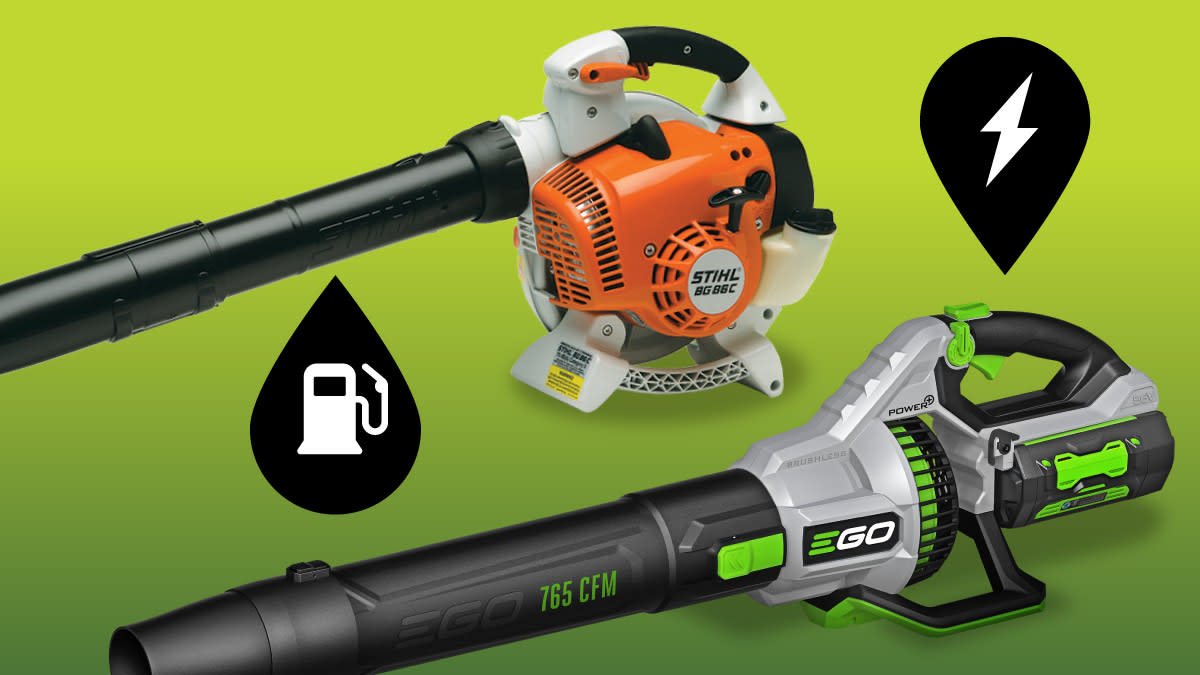
Are you tired of battling piles of leaves every fall? Choosing the right leaf vacuum can make your yard work easier and faster.
But when it comes to electric leaf vacuums versus battery-powered ones, which is truly better for you? This decision can save you time, effort, and even money. Keep reading to discover which option fits your needs best and how it can transform your outdoor cleanup routine.
Electric Leaf Vacuums Basics
Electric leaf vacuums are tools that help clean leaves from yards. They use electricity to power the machine.
These vacuums are different from battery-powered ones because they plug into an outlet for power. This means they can run without stopping.
How Electric Models Work
Electric leaf vacuums use a motor to create strong suction. This pulls leaves and debris into the machine.
Inside, a shredder breaks down the leaves to save space in the collection bag. This makes it easier to handle yard waste.
Common Features
Electric leaf vacuums often come with features that make yard work easier. These features help improve performance and comfort.
- Long power cords for wide reach
- Lightweight design for easy use
- Shredder blades to reduce leaf volume
- Collection bags that are easy to empty
- Variable speed settings for control
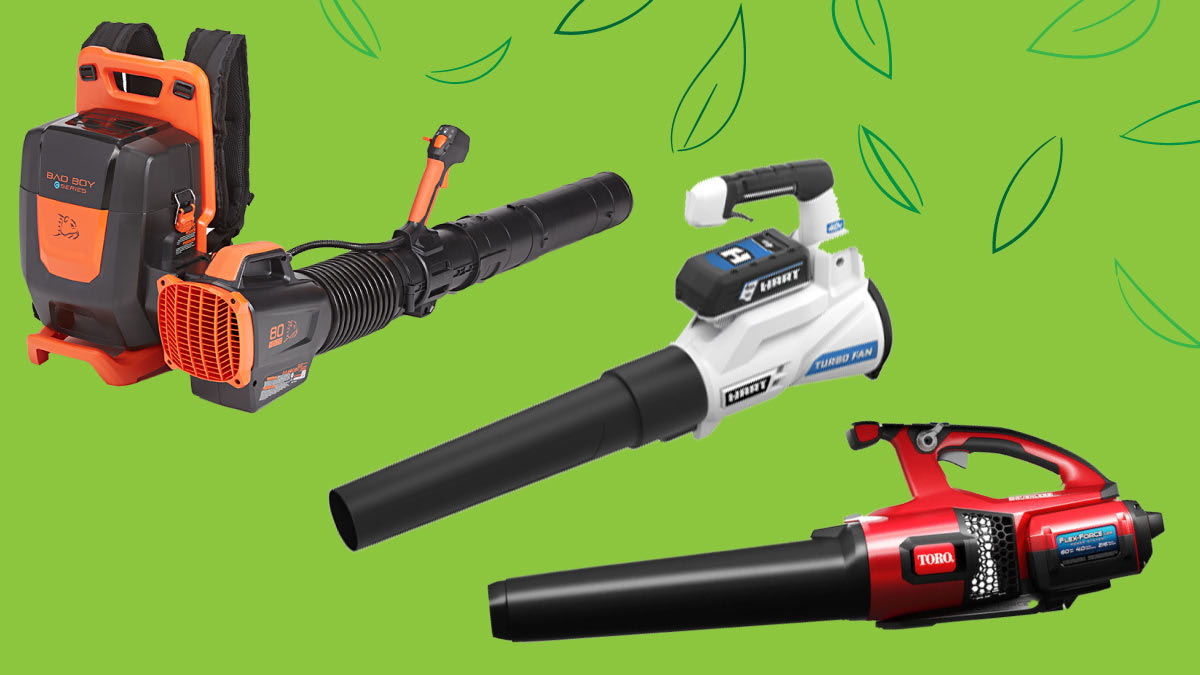
Credit: www.consumerreports.org
Battery Leaf Vacuums Basics
Battery leaf vacuums are tools used to clean leaves without a cord. They run on rechargeable batteries. This makes them easy to move and use in different places.
These vacuums help keep yards tidy by sucking or blowing leaves. They are quieter than gas models and produce no fumes. Many people choose them for small to medium yard work.
How Battery Models Work
Battery leaf vacuums use electric motors powered by batteries. The motor spins a fan that creates strong airflow. This airflow helps pick up or blow leaves and debris.
- The battery supplies energy to the motor.
- The motor turns the fan rapidly.
- The fan moves air to suck in or blow out leaves.
- The collected leaves go into a bag or container.
- The battery can be recharged after use.
Common Features
| Feature | Description |
| Battery Type | Usually lithium-ion for longer life and lighter weight |
| Run Time | Typically 20 to 60 minutes per charge |
| Variable Speed | Allows control over suction or blowing power |
| Leaf Collection Bag | Removable for easy emptying of leaves |
| Weight | Lightweight design for easy handling |
| Noise Level | Quieter than gas-powered models |
Performance Comparison
Electric leaf vacuums and battery-powered models serve the same purpose. Both help clean leaves and debris from yards efficiently.
This comparison looks at key performance factors. It helps you understand which type suits your needs better.
Suction Power
Electric leaf vacuums usually have stronger suction. They plug into an outlet, so they get constant power. This means they can handle heavy leaves and wet debris well.
Battery-powered vacuums depend on battery strength. Some models offer good suction, but it may weaken as the battery drains. They are often lighter but less powerful than electric ones.
Run Time And Efficiency
Run time varies a lot between electric and battery models. Electric vacuums run as long as they are plugged in. Battery models run only until the battery lasts.
| Type | Run Time | Efficiency Notes |
| Electric | Unlimited (while plugged in) | Consistent power, no breaks needed |
| Battery | 20 to 60 minutes | Needs charging; power may drop |
Battery vacuums offer more freedom of movement. They work well in places without outlets. Electric vacuums are better for long jobs without interruptions.
Portability And Convenience
Electric leaf vacuums come in two main types: corded and battery-powered. Both have benefits for carrying and using them. This article looks at which type is easier to carry and use.
Choosing the right leaf vacuum depends on how easy it is to move around and how long it can work without stopping.
Weight And Maneuverability
Battery leaf vacuums tend to be lighter because they do not have a cord. This makes them easy to carry around the yard. You can move freely without worrying about the cord getting tangled.
Corded leaf vacuums often weigh more due to the motor and power cord. The cord can make it hard to reach some spots. You may need to stop and move the plug to continue.
- Battery vacuums are usually lighter and easier to carry.
- Corded vacuums may feel heavier and less flexible.
- Battery models allow more freedom of movement.
- Corded models require careful handling of the cord.
Cord Length Vs. Battery Life
Corded leaf vacuums work as long as they are plugged in. Their power does not run out, but the cord limits how far you can go. You may need an extension cord for large yards.
Battery leaf vacuums are cordless, so you can use them anywhere. Their working time depends on battery life. Once the battery runs out, you must recharge before using again.
- Corded vacuums offer unlimited run time but limited reach.
- Battery vacuums offer full freedom but limited run time.
- Extension cords can increase corded vacuum reach.
- Extra batteries can extend battery vacuum use.
Maintenance And Durability
Choosing between electric and battery leaf vacuums depends on how you maintain them. Durability also plays a big role in the decision.
Understanding cleaning and upkeep needs helps keep your tool working well. Knowing how long parts last saves money and time.
Cleaning And Upkeep
Electric leaf vacuums often need less cleaning because they have fewer parts exposed to dirt. Battery models can collect dust and debris around the battery and motor areas.
- Regularly empty the vacuum bag or container
- Check and clean air vents to prevent overheating
- Inspect fan blades for debris build-up
- Charge batteries properly to extend life
- Store tools in a dry place to avoid rust
Longevity Of Components
| Component | Electric Leaf Vacuum | Battery Leaf Vacuum |
| Motor | Usually lasts longer with steady power | May wear out faster due to battery power fluctuations |
| Battery | Not applicable | Needs replacement every few years |
| Fan Blades | Durable but should be cleaned regularly | Same durability, but more prone to damage from debris |
| Power Source | Constant power supply reduces wear | Battery life limits tool usage time |
Cost Considerations
Choosing between electric and battery-powered leaf vacuums depends on cost factors. Understanding these costs helps you decide what fits your budget.
We look at two main areas: the initial cost to buy and the ongoing expenses to keep it working well.
Initial Investment
Electric leaf vacuums often cost less upfront. They do not need batteries or chargers, which lowers the price.
Battery leaf vacuums can cost more at the start because they include batteries and charging equipment.
- Electric models have a simple plug-and-play design.
- Battery models come with a battery pack and charger.
- Higher battery capacity means higher initial price.
Operating And Replacement Costs
Electric leaf vacuums use power from the outlet, so their running cost depends on electricity rates.
Battery models require charging and eventual battery replacement, which adds to long-term costs.
| Cost Type | Electric Vacuum | Battery Vacuum |
| Electricity Usage | Low cost, steady use | Battery charging cost |
| Battery Replacement | No batteries to replace | Battery must be replaced every few years |
| Maintenance | Simple cord and motor checks | Battery health and charger checks |
Environmental Impact
Electric leaf vacuums and battery-powered models both affect the environment. Understanding their impact helps you make a better choice.
This section looks at energy use and noise levels for these tools. Both factors matter for the environment.
Energy Consumption
Electric leaf vacuums use power from an outlet. They run on electricity from the grid.
Battery leaf vacuums use stored energy in rechargeable batteries. Charging batteries also uses electricity.
- Electric models draw power only when in use.
- Batteries need energy to recharge multiple times.
- Battery life and charger efficiency affect total energy use.
- Electric vacuums often have consistent power levels.
Noise Levels
Electric leaf vacuums tend to be louder because of their motors. This noise can disturb people and animals.
Battery-powered vacuums usually run quieter. They often use smaller, efficient motors.
- Louder noise can harm local wildlife.
- Quieter machines reduce stress in neighborhoods.
- Battery vacuums help keep outdoor noise down.
:max_bytes(150000):strip_icc()/SPR_WORX40VTurbineCordlessLeafBlowerPowerSharewithBrushlessMotoratAmazon_RM_15_5107-77f98443fa5d4b5da19824f61cc37853.jpg)
Credit: www.thespruce.com
Best Use Cases
Electric leaf vacuums and battery-powered leaf vacuums each fit different yard work needs. Knowing when to use each type helps you clean leaves faster. This guide explains the ideal situations for both electric and battery models.
Choose the right vacuum for your yard size, power needs, and how long you plan to work. These points will help you decide which vacuum suits your tasks best.
Ideal Situations For Electric Vacuums
Electric leaf vacuums plug into power outlets and offer strong, constant suction. They work well in places where you have easy access to electricity. They fit large yards and long cleaning sessions.
- Cleaning large areas with many leaves
- Using near outdoor power outlets, like patios or decks
- Tasks needing strong and steady suction
- Long cleaning sessions without battery worries
- When noise control is needed, as electric vacuums are often quieter
Ideal Situations For Battery Vacuums
Battery-powered leaf vacuums offer freedom from cords. They work well in yards without outdoor power sources. They suit quick tasks and smaller areas where carrying a cord is a hassle.
| Feature | Best Use Case |
|---|---|
| Portability | Small or uneven yards without outlets |
| Battery Life | Short to medium tasks, under 45 minutes |
| Weight | Lightweight models for easy carrying |
| Noise Level | Quiet operation in noise-sensitive areas |
| Storage | Small spaces, easy to store and move |
Top Models In The Market
Electric leaf vacuums and battery-powered leaf vacuums both help clear leaves fast. Many people wonder which type works better for their yard.
This guide looks at popular models of electric and battery leaf vacuums. It can help you decide which one fits your needs.
Popular Electric Leaf Vacuums
Electric leaf vacuums plug into a power source. They often have strong suction and run without stopping.
- Toro 51621 UltraPlus – Known for high power and large collection bags.
- WORX WG509 TRIVAC – Works as a blower, vacuum, and mulcher.
- Black+Decker BV6000 – Lightweight with good suction and easy handling.
- Sun Joe SBJ606E – Includes a mulching feature and variable speed control.
Popular Battery Leaf Vacuums
Battery leaf vacuums offer cordless freedom. They are easy to move and use in places without outlets.
| Model | Battery Life | Weight | Special Feature |
| Greenworks 40V | Up to 45 minutes | 7 lbs | Brushless motor |
| Ryobi P2101 | Up to 30 minutes | 5.5 lbs | Lightweight design |
| DeWalt DCBL720P1 | Up to 60 minutes | 8.5 lbs | High power with low noise |
| Makita XRU15PT1 | Up to 50 minutes | 9 lbs | Includes two batteries |
:max_bytes(150000):strip_icc()/spr-echo-gas-2-stroke-handheld-leaf-blower-megan-wood-16-c2f9103c03b9412baf8103f69362799a.jpeg)
Credit: www.thespruce.com
Frequently Asked Questions
Are Electric Leaf Vacuums More Powerful Than Battery Models?
Electric leaf vacuums often deliver consistent power due to direct electricity. Battery models depend on charge levels, sometimes reducing performance. However, advancements in battery technology are narrowing this gap, making battery vacuums competitive for many tasks.
Which Vacuum Type Is More Eco-friendly, Electric Or Battery?
Battery leaf vacuums are generally more eco-friendly as they produce zero emissions during use. Electric vacuums rely on grid electricity, which may involve fossil fuels. Choosing renewable energy sources for electric models improves their environmental impact.
Do Electric Leaf Vacuums Require More Maintenance?
Electric leaf vacuums usually require less maintenance since they have fewer moving parts. Battery vacuums need battery care, including charging and eventual replacement. Proper maintenance extends lifespan and ensures optimal performance for both types.
Is Battery Vacuum Portability Better Than Electric Models?
Battery leaf vacuums offer superior portability since they don’t need a power cord. This allows easier movement and use in larger or remote areas. Electric vacuums are limited by cord length and access to power outlets.
Conclusion
Choosing between electric and battery leaf vacuums depends on needs. Electric models offer consistent power for large areas. They often require a cord, which can limit mobility. Battery vacuums provide freedom to move without cords. They are ideal for smaller spaces and quick tasks.
Consider runtime and charging time for battery options. Both types have their pros and cons. Evaluate your garden’s size and your cleaning habits. This helps in making the right decision. Remember, the best vacuum fits your specific needs. Choose wisely for an efficient yard cleanup experience.

