
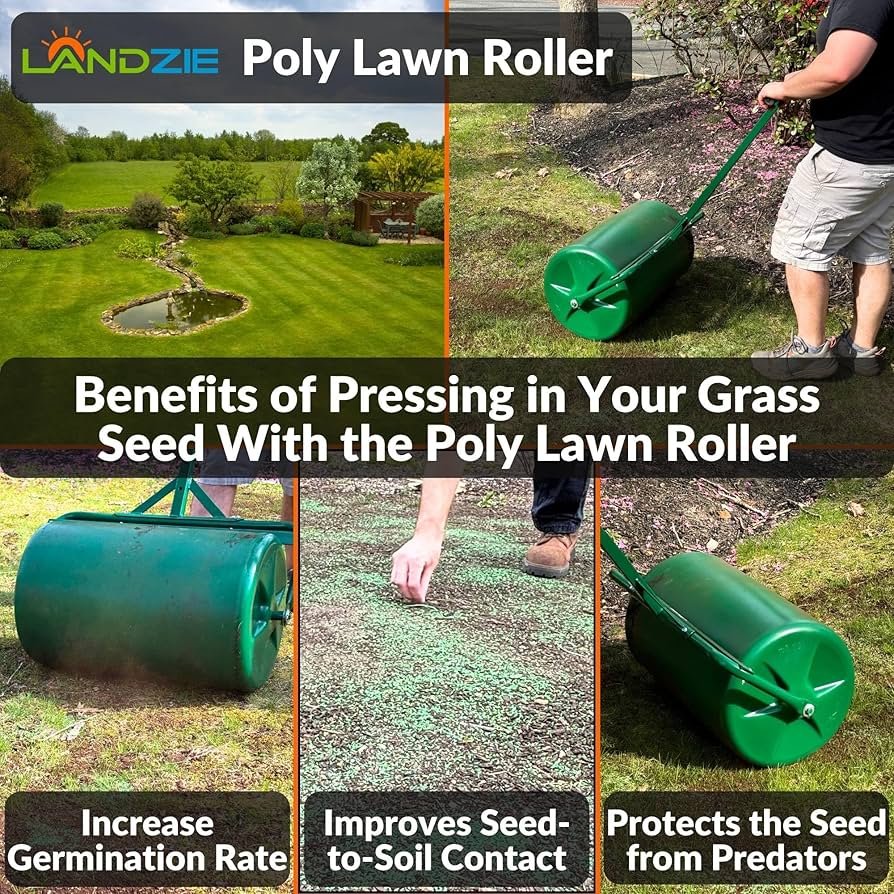
Are you struggling to get your new sod to settle properly? You might be wondering if using a lawn roller can make a real difference.
The secret to a lush, healthy lawn often starts with how well your sod connects to the soil beneath. If that contact isn’t right, your grass may fail to take root, leading to patchy growth and wasted effort. You’ll discover how a lawn roller could be the simple tool that improves sod contact, helping your lawn grow stronger and greener faster.
Keep reading to find out how to give your sod the best start possible.
Why Sod Contact Matters
Good sod contact with soil helps grass grow strong roots. It also keeps the sod healthy and green.
Using a lawn roller after laying sod can improve this contact. This makes sure the sod stays in place and receives enough moisture.
Impact On Root Growth
Roots grow better when sod touches the soil tightly. Loose sod can dry out roots and slow growth. Proper contact helps roots find water and nutrients quickly.
- Strong root contact supports faster grass establishment
- Tighter sod reduces air pockets that dry roots
- Roots can spread evenly under the sod
- Improved moisture absorption keeps roots healthy
Soil And Sod Integration
Good soil and sod integration creates a stable lawn surface. It prevents sod from shifting or drying out too soon.
| Benefit | Description |
| Reduced Air Gaps | Prevents drying and root damage |
| Better Water Flow | Allows even moisture distribution |
| Stable Sod | Stops sod from moving or lifting |
| Improved Nutrient Uptake | Roots access food more easily |
How Lawn Rollers Work
Lawn rollers help press sod firmly into the soil. This improves the contact between the roots and the ground.
Good contact helps the sod absorb water and nutrients. It also reduces air pockets under the sod.
Types Of Lawn Rollers
There are different lawn rollers to choose from. They vary by size, weight, and how you fill them.
- Water-filled rollers are light when empty and heavy when filled.
- Steel rollers are heavy and good for large areas.
- Plastic rollers are lighter and easier to move.
Some rollers have handles for pushing or pulling. Others attach to lawn tractors for easier use.
Mechanism Of Action
Lawn rollers press the sod down evenly. This removes air pockets between sod and soil.
Pressing the sod helps roots make close contact with soil particles. This allows better water and nutrient absorption.
- Compacts the soil surface gently
- Improves sod stability
- Reduces sod movement from wind or rain
- Helps new roots grow into the ground
Benefits Of Using A Lawn Roller On Sod
A lawn roller helps press new sod firmly into the soil. This improves how well the sod roots grow. Using a roller makes your lawn look smooth and healthy.
Rolling sod after laying it gives better contact between the grass and ground. This helps the grass start growing faster and stronger.
Enhanced Soil Contact
A lawn roller presses the sod down onto the soil. This helps the roots touch the ground better. Good contact means the grass can absorb nutrients easily.
Without rolling, sod may sit too loose on soil. This can delay root growth and cause patchy grass.
Improved Water Absorption
Rolling the sod helps water reach the roots faster. When the sod fits tightly to soil, water soaks in instead of running off. This helps keep the grass moist.
Good water absorption supports new grass growth. It also reduces the need to water often.
Reduced Air Pockets
Air pockets can form under sod if it is not rolled. These pockets block roots from reaching soil and water. Rolling removes these gaps.
Removing air pockets helps the sod settle evenly and grow strong roots. It also prevents dry spots in your lawn.
Even Surface Creation
A lawn roller smooths out bumps and uneven areas. This makes your lawn look neat and tidy. An even surface is easier to mow and maintain.
Rolling helps sod pieces stay level with each other. This prevents tripping hazards and bare spots.

Credit: brinly.com
When To Use A Lawn Roller
A lawn roller helps press sod firmly against the soil. It improves contact and encourages root growth. Using it at the right time can make your lawn healthier.
Knowing when to roll your lawn can save you time and effort. It also prevents damage to your new grass.
After Sod Installation
Rolling right after laying sod helps remove air pockets under the grass. This ensures the roots touch the soil well. It also prevents the sod from drying out too fast.
- Lay sod evenly on prepared soil.
- Roll the lawn gently with a lawn roller.
- Water the sod immediately after rolling.
- Avoid heavy rolling that can compact soil too much.
Seasonal Considerations
Season affects how and when to use a lawn roller. Rolling in the wrong season can harm grass roots or soil structure.
| Season | Rolling Advice |
| Spring | Good time to roll after sod installation. |
| Summer | Roll only if soil is moist, avoid dry soil. |
| Fall | Rolling can help settle sod before winter. |
| Winter | Do not roll; soil is often frozen or too wet. |
Potential Risks And How To Avoid Them
Using a lawn roller can help press sod into the soil. This can improve sod contact and root growth. But, there are risks if you roll too much or at the wrong time.
Understanding the risks helps you use a lawn roller safely. This guide covers over-compaction issues and how to pick the right roller weight and timing.
Over-compaction Issues
Rolling sod too hard or often can compact the soil too much. Over-compaction limits air, water, and nutrients from reaching grass roots. This can weaken or kill the sod.
- Soil becomes hard and dense
- Roots struggle to grow deep
- Water drains poorly, causing puddles
- Grass may turn yellow and thin
To avoid these problems, roll lightly and only once or twice. Check soil moisture. Roll when soil is damp but not wet or dry.
Proper Roller Weight And Timing
| Roller Weight | Recommended Use |
| Light (50-100 lbs) | New sod on soft, moist soil |
| Medium (100-200 lbs) | Established sod needing gentle press |
| Heavy (200+ lbs) | Not recommended for fresh sod |
Timing is key. Roll sod right after laying it. This helps roots touch soil. Avoid rolling during very dry or very wet conditions.
- Lay sod on prepared soil
- Roll immediately with light to medium weight
- Water sod lightly after rolling
- Do not roll again for at least one week

Credit: www.amazon.com
Tips For Effective Lawn Rolling
Lawn rolling helps press sod firmly to the soil. This improves root contact and growth.
Using the right techniques makes lawn rolling more effective and protects your grass.
Best Practices
Roll your lawn soon after laying sod for better soil contact. Do it while the soil is moist but not wet.
Use a lawn roller that is heavy enough to press the sod but light enough to avoid crushing roots.
- Roll in one direction first, then cross-roll at a right angle
- Do not over-roll; one or two passes are enough
- Avoid rolling on dry or very wet soil to prevent damage
- Water the lawn lightly after rolling to help sod settle
Maintenance Of Lawn Rollers
Clean your lawn roller after each use to remove dirt and grass. This stops rust and damage.
Check the roller for any dents or leaks. Fix small issues early to keep it working well.
- Empty water or sand from the roller before storing
- Store in a dry place to avoid rust
- Lubricate any moving parts regularly
- Inspect handles and wheels for wear and tear

Credit: www.amazon.com
Frequently Asked Questions
Can A Lawn Roller Improve Sod Contact With Soil?
Yes, a lawn roller helps press sod firmly against soil. This improves root-to-soil contact, promoting faster establishment and healthy growth.
When Should I Use A Lawn Roller On New Sod?
Use a lawn roller immediately after laying sod. Rolling ensures better soil contact and reduces air pockets under the sod.
Can Lawn Rollers Damage Newly Laid Sod?
If overused, lawn rollers can compact soil too much. Use light pressure to avoid damaging sod roots or suffocating grass growth.
How Often Should I Roll My Lawn After Sod Installation?
Roll your lawn once right after installation. Additional rolling is rarely needed and may harm soil structure if done repeatedly.
Conclusion
A lawn roller can help your sod settle properly. It ensures better soil contact. This leads to healthier, more even grass growth. Using a lawn roller is simple and effective. It saves time and effort in the long run. Remember to water your sod after rolling.
This helps roots grow deeply into the soil. For best results, choose the right roller weight. Always consider your lawn’s specific needs. Proper care and attention will reward you with a lush lawn. Enjoy the benefits of a well-maintained yard.
Happy gardening!

