
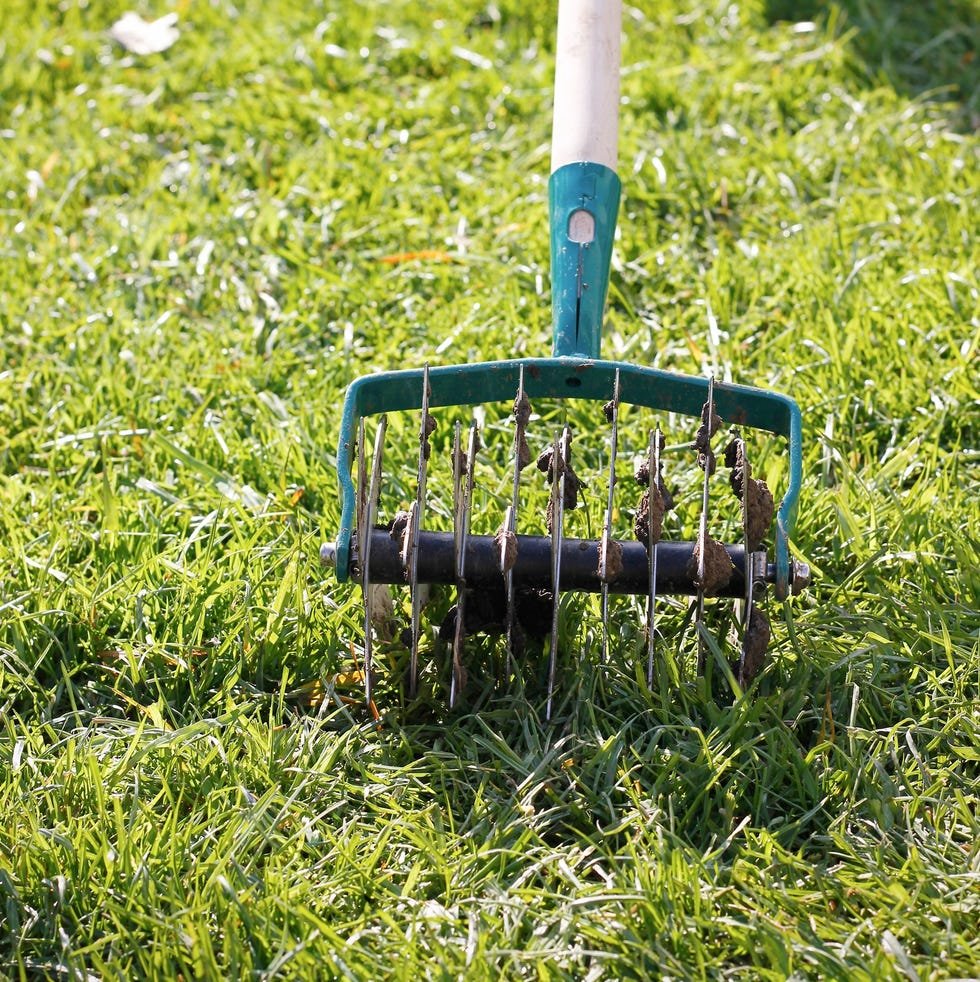
Imagine stepping onto your lawn and feeling the soft, lush grass beneath your feet. It’s a dream many homeowners share, but achieving that perfect lawn can seem like a mystery.
If you’ve been struggling with patchy grass, waterlogged areas, or a lawn that just doesn’t seem to thrive, you’re not alone. The secret might just lie in something called lawn aeration. But what exactly is the purpose of lawn aeration, and how can it transform your yard into the envy of the neighborhood?
We’ll unravel the mysteries of lawn aeration and show you how it could be the missing piece in your quest for a vibrant, healthy lawn. Get ready to discover the simple steps that can make a big difference in the look and health of your grass. Your dream lawn is closer than you think!
Benefits Of Lawn Aeration
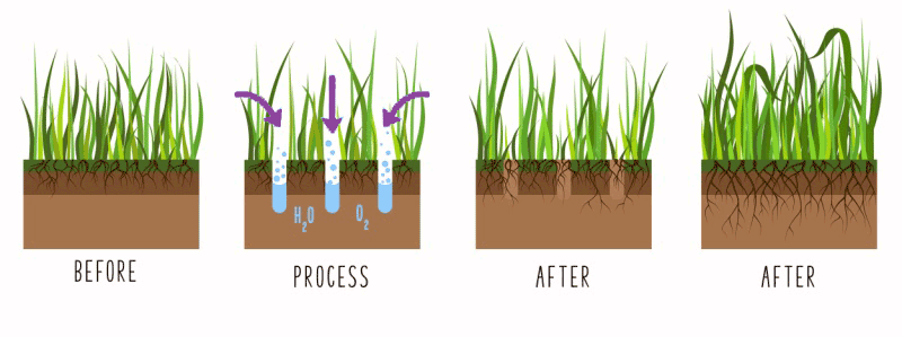
Lawn aeration helps keep your grass healthy and strong. It involves making small holes in the soil.
These holes let air, water, and nutrients reach grass roots. This process improves lawn growth and appearance.
Improved Soil Oxygen Levels
Aeration increases the amount of oxygen in the soil. Grass roots need oxygen to grow well.
Without enough oxygen, roots can weaken and grass may turn yellow or thin. Aeration keeps the soil healthy.
Enhanced Nutrient Absorption
Holes in the soil help nutrients reach the grass roots faster. This makes grass greener and stronger.
Fertilizers work better after aeration because nutrients can spread deeper into the soil.
Better Water Penetration
Aeration lets water soak into the soil more easily. This helps grass get enough moisture.
It also reduces water runoff and puddles on the lawn surface. Your lawn stays hydrated without wasting water.
Signs Your Lawn Needs Aeration
Lawn aeration helps your grass grow strong and healthy. It lets air, water, and nutrients reach the roots. Knowing when to aerate keeps your lawn green.
Look for signs that show your soil is too hard or your grass is struggling. These signs tell you when your lawn needs aeration.
Soil Compaction Symptoms
Soil compaction happens when the ground is too hard. Roots cannot grow well in compacted soil. This stops your lawn from getting enough air and water.
- Hard soil that is difficult to dig
- Thin or patchy grass areas
- Soil cracks or large clumps on the surface
Poor Grass Growth
When grass grows slowly or looks weak, your lawn may need aeration. Poor growth can happen because roots cannot spread well in tight soil.
| Symptom | What It Means |
| Thin grass coverage | Roots lack space to grow |
| Yellow or brown patches | Grass is stressed or dying |
| Weeds taking over | Grass is weak and losing space |
Water Pooling Issues
Water that stays on the lawn surface shows poor drainage. This often means the soil is compacted and water cannot soak in.
Signs of water pooling include:
- Large puddles after rain or watering
- Soft or muddy spots on the lawn
- Slow drying areas
Types Of Lawn Aeration
Lawn aeration helps grass grow strong and healthy. It opens up the soil to air, water, and nutrients.
There are different ways to aerate your lawn. Each type works best for certain lawn conditions.
Core Aeration
Core aeration removes small plugs of soil from the lawn. This helps reduce soil compaction and improves air flow.
- Uses hollow tines to pull out soil cores
- Best for thick, heavy soils
- Helps roots grow deeper
- Improves water and nutrient absorption
Spike Aeration
Spike aeration pokes holes in the soil using solid spikes. It does not remove soil but creates openings.
| Feature | Spike Aeration |
| Method | Solid spikes poke holes |
| Soil Disturbance | Does not remove soil |
| Best For | Light to moderate soil compaction |
| Effect | Improves air and water flow |
Liquid Aeration
Liquid aeration uses special solutions to break down hard soil. It helps loosen compacted soil without tools.
Common benefits of liquid aeration:
- Easy to apply with a sprayer
- Works well on small or delicate lawns
- Improves soil structure chemically
- Can be combined with fertilizing
Credit: www.ageas.co.uk
When To Aerate Your Lawn
Lawn aeration helps grass grow strong by letting air, water, and nutrients reach the roots. Knowing the right time to aerate keeps your lawn healthy and green.
Aerating at the right time makes the process easier and more effective. The best time depends on the season and the type of grass you have.
Best Seasons For Aeration
Spring and fall are usually the best seasons for lawn aeration. These seasons provide mild weather, which helps grass recover quickly.
Summer and winter are not ideal because grass grows slower or can be stressed by heat or cold.
- Spring: grass starts growing again after winter dormancy
- Fall: grass grows to repair summer damage
- Avoid summer and winter for aeration
Timing Based On Grass Type
Warm-season grasses and cool-season grasses have different growing times. Aerate when your grass is actively growing.
This helps the lawn heal faster and fill in the holes made by aeration.
- Warm-season grasses (like Bermuda, Zoysia): aerate in late spring or early summer
- Cool-season grasses (like Kentucky bluegrass, fescue): aerate in early fall or early spring
How To Aerate Your Lawn
Lawn aeration helps your grass grow better by letting air, water, and nutrients reach the roots. It also reduces soil compaction and makes your lawn healthier.
Knowing how to aerate your lawn properly can improve its look and strength. This guide will show you the tools and steps to aerate your lawn well.
Tools And Equipment Needed
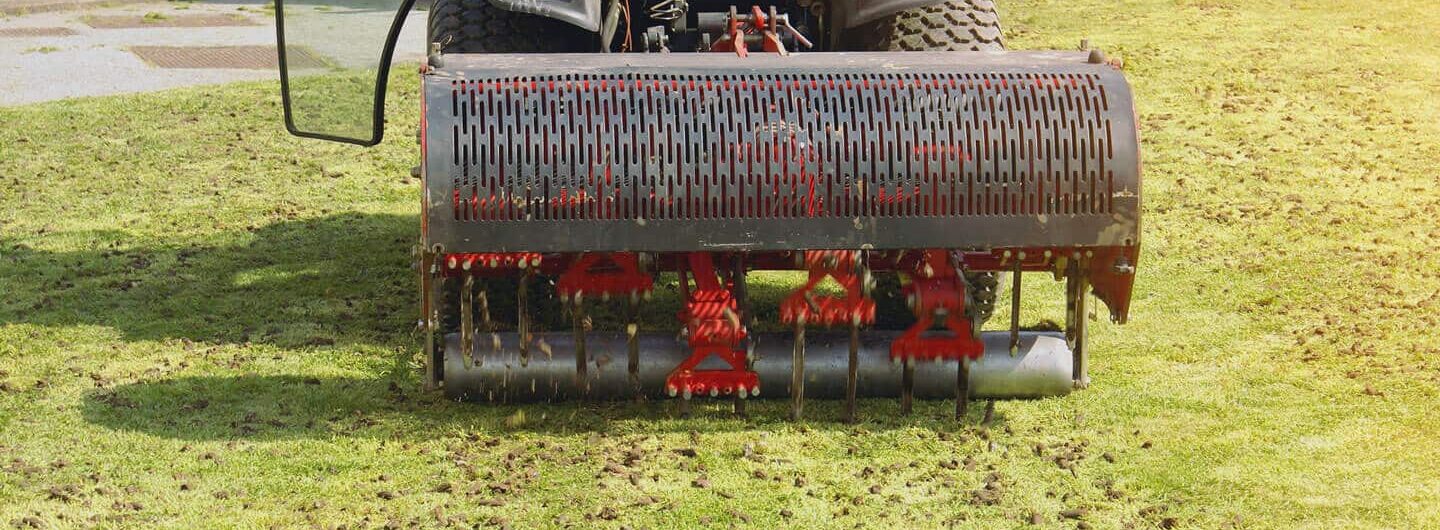
You need the right tools to aerate your lawn efficiently. Some tools work better for small yards, while others suit large areas.
- Lawn aerator (manual or machine)
- Garden gloves to protect your hands
- Rake to clear debris and thatch
- Water hose or sprinkler for watering
- Measuring tape to check aeration coverage
Step-by-step Aeration Process
Follow these steps to aerate your lawn safely and effectively. This process helps soil breathe and improves grass growth.
- Water your lawn a day before aeration to soften the soil.
- Clear the lawn of sticks, rocks, and debris with a rake.
- Use the lawn aerator to make holes across the entire lawn.
- Make sure to cover all areas for even aeration.
- Remove plugs of soil if your aerator leaves them on the surface.
Post-aeration Care Tips
After aerating, care for your lawn to help it recover and grow stronger. Good care helps the soil and grass use air and nutrients well.
- Water your lawn deeply to help roots absorb moisture.
- Apply fertilizer to provide nutrients for growth.
- Avoid heavy foot traffic on the lawn for a few days.
- Leave soil plugs to break down naturally and return nutrients.
- Mow your lawn carefully, avoiding cutting too short.
Credit: hillsidelawn.com
Common Mistakes To Avoid
Lawn aeration helps grass grow strong by letting air, water, and nutrients reach the roots. Many people make mistakes that reduce its benefits. Avoiding these errors keeps your lawn healthy.
Read about common mistakes to avoid when aerating your lawn. This will help you get the best results.
Aerating During Dormant Periods
Aerating when your grass is dormant can harm it. The roots are not growing and cannot heal well. This can stress the lawn and cause damage.
It is best to aerate during active growth times. This lets the grass recover quickly and use the benefits of aeration.
Over-aerating The Lawn
Too much aeration can harm your lawn. It can disturb the roots and damage the soil structure. This slows grass growth instead of helping it.
Stick to recommended aeration frequency. Usually, one or two times per year is enough for most lawns.
- Do not aerate more than twice a year
- Avoid making too many holes too close together
- Check the soil condition before aerating again
Ignoring Soil Testing
Not testing your soil can lead to wrong aeration choices. Soil tests show if your soil is compacted or has nutrient problems. This information helps plan the best aeration.
Soil testing guides you to fix problems before aerating. This improves the health and growth of your lawn.
Credit: naturesseed.com
Frequently Asked Questions
What Is Lawn Aeration And Why Is It Important?
Lawn aeration involves perforating soil with small holes. It improves root growth by enhancing air, water, and nutrient penetration. This process reduces soil compaction and promotes a healthier, greener lawn.
How Often Should I Aerate My Lawn?
Aerate your lawn once a year, ideally in spring or fall. This timing supports grass recovery and maximizes nutrient absorption. Lawns with heavy foot traffic may benefit from more frequent aeration.
Can Lawn Aeration Help With Soil Compaction?
Yes, lawn aeration effectively reduces soil compaction. It loosens the soil, allowing roots to grow deeply. This improves water drainage and nutrient uptake, enhancing overall lawn health.
Does Aeration Improve Lawn Water Absorption?
Aeration boosts water absorption by creating small holes in the soil. These holes allow water to reach grass roots directly. This reduces runoff and helps maintain consistent soil moisture.
Conclusion
Lawn aeration helps soil breathe and water reach roots. It reduces soil compaction and improves grass growth. Healthy lawns resist weeds and dry patches better. Regular aeration keeps your yard green and strong. Simple care makes a big difference over time.
Try aerating to give your lawn a fresh start. Your grass will thank you with a lush, vibrant look. Small steps lead to a beautiful, healthy lawn.

