
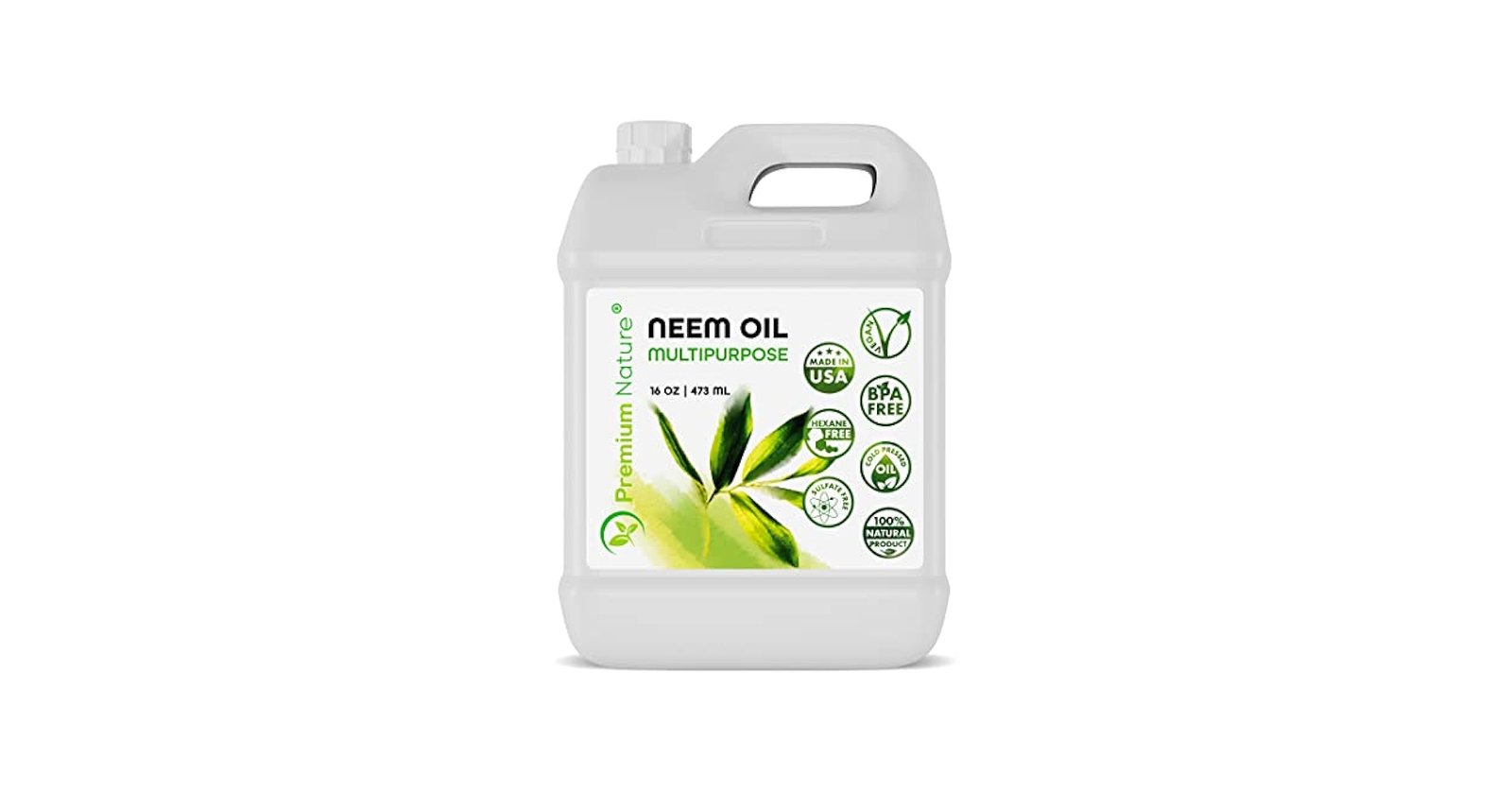
Have you ever wondered if you can put neem oil in a handheld sprayer? If you’re looking to keep your plants healthy and free from pests, you might be considering this natural option.
But before you dive in, it’s crucial to know if your equipment can handle it. Imagine the satisfaction of seeing your garden thriving, all thanks to the right techniques and tools. We’ll uncover the secrets to using neem oil effectively in a handheld sprayer, ensuring you make the most out of every drop.
Stick around to discover how you can enhance your gardening routine with this powerful, all-natural solution.

Credit: www.amazon.in
Neem Oil Basics
Neem oil is a natural product used in gardening. It comes from the seeds of the neem tree.
Gardeners use neem oil to help protect plants from pests and diseases safely.
What Is Neem Oil?
Neem oil is a thick, dark oil pressed from neem tree seeds. It has a strong smell.
The oil contains natural compounds that fight insects and fungi. It works without harming plants.
- Extracted by cold-pressing neem seeds
- Used as a natural pesticide and fungicide
- Safe for many beneficial insects
- Biodegradable and eco-friendly
Common Uses In Gardening
Gardeners mix neem oil with water and spray it on plants. This helps control pests and diseases.
| Use | Details |
| Insect Control | Kills or repels aphids, mites, and whiteflies |
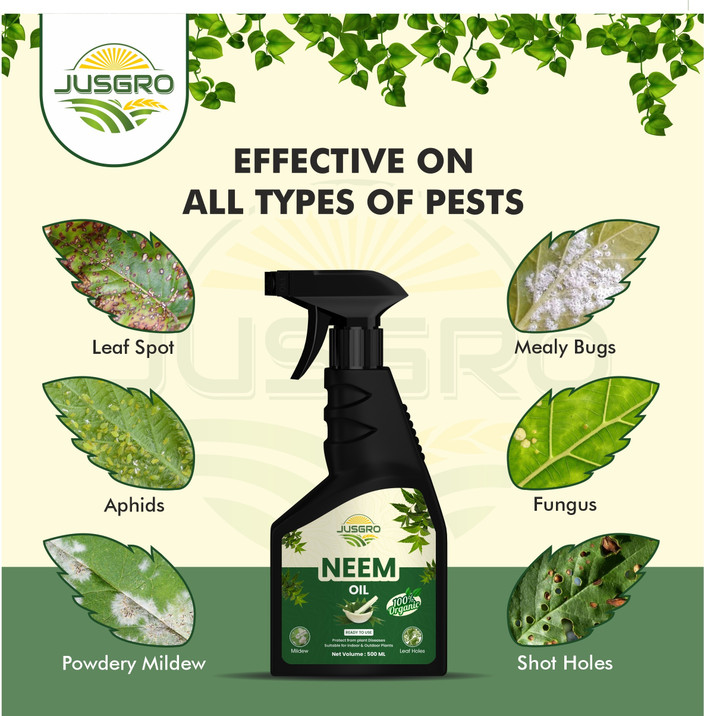
| Fungus Treatment | Prevents powdery mildew and black spot |
| Plant Growth | Improves overall plant health and resistance |
Credit: www.flipkart.com
Choosing The Right Sprayer
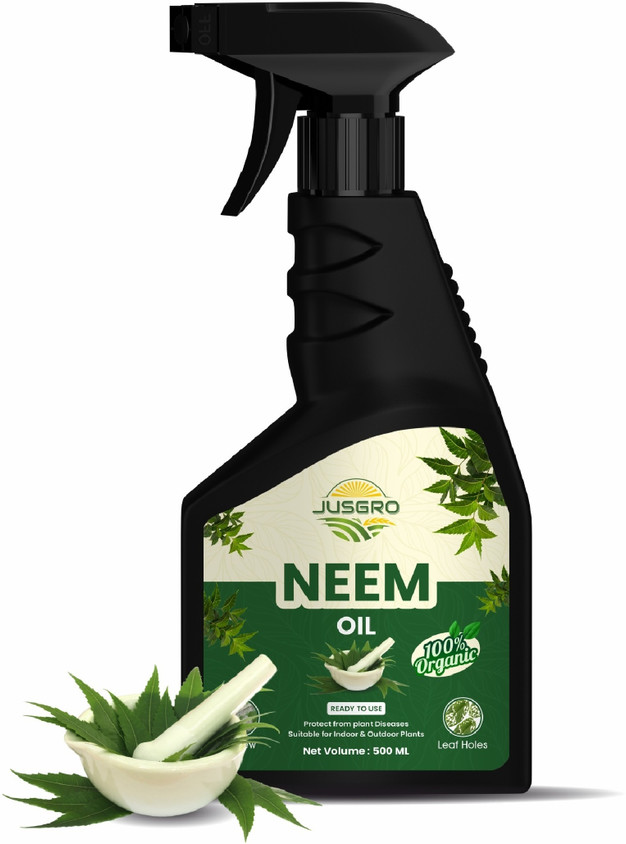
Using neem oil in a handheld sprayer requires picking the right type. The sprayer must hold the oil safely without damage. This guide helps you find the best sprayer for neem oil.
Consider the sprayer’s material and style before mixing neem oil. Proper choice keeps the spray effective and safe for your plants.
Types Of Handheld Sprayers
Handheld sprayers come in several designs. Each suits different garden tasks and liquids. Choose a type that works well with neem oil.
- Pump Sprayers:These have a pump handle to build pressure. They spray evenly and are easy to control.
- Trigger Sprayers:Common for small jobs. They release liquid by squeezing a trigger.
- Battery-Powered Sprayers:These use a motor to spray. They are good for larger areas but cost more.
Material Compatibility With Neem Oil
Neem oil can react with some sprayer materials. Choosing the right sprayer material prevents leaks and clogs.
| Material | Compatibility | Notes |
| Plastic (HDPE or LDPE) | Good | Resists neem oil well, common choice |
| Glass | Excellent | Non-reactive but fragile |
| Metal (Steel or Iron) | Poor | May corrode or react with oil |
| Rubber Seals | Check Type | Some rubbers degrade with neem oil |
Preparing Neem Oil Solution
Neem oil is a natural pesticide and fungicide for plants. It works best when diluted properly before use. Mixing the solution carefully helps protect your plants and sprayer.
Using a handheld sprayer with neem oil is easy if you prepare the solution correctly. This guide explains the right dilution and mixing tips for good results.
Dilution Ratios
Neem oil must be diluted to avoid harming plants or clogging your sprayer. The usual ratio is 1 to 2 tablespoons of neem oil per gallon of water. You also need a mild liquid soap as an emulsifier.
| Neem Oil Amount | Water Amount | Liquid Soap |
|---|---|---|
| 1 tablespoon | 1 gallon | 1 teaspoon |
| 2 tablespoons | 1 gallon | 1 teaspoon |
| 1 teaspoon | 1 quart | 1/4 teaspoon |
Mixing Tips For Effectiveness
- Mix neem oil and soap first in a small container.
- Stir the mix until it forms a smooth blend.
- Add water slowly while stirring continuously.
- Use the solution soon after mixing to keep it fresh.
- Shake the sprayer gently before each use.
Following these steps helps the neem oil blend well with water. It also prevents clogging and improves coverage on plant leaves.
Using Neem Oil In Sprayers
Neem oil is a natural pesticide and fungicide used in gardening. Many gardeners want to know if they can use neem oil in handheld sprayers. The answer is yes, but you must prepare it properly.
Using neem oil in sprayers helps protect plants from pests and diseases. It is important to follow the right steps to avoid problems with the sprayer and get good results.
Filling The Sprayer
Always start with a clean sprayer before adding neem oil. Mix the neem oil with water according to the instructions on the bottle. Use a small amount of mild liquid soap to help the oil mix well with water.
Pour the mixture into the sprayer slowly. Do not fill the sprayer more than three-quarters full to leave room for shaking. Shake the sprayer well to mix the solution before use.
- Clean sprayer to avoid contamination
- Mix neem oil, water, and mild soap
- Fill sprayer up to 75% full
- Shake well before spraying
Spraying Techniques
Spray neem oil solution during early morning or late evening. Avoid spraying in direct sunlight to prevent leaf burn. Cover both tops and bottoms of leaves for best protection.
Spray evenly and avoid heavy drips. Repeat spraying every 7 to 14 days depending on pest problems. Always test spray on a small area first to check for plant sensitivity.
- Spray in cool, shaded times
- Cover all leaf surfaces
- Spray evenly without drips
- Repeat every 7–14 days
- Test on a small area first
Avoiding Clogs And Damage
Neem oil can clog sprayer nozzles if not mixed well. Always strain the mixture through a fine cloth before filling the sprayer. Clean the sprayer thoroughly after each use with warm water and soap.
Do not leave neem oil solution in the sprayer for long periods. Store the sprayer in a cool place. Regular cleaning prevents damage and keeps the sprayer working properly.
- Strain mixture before filling
- Clean sprayer after each use
- Do not store solution in sprayer
- Keep sprayer in cool place
- Regular cleaning prevents damage
Maintenance After Spraying
Using neem oil in a handheld sprayer is common for garden care. Proper maintenance after spraying keeps the sprayer working well.
Cleaning and storing the sprayer correctly helps prevent damage and clogs.
Cleaning The Sprayer
After spraying neem oil, rinse the sprayer with warm water. This removes leftover oil and stops build-up.
Use mild soap if needed, then spray clean water through the nozzle. This cleans inside parts well.
- Empty any remaining neem oil from the tank
- Fill the tank with warm soapy water
- Shake and spray to clear the nozzle
- Rinse thoroughly with clean water
- Wipe the outside with a damp cloth
Storage Recommendations
Store the sprayer in a cool, dry place after cleaning. Avoid direct sunlight to protect the parts.
Keep the sprayer upright and with the lid off. This stops moisture and odors inside the tank.
- Make sure the sprayer is dry before storing
- Keep it away from heat sources
- Store indoors to avoid weather damage
- Check the sprayer before next use for any clogs
Credit: www.flipkart.com
Safety Precautions
Using neem oil in a handheld sprayer can be effective for pest control. It is important to follow safety precautions to protect yourself and others.
Always handle neem oil carefully and store it properly to avoid accidents and maintain its quality.
Protective Gear
Wear protective gear to reduce skin and eye contact with neem oil. Neem oil may cause irritation if it touches your skin or eyes.
- Wear long-sleeved shirts and long pants to cover your skin.
- Use chemical-resistant gloves to protect your hands.
- Wear safety goggles to shield your eyes.
- Use a mask to avoid inhaling mist from the sprayer.
Handling And Storage
Proper handling and storage keep neem oil safe and effective. Follow these guidelines to avoid spills and accidents.
| Handling Tips | Storage Tips |
| Mix neem oil in a well-ventilated area | Store in a cool, dry place away from sunlight |
| Keep neem oil away from children and pets | Keep container tightly closed when not in use |
| Clean sprayer after each use to prevent clogging | Avoid freezing temperatures to maintain oil quality |
Troubleshooting Common Issues
Using neem oil in a handheld sprayer is a common way to protect plants. Sometimes, problems happen during spraying. This guide helps you fix common troubles.
Check the sprayer and neem oil mix to get the best results. Fixing small issues saves time and keeps your plants healthy.
Sprayer Malfunctions
Sprayers may stop working or spray unevenly. This can happen if parts are clogged or broken. Clean the nozzle and filter to help flow. Check the hose for cracks or leaks.
- Clogged nozzle: Remove and soak in warm water to clear blockages.
- Leaking hose: Replace if cracks or holes appear.
- Pressure issues: Pump the handle fully to build pressure before spraying.
- Spray pattern uneven: Adjust the nozzle tip or clean it thoroughly.
Effectiveness Concerns
Neem oil may not work well if mixed wrongly or sprayed at the wrong time. Use fresh neem oil and mix with water as the label says. Avoid spraying in strong sun or wind.
| Problem | Cause | Solution |
| Oil not sticking | Spraying in heat or wind | Spray early morning or late evening |
| Plants look damaged | Too strong neem oil mix | Use diluted mix as directed |
| No pest control | Old or expired oil | Use fresh neem oil |
| Leaves stay wet too long | Over-application | Spray lightly and evenly |
Expert Tips For Best Results
You can put neem oil in a handheld sprayer for easy application. It helps control pests and diseases on your plants.
Using neem oil correctly ensures the best results and protects your plants safely.
Timing And Frequency
Spray neem oil in the early morning or late evening. This avoids strong sunlight that can harm plants.
Use neem oil every 7 to 14 days to keep pests away. Repeat after rain or heavy watering.
- Avoid spraying during hottest hours of the day
- Apply more often if pest problems are severe
- Stop spraying once pests disappear to protect beneficial insects
Combining With Other Treatments
Neem oil works well with many natural pest controls but avoid mixing it with harsh chemicals. These can reduce its effectiveness.
Test any new combination on a small plant area first. Watch for signs of damage before full use.
- Do not mix neem oil with copper or sulfur sprays
- Use neem oil with insecticidal soaps for better pest control
- Apply neem oil separately from other treatments to avoid plant stress
Frequently Asked Questions
Can Neem Oil Be Used In Handheld Sprayers Safely?
Yes, neem oil can be safely used in handheld sprayers. Always dilute it with water and a mild emulsifier before spraying. This prevents clogging and ensures even distribution on plants. Proper cleaning of the sprayer after use is essential to maintain its functionality.
What Is The Correct Neem Oil To Water Ratio?
The ideal neem oil to water ratio is typically 1 to 2 teaspoons per quart of water. Adding a few drops of mild liquid soap helps mix the oil evenly. Always check product instructions for specific dilution guidelines to avoid plant damage.
Can Neem Oil Damage Handheld Sprayer Parts?
Neem oil is generally safe for sprayers if diluted properly. Undiluted oil or thick mixtures can clog nozzles and damage seals. Regular cleaning after each use prevents residue buildup and prolongs sprayer life.
How Often Should Neem Oil Be Sprayed Using Handheld Sprayer?
Spray neem oil every 7 to 14 days for effective pest control. Avoid spraying during peak sunlight to prevent leaf burn. Regular application helps maintain plant health and pest resistance.
Conclusion
Neem oil works well in handheld sprayers for garden care. It mixes easily with water and sprays evenly. Always shake the sprayer before use to avoid clogging. Use the right amount to protect plants without harming them. Regular spraying helps control pests naturally and keeps plants healthy.
Handheld sprayers are simple to handle and reach small areas. Neem oil offers a safe, natural option for plant protection. Try it yourself and see the difference it makes. Simple, effective, and easy to use.

