
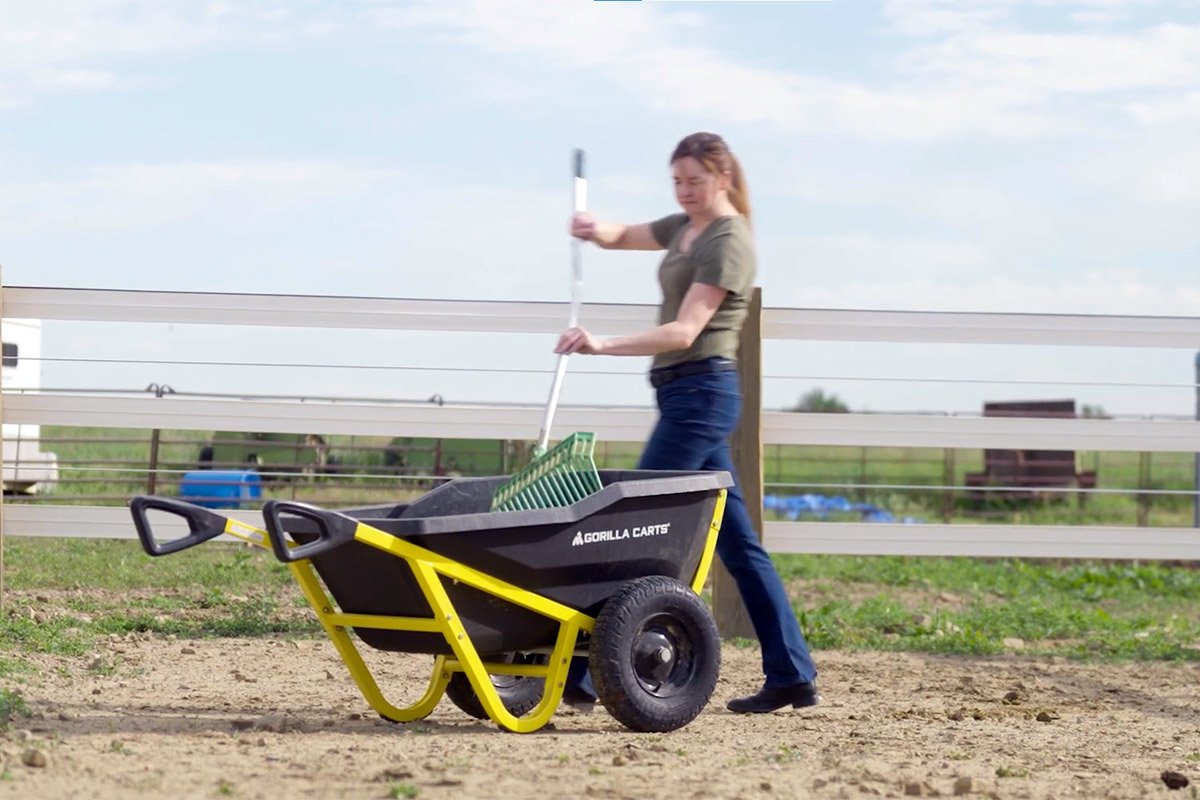
Have you ever found yourself wrestling with a wheelbarrow, struggling to maneuver it smoothly across your garden or construction site? You’re not alone.
Many people underestimate the art of pulling a wheelbarrow, only to find themselves frustrated or, worse, injured. But worry not! In this guide, you’ll discover simple, effective techniques to make your wheelbarrow work feel like a breeze. Imagine effortlessly transporting heavy loads without the strain or hassle.
By the end of this article, you’ll be equipped with tips that will transform your wheelbarrow experience, making it both safer and more efficient. Ready to turn those struggles into smooth operations? Let’s get started!
Credit: www.abc.net.au
Choosing The Right Wheelbarrow
Picking the right wheelbarrow makes work easier and faster. It helps you carry heavy loads without strain.
Understanding different types and features lets you choose the best tool for your tasks.
Types Of Wheelbarrows
There are several types of wheelbarrows designed for different jobs. Choosing the right type saves effort and time.
- Standard wheelbarrows with one wheel for easy turning
- Two-wheel wheelbarrows offer more balance and stability
- Flat-free wheelbarrows use solid tires that never go flat
- Electric wheelbarrows help carry heavy loads with less effort
Material And Durability
Wheelbarrow materials affect how long they last and how much weight they carry. Strong materials resist rust and damage.
Steel is tough but heavy. Plastic is light but less strong. Wood looks nice but needs care to avoid rotting.
- Steel: durable and strong, ideal for heavy work
- Plastic: rust-proof and lightweight, good for light tasks
- Wood: traditional look, requires maintenance
Weight Capacity
Weight capacity tells how much load a wheelbarrow can carry safely. Choose one that fits your work needs.
Heavy-duty wheelbarrows hold more weight but may be harder to push. Light-duty models are easier to handle but hold less.
- Light capacity: under 100 pounds, for gardening and small jobs
- Medium capacity: 100 to 200 pounds, good for general use
- Heavy capacity: over 200 pounds, for construction and heavy loads
Preparing For Safe Handling
Pulling a wheelbarrow safely starts with proper preparation. Taking time to get ready helps avoid injuries and makes the job easier.
This guide covers key steps to prepare your wheelbarrow and yourself before moving loads.
Inspecting The Wheelbarrow
Check the wheelbarrow to ensure it is in good condition. Look for damage or wear that could cause problems.
- Examine the tire for proper inflation and damage
- Check handles for cracks or splinters
- Make sure the wheel spins smoothly without wobbling
- Look for loose bolts or parts and tighten them
- Ensure the tray is clean and free of rust or holes
Wearing Proper Gear
Wear the right clothing and protective gear before pulling the wheelbarrow. This helps keep you safe and comfortable.
| Gear | Purpose |
| Gloves | Protect hands from blisters and splinters |
| Sturdy shoes | Provide good grip and support |
| Long pants | Prevent scrapes and scratches |
| Sun hat | Protects from sun exposure |
Clearing The Path
Make sure the path you will pull the wheelbarrow along is safe and clear. This reduces the risk of trips and falls.
- Remove stones, sticks, and debris
- Check for uneven ground or holes
- Clear low branches or obstacles
- Plan the shortest and safest route
Correct Lifting Techniques
Pulling a wheelbarrow the right way helps prevent injuries. Using good lifting techniques protects your back and muscles.
Learn how to position your hands, use your legs, and balance the load. These tips make pulling easier and safer.
Positioning Your Hands
Place your hands firmly on the wheelbarrow handles. Keep your grip strong and steady to control the load.
Hold the handles close to your body. This reduces strain on your arms and helps maintain balance.
Using Your Legs, Not Back
Bend your knees and keep your back straight when lifting. Use your leg muscles to lift, not your back.
Push through your heels as you stand up. This method lowers the chance of hurting your lower back.
- Bend knees before lifting
- Keep back straight
- Use leg strength to lift
- Push through heels
Balancing The Load
Place the load evenly in the wheelbarrow. Balanced weight makes pulling easier and safer.
Check that the load is not too heavy. Adjust it if the wheelbarrow tips forward or backward.
- Center the load over the wheel
- Distribute weight evenly
- Avoid overloading
- Shift load if wheelbarrow tilts
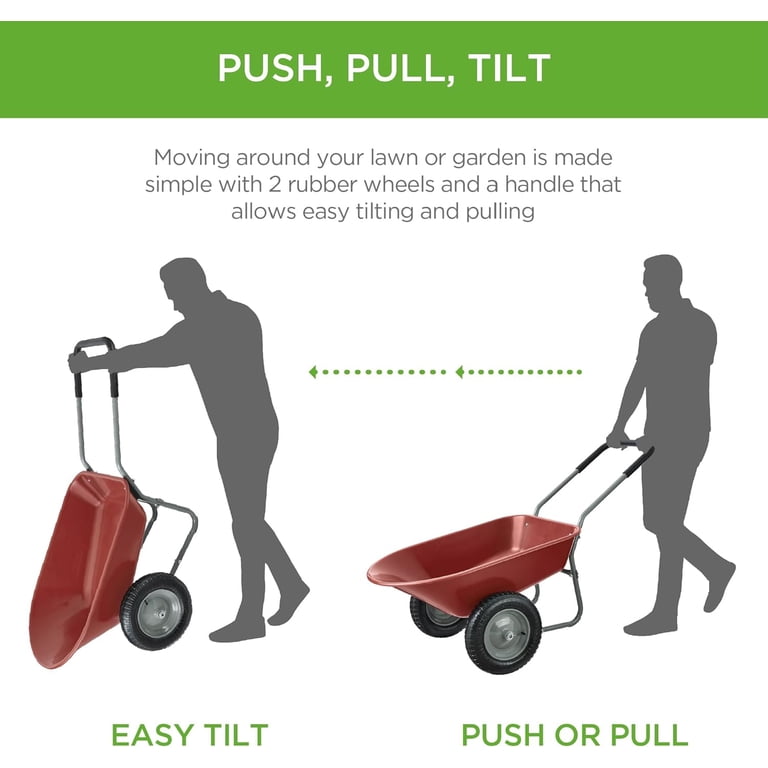
Credit: www.walmart.com
Tips For Smooth Pulling
Pulling a wheelbarrow can be easier with the right techniques. Smooth pulling reduces strain and helps you work faster.
Use these tips to keep control and avoid accidents while moving loads.
Maintaining Steady Pace
Keep a steady pace to avoid sudden stops or jerks. This helps balance the load and saves energy.
Try to walk at a rhythm that feels comfortable and natural for you.
Adjusting For Terrain
Change your pulling style based on the ground surface. Rough or uneven terrain needs slower and careful pulling.
On smooth paths, you can pull faster but stay alert to avoid slipping or tipping.
- Slow down on hills and slopes
- Lift the wheelbarrow slightly on obstacles
- Keep the wheel straight on loose soil
Using Both Hands Effectively
Hold the handles with both hands firmly to control the wheelbarrow well. This reduces wrist strain.
Use your arms and shoulders to guide, not just your hands. This helps keep balance and direction.
Handling Heavy Or Uneven Loads
Pulling a wheelbarrow with heavy or uneven loads needs care. You must use proper methods to stay safe and avoid injury.
Good handling helps keep balance and control. It also makes moving materials easier and faster.
Distributing Weight Evenly
Place heavy items at the bottom of the wheelbarrow. Spread the weight so both sides carry the same load.
- Keep the heaviest part near the wheel for better balance
- Arrange loose items tightly to prevent shifting
- Check that the load does not lean more to one side
- Use smaller loads if the wheelbarrow feels hard to control
Securing Loose Materials
Loose materials can fall out or cause accidents. Tie or cover them before moving.
| Material | Best Way to Secure |
|---|---|
| Loose soil or sand | Use a tarp or plastic sheet |
| Branches or sticks | Bundle with rope or straps |
| Gravel or small rocks | Place in a bag or container |
Taking Breaks To Avoid Strain
Pulling a heavy wheelbarrow can tire your muscles. Stop often to rest and stretch.
- Stop every 10 to 15 minutes
- Set the wheelbarrow on flat ground
- Stretch your arms, back, and legs gently
- Drink water to stay hydrated

Credit: www.amazon.co.uk
Wheelbarrow Maintenance Tips
Taking care of your wheelbarrow helps it last longer. Regular maintenance makes pulling easier and safer.
Simple checks and care keep the wheelbarrow working well. Learn how to maintain it below.
Checking Tire Pressure
Check the tire pressure before each use. Proper pressure makes pulling smoother and reduces wear.
Use a tire gauge to measure pressure. Inflate the tire to the level shown on the tire sidewall.
- Low pressure makes pulling hard and uneven
- High pressure can cause tire damage
- Check pressure at least once a month
Lubricating Moving Parts
Lubricate the wheel and axle to keep them moving smoothly. This reduces friction and wear.
Apply grease or oil to the axle and wheel bearings. Wipe off any extra lubricant to avoid dirt build-up.
- Lubricate every few weeks during heavy use
- Use a grease gun or oil can for best results
- Keep parts clean before applying lubricant
Storing Properly After Use
Store your wheelbarrow in a dry place after use. This prevents rust and damage from weather.
Keep the wheelbarrow off the ground if possible. Cover it with a tarp to protect it from dirt and rain.
- Store indoors or in a shed
- Keep tire inflated during storage
- Clean the wheelbarrow before storing
Frequently Asked Questions
How Do You Safely Pull A Wheelbarrow?
To pull a wheelbarrow safely, keep your back straight and bend your knees. Hold the handles firmly and maintain a steady pace. Avoid overloading the wheelbarrow to prevent tipping. Always watch your path for obstacles to reduce the risk of accidents.
What Is The Best Technique To Pull A Wheelbarrow?
The best technique involves gripping the handles firmly and walking backward slowly. Keep your arms straight and use your legs to pull. Distribute weight evenly to maintain balance. This method reduces strain on your back and improves control.
Can Pulling A Wheelbarrow Cause Injury?
Yes, improper pulling can cause strain or injury. Avoid twisting your back or lifting heavy loads alone. Use proper posture and take breaks if needed. Always lift with your legs, not your back, to minimize injury risks.
How Much Weight Can You Safely Pull In A Wheelbarrow?
Most wheelbarrows handle between 100 to 150 pounds safely. Avoid exceeding the manufacturer’s weight limit. Overloading increases risk of tipping and injury. Distribute the load evenly to maintain balance and control.
Conclusion
Pulling a wheelbarrow takes practice and care. Start slow and keep your back straight. Use your legs, not just your arms. Balance the load to avoid tipping. Take breaks if you feel tired. With time, it will feel easier. Stay safe and keep your path clear.
This simple skill helps in many tasks. Try these tips next time you work outside. You will get better day by day.

