
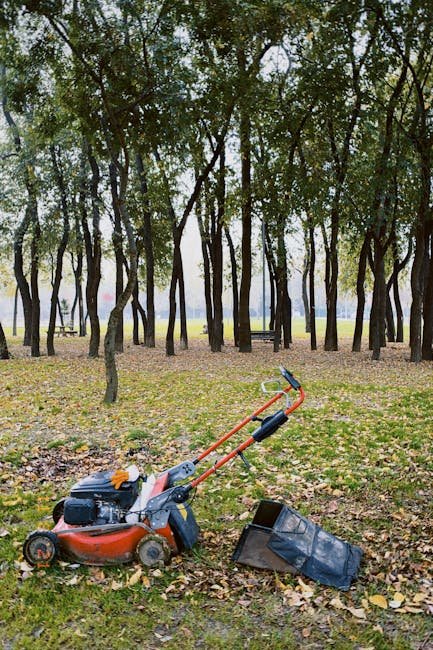
Are you tired of raking leaves every autumn? Does your backyard seem more like a sea of leaves than a grassy haven?
You’re not alone. Many homeowners face this leafy dilemma every year. But there’s good news! You have options to make this chore easier and even beneficial for your lawn. Enter the battle of “Leaf Vacuum Vs Mulching Mower”. Each tool offers unique advantages, but which one is right for your yard?
Understanding the differences can save you time and effort, and may even enhance the health of your lawn. Stick around to discover which tool will transform your yard work into a breeze. You’re about to learn how to keep your lawn looking pristine with less hassle.

Credit: www.familyhandyman.com
Leaf Vacuum Basics
Leaf vacuums help clean leaves from your yard quickly. They work like a vacuum cleaner for outdoor spaces.
Using a leaf vacuum makes yard work easier. It collects leaves and small debris into a bag or container.
How Leaf Vacuums Work
Leaf vacuums use a strong fan to suck in leaves. The leaves move through a tube into a collection bag.
Some leaf vacuums also mulch the leaves. Mulching breaks leaves into small pieces, saving space in the bag.
- Leaves are sucked into the vacuum tube
- Leaves move through the machine’s fan system
- Leaves collect in a bag or container
- Some models shred leaves to reduce volume
Types Of Leaf Vacuums
Leaf vacuums come in different forms. Choose one that fits your yard size and needs.
Common types include handheld, backpack, and wheeled models. Each has its own advantages.
- Handheld:Light and easy for small jobs
- Backpack:Worn on the back for mobility
- Wheeled:Larger, good for big yards
Key Features To Consider
Look for features that make the vacuum easy and effective to use. These can improve your cleaning experience.
- Suction power:Strong suction picks up more leaves
- Bag size:Larger bags hold more leaves before emptying
- Weight:Lighter models reduce user fatigue
- Mulching ability:Shreds leaves to save space
- Noise level:Quieter machines are better for neighborhoods
Mulching Mower Essentials
Mulching mowers help cut grass into tiny pieces. These small pieces fall back to the lawn. This process adds nutrients to the soil.
Many people compare mulching mowers with leaf vacuums. Both help keep yards clean but work in different ways.
Mulching Mechanism Explained
A mulching mower uses special blades to cut grass multiple times. This creates very small clippings. The clippings stay on the lawn instead of being bagged.
The mower has a closed deck design. It keeps clippings inside to cut them finely. This helps the lawn absorb nutrients from the grass pieces.
Different Mulching Mower Styles
Mulching mowers come in many styles. They include push mowers, self-propelled mowers, and riding mowers. Each style fits different lawn sizes and user needs.
- Push mowers are best for small yards and easy to use.
- Self-propelled mowers help with medium lawns by moving forward on their own.
- Riding mowers are good for large lawns and reduce effort.
Important Features To Know
Some features make mulching mowers easier and more effective. Look for sharp blades and a powerful motor. These improve cutting quality.
- Sharp blades cut grass finely for better mulching.
- Strong motors handle thick or tall grass easily.
- Adjustable cutting height helps match different grass types.
- Easy blade removal allows quick cleaning and maintenance.
- Grass catcher option lets you collect clippings when needed.
Yard Cleanup Efficiency
Cleaning your yard fast and well depends on the right tools. Leaf vacuums and mulching mowers work differently. Each tool handles leaves, grass, and debris in its own way.
Knowing how each tool performs helps you pick the best one for your yard cleanup. This guide looks at their strength in three areas.
Performance On Leaves
Leaf vacuums pick up leaves quickly and store them inside. They work best on dry leaves and flat surfaces. Mulching mowers cut leaves into small pieces as they mow.
- Leaf vacuums: fast leaf pickup and collection
- Mulching mowers: shred leaves while cutting grass
- Vacuum works well on large piles of leaves
- Mulchers spread leaf pieces back on lawn
Handling Grass Clippings
Mulching mowers excel at cutting and recycling grass clippings. Leaf vacuums can suck up grass, but they are not made for this task.
| Tool | Grass Clipping Handling |
| Leaf Vacuum | Can pick up clippings but clogs easily |
| Mulching Mower | Chops and returns clippings to lawn |
Dealing With Debris
Both tools manage yard debris differently. Leaf vacuums collect debris in a bag. Mulching mowers mulch small debris and leave it on the ground.
- Leaf Vacuum: collects leaves, small twigs, and debris in a container
- Mulching Mower: chops debris into small pieces to fertilize soil
- Leaf Vacuum: needs frequent emptying of the bag
- Mulching Mower: debris breaks down naturally on the lawn
Ease Of Use And Maintenance
Choosing between a leaf vacuum and a mulching mower depends on how easy they are to use and maintain. Both tools help manage yard waste but differ in setup and upkeep.
This guide compares their ease of use and maintenance to help you decide which fits your needs better.
Setup And Operation
Leaf vacuums usually need assembly of the hose and collection bag before use. They are lightweight and easy to carry. Mulching mowers look like regular mowers but have special blades to cut leaves finely.
- Leaf vacuums start quickly with simple controls.
- Mulching mowers require adjusting blade height for best results.
- Both tools need some practice to operate safely.
Cleaning And Storage
Cleaning leaf vacuums involves emptying the bag and wiping the hose. Mulching mowers need blade cleaning to avoid clogs.
| Tool | Cleaning Method | Storage Tips |
| Leaf Vacuum | Empty bag, clean hose | Store indoors, dry area |
| Mulching Mower | Clean blades, remove debris | Keep in garage, cover to protect |
Maintenance Tips
Regular care keeps both tools working well. Check parts often and fix small problems early.
- Sharpen mower blades every season.
- Inspect leaf vacuum hose for cracks.
- Lubricate moving parts to prevent rust.
- Replace worn collection bags or filters.
- Store tools in a dry place after cleaning.
Environmental Impact
Leaf vacuums and mulching mowers help manage yard waste in different ways. Both tools affect the environment in unique ways.
Understanding their impact helps you choose the best tool for your garden and the planet.
Waste Disposal Methods
Leaf vacuums collect leaves and debris into bags or containers. You can compost or throw this waste away.
Mulching mowers cut leaves into small pieces and leave them on the lawn. This helps the leaves break down naturally.
- Leaf vacuums require you to handle waste after collection
- Mulching mowers reduce waste by recycling leaves on-site
- Mulched leaves add nutrients back to the lawn
- Leaf vacuum bags may add to landfill waste if not composted
Effect On Soil Health
Mulching mowers improve soil health by returning organic matter. This increases nutrients and moisture retention in soil.
Leaf vacuums remove leaves, which can reduce natural soil enrichment. This may lead to drier, less fertile soil.
- Mulching supports healthy soil and plant growth
- Vacuuming removes organic material needed by soil
- Mulched leaves prevent soil erosion
- Vacuuming can leave soil exposed and weaker
Noise And Emissions
Leaf vacuums often produce loud noise and use gas engines. This causes noise pollution and air pollution.
Mulching mowers also create noise and emissions. Electric mulching mowers reduce pollution better than gas-powered ones.
- Gas leaf vacuums are loud and pollute the air
- Electric mulching mowers are quieter and cleaner
- Both tools use fuel or electricity, affecting the environment
- Choosing electric models can reduce noise and emissions
Cost Comparison
Choosing between a leaf vacuum and a mulching mower depends on your budget. Both tools help with yard cleanup but cost differently. Understanding these costs helps you make a smart choice.
This guide compares the initial investment, long-term expenses, and overall value for money of each tool.
Initial Investment
Leaf vacuums usually cost less upfront than mulching mowers. Prices vary based on power and brand.
- Basic leaf vacuums start around $50.
- High-end leaf vacuums can cost up to $300.
- Mulching mowers start near $150.
- More powerful mulching mowers may cost over $500.
Long-term Expenses
Both tools have maintenance costs. Mulching mowers need blade sharpening and oil changes. Leaf vacuums require bag replacements and occasional repairs.
| Expense Type | Leaf Vacuum | Mulching Mower |
|---|---|---|
| Fuel/Electricity | Low to medium | Medium to high |
| Maintenance | Low (bag, motor parts) | Medium (blades, oil, filters) |
| Repairs | Occasional and inexpensive | More frequent and costly |
Value For Money
Leaf vacuums save money if you only need to clear leaves. Mulching mowers offer more use by cutting grass and mulching leaves.
Consider these points:
- Leaf vacuums are cheaper to buy and maintain.
- Mulching mowers add yard care functions.
- Your yard size and needs affect which tool is best.
Choosing The Right Tool
Choosing between a leaf vacuum and a mulching mower depends on your yard and needs. Both tools help manage leaves and lawn debris.
Understanding how each tool works can make yard work easier and more effective.
Yard Size And Landscape
Large yards with many trees often need a leaf vacuum to collect leaves quickly. Smaller yards with mostly grass can benefit from a mulching mower that cuts and recycles leaves.
| Yard Size | Best Tool | Reason |
| Large (over 1 acre) | Leaf Vacuum | Handles heavy leaf volume fast |
| Medium (0.25 to 1 acre) | Leaf Vacuum or Mulching Mower | Depends on leaf density |
| Small (under 0.25 acre) | Mulching Mower | Efficient for grass and few leaves |
Personal Preferences
Some prefer the quick clean-up of a leaf vacuum. Others like how mulching mowers return nutrients to the lawn. Noise levels, ease of use, and storage space also matter.
- Leaf Vacuum: better for fast leaf removal
- Mulching Mower: recycles leaves into mulch
- Consider noise and weight of each tool
- Check how easy the tool is to store
Seasonal Considerations
Leaf vacuums work best in fall when leaves are thick and dry. Mulching mowers fit well in spring and summer for grass clippings and light leaf cover.
| Season | Leaf Vacuum | Mulching Mower |
| Fall | Highly recommended | Limited use |
| Spring | Optional | Ideal for lawn care |
| Summer | Optional | Good for grass clipping |
| Winter | Rarely needed | Rarely needed |

Credit: www.youtube.com

Credit: www.the-sun.com
Frequently Asked Questions
What Is The Main Difference Between Leaf Vacuum And Mulching Mower?
A leaf vacuum collects leaves by suction, leaving your lawn clean. A mulching mower cuts leaves into small pieces and spreads them back as natural fertilizer. Both serve different purposes in lawn care.
Which Is Better For Large Yards: Leaf Vacuum Or Mulching Mower?
For large yards, a leaf vacuum works faster by gathering leaves efficiently. Mulching mowers are better for regular lawn maintenance and nutrient recycling but may take longer to clear large leaf piles.
Can Mulching Mowers Handle Wet Leaves Effectively?
Mulching mowers struggle with wet leaves as they clump and clog the blades. Leaf vacuums handle wet leaves better by suctioning them without clogging. Dry leaves are ideal for mulching mowers.
Is A Leaf Vacuum Noisy Compared To A Mulching Mower?
Leaf vacuums tend to be louder due to their powerful suction motors. Mulching mowers produce moderate noise as they mainly cut grass and leaves. Noise levels vary by model and brand.
Conclusion
Choosing between a leaf vacuum and a mulching mower depends on your needs. Leaf vacuums work well for collecting leaves quickly. Mulching mowers cut leaves into small pieces that nourish your lawn. Both tools save time and effort in yard care.
Think about your yard size and cleanup style. A leaf vacuum suits large piles of leaves. A mulching mower fits regular lawn mowing with leaf shredding. Use the one that matches your yard’s demands best. Simple tools can keep your yard clean and healthy.

