
Have you ever wondered if you can dethatch and seed your lawn on the same day? You’re not alone.
Many homeowners like you are looking for efficient ways to keep their lawns lush and healthy. The good news is that it might be possible to tackle both tasks in one day, saving you time and effort. But before you dive into this lawn care double-duty, it’s essential to understand the ins and outs of dethatching and seeding.
We’ll uncover the secrets behind these processes and guide you on how to achieve that perfect green carpet outside your home. Stick around to discover whether you can streamline your lawn care routine without compromising results.

Credit: www.reddit.com
Dethatching Basics
Dethatching is an important lawn care task. It helps keep your grass healthy and green.
This process removes a layer of dead grass and debris that builds up on the soil.
What Is Dethatching
Dethatching means removing thatch from your lawn. Thatch is a layer of dead grass, roots, and debris.
If thatch gets too thick, it stops water and nutrients from reaching the soil and roots.
When To Dethatch
The best time to dethatch is during your lawn’s growing season. This helps the grass recover quickly.
For cool-season grasses, dethatch in early spring or early fall. For warm-season grasses, dethatch in late spring or early summer.
Tools Needed
You can use several tools to dethatch your lawn. Choose one based on your lawn size and thatch thickness.
- Manual dethatching rake – good for small lawns
- Power dethatcher or lawn scarifier – for medium to large lawns
- Vertical mower – works well for thick thatch
Seeding Essentials
Dethatching and seeding can improve your lawn’s health. Some gardeners wonder if they can do both on the same day.
Understanding seeding basics helps you decide when to seed and how to prepare your soil for the best results.
Types Of Grass Seeds
Choosing the right grass seed is key. Different seeds fit different climates and lawn uses.
Common types include cool-season and warm-season grasses. Each type grows best in specific conditions.
- Kentucky Bluegrass: Good for cool climates, lush green color.
- Fescue: Tolerates shade and drought well.
- Perennial Ryegrass: Germinates quickly and is durable.
- Bermuda Grass: Ideal for warm climates and heavy use.
- Zoysia Grass: Slow growing but very tough and drought resistant.
Best Time To Seed
The best time to seed depends on your grass type and climate. Timing helps seeds grow strong roots.
Cool-season grasses do well in early fall or spring. Warm-season grasses grow best in late spring or early summer.
- Seed cool-season grass in September or April.
- Seed warm-season grass from May to July.
- Avoid seeding during extreme heat or cold.
Preparing Soil For Seeding
Good soil helps seeds sprout and grow. You should prepare soil before seeding for better results.
Remove debris and loosen soil. Testing soil pH can guide you to add needed nutrients.
- Clear dead grass and leaves.
- Loosen soil to a depth of 2-3 inches.
- Apply fertilizer if soil lacks nutrients.
- Water the soil lightly before seeding.
Same Day Dethatch And Seed
Dethatching and seeding your lawn on the same day can save time. It may also help the seeds reach the soil quicker.
This method works well if you plan carefully. You must consider soil health and weather conditions for good results.
Pros And Cons
Doing dethatch and seed in one day has both benefits and drawbacks.
- Pros:Saves time by combining tasks.
- Pros:Seeds get quick contact with soil.
- Pros:Helps prevent weeds by filling lawn gaps fast.
- Cons:Soil may be too loose for some seed types.
- Cons:Risk of poor seed germination if soil is dry.
- Cons:Hard to do if weather changes suddenly.
Soil Condition Considerations
Check your soil before dethatching and seeding. Soil type affects seed growth and water retention.
| Soil Type | Effect on Seeding | Recommended Action |
| Clay | Holds water but drains slowly | Loosen soil before seeding |
| Sandy | Drains quickly, dries fast | Add organic matter to retain moisture |
| Loamy | Good balance of water and air | Seed directly after dethatching |
Weather Impact
Weather plays a big role in same day dethatch and seed success. Ideal conditions help seeds sprout.
- Choose a day with mild temperatures.
- Avoid windy days to prevent seed loss.
- Light rain after seeding helps keep soil moist.
- Too much rain may wash away seeds.
- Dry spells can stop seed germination.

Credit: www.reddit.com
Step-by-step Guide
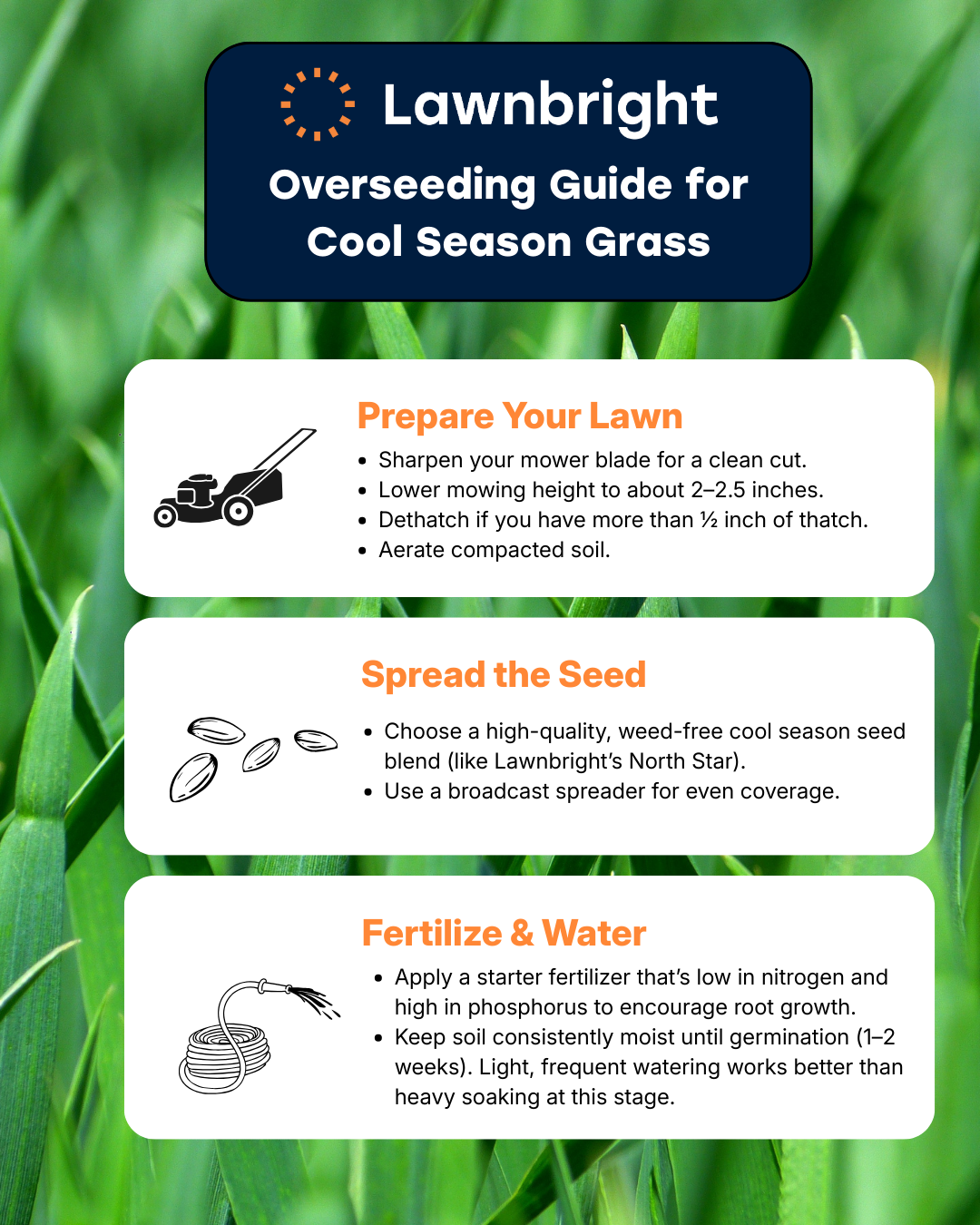
Dethatching and seeding your lawn on the same day can save time. It helps prepare your lawn for new grass growth quickly.
This guide shows how to dethatch and seed your lawn properly. Follow these simple steps for best results.
Dethatching Process
Dethatching removes dead grass and debris from your lawn. This lets water and nutrients reach the soil better.
Use a dethatching rake or machine to pull out the thatch. Work in one direction and then across the lawn.
- Start when the grass is dry
- Rake the entire lawn evenly
- Collect and remove the debris
- Avoid damaging healthy grass roots
Seed Application Tips
After dethatching, spread grass seed over the lawn. Choose seed that fits your climate and soil type.
Use a seed spreader for even coverage. Lightly rake the seeds into the soil to help them settle.
- Check seed package for correct rate
- Apply seed evenly across the lawn
- Do not bury seeds too deep
- Cover seeds lightly with soil or mulch
Watering And Aftercare
Water the lawn gently after seeding. Keep the soil moist until grass grows strong.
Water several times a day with light sprays. Reduce watering as grass grows to encourage deep roots.
- Water in the morning or evening
- Avoid heavy watering that floods soil
- Watch for dry spots and water again
- Wait to mow until grass is 3 inches tall
Common Mistakes To Avoid
Dethatching and seeding are important lawn care tasks. Doing them on the same day can save time.
Some mistakes can hurt your lawn’s health. Avoid these common errors to get better results.
Overdethatching Risks
Dethatching removes dead grass and debris. But doing too much can damage the lawn.
Removing too much thatch exposes soil and roots. This can stress the grass and slow growth.
- Be gentle and use the right dethatching tool.
- Do not remove more than one-third of the thatch layer.
- Stop if you see bare patches or damaged roots.
Incorrect Seeding Rates
Using too much seed wastes money and causes crowding. Too little seed leaves thin grass.
Follow the seed package instructions for the right amount. Spread seeds evenly for best results.
- Use a seed spreader for even coverage.
- Do not apply more than recommended pounds per 1000 sq ft.
- Adjust seed amount based on lawn condition and grass type.
Ignoring Soil Ph
Soil pH affects how grass grows. If pH is off, nutrients may not be absorbed well.
Test your soil pH before dethatching and seeding. Adjust pH with lime or sulfur if needed.
- Ideal pH for most lawns is between 6.0 and 7.0.
- Use a soil test kit or send samples to a lab.
- Correct pH before seeding helps grass establish faster.
Expert Maintenance Tips
Dethatching and seeding your lawn on the same day is possible with the right care. Good maintenance supports strong grass growth and helps the lawn recover fast.
Follow these tips on fertilizing, mowing, and handling lawn stress. They will help your yard stay healthy after dethatching and seeding.
Fertilizing Schedule
Use fertilizer to give your lawn the nutrients it needs. Apply it at the right time for best results.
- Fertilize before dethatching to strengthen roots.
- Apply a starter fertilizer when you seed to help new grass grow.
- Feed the lawn again 4 to 6 weeks after seeding for steady growth.
Mowing Best Practices
Cutting your grass correctly supports new seed growth and lawn health.
| Practice | Details |
| First Mow | Wait until grass reaches 3 inches tall |
| Blade Height | Set mower high to avoid stressing new grass |
| Mowing Frequency | Cut often but trim only 1/3 of blade length |
| Grass Clippings | Remove clippings to keep seedbed clear |
Dealing With Lawn Stress
Your lawn faces stress from dethatching and seeding. Support it by reducing pressure.
- Water the lawn gently but deeply to keep soil moist.
- Avoid heavy foot traffic on treated areas.
- Use shade cloth if the sun is very strong after seeding.
- Keep pets and lawn equipment away from new grass patches.

Credit: www.reddit.com
Frequently Asked Questions
Can You Dethatch And Seed On The Same Day?
Yes, you can dethatch and seed the same day if conditions are right. Soil should be moist but not waterlogged. This helps seed contact the soil for better germination. Avoid extreme heat or drought to ensure seed survival and healthy lawn growth.
What Is The Best Timing For Dethatching And Seeding?
The best time is during early spring or early fall. These seasons provide moderate temperatures and adequate moisture. This timing supports seed germination and lawn recovery after dethatching. Avoid hot summer days or freezing winter conditions for optimal results.
How Long Should You Wait After Dethatching To Seed?
You can seed immediately after dethatching, provided the soil is moist. Dethatching removes debris and allows seed to reach the soil surface. Immediate seeding helps the seed establish roots quickly and improves lawn thickness efficiently.
Does Dethatching Improve Seed Germination Success?
Yes, dethatching removes dead grass and debris, exposing soil. This creates a better seed-to-soil contact essential for germination. It also improves airflow and water penetration. Together, these factors increase the chances of seed sprouting and healthy lawn development.
Conclusion
Dethatching and seeding on the same day can work well with the right care. The lawn needs to be clean and dry before you start. After dethatching, remove all debris to help seeds reach the soil. Watering gently helps seeds grow strong.
Avoid heavy foot traffic to protect new grass. Timing and weather also matter a lot. This method saves time but needs attention. Try it during mild weather for best results. Your lawn can become healthier with these steps. Simple care leads to great growth.

