
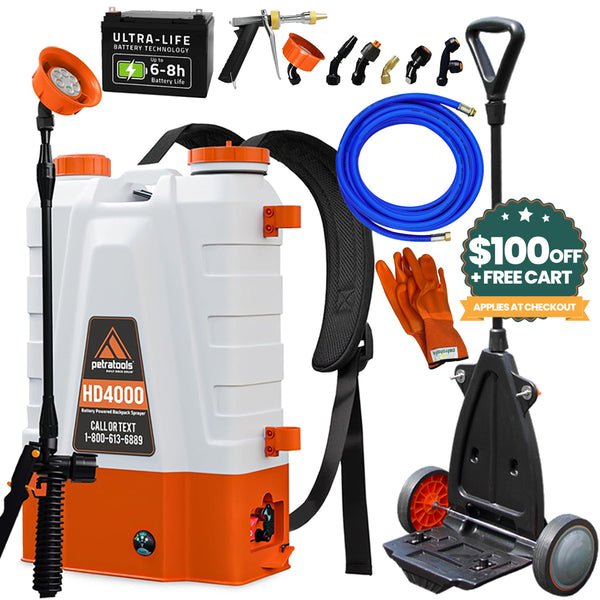
Are you tired of dealing with a backpack sprayer that just won’t perform as it should? Maintaining your backpack sprayer isn’t just about keeping your equipment in good shape; it’s about ensuring that every spray is effective and efficient.
Whether you’re a seasoned gardener or a professional landscaper, understanding how to properly care for your sprayer can save you time, money, and frustration. In this guide, you’ll discover simple yet powerful tips that will keep your sprayer working like new, every time.
Imagine the satisfaction of a job well done, with every spray reaching its target perfectly. Keep reading to uncover the secrets of a well-maintained backpack sprayer and transform your gardening or landscaping tasks into a breeze.
Choosing The Right Backpack Sprayer
Picking the right backpack sprayer makes spraying easier and safer. It helps you finish the work faster and keeps you comfortable.
There are many sprayers available. Knowing the types and features helps you choose the best one for your needs.
Types Of Backpack Sprayers
Backpack sprayers come in different types. Each type works well for certain jobs and plants.
- Manual Sprayers:You pump the handle to build pressure. They are simple and cost less.
- Battery-Powered Sprayers:These use a battery to spray. They save time and effort.
- Gas-Powered Sprayers:Good for large jobs. They spray with strong pressure but are heavier.
Choose a type based on how much area you need to cover and how often you spray.
Key Features To Consider
Some features make a backpack sprayer easier to use and last longer. Look for these when buying.
- Tank Size:Bigger tanks hold more liquid but are heavier to carry.
- Comfortable Straps:Padded straps reduce shoulder strain during use.
- Nozzle Options:Adjustable nozzles help control spray patterns and flow.
- Durable Materials:Choose sprayers made from strong plastic or metal parts.
- Easy to Clean:Sprayers that open wide and have few parts are easier to clean.
- Pressure Control:Some sprayers let you adjust spray pressure for different tasks.
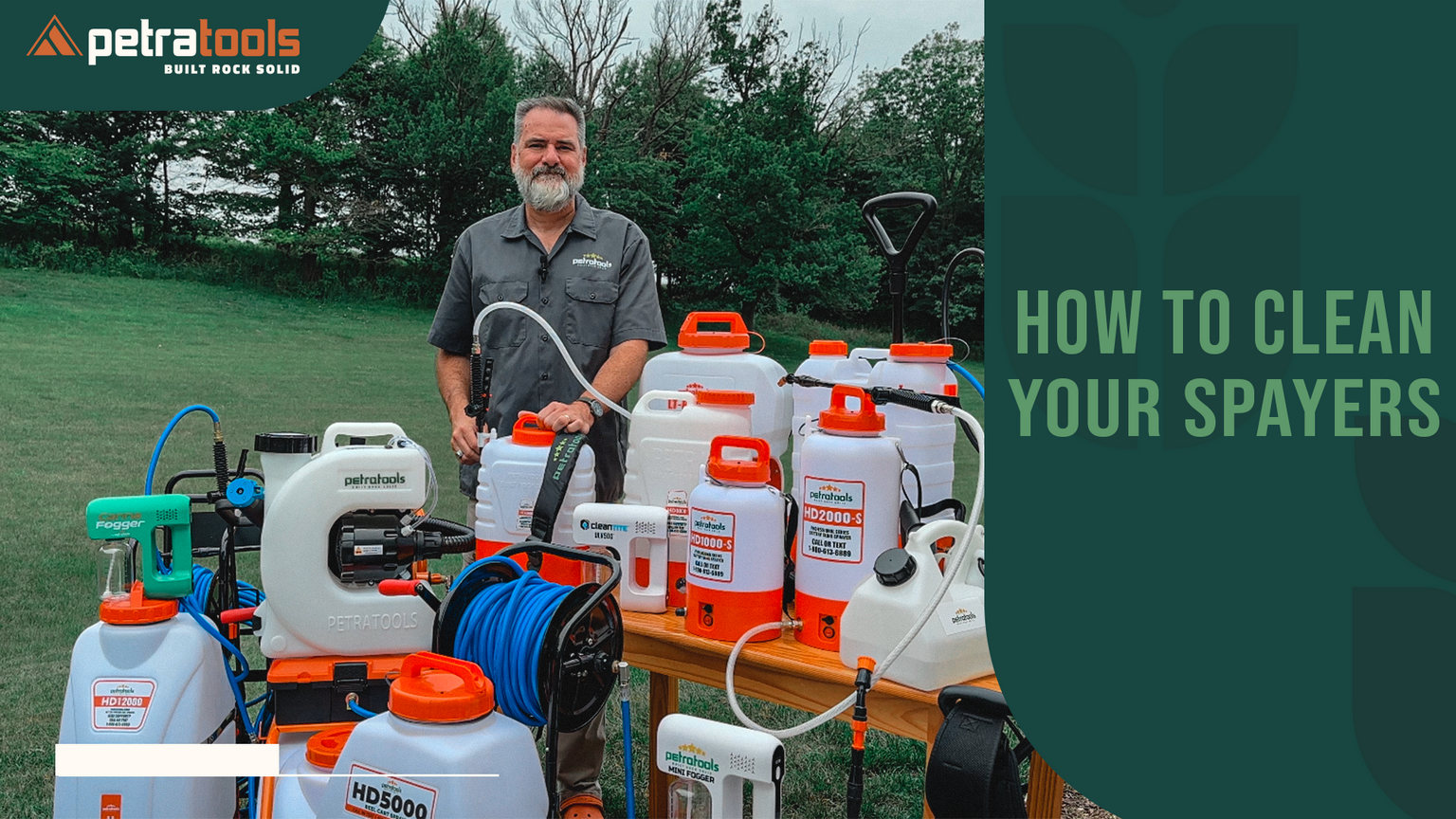
Credit: www.petratools.com
Daily Cleaning Routine
Keeping your backpack sprayer clean every day helps it work well. Dirt and chemicals can block parts and cause damage.
Follow these simple steps to clean your sprayer after each use. This keeps it ready for the next job.
Flushing The Tank
Empty the tank completely after spraying. Fill it with clean water and shake it well to rinse the inside. Spray the water out to flush the hose and nozzle.
- Remove leftover liquid from the tank.
- Fill the tank halfway with clean water.
- Close the tank and shake gently.
- Spray the water until the tank is empty.
- Repeat if the tank still looks dirty.
Cleaning Nozzles And Filters
Nozzles and filters can clog easily. Clean them daily to keep spray patterns even and pressure steady.
| Part | Cleaning Method |
| Nozzle | Soak in warm water, then use a soft brush to remove debris. |
| Filter | Rinse under running water and check for damage. |
Proper Storage Practices
Keeping your backpack sprayer in good condition starts with proper storage. Storing it correctly prevents damage and extends its life.
This guide covers how to drain, dry, and store your sprayer safely after use.
Draining And Drying
Always drain all liquids from the sprayer after use. Leftover chemicals can damage parts and cause clogs.
- Empty the tank completely outdoors or in a well-ventilated area.
- Flush the sprayer with clean water to remove chemical residues.
- Remove and clean the nozzle and filters carefully.
- Let all parts dry fully before storage to stop rust and mold growth.
Safe Storage Locations
Store your backpack sprayer in a dry, cool place away from direct sunlight and extreme temperatures.
| Storage Location | Reason |
| Indoor shed or garage | Protects from weather and sunlight |
| Off the ground on a shelf | Prevents moisture damage and pests |
| Away from children and pets | Ensures safety and prevents accidents |
| Ventilated area | Reduces chemical fumes buildup |
Regular Inspection And Repairs
Maintaining your backpack sprayer keeps it working well. Regular checks help catch problems early.
Fixing small issues prevents bigger damage and saves money. Inspect your sprayer often.
Checking For Leaks
Look over the sprayer for any leaks before use. Leaks waste chemicals and reduce spraying power.
Check the tank, hose, nozzle, and seals for cracks or drips. Tighten loose parts to stop leaks.
- Fill the tank with water to spot leaks
- Watch for wet spots on connections and hoses
- Replace damaged seals or cracked hoses immediately
- Do not use the sprayer if leaks persist
Replacing Worn Parts
Parts wear out with use and time. Replace worn parts to keep the sprayer safe and effective.
Check the pump, valves, filters, and nozzles for signs of damage or wear. Use only correct replacements.
- Inspect pump seals for cracks or stiffness
- Clean or replace clogged filters regularly
- Change nozzles that spray unevenly or drip
- Keep spare parts ready for quick repairs
Seasonal Maintenance Tips
Maintaining your backpack sprayer each season keeps it working well. It helps prevent damage and saves money.
Different seasons need different care steps. Follow these tips to keep your sprayer ready all year.
Winterizing Your Sprayer
Winter can harm your sprayer if you leave water inside. Always clean and dry it before cold weather.
Remove all liquid and rinse the tank. Run antifreeze or a mix of water and antifreeze through the pump and hose.
- Empty the tank completely
- Rinse the tank and filters
- Run antifreeze through the system
- Store in a dry, frost-free place
Preparing For Heavy Use
Before busy seasons, check your sprayer for damage. Look at hoses, nozzles, and seals for cracks or leaks.
Clean all parts and replace worn pieces. Test the sprayer to ensure it sprays evenly and works smoothly.
- Inspect hoses and connections
- Clean or replace nozzles
- Check seals and gaskets
- Test spray pattern and pressure
- Lubricate moving parts if needed

Credit: www.petratools.com
Using Quality Chemicals And Accessories
Maintaining a backpack sprayer ensures it works well for a long time. Using the right chemicals and accessories plays a big role in care.
Choosing quality items helps protect the equipment from damage and keeps it safe to use.
Impact Of Chemicals On Equipment
Chemicals can cause wear or damage to sprayer parts if they are not suitable. Some chemicals are acidic or corrosive, which can break seals or tubes.
- Always check the chemical label for compatibility with your sprayer.
- Use chemicals that are designed for backpack sprayers.
- Rinse the sprayer thoroughly after use to remove chemical residues.
- Avoid mixing chemicals unless the instructions say it is safe.
- Store chemicals in original containers and away from the sprayer.
Choosing Compatible Accessories
Accessories like nozzles, hoses, and filters must fit your sprayer and match the chemicals you use. Wrong parts can reduce spray quality or cause leaks.
| Accessory | Compatibility Tip | Care Advice |
| Nozzles | Match spray pattern and chemical type | Clean after each use |
| Hoses | Use chemical-resistant materials | Check for cracks often |
| Filters | Fit size and mesh level to sprayer | Replace if clogged |
Troubleshooting Common Issues
Backpack sprayers are useful tools for many tasks. Keeping them working well saves time and effort.
Some problems may happen often. Knowing how to fix them helps you spray evenly and keep good pressure.
Uneven Spray Patterns
Uneven spray patterns can cause some areas to get too much liquid while others get too little. This wastes the spray and may harm plants or surfaces.
- Check the nozzle for clogs or damage. Clean or replace it if needed.
- Make sure the spray tip is the right type and size for your task.
- Look for cracks or leaks in the hose and connections.
- Clean the filter regularly to avoid blockages.
- Shake the sprayer gently to mix the liquid well before use.
Pressure Loss Problems
Pressure loss means the sprayer does not push liquid out strongly. This reduces spray reach and coverage.
| Cause | How to Fix |
|---|---|
| Worn or broken pump seals | Replace seals with new ones from the manufacturer |
| Loose or damaged hose connections | Tighten or replace hoses and fittings |
| Clogged or dirty filter | Remove and clean the filter regularly |
| Air leaks in the system | Check for cracks and seal or replace parts |
| Low liquid level in tank | Refill the tank before spraying |
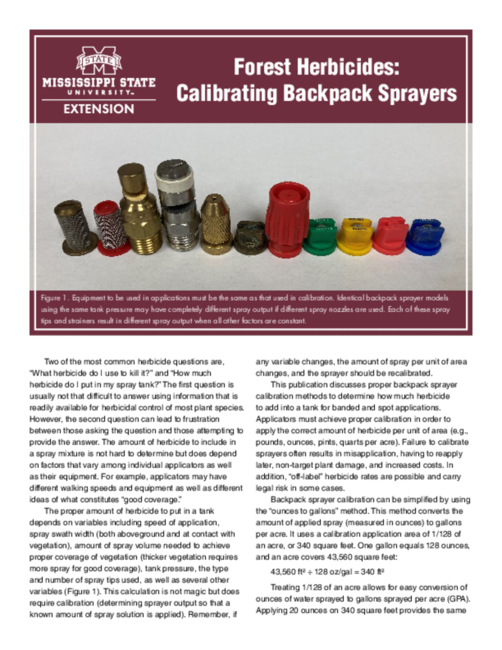
Credit: extension.msstate.edu
Frequently Asked Questions
How Often Should I Clean My Backpack Sprayer?
Clean your backpack sprayer after every use to prevent residue buildup. Regular cleaning ensures better performance and longer equipment life.
What Is The Best Way To Store A Backpack Sprayer?
Store your sprayer in a cool, dry place away from direct sunlight. Empty the tank and release pressure before storage to avoid damage.
How Can I Prevent Nozzle Clogs In My Sprayer?
Rinse the nozzle thoroughly after each use and use clean water. Regularly inspect and clean nozzles to maintain proper spray patterns.
When Should I Replace Sprayer Parts Like Seals Or Hoses?
Replace seals and hoses at the first sign of wear or leaks. Timely replacement prevents leaks and maintains sprayer efficiency.
Conclusion
Maintaining your backpack sprayer keeps it working well for longer. Clean it after each use to stop clogs and damage. Check the seals and hoses regularly to avoid leaks. Store the sprayer in a dry, cool place to protect parts.
Simple care saves money and time on repairs. Your sprayer will be ready whenever you need it. Small steps make a big difference in sprayer life. Keep these tips in mind for easy maintenance.

