
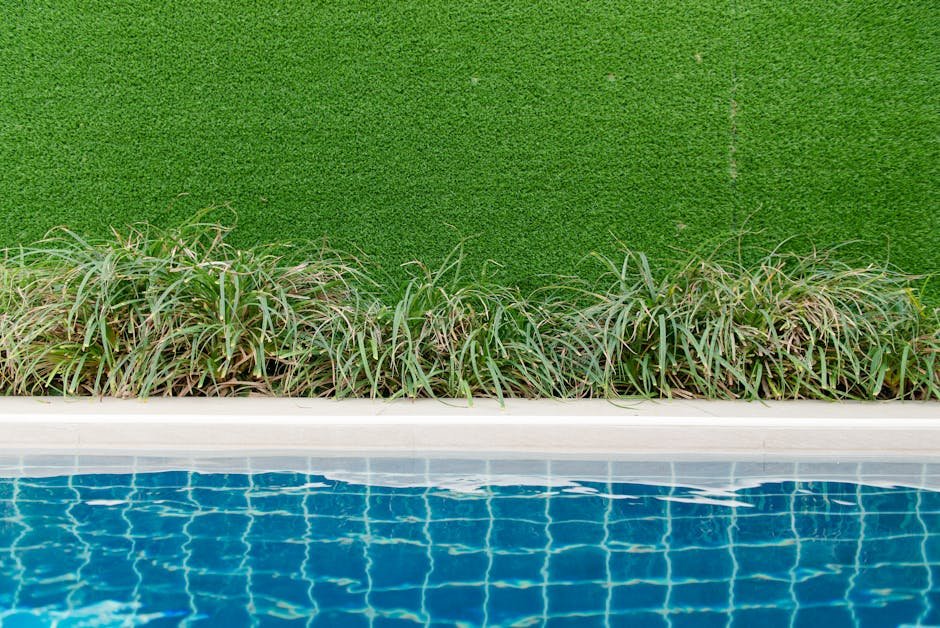
Imagine stepping into your backyard, greeted by a lush, green lawn framed by stunning natural borders. Your outdoor space transforms into a serene oasis, a place where every edge tells a story of beauty and creativity.
Whether you’re looking to add a touch of elegance or a splash of color, natural lawn borders can breathe new life into your garden. Are you ready to discover how a few simple ideas can elevate your landscape from ordinary to extraordinary?
Dive into the world of natural lawn border ideas and let your imagination run wild. By the end of this article, you’ll be equipped with inspiring ideas that are both eco-friendly and eye-catching, perfect for turning your garden dreams into reality.
Choosing Plants For Natural Borders
Natural lawn borders create soft edges and add beauty to your yard. Choosing the right plants helps define these borders clearly.
Plants for borders should fit your climate and soil. They also need to match the style of your lawn and garden.
Perennials That Define Spaces
Perennials grow back every year, giving your border long-lasting structure. They help mark edges without needing much care.
Choose perennials with different heights and leaf shapes. This adds depth and interest to your border.
- Hostas for shade and texture
- Daylilies for bright, easy flowers
- Echinacea for tall, colorful blooms
- Lavender for scent and color
Evergreens For Year-round Appeal
Evergreens keep your border green all year. They add structure and stay attractive in winter.
Use different sizes of evergreens to create layers. This gives your lawn border a full, natural look.
- Boxwood for neat, small hedges
- Juniper for ground cover and texture
- Holly for shiny leaves and berries
- Yew for dark green color and shape
Flowering Shrubs For Color
Flowering shrubs add bright colors to your lawn border. They bloom in different seasons for variety.
Pick shrubs that fit your space. Some grow tall, others stay low and wide.
- Hydrangea for big, colorful flowers
- Azalea for spring blooms and green leaves
- Spirea for small flowers and easy care
- Rhododendron for bold flowers and shade tolerance
Grasses And Groundcovers
Grasses and groundcovers fill gaps and soften edges. They prevent weeds and add texture to borders.
Use low-growing plants to keep your border neat. Choose grasses that move with the wind for a natural feel.
- Blue fescue for fine, blue-green leaves
- Creeping thyme for fragrant ground cover
- Mondo grass for dark green, low growth
- Sweet woodruff for shade and white flowers
Using Stones And Rocks
Natural stones and rocks create strong, attractive borders for lawns. They blend well with plants and add texture to your garden.
Choosing the right stone style can change your lawn’s look. Stones offer durability and need little care.
Stacked Stone Walls
Stacked stone walls use flat stones piled without mortar. They create a rustic and natural edge for your lawn.
- Use stones of similar size for a neat look
- Stack stones carefully to avoid gaps
- Build walls 6 to 12 inches high for lawn borders
- Add plants between stones for soft contrast
Boulder Arrangements
Large boulders create bold, natural borders. They offer a strong visual statement and work well in bigger spaces.
| Boulder Type | Best Use | Size Range |
| Granite | Outdoor borders | 12-36 inches |
| Limestone | Garden accents | 10-30 inches |
| Sandstone | Natural landscapes | 8-24 inches |
Pebble Path Edges
Pebbles make soft and low borders along paths and lawns. They add color and smooth texture to your garden.
Use these tips for pebble edges:
- Choose pebbles in colors that match your garden theme
- Lay landscape fabric under pebbles to stop weeds
- Keep edges straight or gently curved for a neat look
- Combine pebbles with plants for a natural feel
Incorporating Wood Elements
Wood adds a natural and warm feel to lawn borders. It blends well with plants and soil. Using wood creates a soft, inviting edge around your lawn.
There are many ways to use wood for lawn borders. Some ideas include logs, fences, and raised beds. Each option offers a unique look and function.
Log Edging Ideas
Logs give a rustic and natural border to your lawn. Use small or large logs depending on your style. Place them side by side or half-buried for stability.
- Cut logs to the same height for a neat look
- Arrange logs in a straight line or curve
- Use treated wood to prevent rot
- Decorate logs with moss or small plants
Rustic Wooden Fences
Rustic wooden fences add charm and structure. They mark boundaries while keeping a natural feel. Use rough wood for a countryside look or smooth planks for a cleaner style.
| Fence Type | Wood Style | Best Use |
| Post and Rail | Rough logs | Large lawns or gardens |
| Picket Fence | Smooth planks | Small yards and flower beds |
| Split Rail | Split logs | Rustic or natural settings |
Timber Raised Beds
Raised beds made from timber keep soil neat and plants healthy. They create a strong border and add height to your garden. Timber lasts long and looks good with natural landscaping.
- Use cedar or redwood for durability
- Build beds in square or rectangular shapes
- Fill with quality soil and compost
- Place near lawn edges for clear separation
Creative Mixed Material Borders
Natural lawn borders can add charm and structure to your garden. Using mixed materials gives a unique look that fits many styles.
Combining different textures and colors creates visual interest. This guide explores ideas with plants, stones, wood, metal, and recycled items.
Combining Plants And Stones
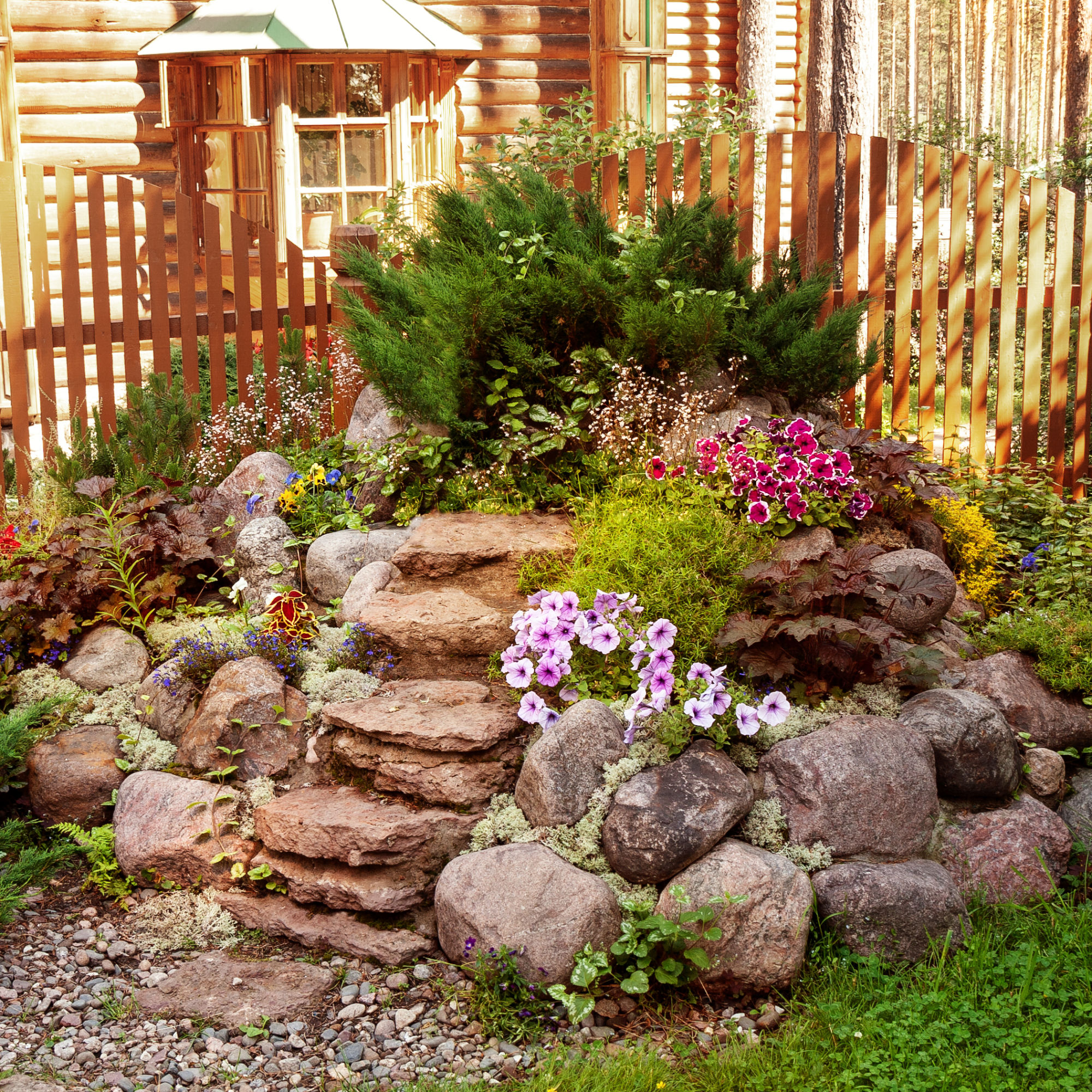
Mixing plants with stones brings a natural feel to lawn edges. Stones add durability and contrast, while plants soften the look.
- Use low-growing ground covers between flat stones.
- Add small flowering plants for color.
- Place larger rocks to create focal points.
- Choose plants that tolerate dry, rocky soil.
- Keep the border shape simple for easy maintenance.
Wood And Metal Accents
Wood and metal accents give a modern touch to natural borders. Both materials work well with plants and stones for mixed designs.
| Material | Benefits | Care Tips |
| Wood | Warm, natural look | Seal to prevent rot |
| Metal | Durable, sleek edges | Check for rust regularly |
| Combination | Blends softness and strength | Clean and treat yearly |
Recycled Material Borders
Recycled materials are eco-friendly and add character. Old bricks, bottles, and wood pieces can create unique lawn borders.
Here are ideas for recycled borders:
- Stack old bricks for a rustic edge.
- Use broken pottery shards for color accents.
- Line edges with reclaimed wood planks.
- Fill gaps with crushed glass or stones.
- Paint recycled items to brighten the border.
Design Tips For Small Yards
Small yards can be a challenge for creating natural lawn borders. Choosing the right design can save space and add beauty. These tips help you use your yard well.
Natural lawn borders make your yard look neat and green. They can also help keep your plants healthy and your space organized.
Space-saving Borders
Use narrow plants or shrubs along the edges. This keeps the border thin but still green. Curved lines can make your yard feel larger. Raised garden beds also save space and add height.
- Plant low-growing shrubs
- Use edging stones or bricks
- Create curved borders
- Try raised beds for flowers
- Keep pathways narrow
Vertical Green Borders
Vertical borders use walls or fences to grow plants upwards. This saves ground space and adds color. You can use trellises or hanging pots. Climbing plants like ivy or jasmine work well here.
| Plant | Type | Care Level |
| Ivy | Climbing | Low |
| Jasmine | Climbing | Medium |
| Succulents | Hanging | Low |
| Fern | Hanging | Medium |
Low-maintenance Options
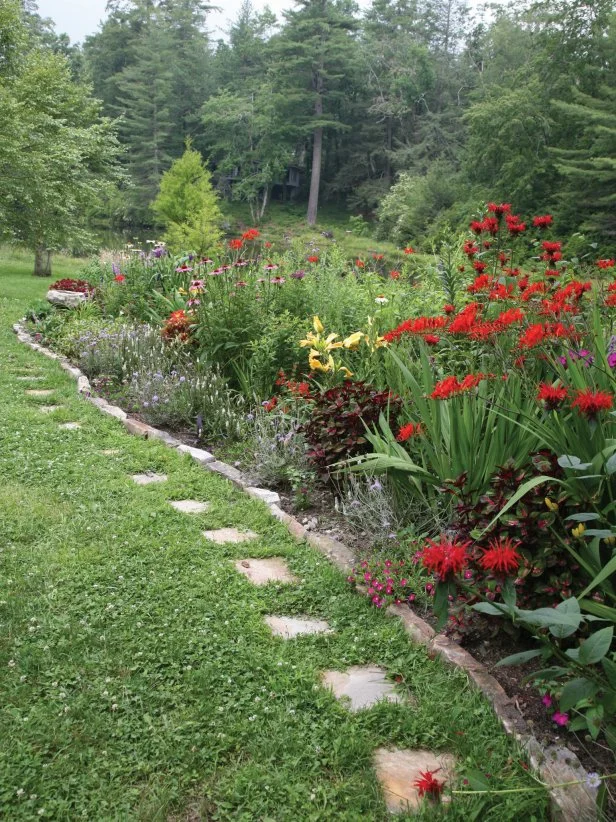
Choose plants that need little water and care. Use mulch to keep soil moist. Native plants often need less attention. You can also use artificial grass or stone borders for easy upkeep.
Low-maintenance border ideas:
- Use drought-tolerant plants
- Apply mulch to reduce weeds
- Plant native grasses
- Consider decorative stones or pebbles
- Install drip irrigation for efficient watering
Credit: www.hgtv.com
Wildlife-friendly Borders
Creating a natural lawn border helps support local wildlife. These borders provide food and shelter for many small animals.
Using plants and designs that attract animals makes your garden lively and healthy.
Attracting Pollinators
Pollinators like bees and butterflies need flowers for nectar and pollen. Planting a variety of blooms helps them visit your garden often.
- Choose flowers in different colors and shapes
- Include plants that bloom at different times
- Avoid using pesticides near flowering plants
- Plant clusters of flowers for easy access
Creating Shelter For Birds
Birds look for safe places to rest and nest. Dense shrubs and small trees make great shelters.
| Plant Type | Benefit |
| Evergreen shrubs | Provide year-round cover |
| Berry bushes | Offer food and shelter |
| Small trees | Good nesting sites |
Native Plant Choices
Native plants grow well without much help. They support local insects and animals better than exotic plants.
- Milkweed attracts monarch butterflies
- Goldenrod feeds many pollinators
- Wild lupine supports butterfly larvae
- Serviceberry provides berries for birds
Seasonal Border Ideas
Natural lawn borders change with the seasons. They add beauty and interest all year.
Using plants that suit each season keeps your borders lively and colorful.
Spring Bloom Highlights
Spring brings fresh blooms and soft colors. Choose bulbs and perennials for bright flowers.
- Tulips and daffodils add bold colors.
- Bleeding hearts give a delicate look.
- Hostas provide lush green leaves.
- Forget-me-nots offer small blue flowers.
Summer Lush Borders
Summer borders are full and green. Use shrubs and flowering plants that thrive in heat.
| Plant | Color | Care Tip |
| Lavender | Purple | Needs full sun |
| Daylilies | Orange, Yellow | Water weekly |
| Hydrangeas | Blue, Pink | Partial shade |
| Boxwood | Green | Trim to shape |
Fall Color Displays
Fall brings warm colors. Use plants that show reds, oranges, and yellows in leaves and flowers.
- Maple saplings add bright red leaves.
- Asters bloom purple and pink.
- Ornamental grasses wave in the breeze.
- Chrysanthemums bring rich flower colors.
Winter Interest Features
Winter borders need texture and form. Use evergreens and plants with colorful stems or berries.
| Plant | Feature | Care |
|---|---|---|
| Holly | Red berries | Full sun or shade |
| Red twig dogwood | Bright red branches | Moist soil |
| Pine shrubs | Evergreen needles | Well-drained soil |
Credit: www.hgtv.com
Maintenance Tips For Natural Borders
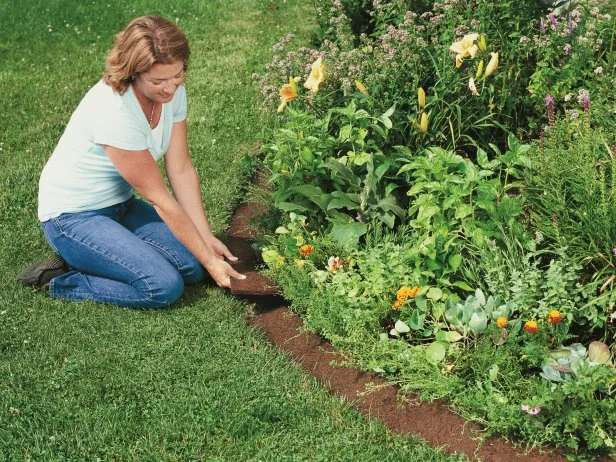
Natural lawn borders need care to stay healthy and neat. Regular maintenance keeps plants strong and looking good.
Follow simple tips for pruning, soil care, and watering. These help your natural borders thrive all year.
Pruning And Trimming
Cut back plants to remove dead or overgrown parts. This helps new growth and keeps the border tidy.
Trim regularly but avoid cutting too much at once. Use clean tools to prevent damage and disease.
- Remove dead leaves and stems
- Shape plants to keep border defined
- Prune after flowering for best results
- Clean pruning shears before use
Soil Health Practices
Healthy soil supports strong plant roots and growth. Check soil regularly to keep it rich and loose.
Add organic matter like compost to improve soil quality. Avoid compacting soil around plant roots.
- Test soil pH yearly
- Add compost or mulch to feed soil
- Loosen soil gently to improve air flow
- Avoid stepping on border soil
Watering Techniques
Water natural borders deeply but less often. This encourages roots to grow deeper for drought resistance.
Water early in the morning to reduce evaporation. Use drip irrigation or soaker hoses to save water.
- Water once or twice a week depending on weather
- Avoid wetting leaves to prevent disease
- Use mulch to keep soil moist
- Check soil moisture before watering
Credit: www.gardeningknowhow.com
Frequently Asked Questions
What Are Natural Materials For Lawn Borders?
Natural materials like stones, wood, bricks, and plants create eco-friendly lawn borders. They blend well with garden aesthetics and require low maintenance, enhancing your lawn’s natural appeal.
How To Choose Plants For Natural Lawn Borders?
Select hardy, low-maintenance plants like lavender, boxwood, or ornamental grasses. These plants thrive outdoors, resist pests, and define lawn edges beautifully with minimal care.
Can Natural Lawn Borders Prevent Soil Erosion?
Yes, natural borders with dense plants or stones help stabilize soil. They reduce water runoff and protect your lawn from erosion effectively and sustainably.
How To Maintain Natural Lawn Borders?
Regularly trim plants, remove weeds, and replace damaged materials. Proper maintenance keeps borders neat, healthy, and visually appealing throughout the year.
Conclusion
Natural lawn borders bring charm and order to any garden space. They help keep grass neat and protect plants. Using stones, wood, or flowers creates a soft, natural look. These borders also guide visitors along paths and define garden areas.
Choose materials that suit your style and climate. With simple steps, your lawn will look tidy and inviting. Small changes make a big difference in garden beauty. Try natural borders to add warmth and structure to your yard. Your outdoor space will feel peaceful and well cared for.

