
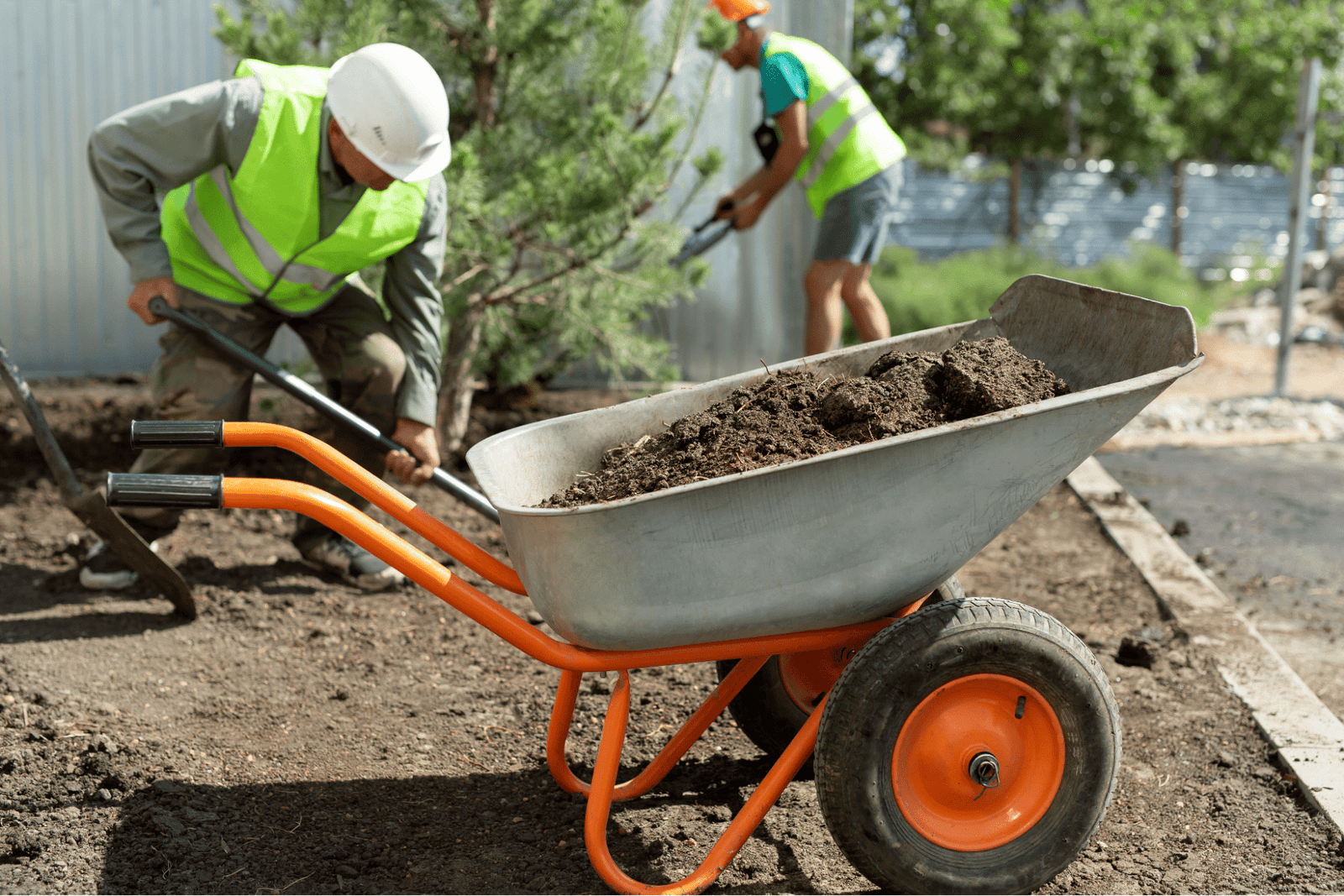
Moving heavy soil with a wheelbarrow can feel like a tough, exhausting task. You might worry about straining your back or spending hours on what should be a simple job.
But what if you could make the process easier, faster, and safer? You’ll discover practical tips that will help you handle heavy soil without breaking your back or wasting your energy. Keep reading, and you’ll learn how to turn this hard work into a smooth, manageable task.
Choosing The Right Wheelbarrow
Moving heavy soil can be tough without the right tools. Picking the best wheelbarrow helps make the job easier and safer.
This guide explains what to look for when selecting a wheelbarrow for heavy soil.
Types Of Wheelbarrows
There are several types of wheelbarrows. Each type works better for different tasks and soil weights.
- Standard Wheelbarrow:Has one wheel in front for easy steering.
- Two-Wheel Wheelbarrow:Offers more stability on flat ground.
- Flat-Free Wheelbarrow:Uses solid tires that never go flat.
Material And Durability
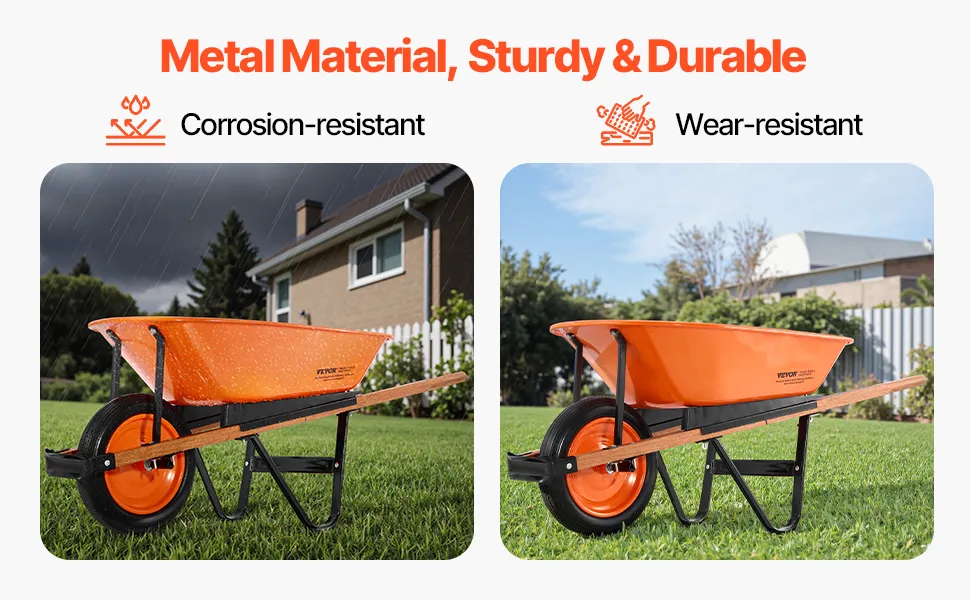
Material affects how long the wheelbarrow lasts and how much weight it can hold.
| Material | Pros | Cons |
| Steel | Strong and durable | Can rust if not maintained |
| Plastic | Lightweight and rust-proof | Less strong for heavy loads |
| Polyurethane | Very durable and light | Usually more expensive |
Wheel And Tire Options
The wheel and tire type affects how easy it is to move soil over different surfaces.
- Pneumatic Tires:Filled with air, provide smooth movement on rough ground.
- Semi-Pneumatic Tires:Partially filled, offer some cushioning and less risk of flats.
- Solid Tires:Made from hard rubber or plastic, no flats but less shock absorption.
Credit: www.vevor.ca
Preparing For Heavy Soil Transport
Moving heavy soil with a wheelbarrow needs careful preparation. Good planning helps avoid injury and saves time.
Before you start, check the soil and the path you will take. Wearing the right gear also protects you during the work.
Assessing Soil Moisture
Soil moisture affects how heavy and hard the soil will be to move. Wet soil is heavier and sticks to the wheelbarrow, making transport harder.
Dry soil is lighter but dusty, which can also cause problems. Check soil by grabbing a handful and squeezing it.
- If soil holds shape and feels sticky, it is too wet.
- If soil crumbles easily, it is dry enough to move.
- Ideal soil is slightly damp but not muddy.
Clearing The Path
Clear the path where you will move the soil. Remove stones, sticks, or debris that could block the wheelbarrow.
| Obstacle | Risk | Solution |
| Loose stones | Wheelbarrow tipping | Pick up stones or push aside |
| Tree roots | Tripping hazard | Trim or mark roots |
| Wet patches | Slipping | Dry or avoid area |
Wearing Protective Gear
Protect yourself when moving heavy soil. Wear clothing and gear that keeps you safe and comfortable.
- Wear sturdy gloves to protect your hands from blisters and cuts.
- Use closed-toe shoes with good grip to avoid slipping.
- Wear long pants to protect your legs from scratches.
- Consider a back brace if you have to lift heavy loads often.
Loading Techniques For Efficiency
Moving heavy soil with a wheelbarrow can be hard work. Using the right loading techniques saves time and energy.
Loading soil properly helps keep balance and makes it easier to move the wheelbarrow safely.
Proper Shoveling Methods
Use a sharp shovel to scoop soil. Dig deep and lift with your legs, not your back. This reduces strain and prevents injury.
Place soil gently into the wheelbarrow instead of dropping it. This keeps the load even and avoids spills.
Balancing The Load
Put soil in the center of the wheelbarrow tray. This keeps the weight balanced over the wheel.
Spread the soil evenly from side to side. This stops the wheelbarrow from tipping over during movement.
- Center soil in the tray
- Distribute soil evenly left to right
- Keep the heaviest soil near the wheel
Avoiding Overloading
Do not fill the wheelbarrow too full. Heavy loads are harder to push and control.
Make smaller loads if needed. It is safer and reduces fatigue.
- Fill the wheelbarrow no higher than the tray edges
- Check if you can push the load comfortably
- Take breaks between loads to rest

Credit: www.amazon.ca
Safe Wheelbarrow Handling
Moving heavy soil with a wheelbarrow can strain your body if done incorrectly. Using safe handling techniques helps you avoid injuries.
Focus on proper posture, control, and careful navigation to move soil safely and efficiently.
Correct Lifting Posture
Bend your knees and keep your back straight when lifting the wheelbarrow handles. Avoid bending at the waist to protect your lower back.
Use your leg muscles to lift, not your arms or back. Keep the load close to your body for better balance.
- Stand close to the wheelbarrow
- Bend knees, not back
- Grip handles firmly
- Lift using legs
- Keep wheelbarrow close to your body
Controlling The Wheelbarrow
Hold the handles evenly and keep your arms straight but relaxed. This helps maintain control over the wheelbarrow’s movement.
Push the wheelbarrow, do not pull it. Pushing gives you better control and reduces strain on your body.
- Hold both handles firmly
- Keep arms straight and relaxed
- Push the wheelbarrow forward
- Keep your path clear
- Take small steps for balance
Navigating Slopes And Rough Terrain
Move slowly when going up or down slopes. Keep the wheelbarrow close to your body to avoid tipping.
Use your legs to control the load on rough ground. Watch for rocks or holes that could cause you to lose balance.
- Go slow on slopes
- Keep wheelbarrow close to your body
- Watch the ground for obstacles
- Use legs to steady the load
- Avoid sharp turns on rough terrain
Maintenance Tips For Wheelbarrows
Wheelbarrows help carry heavy soil and materials. Keeping them in good shape makes work easier.
Regular care extends the life of your wheelbarrow and avoids breakdowns on the job.
Regular Cleaning
Cleaning your wheelbarrow after each use stops rust and dirt build-up. Use water and a brush to remove soil.
- Rinse the tub with a hose
- Scrub off stuck dirt with a stiff brush
- Dry the wheelbarrow to prevent rust
- Store it in a dry place
Tire Pressure And Repairs
Check your tire pressure often. Proper pressure makes pushing easier and protects the tire from damage.
| Pressure Level | Effect |
| Too Low | Hard to push, tire may get damaged |
| Too High | Risk of tire blowout or uneven wear |
| Just Right | Smooth pushing and longer tire life |
Fix holes or cracks quickly. Replace the tire if it is badly worn or damaged.
Lubricating Moving Parts
Lubricate the wheel axle and handles to keep movement smooth. Use grease or oil for best results.
- Apply grease to the wheel axle monthly
- Use oil on handle joints if they squeak
- Wipe off extra lubricant to avoid dirt build-up
Time-saving Strategies
Moving heavy soil with a wheelbarrow can take a lot of time and effort. Using smart strategies helps you finish faster and save energy.
These tips focus on planning, using tools, and working with others to move soil efficiently.
Planning Your Route
Choose the shortest and easiest path for your wheelbarrow. Avoid steep hills and rough ground. Clear any obstacles before you start.
Plan where you will dump the soil. Place the wheelbarrow close to the soil pile and the dumping spot to reduce trips.
- Pick flat and firm paths
- Clear sticks, stones, and debris
- Keep the route as short as possible
- Place soil piles near the dumping area
Using Ramps And Supports
Ramps help you move soil up or down steps and curbs. Use sturdy boards or planks for ramps to keep balance.
Supports under the ramp keep it steady. Check that the ramp is strong enough to hold the wheelbarrow and soil weight.
- Use wide, strong boards for ramps
- Add supports to keep ramps stable
- Check ramp angle is safe and not too steep
- Move slowly on ramps to avoid spills
Teamwork And Assistance
Working with another person can make moving heavy soil easier. One person can push while the other guides or helps with balance.
Ask for help when lifting or unloading heavy loads. Teamwork reduces accidents and saves time by sharing the work.
- Push and guide the wheelbarrow together
- Help lift heavy loads safely
- Take turns to avoid getting too tired
- Communicate clearly during the work
Credit: www.vevor.ca
Frequently Asked Questions
What Is The Best Wheelbarrow For Heavy Soil?
A sturdy wheelbarrow with a steel frame and pneumatic tire works best. It handles heavy soil efficiently. Choose one with a deep tray to carry larger loads safely.
How Do I Avoid Injuries When Moving Heavy Soil?
Lift with your legs, not your back. Wear gloves and sturdy shoes for protection. Take breaks often to prevent strain and stay hydrated while working.
Can I Make Soil Lighter For Easier Transport?
Yes, mix heavy soil with organic matter like compost. This improves texture and reduces weight. It also helps drainage and makes soil easier to move.
How Much Soil Can A Wheelbarrow Safely Carry?
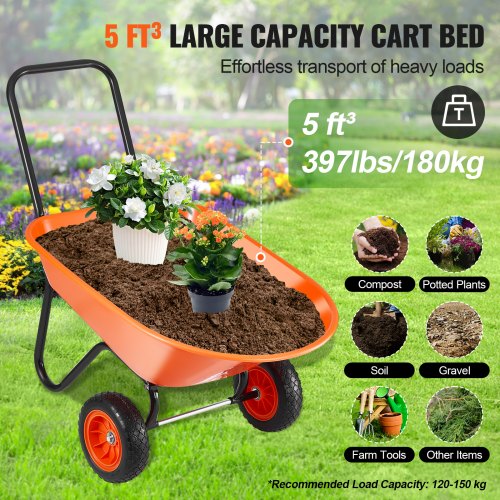
Most wheelbarrows hold between 4 to 6 cubic feet of soil. Avoid overloading to maintain balance and prevent tipping. Distribute weight evenly for safer transport.
Conclusion
Moving heavy soil with a wheelbarrow requires careful planning and technique. Start by choosing a sturdy wheelbarrow. Ensure the soil is not too wet or too dry. Load the wheelbarrow evenly to maintain balance. Keep your back straight while lifting.
Push, don’t pull, to protect your body. Take regular breaks to avoid fatigue. Wear gloves for better grip and safety. With these tips, moving soil becomes manageable. Remember to work smart, not hard. Happy gardening!
