
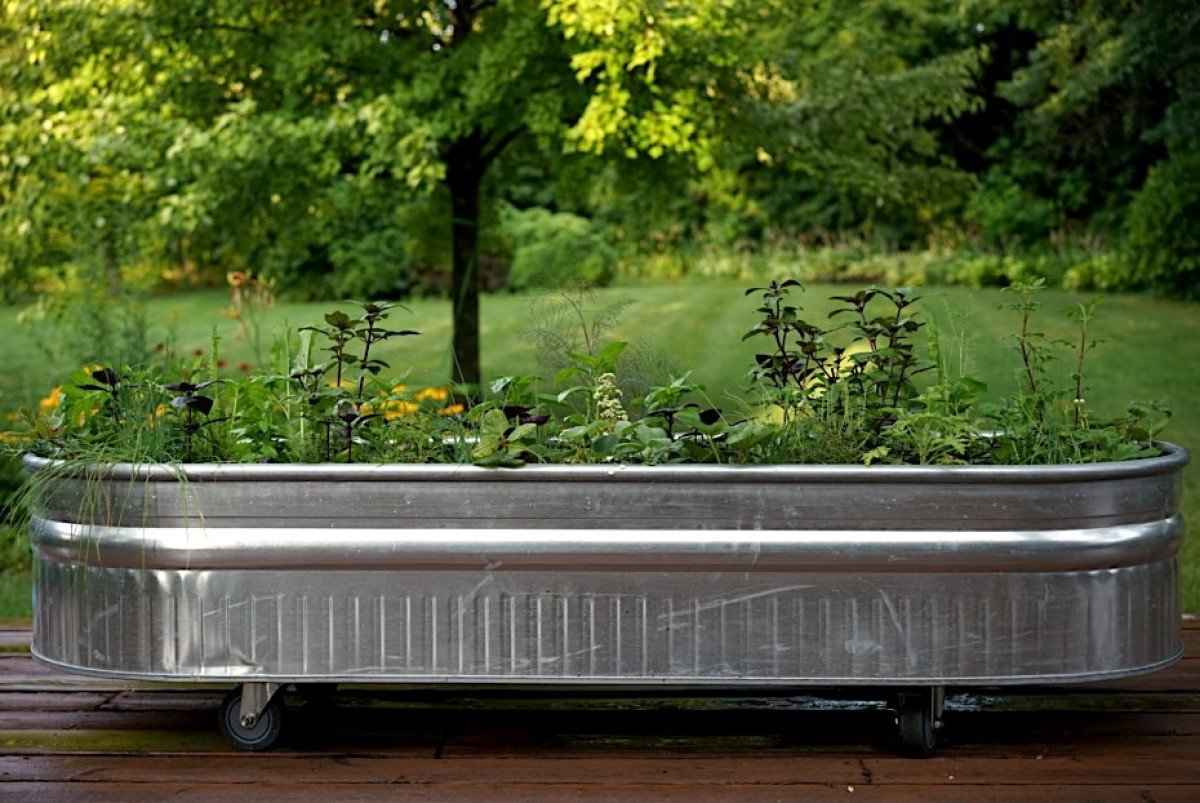
Are you planning to move your beloved plants to a new spot in your garden? The thought of relocating them might feel daunting, but a garden cart can make the process much easier.
Imagine effortlessly transporting your plants without the strain of lifting, while ensuring they remain healthy and undamaged. You’ve invested time and care into your garden, and you want to ensure each plant is moved with the utmost care. We’ll dive into practical tips for using a garden cart effectively, so you can focus on nurturing your green space without the stress.
Whether you’re reimagining your garden layout or just need to shift some pots around, these insights will help you move your plants with confidence. Keep reading to discover how you can transform what seems like a challenging task into a smooth and rewarding experience.
Credit: gardeningproductsreview.com
Choosing The Right Garden Cart
Moving plants safely needs the right garden cart. Picking the right cart helps protect your plants and makes the job easier.
Look at the type, size, and strength of the cart. These details matter for carrying your plants well.
Types Of Garden Carts
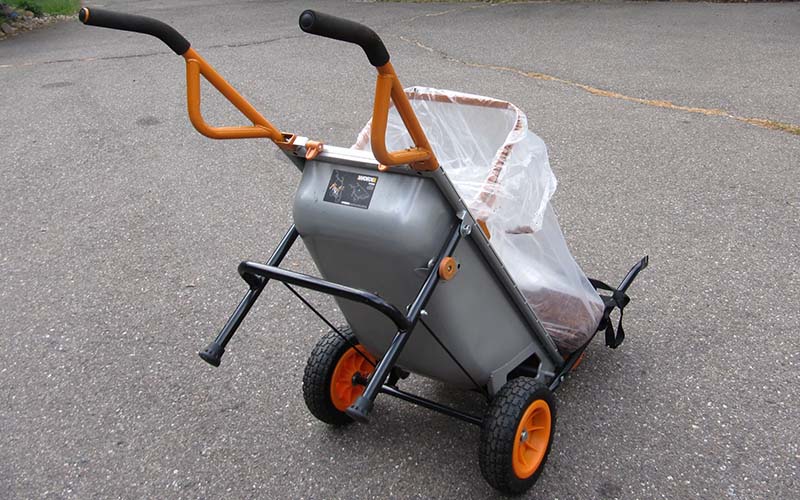
There are different carts for garden work. Some have one wheel, others have two or four. Each type suits certain tasks.
- Wheelbarrows:Have one wheel and two handles. They work well on rough ground.
- Two-wheel carts:More stable and easier to balance with heavy loads.
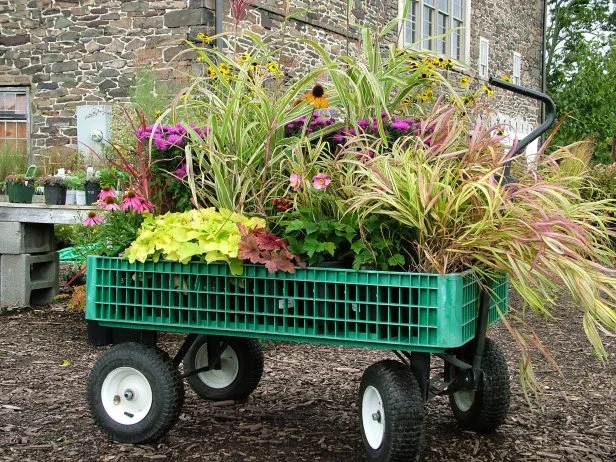
- Four-wheel carts:Offer the most stability and can carry large or heavy plants.
- Foldable carts:Save space and are easy to store after use.
Capacity And Size Considerations
Choose a cart size that fits the plants you move most. Too small means many trips; too large can be hard to push.
| Cart Size | Best For | Notes |
| Small (under 10 cubic feet) | Light plants, small pots | Easy to maneuver in tight spaces |
| Medium (10-20 cubic feet) | Most garden plants | Good balance of size and control |
| Large (over 20 cubic feet) | Heavy plants, large pots | Needs more strength to push |
Durability And Material
Strong materials last longer and carry weight better. Look for carts made of metal or heavy-duty plastic.
- Steel carts resist damage but can be heavy.
- Aluminum carts are lighter and resist rust.
- Plastic carts are light and easy to clean but less strong.
- Check for sturdy wheels and solid handles to avoid breaks.
Preparing Plants For Transport
Moving plants safely needs some preparation. Taking care before transport helps plants stay healthy.
This guide covers watering, protecting leaves, and securing pots for a smooth move.
Watering Before Moving
Water plants one day before moving. This keeps soil moist but not soggy. Wet soil can cause pots to be heavy and messy.
Protecting Delicate Leaves And Stems
Delicate leaves and stems can break during transport. Use soft materials to protect them.
- Wrap stems with soft paper or cloth
- Cover plants loosely with a light cloth to prevent damage
- Keep plants upright to avoid bending
- Remove any dead or loose leaves before moving
Securing Pots And Containers
| Tip | Why It Helps |
|---|---|
| Use sturdy pots | Prevents cracking or breaking during movement |
| Place pots in a garden cart with sides | Keeps pots from tipping over |
| Fill gaps with crumpled paper or cloth | Stops pots from sliding or knocking |
| Lift pots carefully, avoid dragging | Protects roots and pot edges |
Loading Plants Safely
Moving plants with a garden cart needs care to avoid damage. Proper loading keeps plants healthy and secure during transport.
Use smart techniques to arrange and protect plants. This helps prevent tipping, crushing, or breaking stems and leaves.
Arranging Plants By Size And Weight
Place heavier and larger plants at the bottom of the cart. Smaller and lighter plants go on top to avoid crushing.
- Start with the biggest pots first
- Stack medium plants in the middle
- Put small, delicate plants last
- Keep the center of gravity low for stability
Using Padding And Supports
Protect plants by adding padding between them. Use soft materials to prevent rubbing and shaking.
| Padding Material | Purpose |
| Bubble wrap | Cushions pots and fragile leaves |
| Old towels | Prevents sliding and bumps |
| Cardboard pieces | Keeps plants separated |
| Twine or straps | Secures tall plants in place |
Balancing The Load
Keep the cart balanced to avoid tipping over. Distribute weight evenly from side to side and front to back.
- Place heavy items near the center
- Check that no side is heavier
- Adjust plants and padding as needed
- Test stability by gently pushing the cart
Credit: www.hgtv.com
Navigating Terrain With Plants
Moving plants with a garden cart takes care and attention. Uneven ground and obstacles can make it hard to keep plants safe.
Use good techniques to move plants smoothly. This keeps the plants healthy and prevents damage.
Handling Uneven Surfaces
Uneven surfaces can shake the plants and tip the cart. Check the ground before moving the cart.
- Push the cart slowly over bumps and dips
- Keep your hands steady on the handles
- Try to avoid very rough patches if possible
- Balance the load so plants don’t fall
Avoiding Sudden Movements
Sudden stops or turns can harm plants. Move gently to protect leaves and pots.
- Start and stop the cart with care
- Make wide turns instead of sharp ones
- Lower your speed on tight spaces
- Watch for obstacles and slow down early
Using Ramps And Paths
Ramps and paths make moving plants easier. Use them to avoid rough ground and steps.
| Type | Benefit |
| Wooden Ramp | Smooth surface for wheels |
| Gravel Path | Good drainage and firm ground |
| Concrete Path | Stable and even terrain |
| Brick Path | Decorative and firm surface |
Unloading And Settling Plants
Moving plants with a garden cart makes transport easier. After moving, unloading and settling plants properly is very important.
This helps plants adjust well to their new spot and stay healthy after the move.
Careful Removal From Cart
Remove plants from the cart gently to avoid damage. Hold the pots or root balls firmly but softly.
Lift plants one at a time. Avoid dragging or dropping them as this can hurt roots and stems.
- Use both hands to support the plant
- Watch for loose soil or broken branches
- Handle delicate plants with extra care
Placing Plants In New Location
Choose the right spot for each plant based on sunlight and space. Place pots or plant roots carefully into prepared holes or beds.
Make sure plants stand straight and have enough room to grow. Avoid crowding plants together.
- Check soil moisture before planting
- Dig holes slightly larger than root balls
- Backfill soil gently around roots
Post-transport Plant Care
Water plants soon after planting to help roots settle. Keep soil moist but not soaking wet during the first days.
Watch plants for signs of stress like drooping leaves or discoloration. Move sensitive plants to shade if needed.
- Use mulch to keep soil moist
- Avoid fertilizing right after moving
- Check plants daily for water needs
Common Mistakes To Avoid
Moving plants with a garden cart can save time and effort. Yet, mistakes can harm your plants or cause accidents. Avoid these common errors to keep your plants safe and healthy.
Understanding what to avoid helps you prepare better. Focus on careful loading, stability, and patience for smooth plant moves.
Overloading The Cart
Putting too many plants or heavy pots on the cart can cause damage. It may break the cart or crush delicate plants.
- Check the cart’s weight limit before loading.
- Distribute weight evenly to keep balance.
- Use multiple trips instead of one heavy load.
- Place heavier pots at the bottom.
- Avoid stacking plants on top of each other.
Ignoring Plant Stability
Plants can fall or tip over if not secured well. This leads to broken stems or spilled soil.
- Use straps or bungee cords to hold pots in place.
- Place smaller plants inside bigger pots to avoid movement.
- Fill empty spaces with soft materials like towels or newspaper.
- Secure loose soil with plastic wrap or a light cover.
Rushing The Process
Hurrying can cause accidents. Plants may fall, or you might damage the cart or your property.
| Slow and Careful | Rushed and Unsafe |
| Check each plant before moving | Ignore weak pots and stems |
| Move at a steady pace | Run or move too fast |
| Take breaks if needed | Try to finish too quickly |
| Use proper paths and avoid obstacles | Ignore terrain and hazards |
Additional Tools And Accessories
Moving plants with a garden cart needs more than just the cart itself. You need extra tools to keep plants safe and secure. These accessories help protect your plants and make moving easier.
Below are some helpful tools to use when transporting plants with your garden cart. Each one plays a key role in protecting your plants and yourself.
Straps And Tie-downs
Straps and tie-downs keep plants stable while you move them. They prevent pots and containers from tipping or falling off the cart. Use adjustable straps for different sizes of plants.
- Elastic bungee cords for quick securing
- Velcro straps for easy adjustment
- Ratchet straps for strong hold
- Rope or twine for flexible tying
Protective Covers
Protective covers shield plants from wind, dirt, and sun damage during transport. Use covers that fit over the plants without crushing them. Lightweight fabrics work best.
| Type | Best Use |
| Mesh cover | Protects from insects and allows air flow |
| Plastic tarp | Shields from rain and dirt |
| Fabric sheet | Blocks strong sun rays and wind |
Gloves And Protective Gear
Wear gloves and protective gear to keep your hands safe while moving plants. Gloves help avoid scratches, dirt, and thorns. Choose gloves that fit well and offer good grip.
- Rubber gloves for wet soil handling
- Leather gloves for thorny plants
- Garden sleeves to protect arms
- Closed-toe shoes for foot protection
Credit: www.gardenary.com
Frequently Asked Questions
How Do I Secure Plants In A Garden Cart?
Use soft straps or bungee cords to secure pots firmly. Cushion plants with cloth or foam to prevent damage during movement.
What’s The Best Time To Move Plants With A Cart?
Move plants early morning or late afternoon to avoid heat stress. This timing helps minimize plant shock and dehydration.
Can I Move Large Plants Using A Garden Cart?
Yes, but ensure the cart can support the weight. Use additional padding and secure the plant to avoid tipping.
How To Protect Delicate Plants During Transport?
Wrap delicate leaves with soft paper or cloth. Move the cart slowly and avoid rough terrain to prevent damage.
Conclusion
Moving plants with a garden cart saves time and effort. Choose the right cart and pack plants carefully. Secure pots to avoid spills or damage. Take slow, steady steps to protect roots and leaves. With these tips, your plants will arrive healthy and happy.
Enjoy your gardening with less hassle and more fun.

