
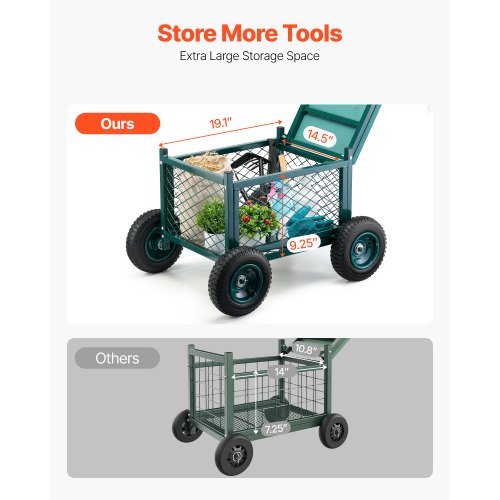
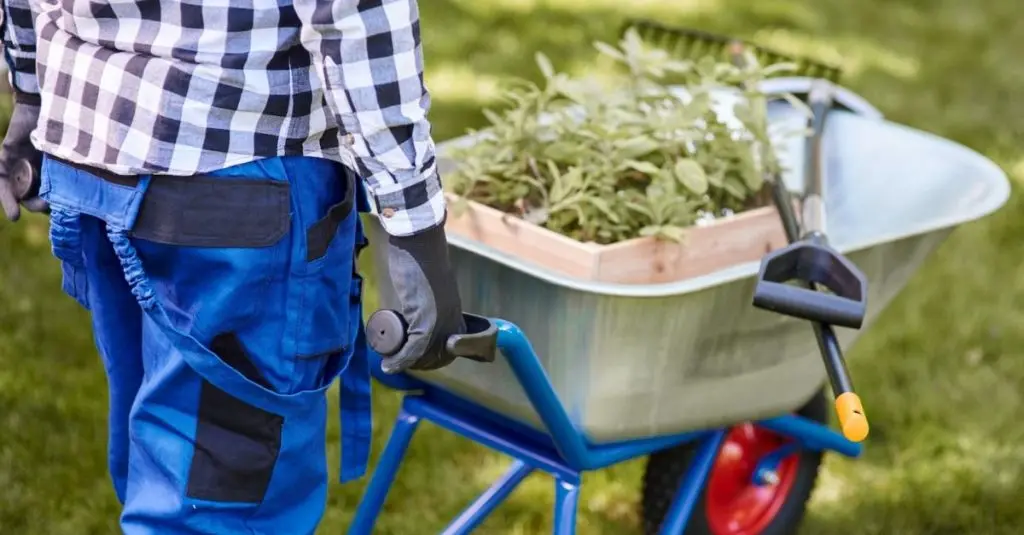
If you own a garden cart, you know how handy it can be for moving tools, soil, and plants around your yard. But what happens when you’re done using it?
Leaving your garden cart out in the open can cause rust, damage, or wear that shortens its life. You want to keep your cart in great shape so it’s ready whenever you need it. This guide will show you simple, effective ways to store your garden cart properly.
By following these tips, you’ll protect your investment and make your gardening easier and more enjoyable every time. Keep reading to discover the best storage ideas that fit your space and budget.
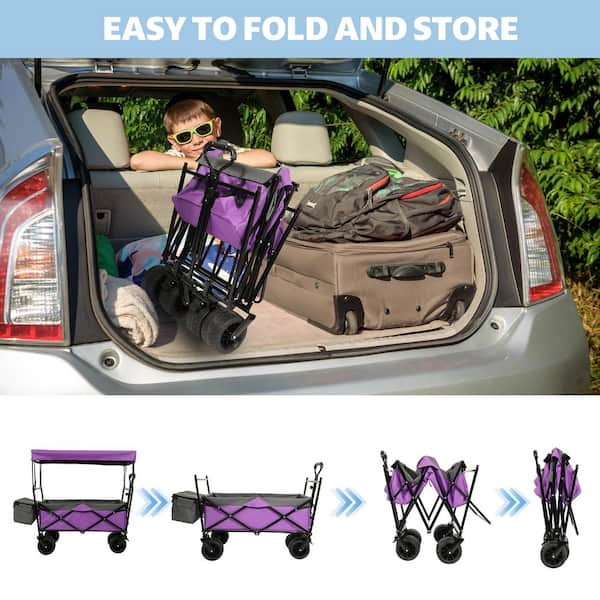
Credit: www.homedepot.com
Choose The Right Storage Spot
Storing your garden cart in the right spot keeps it safe and lasts longer. Pick a place that protects it from damage and is easy to reach.
Think about where you use your cart most and how often you need it. This helps you find the best storage place.
Indoor Vs Outdoor Storage
Storing your garden cart indoors keeps it safe from rain and sun. It also stops rust and dirt buildup.
Outdoor storage is easier but can cause wear. Use a cover to protect the cart if you store it outside.
- Indoor storage prevents weather damage
- Outdoor storage is convenient but risky
- Use covers for outdoor protection
Consider Weather Exposure
Weather can quickly damage your garden cart. Rain causes rust and sun fades paint.
Choose a spot that blocks wind, rain, and strong sunlight to keep your cart in good shape.
- Keep cart away from direct sunlight
- Find a dry place to avoid rust
- Shield from strong winds and storms
Maximize Available Space
Use storage spots that save space and keep your garden cart out of the way. This helps keep your yard tidy.
Store the cart near your garden tools or garage for easy access and better organization.
- Store cart vertically if possible
- Keep near garden tools for convenience
- Use wall hooks or shelves to save floor space
Prepare The Cart For Storage
Storing your garden cart properly keeps it in good shape. Taking time to prepare it helps avoid damage.
Follow simple steps to clean and check your cart before putting it away. This makes it ready for next use.
Clean And Dry Thoroughly
Wash the garden cart with water to remove dirt and mud. Use a brush for hard-to-reach areas.
Dry the cart completely to stop rust and mold. Leave it in the sun or use a clean cloth.
Remove Loose Dirt And Debris
Check the cart for loose leaves, twigs, and soil. Clear these out to keep the cart clean.
- Use a hand broom or brush to sweep off debris
- Shake the cart gently to remove loose dirt
- Check under the wheels and inside corners
Inspect For Damage
Look over the cart for cracks, rust, or broken parts. Finding damage early helps with repairs.
- Check the handles for looseness or cracks
- Look at the wheels for wear or flat spots
- Inspect the frame for rust or bent areas
- Tighten any loose bolts or screws
Storage Methods For Garden Carts
Garden carts need proper storage to stay in good shape. Storing them safely saves space and protects them from damage.
There are several ways to store a garden cart depending on your available space and tools. Choose a method that fits your needs.
Wall-mounted Racks
Wall-mounted racks hold garden carts off the ground. This method saves floor space in your garage or shed.
Use strong hooks or brackets to secure the cart. Make sure the wall can support the cart’s weight before mounting.
- Choose a sturdy wall near your garden tools
- Install heavy-duty hooks or brackets
- Lift the cart carefully onto the rack
- Keep the cart clean before storing
Sheltered Storage Sheds
Sheltered sheds protect garden carts from rain, sun, and snow. This helps prevent rust and wear on the cart.
Keep the cart inside the shed when not in use. Make sure the shed has enough room to move the cart easily.
- Choose a dry, ventilated shed
- Place the cart on a flat, clean surface
- Cover the cart with a tarp for extra protection
- Store other garden tools nearby for convenience
Under Deck Or Porch Storage
Under decks or porches are good spots to hide garden carts. This keeps them out of sight and shielded from some weather.
Make sure the space is dry and has good airflow. Use pallets or blocks to keep the cart off damp ground.
- Check for enough clearance under the deck or porch
- Place wood pallets or blocks to lift the cart
- Cover the cart with waterproof material if needed
- Keep the area clean and free of debris
Use Protective Covers
Garden carts need protection from weather and dirt. Using a cover is the best way to keep them safe.
Covers shield your cart from rain, sun, and dust. This keeps it in good condition for longer.
Choosing The Right Cover Material
Different materials offer different levels of protection. Choose a cover that fits your needs.
Some covers are made of plastic, while others use fabric. Consider where you store your cart before picking a cover.
- Plastic covers are waterproof but may not breathe well
- Fabric covers allow moisture to escape
- Heavy-duty covers last longer
Securing Covers Against Wind
Wind can blow covers off easily if not secured. Tie your cover tightly to avoid losing it.
Use ropes or straps to keep the cover in place. This prevents it from flapping in the wind.
- Secure all corners with ties or straps
- Check the cover regularly for loose ends
- Consider using weights to hold down edges
Breathable Vs Waterproof Covers
Some covers are waterproof, while others are breathable. Choose based on your climate.
Waterproof covers keep rain out but may trap moisture inside. Breathable covers let moisture escape but may let some water in.
| Waterproof | Keeps rain out |
| Breathable | Prevents mold |
Organize Surrounding Space
Storing your garden cart properly helps keep your outdoor area neat. Organizing the space around it makes your work easier.
Good organization saves time and protects your tools from damage. Use smart ideas to keep everything tidy near your garden cart.
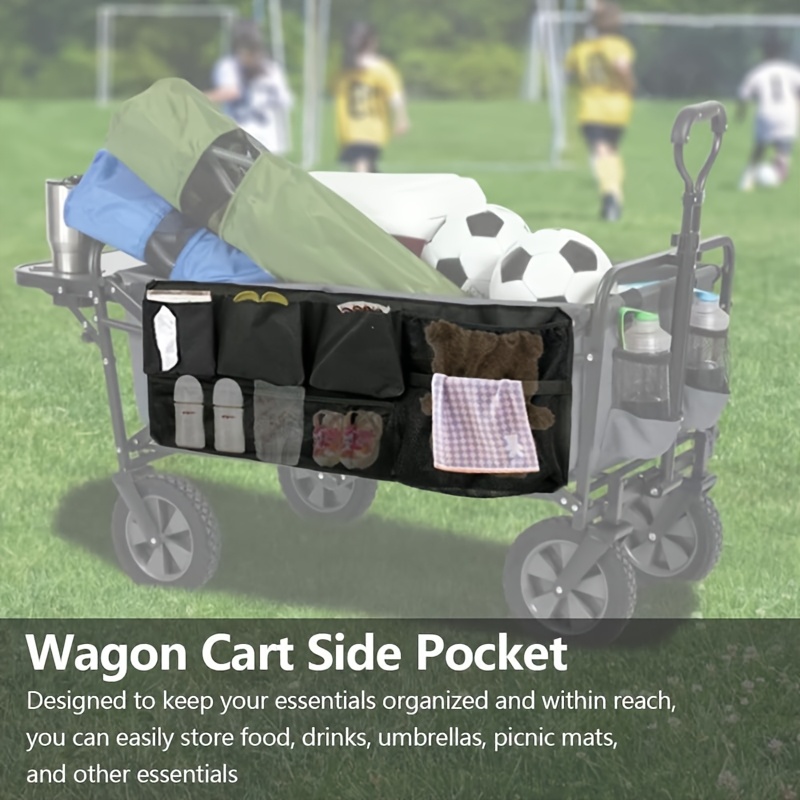
Store Tools And Accessories Together
Keep all garden tools and accessories close to your cart. This way, you can find what you need quickly.
Group similar items like gloves, hand tools, and plant ties in one spot. Use boxes or bins to keep small parts safe.
- Store gloves, pruners, and trowels in one container
- Keep plant ties and seed packets together
- Use small bins to prevent losing tiny items
Use Hooks And Shelves
Hooks and shelves help you use wall space around your cart. Hang tools to keep floors clear and easy to clean.
Install hooks for rakes and shovels. Use shelves for pots, soil bags, and watering cans.
- Mount hooks at different heights for various tools
- Place shelves near the cart for quick access
- Keep heavy items on lower shelves for safety
Label Storage Areas
Labeling storage spaces helps you find items faster. It also helps keep the area organized over time.
Use clear labels on bins, shelves, and hooks. This makes it easy for everyone to put tools back in the right place.
- Label bins for small parts and accessories
- Mark shelves with the type of items stored
- Use weather-resistant labels for outdoor spaces
Credit: www.vevor.com
Seasonal Storage Tips
Proper storage helps your garden cart last longer. Seasonal care keeps it ready for any job.
Follow simple steps to protect your cart during winter and off-season months. Prepare it well for spring use.
Winterizing Your Cart
Clean your garden cart before winter storage. Remove dirt, mud, and plant residues to avoid damage.
- Wash the cart with water and mild soap
- Dry it completely to prevent rust
- Check for any loose or broken parts
- Apply a rust-resistant spray if needed
Maintaining During Off-season
Store your garden cart in a dry, sheltered place. Avoid leaving it outside where rain or snow can reach it.
| Storage Location | Advantages |
| Garage | Protects from weather and theft |
| Shed | Keeps cart dry and safe |
| Covered patio | Good airflow but less protection |
Preparing For Spring Use
Before using your garden cart in spring, inspect it carefully. Fix any damage and clean it again.
- Check tire pressure and inflate if needed
- Lubricate moving parts for smooth operation
- Tighten bolts and screws
- Test the cart for stability and ease of use
Credit: www.temu.com
Frequently Asked Questions
How Do I Prepare A Garden Cart For Storage?
Clean the cart thoroughly to remove dirt and debris. Dry it completely to avoid rust or mold. Inspect for damage and repair if needed. Store in a dry, covered area to protect from weather elements and prolong its lifespan.
Where Is The Best Place To Store A Garden Cart?
Store the garden cart in a dry, sheltered location like a shed or garage. Avoid leaving it outside exposed to rain or sun. Proper storage prevents rust, fading, and damage, keeping the cart in good working condition longer.
Should I Cover My Garden Cart During Storage?
Yes, cover your garden cart with a waterproof tarp or cover. This protects it from dust, moisture, and UV rays. A proper cover extends the cart’s life by preventing rust and weather-related damage during storage.
Can I Store A Garden Cart Outside Safely?
Storing outside is possible but not ideal. Use a waterproof cover and place the cart on a raised surface to avoid water damage. However, indoor storage is better for long-term protection against weather and pests.
Conclusion
Storing your garden cart properly keeps it in good shape. Choose a dry, sheltered spot to avoid rust and damage. Clean the cart before storing to remove dirt and debris. Cover it with a tarp or cloth to protect from dust and rain.
Regular checks help spot issues early and extend the cart’s life. A little care makes your garden cart last longer and work better. Simple steps, big benefits. Keep your garden tools ready for the next project.

