
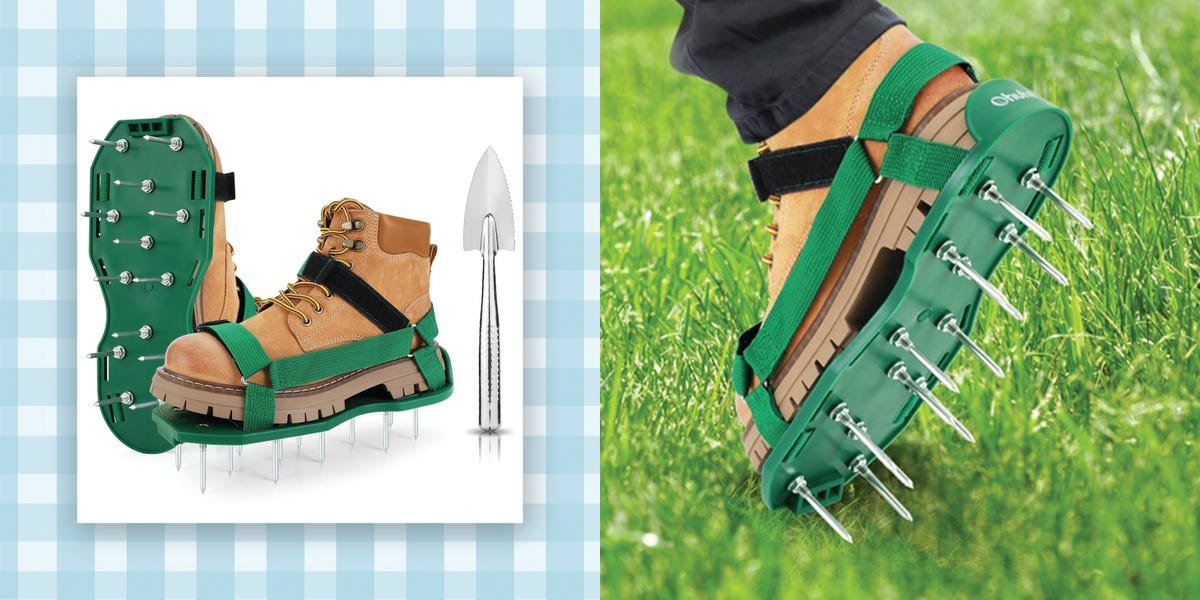
Are you struggling with a patchy, unhealthy lawn that just won’t grow the way you want? Using lawn aerator shoes could be the simple solution you need to breathe new life into your grass.
These easy-to-use tools help your lawn soak up water, nutrients, and air more effectively, leading to a greener, thicker yard. You’ll discover exactly how to use lawn aerator shoes to transform your lawn quickly and with minimal effort. Keep reading, and you’ll be one step closer to the lush lawn you’ve always wanted.

Credit: www.countryliving.com
Benefits Of Lawn Aerator Shoes
Lawn aerator shoes help improve your lawn’s health by creating small holes in the soil. These holes allow air, water, and nutrients to reach deeper into the ground. Using these shoes is an easy way to care for your grass without heavy equipment.
Regular use of lawn aerator shoes can lead to a stronger, greener lawn. They help fix compacted soil and make it easier for roots to grow. Here are some key benefits you will notice.
Improved Soil Aeration
Soil aeration is important because it lets air flow into the soil. Lawn aerator shoes create small holes that improve oxygen levels in the soil. Better air flow helps soil microbes stay healthy and supports root growth.
- Reduces soil compaction
- Increases oxygen for roots
- Supports healthy soil bacteria
Enhanced Nutrient Absorption
When soil is loose, roots can absorb nutrients better. Lawn aerator shoes help nutrients reach deep roots by opening the soil surface. This allows fertilizers and natural nutrients to work more effectively.
| Benefit | Effect on Lawn |
| Loosened soil | Better root growth |
| Increased nutrient flow | Stronger grass |
| Improved fertilizer use | Less waste |
Better Water Penetration
Water can reach deeper into the soil with aerator shoes. This helps roots get enough moisture and reduces water runoff. It also keeps your lawn greener during dry spells.
Tips for better water penetration:
- Wear aerator shoes and walk evenly across your lawn.
- Use after rainfall or watering for best results.
- Repeat regularly during the growing season.
Choosing The Right Lawn Aerator Shoes
Lawn aerator shoes help improve your lawn by making holes in the soil. They let air, water, and nutrients reach the grass roots. Choosing the right shoes makes the job easier and safer.
There are different types of aerator shoes. You should think about the material, durability, and fit. These factors affect how well the shoes work and how comfortable they feel.
Types Of Aerator Shoes
Aerator shoes come in many styles. Some have spikes, others have hollow tines. Each type works differently on your lawn.
- Spike Aerator Shoes:Use solid spikes to poke holes in the soil.
- Hollow Tine Aerator Shoes:Remove small plugs of soil to reduce compaction.
- Adjustable Aerator Shoes:Allow you to change spike length or type.
Material And Durability
Look for aerator shoes made with strong materials. Steel spikes and sturdy soles last longer. Plastic parts may break easily.
Durable shoes handle rough ground and last through many uses. Check if the spikes are rust-resistant to stay sharp.
- Steel spikes resist wear and tear
- Heavy-duty soles provide stability
- Rust-resistant finishes increase lifespan
- Quality fasteners keep shoes secure
Size And Fit Considerations
Choose shoes that fit your feet well. Too tight or loose shoes make walking hard. Proper fit improves comfort and safety.
Check if the shoes have adjustable straps. This helps keep the shoes snug. Wear them with the socks you plan to use for the best fit.
- Measure your foot size before buying
- Look for adjustable straps or buckles
- Try shoes with lawn work socks on
- Choose shoes with padding for comfort
Preparing Your Lawn For Aeration
Using lawn aerator shoes helps improve soil health and grass growth. Preparing your lawn properly ensures the best results.
Before you put on the aerator shoes, take time to ready your lawn with simple steps. This makes the aeration easier and more effective.
Mowing The Grass
Cut the grass shorter than usual before aerating. This helps the shoes reach the soil better. Keep the mower blade sharp for a clean cut.
- Set mower to a lower height than normal
- Cut the lawn evenly across the entire area
- Remove grass clippings to avoid clogging aerator shoes
Watering The Soil
Water your lawn one or two days before aerating. Moist soil is easier to penetrate with aerator shoes. Avoid soggy or dry ground.
| Soil Condition | Watering Advice |
| Dry | Water deeply 1-2 days before |
| Moist | Ready for aeration |
| Wet or muddy | Wait for soil to dry |
Clearing Debris
Remove sticks, stones, leaves, and other debris from your lawn. Debris can block the spikes and make walking unsafe.
Follow these tips to clear debris effectively:
- Rake the lawn thoroughly
- Pick up large stones and sticks by hand
- Use a leaf blower to remove smaller debris
- Check the lawn again before putting on aerator shoes

Credit: www.amazon.ca
Step-by-step Guide To Using Aerator Shoes
Lawn aerator shoes help improve soil health by creating small holes. These holes allow air, water, and nutrients to reach grass roots. Using aerator shoes is simple and effective for lawn care.
This guide shows you how to use aerator shoes correctly. Follow these steps for the best results on your lawn.
Securing The Shoes
Properly securing the aerator shoes ensures safety and effectiveness. Make sure the straps fit tightly around your shoes. Loose straps can cause slipping and uneven aeration.
- Place the aerator shoes on a flat surface.
- Step into the shoes and adjust your footwear comfortably.
- Fasten the straps starting from the toe area.
- Tighten the straps around your heel and ankle.
- Check that the shoes do not move when you walk.
Walking Technique
Walking with the right technique helps evenly aerate your lawn. Take slow and steady steps to allow the spikes to penetrate the soil fully. Avoid dragging your feet to prevent turf damage.
- Start at one corner of your lawn.
- Walk straight in a slow, controlled manner.
- Lift your feet high enough to avoid catching on the grass.
- Take small steps to let the spikes go deep.
- Turn carefully at the lawn edges to cover all areas.
Coverage Tips
Good coverage is key for effective aeration. Plan your path to avoid missing spots. Overlapping slightly helps ensure full lawn aeration without gaps.
| Tip | Details |
| Overlap Paths | Walk with slight overlap to cover all areas. |
| Work in Rows | Complete one row before moving to the next. |
| Mark Lawn Edges | Use markers to avoid missing edges. |
| Check Soil | Aerate when soil is moist but not wet. |
Aftercare For Your Lawn
Using lawn aerator shoes helps your grass grow stronger by letting air reach the roots. After aerating, your lawn needs care to heal well and stay healthy. This guide covers watering, fertilizing, and keeping heavy traffic off your lawn.
Proper aftercare ensures your lawn recovers quickly and looks green and fresh. Follow these simple steps to protect your lawn after aeration.
Watering Schedule
Water your lawn right after aerating to help the soil settle and the roots absorb moisture. Keep the soil moist but not soaked. Too much water can cause damage.
- Water deeply for about 20 minutes each session
- Water 2 to 3 times a week depending on rain
- Water early in the morning or late in the evening
- Stop watering before the soil gets soggy
Fertilizing Recommendations
Apply fertilizer after aerating to give your grass the nutrients it needs. Aeration helps fertilizer reach the roots better. Use a balanced fertilizer with nitrogen, phosphorus, and potassium.
| Nutrient | Benefit | When to Apply |
| Nitrogen (N) | Promotes leaf growth | Apply 1 week after aeration |
| Phosphorus (P) | Strengthens roots | Apply at aeration or before |
| Potassium (K) | Improves stress resistance | Apply 2 weeks after aeration |
Avoiding Heavy Traffic
Keep foot traffic and heavy equipment off your lawn after aeration. The soil is soft and can be damaged easily. Avoid walking or mowing for at least two days.
- Mark aerated areas with signs or flags
- Use paths or driveways to avoid stepping on the lawn
- Delay lawn mowing until grass has grown back
- Limit pets from running on the lawn during recovery
Maintaining Your Aerator Shoes
Lawn aerator shoes are great for keeping your lawn healthy. They allow air, water, and nutrients to reach the roots. Proper maintenance extends their life and ensures effectiveness.
Follow these simple steps to keep your aerator shoes in top condition. Learn cleaning tips, storage advice, and how to inspect for wear.
Cleaning Tips
Cleaning your aerator shoes after use prevents rust and buildup. This ensures they remain effective for a long time.
- Rinse shoes with a garden hose to remove dirt.
- Use a brush for stuck-on mud.
- Dry them completely to prevent rust.
Storage Advice
Proper storage keeps your aerator shoes safe and ready for use. It is important to store them in a dry place.
- Store shoes in a cool, dry area.
- Avoid damp places to prevent rust.
- Keep away from direct sunlight.
Inspecting For Wear
Check your aerator shoes regularly for signs of wear. This helps you know when it’s time for repairs or replacement.
| Inspection Point | What to Look For |
| Soles | Cracks or excessive wear |
| Straps | Tears or weak spots |
| Spikes | Bending or dullness |
Common Mistakes To Avoid
Lawn aerator shoes are a handy tool for keeping your lawn healthy. They help improve soil aeration. But, using them wrong can harm your lawn. Here are common mistakes people make.
Overusing Aerator Shoes
Using aerator shoes too often can damage your lawn. The spikes create holes to allow air and water in. But too many holes can stress the grass. This can lead to thinning and weak growth.
- Use aerator shoes once a month.
- Check the lawn’s condition before each use.
- Avoid using them after heavy rain.
Ignoring Soil Conditions
Soil conditions play a big role in aeration. Using aerator shoes on dry soil can be ineffective. Spikes won’t penetrate well. Wet soil can become compacted, harming the grass roots.
- Aerate when the soil is moist, not soggy.
- Test soil moisture with a simple squeeze test.
- Adjust your aeration schedule based on the weather.
Walking Incorrectly
How you walk with aerator shoes matters. Walking in straight lines ensures even coverage. Random walking can create uneven aeration. This leads to patches of poor growth.
- Walk in straight lines across the lawn.
- Cover the entire area evenly.
- Overlap slightly to ensure no spots are missed.

Credit: www.amazon.ca
Frequently Asked Questions
What Are Lawn Aerator Shoes Used For?
Lawn aerator shoes help improve soil drainage and root growth. They create small holes by puncturing the soil. This allows air, water, and nutrients to reach grass roots easily. Using them regularly keeps your lawn healthy and lush.
How Do You Properly Use Lawn Aerator Shoes?
Wear the shoes over your regular footwear. Walk slowly across your lawn in straight lines. Cover the entire lawn evenly for best results. Avoid using them on wet or frozen ground. Clean them after use to maintain sharp spikes.
When Is The Best Time To Use Aerator Shoes?
The best time is during early spring or fall. These seasons provide moist soil, ideal for aeration. Avoid extremely dry or frozen conditions. Aerating in these periods promotes strong root growth and healthier grass.
Can Lawn Aerator Shoes Damage My Grass?
If used correctly, they won’t damage your grass. Avoid excessive pressure or walking repeatedly on one spot. Proper use creates beneficial holes without harming roots. Always follow manufacturer instructions for safe use.
Conclusion
Lawn aerator shoes help your grass grow strong and healthy. They allow air, water, and nutrients to reach roots easily. Use them regularly to avoid soil compaction. Walk slowly and cover the entire lawn for best results. Your lawn will feel softer and look greener soon.
Simple steps bring great changes. Try aerator shoes this season and enjoy a better yard.
