
Are you tired of spending hours trimming and fixing the edges of your lawn? Imagine having a yard that looks neat and stylish without the constant upkeep.
Low maintenance lawn edging can save you time, effort, and frustration while giving your outdoor space a clean, polished look. You’ll discover simple and effective edging ideas that keep your lawn tidy with minimal work. Keep reading, and you’ll find the perfect solution to make your lawn the envy of the neighborhood—without the hassle.
Benefits Of Low Maintenance Edging
Low maintenance lawn edging helps you keep your yard neat with less work. It makes your outdoor space easier to care for all year long.
Choosing the right edging can save time and effort while making your lawn stronger and more attractive.
Saves Time And Effort
Low maintenance edging reduces the need for frequent trimming and repairs. It keeps grass and weeds from spreading into flower beds or walkways.
- Requires less mowing along edges
- Limits weed growth between lawn and garden
- Reduces the need for edging tools and chemicals
- Lasts longer without frequent replacement
Enhances Lawn Durability
Strong edging protects your lawn from damage caused by foot traffic and weather. It creates a clear barrier that keeps soil and mulch in place.
| Edging Type | Durability | Maintenance Level |
| Plastic | Moderate | Low |
| Metal | High | Low |
| Stone | Very High | Very Low |
| Wood | Low | Moderate |
Improves Curb Appeal
Well-defined edging gives your lawn a clean, finished look. It makes your yard look tidy and cared for all year.
- Creates sharp lines between lawn and flower beds
- Adds texture and color contrast
- Highlights garden features and pathways
- Boosts overall landscape design
Popular Edging Materials
Lawn edging helps keep grass and plants neat. It defines your garden and makes mowing easier.
Choosing the right edging material affects how much work you do. Some materials last longer and need less care.
Natural Stone Options
Natural stone gives a classic and sturdy look to lawns. Stones like flagstone or river rocks fit many garden styles.
They last a long time and need little upkeep. Stones do not rust or break easily and blend well with plants.
- Flagstone: flat and easy to stack
- River rocks: smooth and rounded
- Slate: thin and dark-colored
- Granite: strong and weather-resistant
Metal Edging Choices
Metal edging is thin and flexible. It creates clean, sharp lines for modern garden designs.
Common metals used are steel and aluminum. They resist damage and last for years with little care.
- Steel: strong and easy to shape
- Aluminum: lightweight and rust-resistant
- Corten steel: rusts for a natural look
Plastic And Composite Materials
Plastic edging is lightweight and easy to install. It often comes in rolls or pre-cut sections.
Composite materials mix plastic with wood or stone fibers. This makes them strong and weatherproof.
- Flexible plastic: curves around shapes
- Composite boards: look like wood but last longer
- Recycled plastics: eco-friendly and durable
Brick And Concrete Alternatives
Brick and concrete create solid, classic borders. They fit well in formal or traditional gardens.
Concrete blocks come in many shapes and sizes. Bricks add texture and color to your edging.
- Standard bricks: easy to stack and arrange
- Paving stones: smooth and uniform
- Concrete blocks: heavy and durable
Easy Installation Tips
Installing lawn edging can make your garden look tidy. It also keeps the lawn and flower beds separate.
Here are some easy tips to install lawn edging with minimal effort. Follow these steps for a clean and neat garden.
Preparing The Lawn Edge
Before you start, make sure the lawn is well-prepared. This makes installation easier and more effective.
First, mark the area where you want to install the edging. Use a garden hose or string for accuracy.
- Ensure the ground is level.
- Remove any rocks or debris.
- Water the soil to soften it.
Tools You’ll Need
Having the right tools makes the job simpler. Gather your tools before you start installing the lawn edging.
- Spade or shovel
- Rubber mallet
- Garden gloves
- Measuring tape
- Edging material
Step-by-step Installation Guide
Follow these steps to install your lawn edging easily. Take your time for the best results.
Begin by digging a trench along the marked line. The trench should be deep enough for the edging material.
- Place the edging into the trench.
- Use the mallet to secure it firmly.
- Fill in any gaps with soil.
- Check the edging is straight and even.
:max_bytes(150000):strip_icc()/spr-easyflex-no-dig-landscape-edging-kit-laura-hard-04-b601fc0708bc4522930427eca7d4168c.jpeg)
Credit: www.thespruce.com
Durable Edging Designs
Choosing the right edging design helps keep your lawn tidy and neat. Durable edging lasts longer and needs less care.
Good edging controls grass growth and defines garden beds clearly. It also protects your lawn from damage.
Raised Borders
Raised borders lift the edge above the lawn level. They stop grass from spreading into flower beds or paths.
- Use bricks or stones stacked one on another
- Install concrete blocks for a solid barrier
- Try timber sleepers for a natural look
- Keep the height about 4 to 6 inches above ground
Flush Edging Styles
Flush edging sits level with the lawn surface. It creates a smooth transition between lawn and garden areas.
| Material | Durability | Appearance |
| Metal | Very high | Modern, sharp lines |
| Plastic | Medium | Flexible, less visible |
| Concrete | High | Clean and solid look |
| Stone | High | Natural, rustic style |
Flexible Curved Edges
Flexible edging bends easily to follow curves in your garden design. It suits paths and rounded beds.
Common flexible edging materials include:
- Rubber strips recycled from tires
- Plastic strips with metal stakes
- Thin metal bands that can be shaped by hand
Styling Your Lawn Edging
Choosing the right style for your lawn edging makes your yard look neat. It also helps keep grass and plants separate.
Simple ideas can create a clean, low maintenance border that lasts long and looks great.
Color Coordination
Pick edging colors that match your lawn and garden. This adds harmony and style to your outdoor space.
Neutral colors like gray, brown, or black blend well with most plants. Bright colors can add fun accents.
- Use dark edges to highlight green grass
- Match edging color with mulch or stones
- Choose colors that fade well in sunlight
Texture And Pattern Ideas
Texture adds interest to your lawn edging without extra work. Patterns can make simple borders look stylish.
Try different materials like stone, brick, or metal for unique textures. Patterns like zigzags or curves create movement.
- Stone edges give a natural, rough texture
- Brick adds a classic, smooth look
- Metal can be sleek and modern
- Curved patterns soften sharp lawn lines
- Zigzag shapes add a playful touch
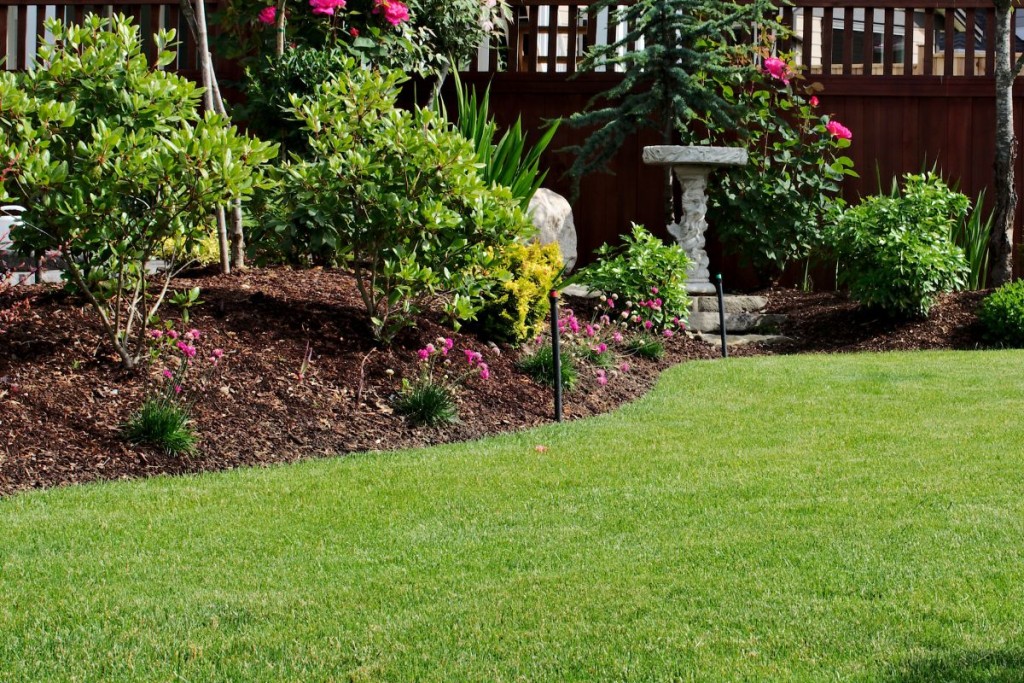
Incorporating Plants And Lighting
Adding plants near your edging softens the border and makes it more inviting. Low-growing plants work best.
Lighting highlights your edging at night. Solar or LED lights are low maintenance and easy to install.
- Plant ground covers like creeping thyme or moss
- Use small shrubs for height contrast
- Place solar path lights along edges
- Use soft lighting to create cozy spaces
Credit: laidbackgardener.blog
Maintenance Tips For Long-lasting Edging
Keeping your lawn edging in good shape extends its life and keeps your yard neat. Proper maintenance is key to ensuring your edging stays effective and attractive.
This guide provides simple tips for cleaning, seasonal care, and preventing weed growth around your lawn edging.
Cleaning And Repairs
Regular cleaning removes dirt and debris that can damage edging materials. Check for any repairs needed to keep it functional.
- Brush off dirt and leaves weekly.
- Inspect for cracks or damage monthly.
- Repair or replace damaged sections promptly.
Seasonal Care
Each season brings different challenges for lawn edging. Adjust your care routine to match the weather conditions.
| Season | Care Tips |
| Spring | Clear away winter debris and check for frost damage. |
| Summer | Water the soil to prevent it from cracking. |
| Fall | Remove fallen leaves to avoid moisture build-up. |
| Winter | Cover edges with mulch to protect from frost. |
Preventing Weed Growth
Weeds can undermine the effectiveness of your lawn edging. Consistent prevention helps maintain its appearance and function.
Cost Considerations
Choosing low maintenance lawn edging can save money over time. It is important to look at costs from start to finish.
Material prices and installation fees affect your budget. Long-term savings make some options better investments.
Material Expenses
Materials vary in price based on type and quality. Common choices include plastic, metal, stone, and wood. Plastic is usually cheapest but may not last as long. Stone and metal cost more but offer durability.
- Plastic edging: low cost, easy to install
- Metal edging: moderate cost, durable
- Stone edging: high cost, natural look
- Wood edging: moderate cost, natural but less durable
Installation Costs
Installation expenses depend on your choice to DIY or hire help. Some materials require special tools or skills. Labor costs can add up if you hire professionals.
| Installation Type | Cost Range | Notes |
| DIY | $0 – $100 | Only materials and tools needed |
| Professional | $200 – $800 | Depends on lawn size and material |
| Partial DIY | $50 – $400 | Some tasks done by you, some by pros |
Long-term Savings
Good edging reduces lawn care time and keeps grass from spreading. Durable materials lower replacement needs. These factors save money over years.
- Less frequent repairs or replacement
- Reduced lawn mowing and trimming time
- Improved lawn health prevents costly fixes
- Materials that resist weather and pests

Credit: www.youtube.com
Frequently Asked Questions
What Are The Best Low Maintenance Lawn Edging Materials?
The best low maintenance lawn edging materials include metal, plastic, and stone. These materials resist weather damage and require minimal upkeep. They prevent grass overgrowth and keep garden beds tidy with little effort. Choose materials that suit your yard’s style and durability needs.
How Does Low Maintenance Lawn Edging Improve Garden Appearance?
Low maintenance lawn edging creates clean, defined borders between lawns and flower beds. This neat separation enhances the garden’s overall look. It also prevents soil erosion and weed spread. With less upkeep, your garden stays attractive and organized effortlessly.
Can Low Maintenance Lawn Edging Save Time On Yard Work?
Yes, low maintenance lawn edging significantly reduces yard work time. It limits grass spreading into flower beds, cutting down on trimming. Durable materials need little repair or replacement. This means fewer garden chores and more time to enjoy your outdoor space.
Are There Eco-friendly Low Maintenance Lawn Edging Options?
Eco-friendly low maintenance edging options include recycled plastic and natural stone. These materials are sustainable and long-lasting. They minimize environmental impact while maintaining garden boundaries effectively. Choose eco-friendly edging to support green gardening practices.
Conclusion
Choosing low maintenance lawn edging saves time and effort. It keeps your yard neat without constant care. Simple materials like stone, metal, or plastic work well. These options resist weather and need little upkeep. You can enjoy a tidy lawn all year round.
Try one of these easy ideas for your garden. A neat edge makes your outdoor space look great. Start with small steps and see the difference. Your lawn will thank you for it.

