
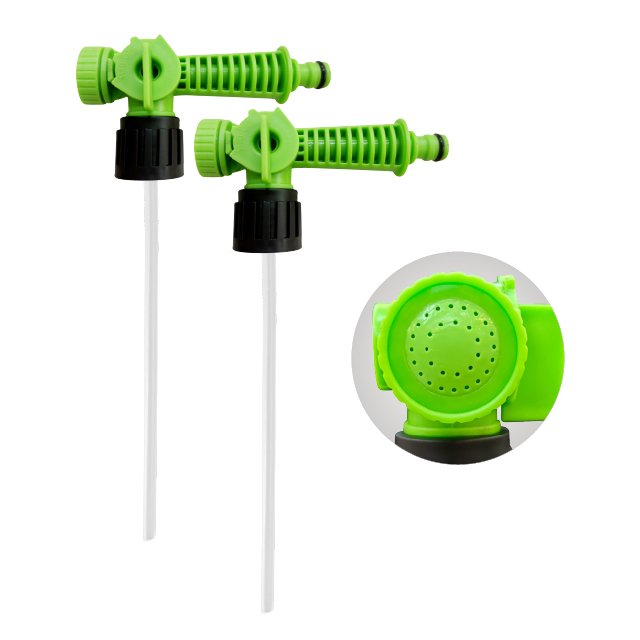
Are you tired of uneven fertilizer application that wastes your time and money? Using a hose end sprayer for fertilizer can change the way you care for your lawn or garden.
It makes spreading fertilizer faster, easier, and more precise. Imagine getting a lush, green yard without the hassle or guesswork. You’ll discover why a hose end sprayer is a smart choice for your fertilizing needs—and how it can help you achieve better results with less effort.
Keep reading to find out how this simple tool can make a big difference for your plants and your peace of mind.
Credit: www.canadiantire.ca
Benefits Of Hose End Sprayers
Using a hose end sprayer makes applying fertilizer easier and faster. It connects directly to your garden hose.
This tool helps spread fertilizer evenly across your lawn or garden without much effort.
Time-saving Application
A hose end sprayer covers large areas quickly. It mixes fertilizer with water and sprays it instantly.
- Attach the sprayer to your hose
- Turn on the water
- Spray fertilizer while walking
- Finish faster than manual spreading
Even Fertilizer Distribution
These sprayers help spread fertilizer evenly to avoid patchy growth. The mixture flows smoothly through the nozzle.
| Method | Distribution Quality |
| Hose End Sprayer | Even and consistent |
| Manual Spreading | Uneven, risk of clumps |
| Handheld Sprayer | Moderate, depends on user |
Ease Of Use
Hose end sprayers require little skill to operate. They are light and easy to hold during use.
- Simple attachment to garden hose
- Adjustable dial for fertilizer strength
- No need to mix chemicals by hand
- Clean and mess-free application
How Hose End Sprayers Work
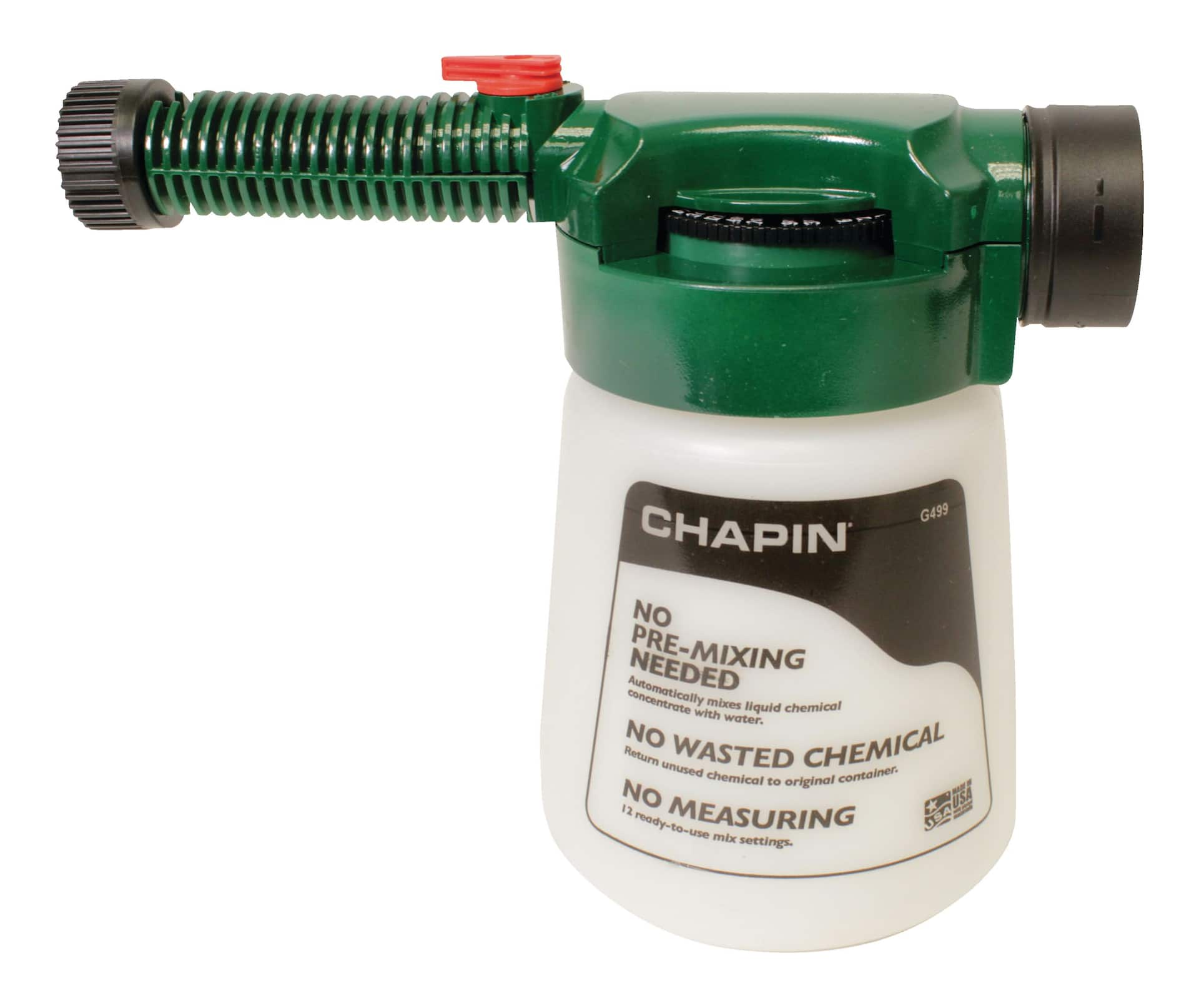
A hose end sprayer helps you apply fertilizer evenly over your lawn or garden. It mixes fertilizer with water and sprays the mixture through a garden hose.
This tool saves time and makes fertilizing easier. It uses simple parts to connect, mix, and spray the fertilizer solution.
Connection To Water Source
The sprayer attaches directly to your outdoor water faucet or garden hose. This connection allows water to flow through the sprayer.
Water pressure from the hose powers the sprayer and helps mix the fertilizer with water.
- Connect sprayer to faucet or hose end
- Turn on water to start flow
- Water pressure activates sprayer mechanism
Mixing Mechanism
The sprayer has a container for fertilizer concentrate. Water passing through the sprayer pulls fertilizer from this container.
Inside the sprayer, water and fertilizer mix to create a diluted solution for spraying.
- Fertilizer stored in sprayer bottle
- Water flow draws fertilizer into stream
- Mixing chamber blends water and fertilizer
- Solution is ready for spraying
Spray Patterns
Most hose end sprayers let you change the spray pattern. This controls how the fertilizer spreads over your lawn or plants.
You can select patterns like a wide spray, a narrow stream, or a mist to suit different needs.
- Wide spray covers large areas quickly
- Narrow stream targets specific spots
- Mist is gentle for delicate plants
- Adjustable nozzle controls flow and pattern
Types Of Fertilizers Compatible
Using a hose end sprayer for fertilizer helps apply nutrients evenly across your lawn or garden. It works best with certain types of fertilizers. Knowing which fertilizers are compatible ensures the sprayer works well and plants get the right care.
This guide covers three main types of fertilizers that fit well with hose end sprayers. Each type has unique features and uses that affect how you apply them.
Liquid Fertilizers
Liquid fertilizers dissolve completely in water and flow easily through the sprayer. They allow quick nutrient absorption by plants. These fertilizers work well for fast feeding and easy mixing.
- Contain nitrogen, phosphorus, and potassium in liquid form
- Suitable for lawns, flowers, and vegetable gardens
- Easy to apply evenly with hose end sprayers
- Require dilution according to package instructions
Water-soluble Granules
Water-soluble granules dissolve quickly in water. They are solid but turn into liquid when mixed. Hose end sprayers can spray these fertilizers if they dissolve fully, avoiding clogging.
| Type | Features | Use Tips |
| Fast-Release Granules | Dissolve rapidly in water | Mix well before spraying |
| Slow-Release Granules | Take longer to dissolve | May clog sprayer, check solubility |
| Complete N-P-K Granules | Balanced nutrients | Use as directed for best results |
Organic Options
Organic fertilizers include natural materials like compost and plant extracts. Some organic liquids work well with hose end sprayers, but solids may cause blockages.
- Liquid seaweed and fish emulsions spray smoothly
- Compost teas can be used if strained well
- Granular organic fertilizers need special handling
- Always check sprayer compatibility before use
Credit: www.ilotchina.com
Choosing The Right Sprayer
Using a hose end sprayer makes applying fertilizer easy and even. Picking the right sprayer helps you save time and avoid waste.
There are many sprayers available. Look for features that fit your yard size and fertilizer type.
Capacity And Size
Sprayers come in different sizes. Choose one that holds enough fertilizer for your yard without being too heavy.
A larger capacity means fewer refills. A smaller size is easier to carry and store.
- Small sprayers are good for small gardens.
- Medium sizes fit average yards well.
- Large sprayers suit big lawns or farms.
Adjustable Settings
Adjustable settings let you control how much fertilizer sprays out. This helps avoid over or under fertilizing.
Look for sprayers with easy-to-change settings to match different fertilizer types and plant needs.
- Flow rate controls how fast fertilizer sprays.
- Mix ratio adjusts fertilizer strength.
- Spray pattern changes coverage area.
Durability And Material
Choose sprayers made from strong materials that last. Good durability means fewer repairs or replacements.
Plastic sprayers are light but may crack. Metal sprayers resist damage but can be heavier.
- Look for UV-resistant plastic to prevent sun damage.
- Check for rust-proof metal parts.
- Strong seals stop leaks.
Tips For Effective Fertilizing
Using a hose end sprayer helps spread fertilizer evenly. It makes fertilizing easier and faster.
To get the best results, you should follow some simple tips. Proper use of the sprayer keeps your plants healthy.
Proper Dilution Ratios
Always check the fertilizer label for the right dilution ratio. Too strong a mix can harm plants, while too weak may not help.
Use clean water and measure carefully. Mixing the right amount keeps your plants safe and nourished.
- Read the instructions on the fertilizer package
- Mix fertilizer with water in the correct ratio
- Use a measuring cup or tool for accuracy
- Fill the sprayer tank with water before adding fertilizer
Optimal Application Timing
Apply fertilizer at the right time of day. Early morning or late afternoon is best to avoid sun damage.
Fertilize during the growing season for most plants. Avoid heavy rain days to prevent washing away nutrients.
- Choose cooler parts of the day to spray
- Fertilize when plants are actively growing
- Skip fertilizing if heavy rain is forecasted
- Follow seasonal guidelines for your plant type
Maintenance And Cleaning
Clean your hose end sprayer after each use. This prevents clogging and keeps it working well.
Check for leaks and damage regularly. Proper care extends the life of your sprayer and saves money.
- Rinse the sprayer with clean water after use
- Remove and clean nozzles to avoid blockages
- Store the sprayer in a dry place
- Inspect hoses and seals for cracks or leaks

Credit: www.amazon.ca
Common Mistakes To Avoid
Using a hose end sprayer for fertilizer can be very effective. Yet, common mistakes might reduce its benefits.
Here are some errors to avoid to ensure your lawn or garden thrives.
Over-fertilizing
Applying too much fertilizer can damage plants. It can also harm the environment.
- Read the fertilizer instructions carefully.
- Measure the area you plan to spray.
- Use only the recommended amount of fertilizer.
Ignoring Weather Conditions
Weather plays a big role in how well your fertilizer works. Spraying at the wrong time can waste your efforts.
Check the weather forecast before you spray:
- Rain can wash away fertilizer.
- High winds scatter spray unevenly.
- Hot days cause quick evaporation.
Incorrect Sprayer Calibration
Proper sprayer calibration ensures even application. Incorrect settings lead to patchy results.
| Sprayer Setting | Effect |
| Too High | Over-saturation |
| Too Low | Under-fertilization |
| Just Right | Balanced growth |
Frequently Asked Questions
What Is A Hose End Sprayer For Fertilizer?
A hose end sprayer attaches to your garden hose for easy fertilizer application. It mixes and sprays fertilizer evenly. This tool saves time and reduces mess. It ensures plants get the right nutrient amount. It’s ideal for lawns, gardens, and shrubs.
How Does A Hose End Sprayer Work?
The sprayer uses water pressure to mix fertilizer concentrate with water. It evenly distributes the solution through the nozzle. You control the concentration by adjusting the dial. This method ensures consistent coverage and prevents over-fertilizing. It simplifies the feeding process for your plants.
Why Choose A Hose End Sprayer Over Manual Spreading?
Hose end sprayers provide uniform fertilizer application without heavy labor. They reduce the risk of uneven nutrient distribution. This method minimizes fertilizer waste and runoff. It’s quicker and less messy than manual spreading. It also allows for easy spot treatment of plants.
Can Hose End Sprayers Be Used With Liquid Fertilizers?
Yes, hose end sprayers are designed for liquid fertilizers. They mix the concentrate with water automatically. This makes feeding plants efficient and consistent. Always follow manufacturer guidelines for compatibility. Using the correct fertilizer type prevents clogging and damage.
Conclusion
Using a hose end sprayer makes fertilizer application fast and simple. It helps spread nutrients evenly across your plants. This tool saves time and reduces waste. You control how much fertilizer reaches your garden. It fits easily on your garden hose.
Anyone can use it without special skills. Choosing a hose end sprayer supports healthy plant growth. It keeps your garden green and thriving. A small change that makes a big difference. Try it and see the results yourself.
