
Are you wondering if a lawn roller is really necessary when planting grass seed? You want your new lawn to grow thick and even, but the right tools can make all the difference.
Using a lawn roller might sound simple, but it could change the way your grass takes root and spreads. Before you decide to skip it or buy one, let’s uncover how a lawn roller affects your grass seed and what it means for your lawn’s future.
Keep reading to find out if this tool is a game-changer for your yard.
Purpose Of A Lawn Roller
A lawn roller helps prepare your soil for planting grass seed. It flattens the soil to create an even surface. This makes it easier for seeds to stay in place.
Using a lawn roller can improve how well grass seeds grow. It helps the seed make good contact with the soil. This is important for strong root growth.
How Lawn Rollers Work
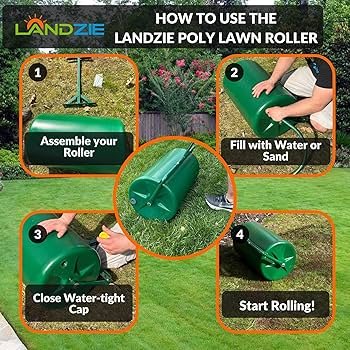
A lawn roller is a heavy cylinder that you push or pull over your lawn. As it moves, it presses down on the soil. This removes air pockets and smooths the surface.
The roller can be filled with water or sand to add weight. The weight helps press the soil and seeds firmly. This creates a tight seedbed for better growth.
Benefits For Grass Seed
Using a lawn roller after spreading grass seed helps the seeds settle into the soil. This improves seed-to-soil contact. Good contact is key for seed germination.
- Prevents seeds from washing away during rain
- Helps soil retain moisture around seeds
- Reduces soil air pockets that dry out seeds
- Makes the lawn surface smooth for mowing later

Credit: www.amazon.com
When To Use A Lawn Roller
A lawn roller can help flatten the soil and improve seed contact. It is not always necessary for grass seed to grow well. Knowing when to use a lawn roller can help you get better results.
Using a lawn roller at the right time makes sure you do not harm the new grass. It also helps the seeds stay in place and grow evenly.
Ideal Soil Conditions
Use a lawn roller when the soil is loose but not wet. The soil should be soft enough to press down without making puddles. Rolling hard or wet soil can cause compaction and block air flow.
Lightly rolling helps smooth bumps and push seeds into the soil. This improves seed-to-soil contact and helps the seeds absorb moisture better.
- Soil should be moist but not soggy
- Soil should not be too dry or hard
- Avoid rolling after heavy rain or on muddy ground
- Light rolling is best to avoid soil compaction
Timing After Seeding
Roll the lawn soon after spreading grass seed. This helps press seeds into the soil and keeps them from washing away. Rolling too late can damage young grass shoots.
If you use a roller, do it right after seeding and before watering. Watering after rolling helps settle the soil around the seeds and supports germination.
- Roll immediately after spreading seed
- Do not roll once grass sprouts have grown tall
- Water after rolling for best seed contact
- Avoid rolling on dry or newly sprouted grass
Types Of Lawn Rollers
Lawn rollers help press grass seed into the soil. They improve seed-to-soil contact. This helps seeds grow better.
There are different types of lawn rollers. Each type fits different lawn needs and budgets.
Manual Vs. Powered Rollers
Manual lawn rollers need you to push or pull them. They are simple and do not use fuel or electricity.
Powered rollers use engines or motors. They are easier to use on large lawns. They save time and effort.
- Manual rollers are cheaper and light.
- Powered rollers are heavier and faster.
- Manual rollers work well on small lawns.
- Powered rollers suit big or uneven lawns.
Size And Weight Considerations
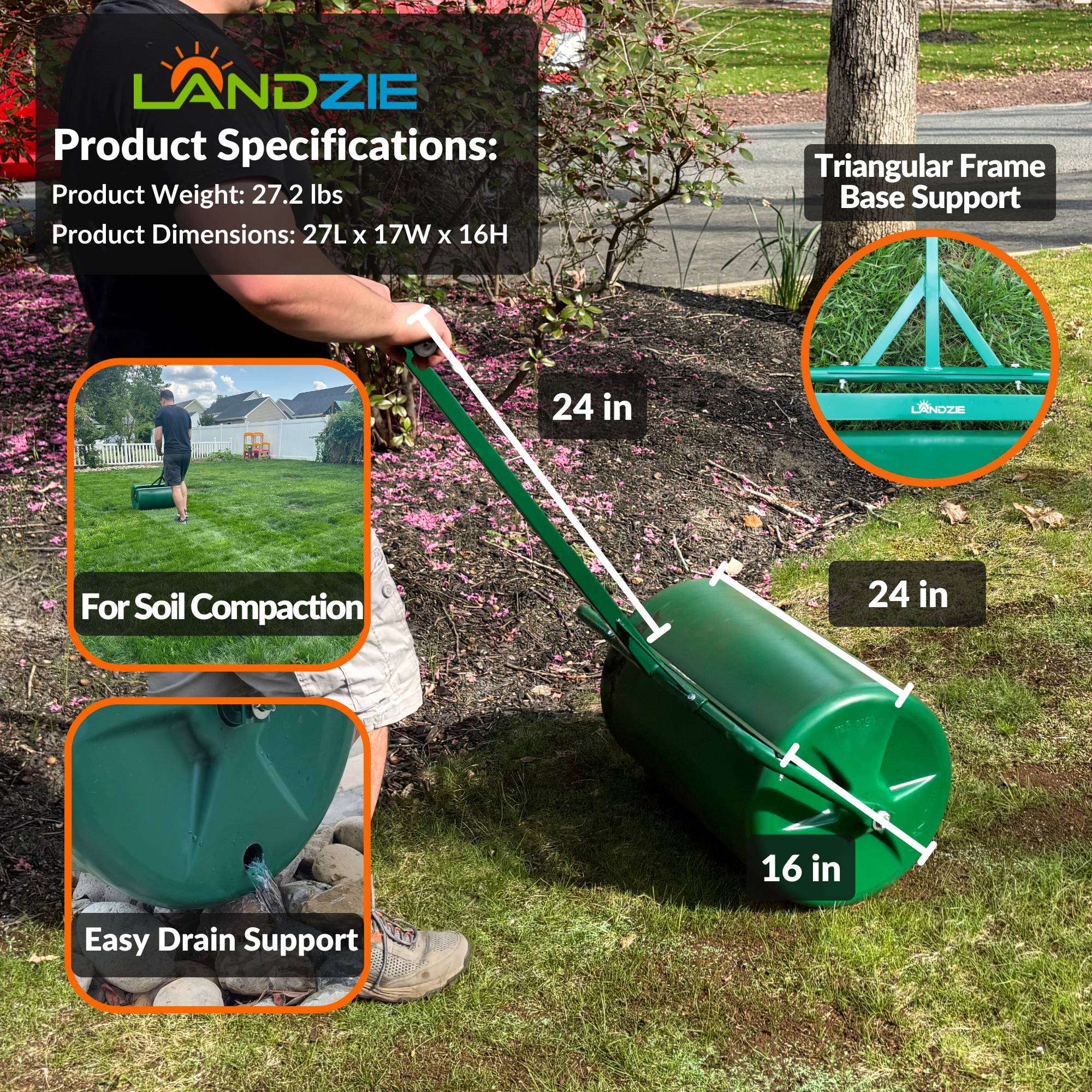
Size and weight affect how well a roller works. A heavy roller presses seeds deeper into the soil.
Large rollers cover more ground but are harder to move. Small rollers are easy to handle but take more time.
- Heavy rollers create firm seedbeds.
- Light rollers are good for delicate soil.
- Large rollers save time on big lawns.
- Small rollers fit tight or small areas.
Alternatives To Lawn Rolling
A lawn roller helps press grass seeds into the soil. It makes the ground smooth and firm. But you can grow grass without a roller.
Here are two easy ways to prepare your lawn after spreading grass seed. They help the seeds touch the soil for better growth.
Using A Rake Or Board
A rake or a flat board can gently press seeds into the soil. After scattering seeds, use the rake or board to push them down lightly.
This method helps the seeds stay in place and contact the soil. It also breaks up clumps and evens the ground surface.
- Use a garden rake to spread seeds evenly.
- Lightly drag a flat board over the soil.
- Do not press too hard to avoid compacting soil.
- Repeat gently to cover all seeded areas.
Natural Soil Settling
Soil naturally settles over time after you seed your lawn. Rain, watering, and foot traffic help press seeds into the soil.
This slow settling allows seeds to stay in place without using heavy tools. Water your lawn gently to encourage soil settling.
- Water the lawn lightly but often.
- Avoid walking on the new seed too much.
- Let rain help press seeds into the soil.
- Give the soil a few days to settle naturally.
Common Mistakes To Avoid
Using a lawn roller for grass seed can help, but mistakes can harm your lawn. Avoid actions that stop grass from growing well.
Two big mistakes are over-compacting soil and rolling at the wrong time. Learn about these to keep your grass healthy.
Over-compacting Soil
Pressing soil too hard with a roller makes it hard for grass roots to grow. The soil becomes dense and water cannot reach roots well.
- Roots struggle to get air and water
- Grass grows thin and weak
- Soil drains poorly, causing puddles
- Hard soil stops new seeds from sprouting
Use the roller lightly, just to press seeds into the soil without making it too hard.
Rolling At The Wrong Time
| Time | Why Not to Roll |
| Right after seeding | Can crush seeds if soil is too soft |
| When soil is wet | Leads to soil compaction and poor root growth |
| After grass starts growing | Damages young shoots and slows growth |
Roll your lawn only when soil is dry and firm but not hard. This helps seeds settle without damage.
Credit: www.walmart.com
Tips For Successful Grass Seed Growth
Growing healthy grass from seed requires proper preparation and care. A lawn roller can help, but it is not always necessary. Here are some tips to ensure your grass seed grows well.
These tips will guide you in preparing the soil, watering, and maintaining your new grass. Each step is important for the best results.
Proper Soil Preparation
Good soil is key for grass seed growth. Start by clearing debris and rocks from the area. Next, loosen the soil using a rake or tiller.
A lawn roller can help flatten the soil. This makes it easier for seeds to contact the soil. Check if your soil needs nutrients. You can add compost or a light layer of topsoil.
- Remove all debris and rocks
- Loosen soil with a rake or tiller
- Add nutrients if needed
- Use a lawn roller for even soil surface
Watering And Maintenance
Watering is crucial after planting grass seed. Keep the soil moist but not too wet. Daily watering is often needed at first.
As grass grows, you can water less often. Avoid walking on new grass. This helps it grow stronger. Regular mowing will also keep your lawn healthy.
- Water daily to keep soil moist
- Reduce watering as grass grows
- Avoid walking on new grass
- Mow regularly for healthy growth

Credit: www.amazon.com
Frequently Asked Questions
Is A Lawn Roller Necessary For Grass Seed Planting?
A lawn roller is not always necessary but can improve seed-to-soil contact. It helps press seeds into the ground, enhancing germination and preventing displacement by wind or animals. However, light rolling is sufficient; heavy rolling may compact the soil and harm grass growth.
When Should You Use A Lawn Roller For Grass Seed?
Use a lawn roller immediately after spreading grass seed. Rolling helps settle seeds into the soil, ensuring better moisture retention and faster germination. Avoid rolling on wet or overly dry soil to prevent compaction or poor seed contact.
Can A Lawn Roller Harm Newly Planted Grass Seed?
Excessive or heavy rolling can compact soil, restricting root growth. Light rolling is safe and beneficial for seed contact. Use a lawn roller gently to avoid damaging young seedlings or creating hard soil layers that hinder grass development.
What Alternatives Exist To Using A Lawn Roller For Grass Seed?
Alternatives include raking the soil gently to cover seeds or using a seed spreader with a light topsoil layer. Watering frequently also helps settle seeds. These methods reduce soil compaction risk while ensuring good seed-to-soil contact.
Conclusion
A lawn roller can help press grass seeds into the soil firmly. This makes seeds stay in place and grow better roots. It also smooths the ground, making it easier to mow later. But it is not always needed, especially on soft or loose soil.
Light rolling after seeding can improve results without harming the seeds. Choose the right time and pressure to avoid damage. Rolling is a useful tool, but not a must for every lawn. Consider your soil type and grass needs before using one.

